Tirana, Albania – October 26, 2026 – In a significant development following recent waves of public demonstrations, the Albanian State Police appear to be recalibrating their approach to managing public unrest, particularly concerning the handling of minors and the controversial practice of arbitrary mobile phone searches. A leaked directive, dated October 22nd, from the Deputy Director for Public Security in Tirana, signals a marked shift towards stricter adherence to penal legislation concerning minors during detentions, interrogations, and statement-taking. This directive comes in the wake of widespread criticism, legal challenges, and monitoring by the People’s Advocate regarding the police’s conduct during recent protests.
The past two weeks have seen hundreds of minors detained or subjected to criminal proceedings by the State Police. However, a substantial number of these actions have been deemed unlawful by the courts. Simultaneously, the People’s Advocate has been actively investigating instances of legal violations in the treatment of these young individuals. The leaked document underscores a growing awareness within law enforcement circles that past methodologies may have fallen short of legal and ethical standards.
This internal directive is not merely a procedural update; it represents a potential turning point in how law enforcement interacts with the public, especially vulnerable groups, during times of heightened social tension. The scrutiny, both from judicial bodies and civil society, has evidently prompted a re-evaluation of standard operating procedures.
A Wave of Detentions and Legal Challenges
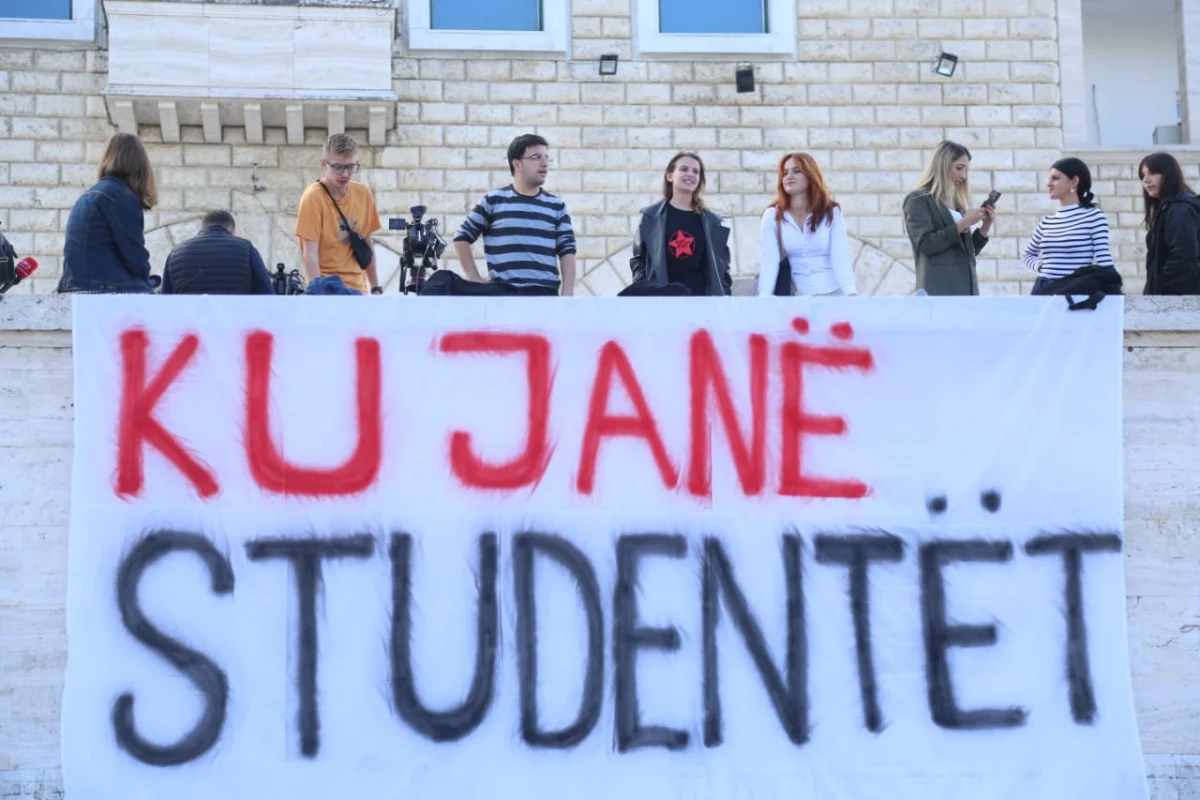
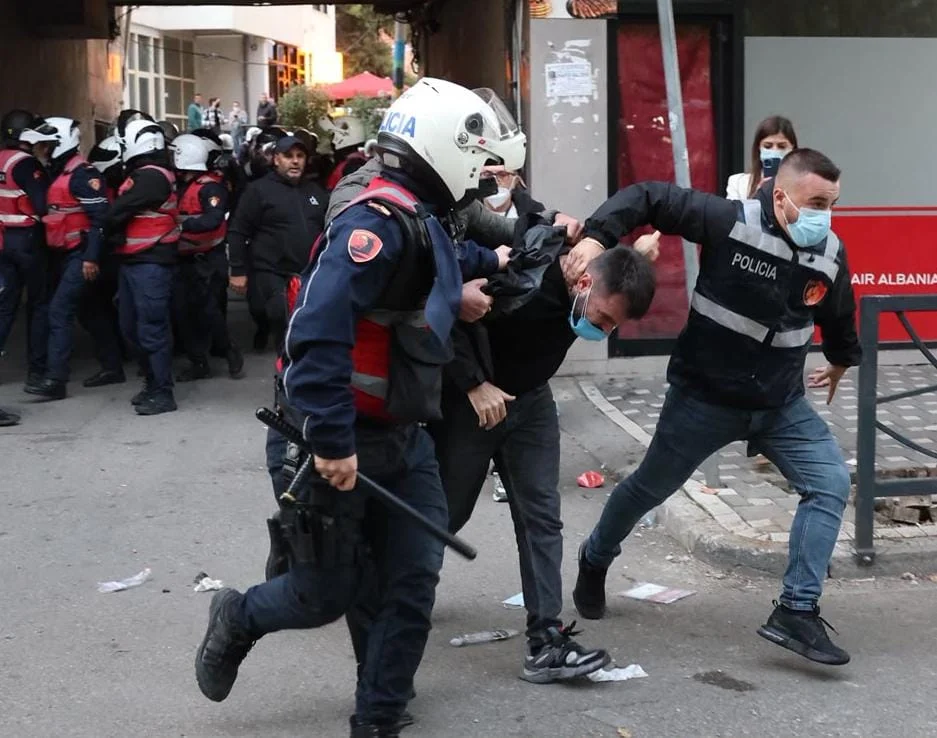
The recent surge in protests across Tirana has placed immense pressure on law enforcement agencies. While the right to protest is a cornerstone of democratic societies, the methods employed by the police in managing these demonstrations have come under intense scrutiny. Reports from the ground, corroborated by legal analyses, indicate that a considerable number of minors were detained or faced criminal charges during the recent gatherings.
The exact number of minors affected remains fluid, but consistent reporting suggests a pattern of detentions that has triggered alarm bells among human rights advocates and legal experts. The justification for these detentions, and the subsequent legal ramifications, have become a focal point of public debate and judicial review.
The Controversial Practice of Mobile Phone Searches
One of the most contentious issues arising from the recent protests has been the police’s alleged practice of demanding individuals unlock their mobile phones and allow searches of personal data. This practice has been widely condemned by jurists and civil society representatives as a serious infringement upon the right to privacy and a violation of legal statutes.
The core of the legal objection lies in the absence of a judicial warrant. Legal experts argue that without explicit authorization from a court, such searches constitute an arbitrary intrusion into a person’s private digital life. The information contained on mobile devices, ranging from personal communications to sensitive data, is considered highly confidential. The act of compelling individuals to disclose this information, especially under duress during a protest, is seen as a grave overreach of police authority.
The leaked directive explicitly addresses this concern, stating, "No phone searches shall be conducted without a judicial order, and no requests for passwords shall be made without legal basis." This clear pronouncement signals a recognition by the police leadership that this practice has been problematic and requires immediate rectification.
A Shift Towards Transparency and Accountability
Beyond the specific issue of phone searches, the directive introduces several other measures aimed at enhancing transparency and accountability within police operations during protests. A key element is the requirement for all police officers on duty to be easily identifiable, with their identification numbers clearly visible. This measure is designed to facilitate accountability by ensuring that individuals can readily identify the officers involved in any interaction.
Furthermore, the directive mandates the identification of police vehicles involved in any operation. This adds another layer of traceability, allowing for better oversight and investigation of potential misconduct.
The emphasis on identification and vehicle tracking suggests a proactive effort by the police to address concerns about anonymity and the potential for unchecked actions by officers. In environments where tensions can run high, clear identification is crucial for building trust and ensuring that officers can be held responsible for their conduct.
Special Provisions for Minors: A Crucial Development
The directive places a significant emphasis on the specific legal protections afforded to minors. It explicitly calls for strict adherence to penal legislation concerning minors during all stages of police interaction, from initial apprehension to the taking of statements. This includes ensuring the presence of a parent or guardian and a psychologist for every minor questioned.
Moreover, the directive mandates that the rights of minors be explained in a version understandable to them, prior to any questioning. This is a critical step in ensuring that young individuals are aware of their rights and are not coerced into providing statements without understanding the implications. The requirement for separate registration for minors further underscores the need for specialized treatment that acknowledges their vulnerability.
The directive also addresses the use of force and tear gas, urging officers to familiarize themselves with legal acts on the proportional use of such measures. This indicates a recognition that the application of crowd control tactics must be governed by strict legal frameworks and exercised with restraint.
The call for the immediate preservation of video footage from October 19, 2026, suggests a specific incident or series of incidents that are now under review, potentially related to the handling of minors or the use of force. This proactive measure to secure evidence points towards a commitment to thorough investigation and accountability.
Supporting Data and Evidence of Previous Violations
The directive’s emergence is not without precedent. Reports from legal aid organizations and observations by the People’s Advocate have documented instances that align with the concerns raised in the leaked document. These reports often highlight:
- Disregard for Juvenile Justice Laws: Cases where minors were detained in adult facilities or subjected to interrogation procedures not suitable for their age group.
- Coercion and Lack of Legal Representation: Instances where minors were pressured to provide statements without access to legal counsel or parental support.
- Arbitrary Detentions: Detentions that lacked sufficient legal grounds or were disproportionate to the alleged offense.
- Excessive Use of Force: Allegations of disproportionate or unnecessary force being used against protestors, including minors.
The People’s Advocate, an independent institution tasked with safeguarding human rights, has played a vital role in bringing these issues to light. Their monitoring efforts have provided crucial data and testimonies that have informed public discourse and likely influenced the police’s decision to issue the directive.
While specific court rulings were not detailed in the provided text, the mention of "arrests considered illegal by the Court" strongly suggests that judicial bodies have already intervened, invalidating some police actions and signaling a need for systemic change. This judicial oversight acts as a crucial check on executive power and ensures that law enforcement operates within the bounds of the law.
Official Responses and the Path Forward
The leaked directive, while not a public statement in itself, represents an internal communication aimed at rectifying perceived shortcomings. The signatory, Edmond Meshini, Deputy Director for Public Security, underscores the urgency and importance of these measures by stating, "Take measures for what is requested in the letter, as well as for the correct implementation of legal obligations regarding minors."
The directive’s content implies a recognition that past practices have led to legal vulnerabilities and public distrust. The emphasis on legal compliance, transparency, and the protection of vulnerable groups like minors suggests a strategic shift.
The implications of this directive are far-reaching. If implemented effectively, it could lead to:
- Improved Police-Community Relations: By adhering to legal standards and demonstrating respect for individual rights, the police can begin to rebuild trust with the public, particularly younger generations.
- Reduced Legal Challenges: A more compliant approach to detentions and investigations should result in fewer legal challenges and a reduction in cases being dismissed by courts.
- Enhanced Accountability: The focus on identification and transparency will make it easier to hold officers accountable for their actions, fostering a more responsible police force.
- Greater Protection for Minors: The specific provisions for minors are a significant step towards ensuring their rights and well-being are prioritized during encounters with law enforcement.
However, the true impact of this directive will depend on its rigorous and consistent implementation across all police units. The transition from existing practices to new protocols requires comprehensive training, ongoing supervision, and a clear commitment from leadership. The coming months will be crucial in determining whether this directive marks a genuine and lasting change in the Albanian State Police’s approach to public order management, or if it remains an administrative measure without substantive effect on the ground. The eyes of the public, legal professionals, and human rights organizations will be watching closely.