As QVC approaches its landmark 40th anniversary, the retail titan finds itself at a pivotal crossroads. Since its inception in 1986, the company has defined the "live commerce" category, evolving from a television novelty into a multi-platform retail juggernaut. However, the modern retail landscape is drastically different from the era of cable television dominance. Facing a post-bankruptcy landscape and a shift in consumer behavior toward short-form, algorithmic discovery, QVC is deploying a sophisticated, multi-pronged strategy to bridge its storied past with a high-speed digital future.
The State of Play: A Multi-Platform Holiday Strategy
This season, QVC is pulling out all the stops to ensure a strong finish to a tumultuous year. The retailer’s 40th holiday season is characterized by a "omnichannel-plus" approach, integrating traditional television broadcasts with an aggressive expansion into the TikTok ecosystem.
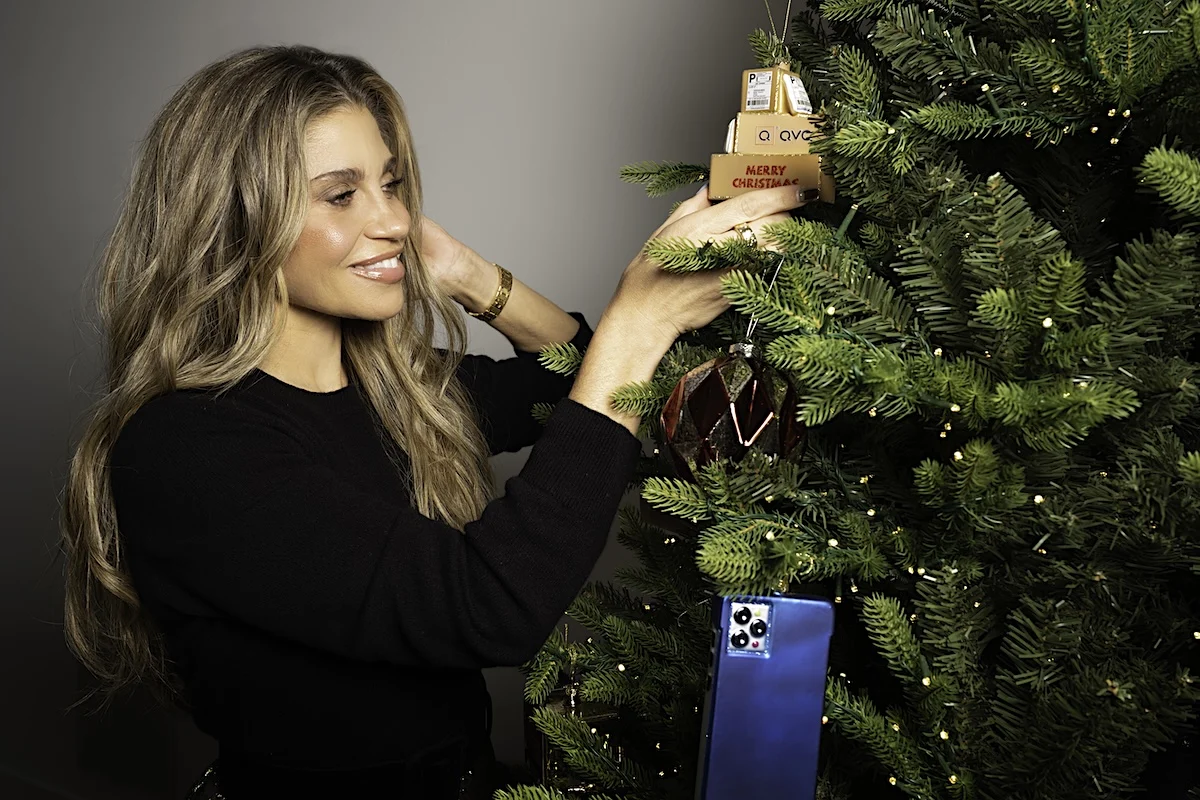
The product lineup is designed to bridge luxury and accessibility, featuring established powerhouses like Le Creuset, KitchenAid, Laura Mercier, and Nespresso. To generate buzz, QVC is leaning into exclusivity, debuting lines such as Off/Duty by Coco Rocha and RM Studio by Rebecca Minkoff. The promotional calendar is anchored by the “Nonstop Holiday Party” (November 6–8), a three-day event featuring early Black Friday pricing and high-profile celebrity appearances from Martha Stewart, John Legend, and Teri Hatcher. Adding a layer of nostalgic marketing, QVC has tapped Boy Meets World icon Danielle Fishel to portray Mrs. Claus, aiming to bridge the gap between its long-time loyalists and younger, digitally native shoppers.
Chronology of a Transformation: From Cable to Social
To understand QVC’s current trajectory, one must look at the timeline of its evolution:
- 1986: QVC launches, pioneering the concept of televised shopping in the United States.
- 2025 (April): Recognizing the shift in consumer attention, QVC launches the first U.S.-based 24/7 live social shopping experience via TikTok Shop.
- 2025 (Summer): After filing for Chapter 11 bankruptcy to address debt obligations, the QVC Group successfully emerges in August with a restructured balance sheet, having shed over $5 billion in debt.
- Late 2025: The company pivots toward an integrated strategy, utilizing nearly 1 million new U.S. customers acquired specifically through the TikTok Shop channel.
- Present: The company operates a hybrid model, balancing 60,000 hours of annual live TV content with a burgeoning 200-hour-per-week livestream schedule on TikTok.
Supporting Data: The Metrics of Success
QVC’s path to growth is backed by a rigorous, data-driven approach to social commerce. While the company’s net revenue for the three months ending June 30, 2025, sat at $1.765 billion—down from the previous year’s $1.984 billion—the company is focusing on "flywheel" growth metrics to reverse this trend.
The most compelling statistic lies in its TikTok acquisition strategy. In the last year, QVC and its sibling brand, HSN, added nearly 1 million new customers who had never previously interacted with the brand via television or the QVC website. This signals that the brand is effectively lowering its demographic age profile without alienating its traditional, high-LTV (lifetime value) customer base.
Krystyna Taheri, SVP of Social Commerce at QVC Group, notes that the platform’s performance is no longer just about gross sales, but about engagement metrics. The company tracks "click-through rates" and "click-to-order rates" as primary indicators, teaching hosts to optimize content in real-time based on the immediate feedback provided by the TikTok algorithm.
Official Perspectives: The Art of the Pivot
In an exclusive conversation with Modern Retail, Krystyna Taheri explained the fundamental shift in philosophy required to succeed on modern platforms. According to Taheri, the core principles of trust, demonstration, and storytelling remain the "North Star," but the execution has changed dramatically.
The "Hook" Economy
"It’s a different style of live selling," Taheri says. "It’s a lot faster. You’re talking 20-second, 30-second hooks and sells, versus a seven- to eight-minute segment on TV."
To accommodate this, QVC has built 10 specialized, TikTok-native studios. Unlike the highly produced, robotic-camera environments of their television sets, these studios are designed for authenticity. They are nimble, utilizing mobile-first filming techniques that feel native to the TikTok feed. Whether it is a kitchen-focused set or a beauty station designed for up-close product application, the goal is to make the digital space feel as intimate and "homey" as the television experience.
Hosting and Coaching
QVC’s approach to talent management has also evolved. "We picked a mix," Taheri explains. "Some hosts already had a following, and some were fairly new with strong personalities."
The training process is rigorous. Hosts engage in weekly tape reviews, breaking down segments with producers to analyze what worked and what didn’t. This "test-and-learn" mentality extends to the hosts’ creative freedom. Taheri cites a host named Paulina, who proposed a show concept called "Girly Girl Vibes." By allowing hosts to experiment, QVC treats its livestreams as "immediate focus groups," enabling the brand to pivot its strategy based on real-time viewer sentiment rather than stagnant marketing plans.
Strategic Implications: What the Future Holds
The implications of QVC’s strategy are significant for the broader retail industry. By diversifying its reach, QVC is attempting to prove that the "live shopping" model is not merely a relic of cable TV, but a foundational pillar of modern digital commerce.
The "Flywheel" Effect
The most vital implication of QVC’s current strategy is the creation of a cross-platform "flywheel." The brand is successfully directing traffic from social media to its website and, conversely, introducing its television audience to its social media channels. This ecosystem ensures that a customer acquired through a 30-second TikTok clip can eventually become a high-value customer who engages with the more in-depth content found on the QVC app or television.
The Challenge of Sustainability
Despite the optimism, the road ahead is not without challenges. The retail environment remains volatile, with shifting consumer spending habits and the ever-present threat of market saturation. QVC’s ability to remain "top of mind" during the critical Black Friday and Cyber Monday windows—where they plan to utilize "mega-lives" of eight to 10 hours—will be the ultimate test of their restructured business model.
By leveraging "drip lives" and teasing exclusive product drops, QVC is manufacturing the same urgency that made it a household name in the 1990s, but applying it to the hyper-fragmented digital landscape of the 2020s.
Conclusion
As the holiday season approaches, the retail world will be watching QVC closely. The company is no longer just selling kitchen gadgets or jewelry; it is selling a case study in corporate resilience. Through its ability to marry the trust-based, long-form legacy of TV shopping with the fast-paced, high-engagement requirements of TikTok, QVC is making a bold play to remain relevant for another four decades. Whether they can maintain this momentum after the holiday season concludes will determine if they have truly mastered the art of digital transformation, or if they are simply holding their ground in a rapidly changing market. For now, the "Nonstop Holiday Party" represents more than just a promotional event—it is a signal that QVC is back, retooled, and ready to compete for the next generation of shoppers.