Just because you can do something doesn’t mean you should. This adage is nowhere more applicable than in the realm of DIY home networking. As smart homes evolve to include high-definition security cameras, outdoor Wi-Fi access points, and remote IoT sensors, the temptation to stretch a standard Ethernet cable through a window or across a backyard is high. However, using the wrong cabling for an exterior environment is a recipe for signal degradation, safety hazards, and inevitable equipment failure.
Main Facts: The Anatomy of a Cable Failure
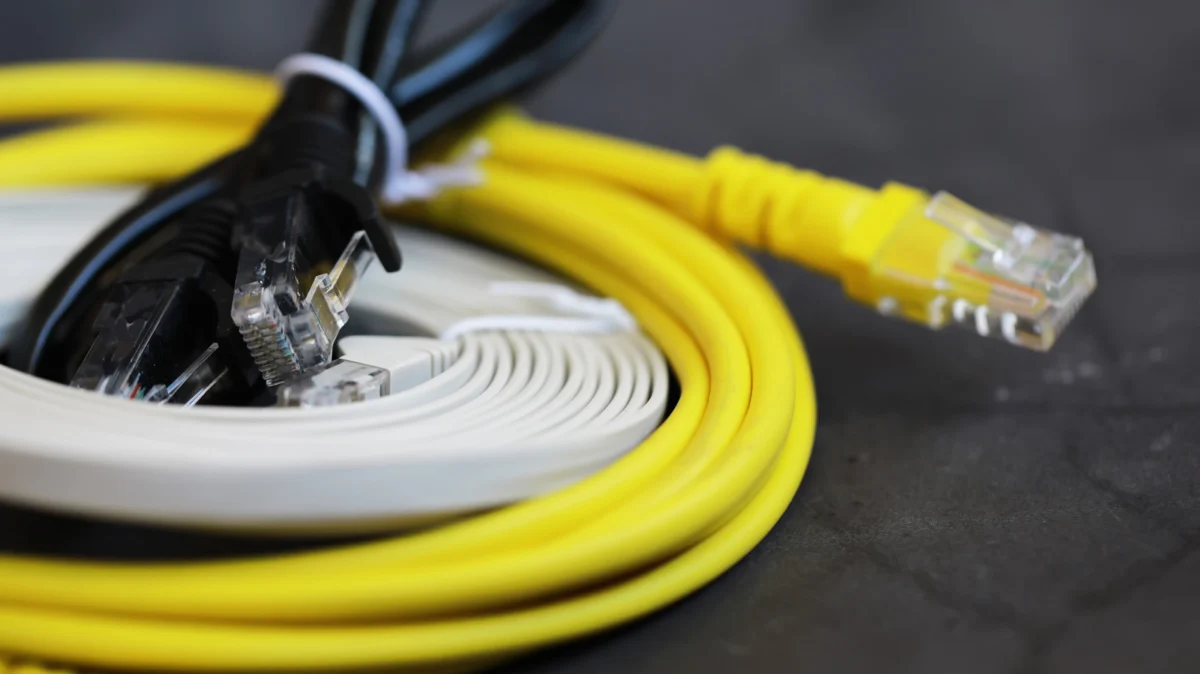
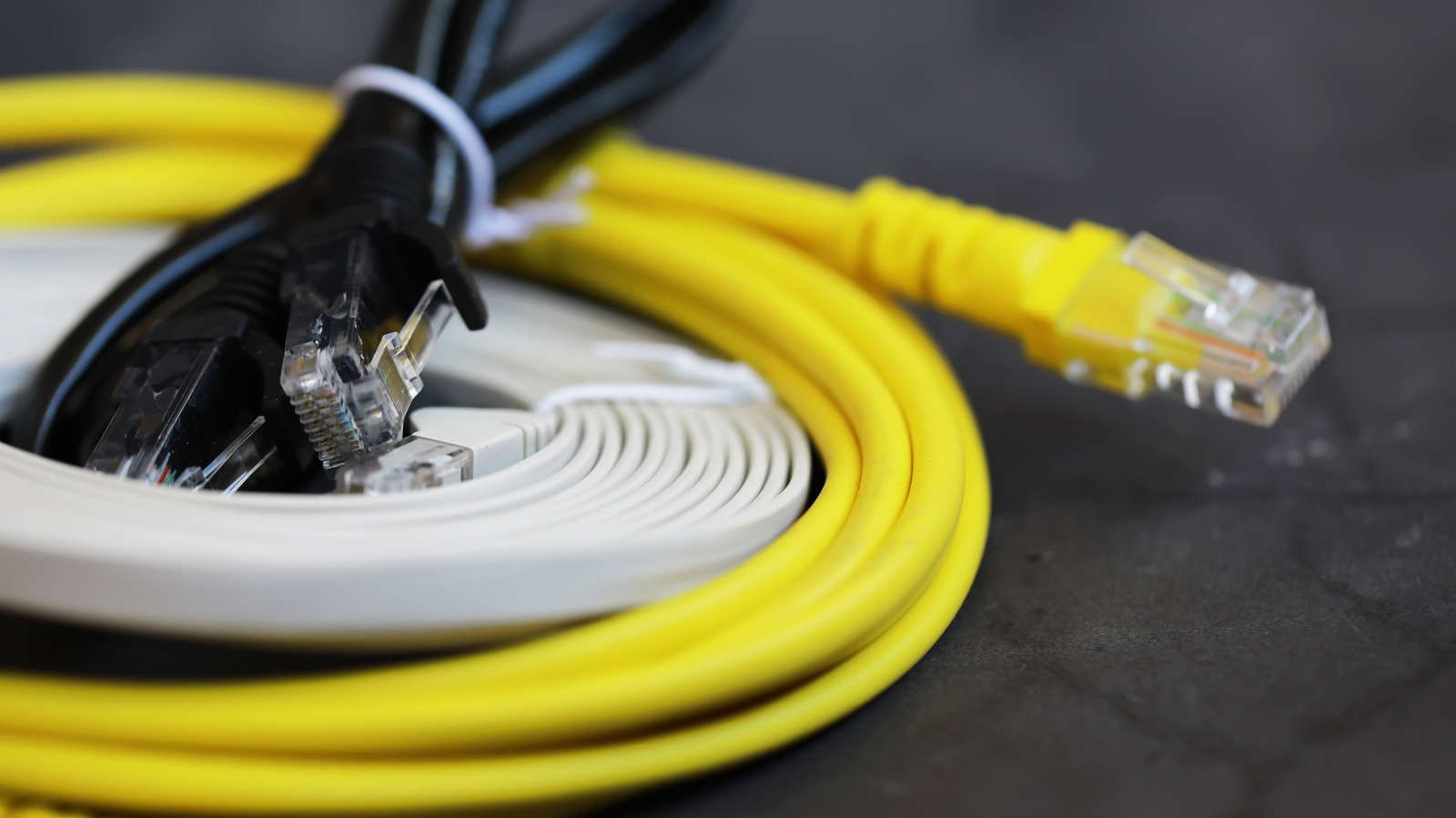
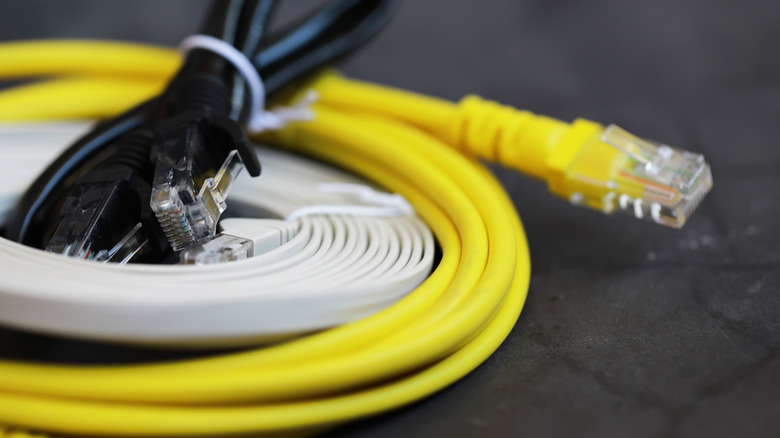
At its core, the distinction between indoor and outdoor Ethernet cabling comes down to material science. Standard Ethernet cables—the type you likely have plugged into your router or game console—are designed for climate-controlled indoor environments. They are typically sheathed in a flexible polyvinyl chloride (PVC) jacket. While cost-effective and easy to manipulate around corners, PVC is fundamentally unsuited for the harsh realities of the outdoors.
The primary enemy of the standard PVC-jacketed cable is ultraviolet (UV) radiation. Over time, sunlight breaks down the chemical bonds in the PVC, causing the jacket to fade, become brittle, and eventually crack. Once the outer protective layer is compromised, the internal twisted pairs are exposed to moisture, humidity, and atmospheric pollutants.
Furthermore, copper wire is highly susceptible to temperature-induced expansion and contraction. When an indoor cable is exposed to the extreme fluctuations of the seasons—from blistering summer heat to freezing winter nights—the internal structure of the cable suffers. This leads to oxidation of the copper contacts and eventual signal loss. In a worst-case scenario, the lack of proper shielding and grounding leaves your sensitive networking equipment vulnerable to electrical surges, including those caused by nearby lightning strikes.
Chronology of Installation Risks
When a user decides to run an indoor cable outdoors, the deterioration usually follows a predictable timeline:
- Phase 1: Installation (The Honeymoon Period). Immediately after installation, the system works perfectly. The user feels a sense of accomplishment, having saved money by repurposing spare cable.
- Phase 2: The UV Onset (Months 1-6). The outer jacket begins to lose its sheen. In direct sunlight, the plastic begins to undergo photo-oxidation. The flexibility of the cable is already beginning to diminish.
- Phase 3: Environmental Stress (Months 6-18). The first cycle of rain, snow, or extreme heat takes its toll. Micro-cracks appear in the PVC. Moisture begins to wick into the cable jacket, creating a "straw effect" where water travels along the length of the wire, potentially entering your home or the connected device’s port.
- Phase 4: Degradation (Months 18-36). Network speeds drop as the copper begins to corrode. Intermittent connection drops occur, which are often misdiagnosed as router issues.
- Phase 5: Catastrophic Failure (Year 3+). The cable becomes brittle to the point of breaking if touched. A short circuit occurs, or the connection dies completely, often resulting in damage to the Ethernet port on the connected device (such as a camera or switch).
Supporting Data: Why Engineering Matters
To understand why specialized cables are necessary, one must look at the construction materials. Outdoor-rated cables utilize high-density polyethylene (HDPE) or linear low-density polyethylene (LLDPE) jackets. These materials are chemically engineered to be UV-resistant and to maintain their mechanical properties across a wide temperature range—typically from -40°C to 75°C.
For those planning to run cables underground, the requirements become even more stringent. "Direct-burial" rated cables are designed to withstand the crushing force of soil and the constant presence of ground moisture. These cables often incorporate:
- Water-Blocking Agents: Using moisture-absorbing tape, powder, or specialized gel, these cables ensure that even if the outer jacket is nicked by a shovel or a rock, the water does not reach the copper conductors.
- Armoring (Optional): In areas with high rodent activity or risk of accidental excavation, steel-tape armored cables provide a physical barrier that standard Ethernet cables simply cannot match.
- Shielding: Outdoor cables often feature robust foil or braided shielding to prevent electromagnetic interference (EMI), which is significantly higher in outdoor environments where cables might run near power lines or electrical panels.
Official Responses and Industry Standards
The National Electrical Code (NEC) and organizations like Underwriters Laboratories (UL) provide clear mandates for the installation of communication cables. According to NEC guidelines, cables used in building installations must be properly marked to ensure they meet the fire and safety requirements of the environment they occupy.
A critical regulatory point is the "50-foot rule." If you must bring an outdoor-rated cable into a building to reach a switch or router, you are generally prohibited from running that cable for more than 50 feet inside. Why? Because outdoor cables are often not rated for indoor fire safety. The jackets are designed to be weather-resistant, but they may not be fire-retardant (plenum-rated). If a fire starts, a non-plenum cable can act as a wick, spreading smoke and toxic fumes through your HVAC system.
Industry professionals emphasize that "outdoor" is not a singular category. A cable that is "UV-resistant" may not be "direct-burial" rated. Always look for the following markings on the cable jacket:
- CMX: Suitable for outdoor applications where the cable is exposed to the elements.
- OSP (Outside Plant): Specifically designed for external, often underground or aerial, deployments.
- Direct Burial: Indicated on the jacket, ensuring the cable can withstand burial without a conduit.
Implications for Your Home Network
The decision to use the correct cable has long-term implications for both security and performance. If you are installing a high-end 4K security camera system, the last thing you want is a connection that drops every time it rains.
Best Practices for a Professional Installation
- Use Conduit: Even if you use direct-burial cable, placing it inside a PVC or EMT conduit provides a secondary layer of protection against physical damage, such as accidental garden work or shifting soil.
- Surge Protection: Regardless of the cable quality, copper is an excellent conductor of electricity. If lightning strikes near your outdoor equipment, that energy will travel down the line. Installing Ethernet surge protectors at the entry point of your home is a vital safety step.
- The Fiber Alternative: For long runs (over 300 feet) or for connecting buildings that are on different electrical grounds, consider fiber optic cabling. Fiber is made of glass, not copper, meaning it is immune to lightning-induced surges and electromagnetic interference. While it requires different termination hardware, it is the gold standard for long-distance outdoor connectivity.
- Cable Management: Always ensure there is a "drip loop" before the cable enters the house. By allowing the cable to hang slightly below the entry point, gravity prevents water from running along the wire and into the wall penetration.
A Note on Local Ordinances
Before digging a trench across your property, check with local authorities. Many jurisdictions have specific codes regarding the depth of burial for communications cables. Ignoring these codes could result in fines or, worse, you could accidentally strike utility lines (gas, water, or electric) that are buried in the same area. Always call your local utility location service (like "811" in the United States) before you break ground.
Conclusion
Networking your outdoor space is a significant upgrade to any property, but it demands an appreciation for the environmental stressors that indoor hardware is shielded from. By selecting the correct cabling—whether that is an LLDPE-jacketed outdoor cable or a direct-burial fiber optic line—you ensure that your infrastructure remains as resilient as the home it serves. Avoid the shortcut of using standard indoor PVC cable; in the world of outdoor networking, quality, compliance, and proper installation are the only ways to guarantee a connection that lasts.