For any modern marketer, the Facebook advertising ecosystem is both a goldmine and a minefield. With billions of active users, the platform offers unparalleled targeting capabilities. However, even the most brilliant creative strategy can collapse if your assets are improperly formatted. Uploading a pixelated image or a misaligned video doesn’t just look unprofessional—it signals to the algorithm that your content is low-quality, often leading to reduced reach, higher cost-per-click (CPC), and diminished return on investment (ROI).
As Facebook continues to update its interface, ad placements, and technical guidelines, staying current is no longer optional; it is a prerequisite for success. This guide provides an exhaustive breakdown of the technical specifications for Facebook advertising, ensuring your campaigns are built on a foundation of precision.

The Importance of Technical Precision in Advertising
The primary reason to master ad specifications is algorithmic performance. Facebook’s delivery system is designed to prioritize content that offers a seamless user experience. When an ad is improperly cropped or compressed, users are more likely to scroll past it, or worse, perceive it as spam.
Beyond the aesthetics, there are three core reasons why you must adhere to these technical standards:
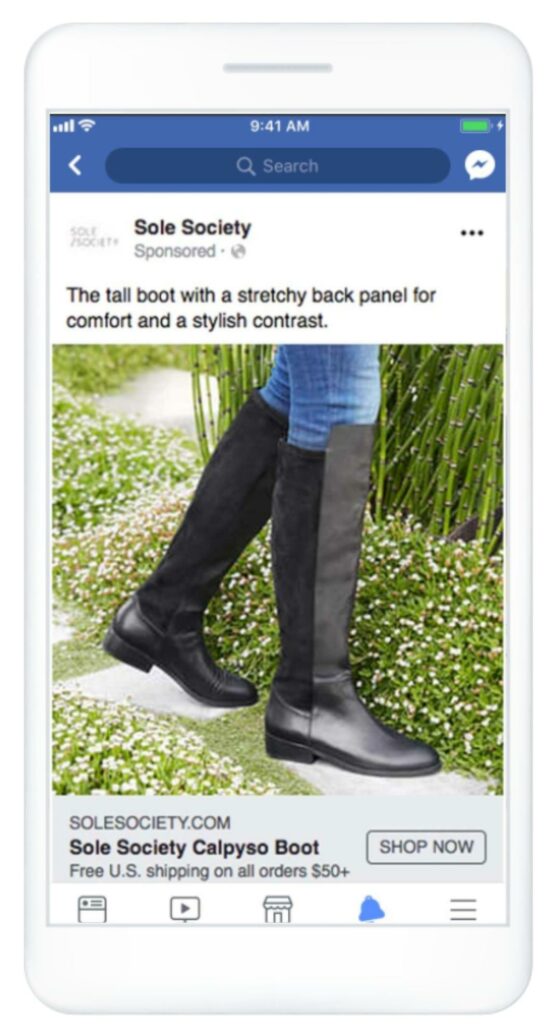
- Brand Authority: High-resolution, correctly formatted assets project professionalism and trust.
- Algorithmic Favor: Platforms optimize for high-engagement assets. Proper resolution and aspect ratios ensure your content looks "native" to the user experience.
- Conversion Efficiency: When text is obscured or images are cut off, the call-to-action (CTA) loses its impact, leading to missed conversion opportunities.
Facebook In-Feed Ad Specs: The Gold Standard
In-feed ads remain the most effective way to build brand awareness and drive traffic. Because they appear directly between organic posts from friends and family, they require a design that is visually arresting without feeling intrusive.
Image Requirements
- File Types: JPG and PNG.
- Resolution: Minimum 1080 x 1080 px. There is no maximum, so high-resolution uploads are encouraged to ensure clarity on high-density displays (Retina screens).
- Aspect Ratio: 1.91:1 to 1:1.
- File Size: Maximum 30 MB.
Video Requirements
- Format: MP4, MOV, or GIF.
- Aspect Ratio: 1:1 (Desktop/Mobile) or 4:5 (Mobile-only).
- Length: 1 second to 241 minutes.
- File Size: Maximum 4 GB.
Pro Tip: To maximize engagement, keep overlaid text minimal. The Facebook algorithm often penalizes images saturated with text, preferring clean, high-quality photography or videography.
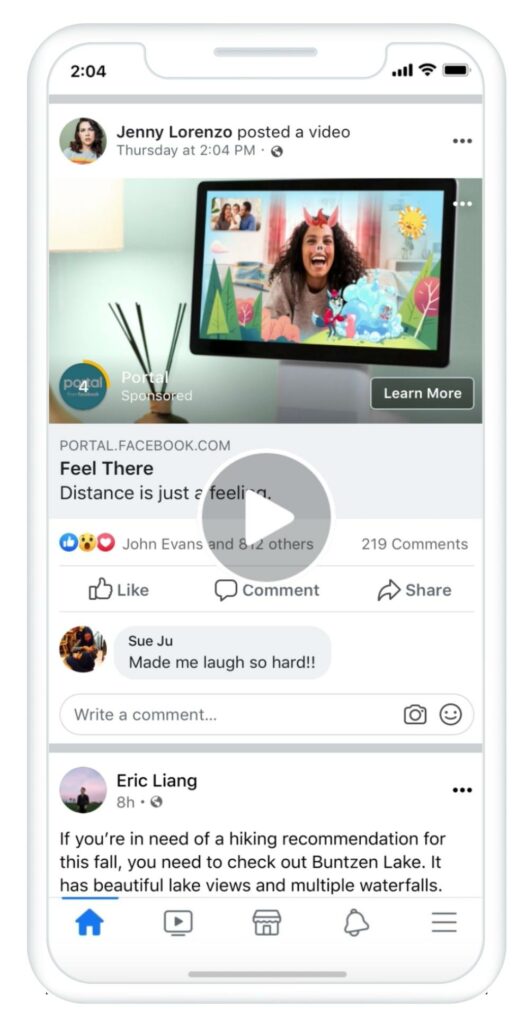
In-Stream Video Ads: Capturing Attention in Seconds
In-stream video ads are the "commercial break" of the social media world. These ads play within longer video content, allowing you to capture the attention of a captive audience.
- Format Constraints: These are primarily mobile-optimized.
- Video Specifications: 16:9 or 1:1 aspect ratios are supported, with a duration between 5 seconds and 10 minutes.
- Strategic Note: Because these appear mid-stream, your hook must occur within the first three seconds. If you do not capture interest immediately, the viewer will likely wait for the "Skip" option.
The Power of Carousel and Collection Ads
For e-commerce brands, the carousel and collection formats are essential for showcasing product catalogs without overwhelming the user.

Carousel Ads
Carousel ads allow you to display up to 10 images or videos in a single ad unit. Each card can have its own destination URL, making it the perfect tool for dynamic remarketing.
- Specs: 1:1 aspect ratio, at least 1080 x 1080 px resolution.
- Text Constraints: Primary text should be kept to 125 characters, with headlines limited to 32 characters to avoid truncation.
Collection Ads
Collection ads provide an "Instant Experience." A primary video or image sits above a grid of products. When clicked, the user is taken to a full-screen, mobile-optimized landing page without ever leaving the Facebook app.

- Requirement: An Instant Experience (formerly Canvas) is mandatory.
- Resolution: 1080 x 1080 px is the recommended baseline for all included assets.
Specialized Placements: Stories, Marketplace, and Audience Network
As user behavior shifts, so too must your ad placement strategy.
Facebook Stories Ads
Stories are immersive, full-screen, and vertical. Unlike feed ads, they occupy 100% of the screen.

- Aspect Ratio: 9:16 is critical. If you use a 1:1 asset, you will lose the top and bottom of the screen, creating a poor user experience.
- Safe Zones: Leave roughly 14% (250 px) at the top and bottom of your creative free from logos or text. These areas are often covered by the user interface (profile icons and CTA buttons).
Marketplace Ads
Marketplace is where users go with "high intent." They are actively looking to purchase.
- Visuals: Because this is a utility-focused area, your images should be product-centric.
- Design: Maintain a 1:1 ratio, but ensure your images are clean and bright, as the background of the Marketplace interface is often cluttered with other listings.
Audience Network
This placement extends your reach beyond Facebook, utilizing third-party apps and websites.

- Versatility: You must design for native, banner, and interstitial placements.
- Resolution: While 1080 x 1080 is standard, the minimum for Audience Network is 398 x 208 px, though we recommend higher resolution to ensure the ad doesn’t appear blurry on modern mobile devices.
Optimization Strategies for Maximum Conversion
Choosing the right ad size is only the first step. To truly maximize ROI, you must align your format with your campaign objective.
| Format | Best For | Placement |
|---|---|---|
| Single Image | Awareness / Clicks | Feed, Right Column, Audience Network |
| Carousel | Catalog Sales | Feed, Instagram, Audience Network |
| Collection | E-commerce / Conversion | Feed, Stories |
| Video | Brand Storytelling | Feed, In-Stream, Stories |
The "Right Column" Consideration
While Facebook is increasingly mobile-first, the Right Column placement remains a staple for desktop-heavy B2B campaigns. Because these ads are smaller, they should be used for simple, punchy brand reminders rather than complex product demonstrations.
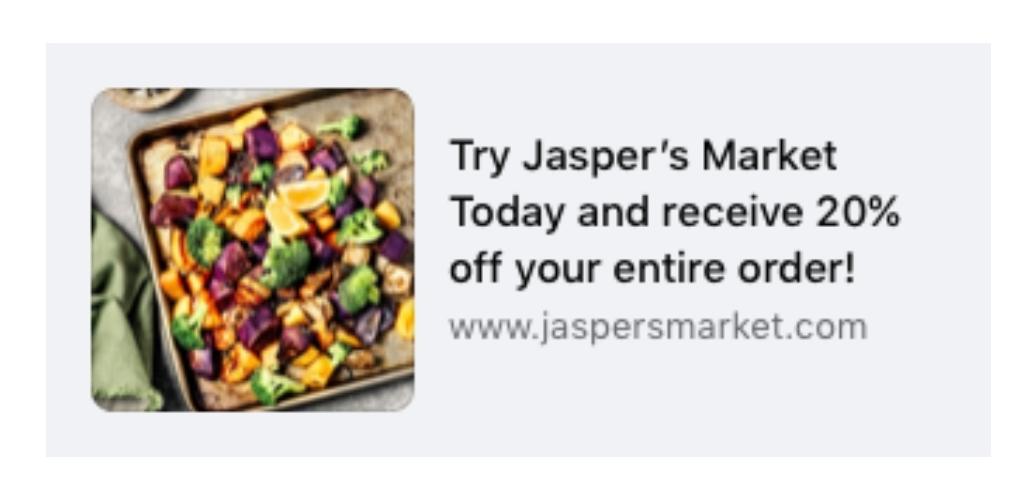
Implications of Platform Updates
Facebook’s guidelines are not static. The platform frequently updates its "Aspect Ratio Tolerance," currently sitting at 3%. This means that if your image is even slightly off-center or mismatched in ratio, the system will attempt to crop it, potentially ruining your layout.
The Golden Rule of 2024: Always design to the highest common denominator. If you create an asset at 1080 x 1080 px, it can be downsized by the algorithm for smaller placements without significant quality loss. If you upload a small, low-resolution file, there is no way to "upscale" it without pixelation.

Conclusion
Technical excellence in social media advertising is the silent partner to creative brilliance. By adhering to the specifications outlined in this guide, you ensure that your message is delivered clearly, your brand is presented professionally, and your budget is spent on reaching prospects rather than fighting the platform’s formatting requirements.
As you plan your next campaign, remember that the goal is not just to be seen, but to be understood. Use these specs as your roadmap, monitor your performance metrics closely, and be prepared to iterate as the platform inevitably evolves. With a disciplined approach to your creative assets, you set the stage for sustained growth and a healthier bottom line.