By Rosemary Potter
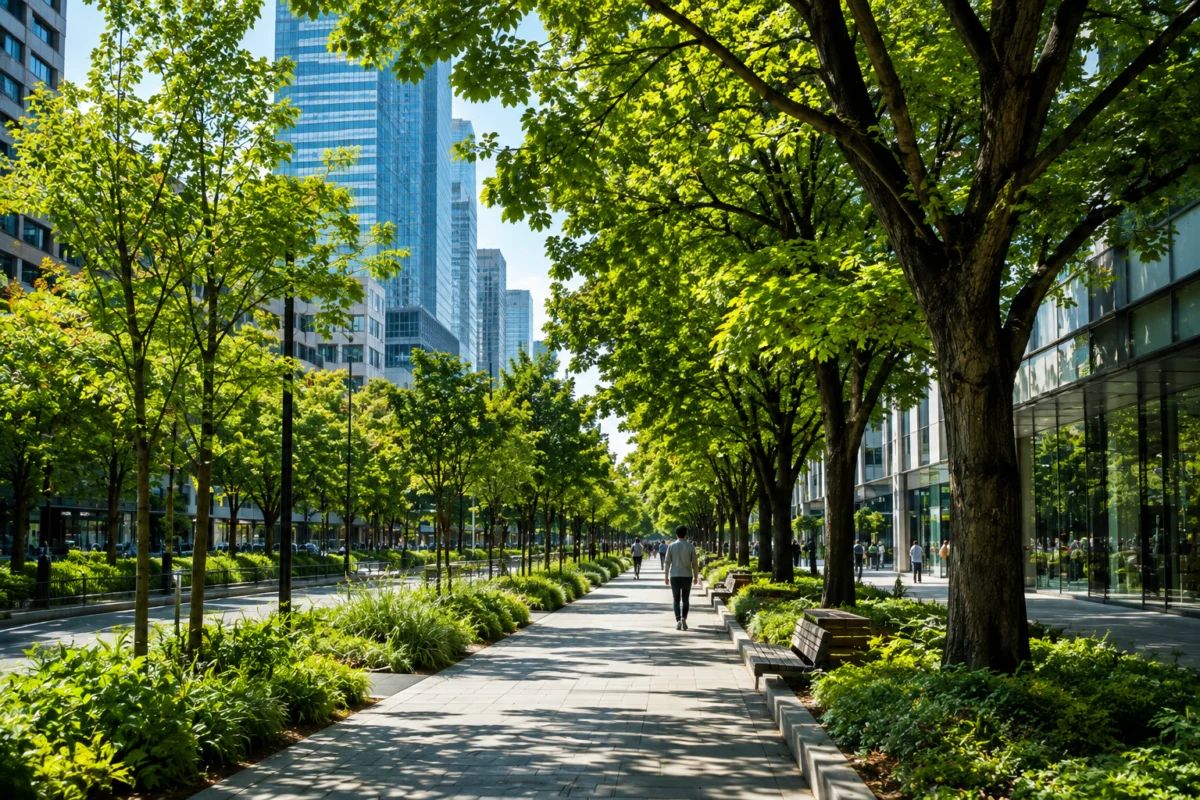
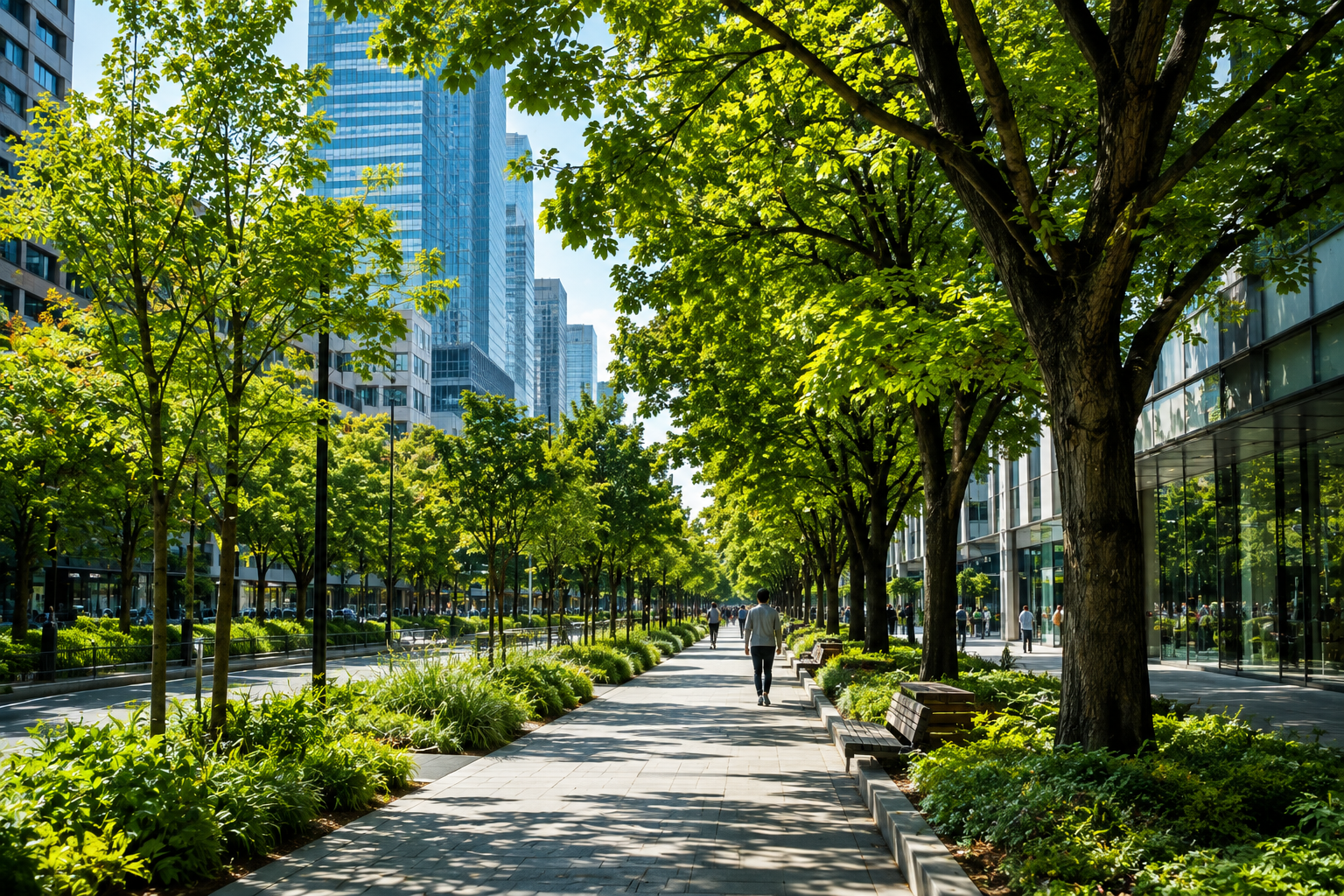
As global urbanization accelerates, with the United Nations projecting that nearly 70% of the world’s population will reside in urban centers by 2050, the battle for livable cities is increasingly being fought in the soil. No longer merely aesthetic flourishes or ornamental additions to city planning, trees are being recognized by urbanists and policymakers alike as critical pieces of "green infrastructure." From the concrete-heavy avenues of Chicago to the dense, sprawling metropolises of Southeast Asia, the integration of trees into the urban fabric has become a vital strategy for climate adaptation, public health, and environmental sustainability.
The Main Facts: Trees as Urban Engines
At their core, trees function as natural machines. While we have long understood their role in carbon sequestration, the modern urban tree serves a multifaceted purpose. They act as biological air filters, thermal regulators, and hydraulic systems that mitigate the risks posed by extreme weather.
The "urban heat island" effect—a phenomenon where concrete, asphalt, and building materials absorb solar radiation and trap it, creating pockets of heat significantly higher than surrounding rural areas—has become a top-tier public health concern. Trees combat this through two primary mechanisms: solar shading and evapotranspiration. By blocking direct sunlight from reaching pavement, they keep the ground cool; through the release of water vapor from their leaves, they actively lower the ambient air temperature.
Chronology of a Paradigm Shift
The shift toward valuing urban forests did not happen overnight. The history of the "Green City" movement can be viewed through several distinct phases:
- The 19th Century (Sanitary Reform): Following the industrial revolutions in Europe and North America, urban planners like Frederick Law Olmsted championed public parks as "the lungs of the city," intended to provide residents with respite from the smoke and filth of factories.
- The Mid-20th Century (The Concrete Era): As post-war infrastructure projects prioritized automobiles and highway connectivity, tree canopies were often sacrificed for road expansion, viewing greenery as a maintenance burden rather than a utility.
- The Early 2000s (The Climate Awakening): With the rise of modern climate science, researchers began quantifying the economic value of trees. Studies on stormwater runoff and cooling costs started appearing in academic journals, shifting the narrative from "beautification" to "risk mitigation."
- The Present Day (The Resilience Mandate): Today, cities are drafting "Master Tree Plans." These are no longer optional guidelines but mandatory frameworks integrated into municipal zoning and climate resilience portfolios.
Supporting Data: The Quantitative Impact
The environmental impact of urban trees is supported by a growing body of data. According to the U.S. Forest Service, a single mature tree can absorb hundreds of gallons of stormwater annually, significantly reducing the burden on aging municipal drainage systems.
In terms of air quality, the data is equally compelling. While trees are not a panacea for industrial pollution—and cannot replace the need for aggressive decarbonization of transport and energy sectors—they serve as vital "particulate traps." Leaves with high surface-area-to-volume ratios can capture fine particulate matter (PM2.5) that would otherwise enter the lungs of city dwellers.
However, the efficacy of these systems depends on species selection. Research has shown that deciduous trees with hairy or rough leaves are often more effective at capturing particulates than smooth-leafed conifers. Furthermore, the "canyon effect" of tall buildings can sometimes trap air pollutants at street level, meaning that urban foresters must be strategic about where they plant to ensure air circulation is not inadvertently hindered.
Official Responses: From Municipalities to International Policy
Cities globally are now codifying tree protection into law. In places like Singapore, the "City in Nature" initiative is a government-mandated vision that treats the entire urban space as a biological habitat rather than a series of isolated parks.
In North America, many cities have implemented "Canopy Cover Targets." For example, various municipalities have set goals to reach 30% or 40% tree canopy coverage by 2040. These policy responses often include:
- Ordinances against clear-cutting: Strengthening protections for legacy trees, which provide disproportionately higher ecosystem services compared to saplings.
- Incentive Programs: Offering tax breaks or grants to private landowners who maintain mature tree cover on their property.
- Permeability Mandates: Requiring new developments to include green infrastructure, such as rain gardens and bioswales, to manage water on-site.
The Biodiversity Connection: Connecting the Corridors
Beyond human benefits, the urban forest is a critical sanctuary for biodiversity. In a world of fragmented landscapes, urban parks and tree-lined streets act as "ecological corridors." These pathways allow pollinators, birds, and small mammals to migrate through otherwise hostile environments.
The importance of mature trees cannot be overstated. A sapling provides little in the way of nesting cavities for birds or habitat for complex fungal networks. The preservation of "old-growth" urban trees is therefore an urgent conservation priority. Urban ecologists are increasingly focused on "connectedness"—ensuring that a park in one neighborhood is ecologically linked to a riverbank or a street-tree network in another, allowing for genetic flow and species movement.
Quality of Life: The Social Dimension
The psychological and social implications of urban greenery are profound. "Biophilia"—the innate human desire to connect with nature—is increasingly backed by clinical evidence. Residents living in neighborhoods with high tree canopy density report lower stress levels, improved mental health outcomes, and increased physical activity.
When a street is shaded, it becomes a social space. It encourages "active transport," such as walking or cycling, which has a ripple effect on public health by reducing obesity and heart disease. Furthermore, green spaces act as social equalizers, providing high-quality outdoor environments for those who may not have access to private gardens or vacation homes.
The Future: Long-Term Maintenance and Climate Adaptation
The most significant challenge facing urban forestry is not simply planting trees, but ensuring their survival. The "plant it and forget it" mentality has led to high mortality rates for young trees in harsh urban environments.
Sustainable urban forestry requires a three-pronged approach:
- Species Diversification: To protect against the pests and pathogens that thrive in a warming climate, cities must move away from monocultures. A diverse urban forest is a resilient one.
- Soil and Water Stewardship: Trees require vast, uncompacted soil volumes. Future infrastructure design must prioritize "structural soils" and underground utility coordination to allow root systems to flourish without damaging sidewalks.
- Maintenance Culture: The most effective trees are those that reach maturity. This requires ongoing investment in irrigation, pruning, and health monitoring.
Conclusion: A Green Future
As we look toward the middle of the century, the challenge of urban development will not be found in how many skyscrapers we can construct, but in how effectively we can weave nature into those structures. The urban forest is not a decorative afterthought; it is a vital, living technology.
By protecting our mature trees, investing in strategic planting, and viewing every street as a component of a larger ecosystem, we can transform our cities from heat-trapping concrete jungles into cool, breathable, and resilient habitats. Bringing nature back into the city is not just a trend—it is a necessity for the health and longevity of the urban experiment itself.
Rosemary Potter is a Chicago-based journalist for Sustainability Times, covering global sustainability challenges, environmental policy, science, business, and climate resilience. Trained in journalism in the U.S., she blends investigative depth with a global perspective. Her reporting amplifies voices driving change across borders, industries, and ecosystems.