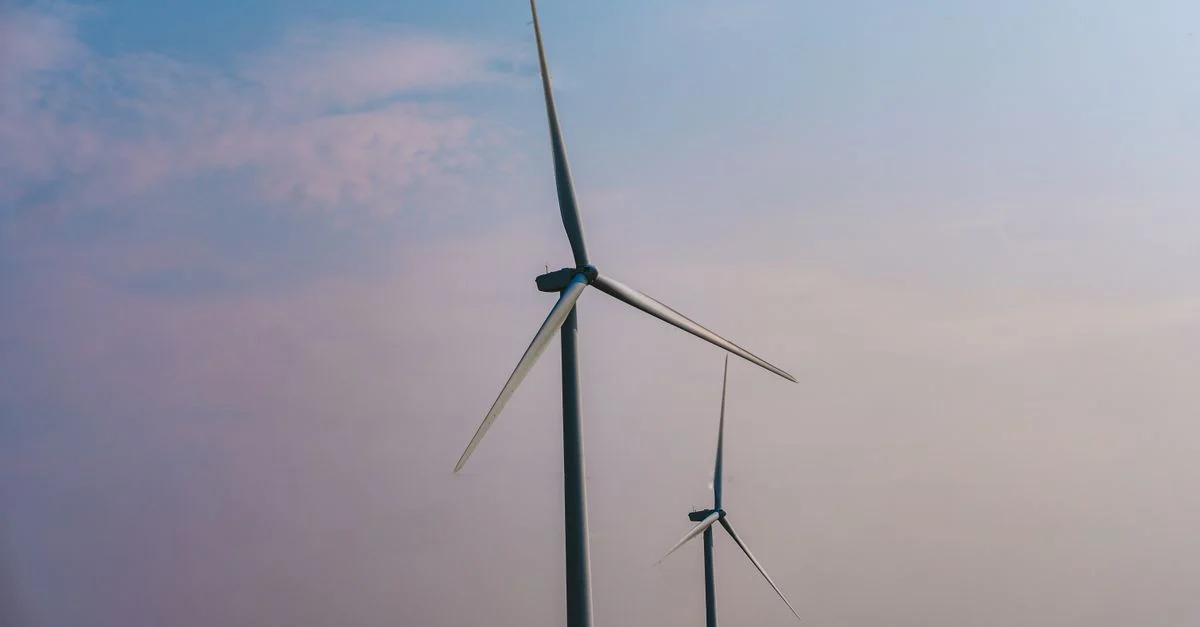
For nearly a century, the pulse of the global economy has been dictated by the extraction and combustion of fossil fuels. Coal, oil, and natural gas provided the foundational energy that powered the industrial revolution, built modern transport networks, and facilitated the rise of the global middle class. Yet, this reliance came with a heavy price: the destabilization of the climate and a precarious dependency on a handful of energy-exporting nations.
Today, that paradigm is shifting. The rapid, unprecedented deployment of renewable energy technologies—solar photovoltaics, wind turbines, and advanced storage systems—is no longer just an environmental imperative. It is a fundamental economic and geopolitical transformation, reshaping how nations interact and how industries compete.
Main Facts: The Pillars of the New Energy Order
The transition to renewables is built on a trifecta of necessity: decarbonization, energy security, and industrial competitive advantage.
At its core, the shift is about moving away from fuel-intensive generation. Unlike fossil-fuel power plants, which require the constant procurement and burning of coal or gas, solar and wind assets are capital-intensive but fuel-free. Once a wind farm or a solar array is commissioned, the primary input—the wind or the sun—is free and infinite.
However, this transition is not merely about "green energy." It is about electrification. As the world moves to electrify transportation (EVs), home heating (heat pumps), and industrial processes (green hydrogen and arc furnaces), the total demand for electricity is projected to climb steeply. Consequently, the challenge is twofold: we must replace aging fossil-fuel capacity while simultaneously building enough new, clean capacity to meet a surge in total electricity consumption.
Chronology of the Transition
The evolution of renewable energy has unfolded in distinct stages:
- 1990s–2000s: The Niche Phase. Renewable energy was largely viewed as an expensive, subsidized experiment. Technologies were nascent, and efficiency rates were low.
- 2010–2015: The Cost-Curve Collapse. Through economies of scale and manufacturing breakthroughs, the cost of solar panels plummeted by over 80%. This period marked the shift from "alternative" to "cost-competitive."
- 2016–2020: The Integration Challenge. With high penetration rates in countries like Germany and Denmark, the focus shifted from simple generation to grid stability, leading to the rise of lithium-ion battery storage.
- 2021–Present: The Strategic Realignment. Geopolitical volatility, most notably the energy crises following regional conflicts, catalyzed a shift. Energy independence moved from an environmental goal to a national security priority. Governments began implementing industrial policies to "onshore" the supply chains for green tech.
Supporting Data: The Economics of the Shift
The metrics of the energy transition are as compelling as they are daunting. According to industry analysis, solar and wind power are now the cheapest forms of new electricity generation in over two-thirds of the world’s population.
Critical Infrastructure Metrics:
- Capacity Expansion: Annual renewable capacity additions reached record highs in 2023, exceeding 500 gigawatts globally.
- Investment Flows: Global investment in clean energy now significantly outpaces spending on fossil fuels, with over $1.7 trillion allocated annually to renewables, grids, and storage.
- Mineral Dependency: The transition requires a massive increase in the extraction of critical minerals. For instance, the demand for lithium is expected to increase by over 40-fold by 2040 to satisfy battery manufacturing requirements.
The economic argument is further bolstered by the Levelized Cost of Electricity (LCOE). When accounting for the full lifespan of a project, renewables consistently undercut gas-fired plants. However, the data also reveals a "system cost" gap. As variable sources like wind and solar increase their share of the grid, the costs of balancing—investing in battery storage, pumped hydro, and transmission upgrades—become an increasingly larger slice of the total energy bill.
Official Responses and Industrial Strategy
Governments worldwide are no longer playing the role of passive regulators; they have become active participants in industrial strategy.
In the United States, the Inflation Reduction Act (IRA) represents the largest climate investment in history, utilizing tax credits to attract manufacturing facilities for batteries and solar components. Similarly, the European Union’s Green Deal Industrial Plan aims to simplify regulatory frameworks and mobilize funding to compete with global manufacturing giants.
The Rise of "Green" Geopolitics
Official state rhetoric has shifted. Energy ministers now speak of "strategic autonomy." The reliance on globalized, fragile supply chains for critical minerals (lithium, copper, nickel, cobalt) has sparked a "race to the bottom" in terms of trade barriers and a "race to the top" in terms of innovation incentives.
- China’s Leadership: China currently dominates the solar module and battery supply chains, leading to intense competition as Western nations attempt to build domestic manufacturing capabilities.
- Regional Policy: Emerging economies are increasingly viewing renewable energy as a way to bypass the expensive, centralized fossil-fuel infrastructure that defined the 20th century, opting instead for distributed micro-grids and decentralized generation.
Implications: The Road Ahead
The energy transition is not a linear progression; it is a systemic overhaul. The implications of this shift are profound and touch every corner of the global economy.
1. The Grid as the Great Bottleneck
The biggest physical constraint on the energy transition is not the lack of sun or wind, but the lack of transmission. Renewable projects are often located in remote areas, far from the urban centers where power is consumed. The permitting process for high-voltage transmission lines has become a primary bottleneck. Without a modernized, "smart" grid that can handle bidirectional power flows and balance intermittency, the full potential of renewables will remain stranded.
2. The Storage Imperative
As the share of variable renewable energy (VRE) grows, the role of storage becomes paramount. Battery storage is the front-line solution, but long-duration storage—such as green hydrogen or advanced pumped hydro—is essential for seasonal reliability. The market for these technologies is still in its infancy, representing the next frontier for venture capital and government research grants.
3. A Diverse Energy Mix
The transition does not necessarily mean the end of all conventional power. Many nations are finding that a "mixed" approach is most resilient. Nuclear power, for instance, is seeing a renaissance as a reliable, baseload source of zero-carbon electricity. Natural gas, while a fossil fuel, is increasingly viewed as a "bridge" to manage grid stability during the peak transition years, provided that carbon capture and storage (CCS) technologies are successfully deployed.
4. The Human and Environmental Cost
Finally, the transition requires a massive increase in mining activity. The environmental footprint of mining for copper and lithium is significant, creating a tension between the goal of a cleaner atmosphere and the reality of localized land and water degradation. Furthermore, the workforce transition—moving from fossil-fuel-reliant sectors to green-tech manufacturing—poses a significant challenge for labor unions and policymakers alike.
Conclusion: A New Economic Paradigm
The energy transition has crossed a point of no return. Renewable energy has evolved from an environmental cause into the bedrock of modern industrial policy and national security. The question for the coming decade is no longer whether we will transition to a cleaner energy system, but how efficiently and equitably we can manage the chaos of that transformation.
For policymakers, the challenge lies in balancing the immediate need for affordable energy with the long-term requirement for sustainable, domestic power. For businesses, the opportunity lies in the massive capital deployment required to rewire the world. As we look forward, it is clear that the nations that master the integration of variable renewables—through better grids, smarter storage, and more robust supply chains—will be the ones that define the economic landscape of the 21st century.
The transition is indeed a long-term undertaking, marked by complexity and uncertainty. Yet, the trajectory is set. The future is electric, and the infrastructure to support it is the most significant construction project of our time.