As the United States emerges from the long shadow of the COVID-19 pandemic, the national economy presents a paradoxical landscape. While macroeconomic indicators often point toward a robust recovery, the ground-level reality for employers and workers alike reveals a complex, fragmented, and often contradictory environment. From record-breaking GDP growth to the stifling weight of inflationary pressure, the American economy is currently defined by a "great mismatch"—a disconnect between where we were, where we are, and where the labor market is heading.

The Macroeconomic Backdrop: A Tale of Two Realities
The economic narrative of the early 2020s has been characterized by sharp volatility. On one hand, the recovery has shown immense resilience. Gross Domestic Product (GDP) surged by 6.9% in the final quarter of 2021, a testament to the pent-up demand unleashed as vaccination efforts ramped up and lockdown measures eased. This momentum carried into early 2022, fueled by sustained consumer spending that suggested a population ready to re-engage with the broader economy.
However, this growth has come at a significant cost. The Consumer Price Index (CPI) has consistently signaled record-level, year-over-year inflation. As prices for essential goods and energy climbed, the U.S. Federal Reserve was forced to shift its monetary policy, initiating a series of interest rate hikes designed to temper the economy and curb runaway inflation. This balancing act—slowing growth just enough to stop price hikes without triggering a recession—remains the central challenge for policymakers today.
Compounding these domestic hurdles are global supply chain disruptions that have refused to dissipate. Lingering pandemic-related lockdowns in manufacturing hubs in China, the ongoing geopolitical instability caused by the war in Ukraine, and sustained high energy prices have created a "perfect storm" for businesses attempting to plan for the future.
Chronology: The Evolution of the Labor Crisis
The trajectory of the labor market since 2020 offers a clear timeline of this upheaval:
- Spring 2020: The onset of the pandemic caused an immediate, unprecedented collapse in labor demand. Unemployment spiked, and businesses across the country shuttered or pivoted to remote work.
- Late 2020 – 2021: As the economy began its initial reopening phase, a surge in hiring failed to keep pace with the sudden explosion of job openings. The "Great Resignation" began to take shape as workers re-evaluated their career paths, citing burnout, wage stagnation, and a desire for better working conditions.
- Early 2022: The unemployment rate officially fell to 3.6%, a level reminiscent of February 2020. However, the labor force participation rate remained stubbornly low. This created a paradoxical situation: record-low unemployment combined with a desperate shortage of available workers.
- Late 2022 – 2023: The market began to settle into a "new normal." While hiring remains high, the structural issues of labor retention and the geographic disparity of job availability have become the dominant themes of the modern workforce.
Supporting Data: The Widening Gap
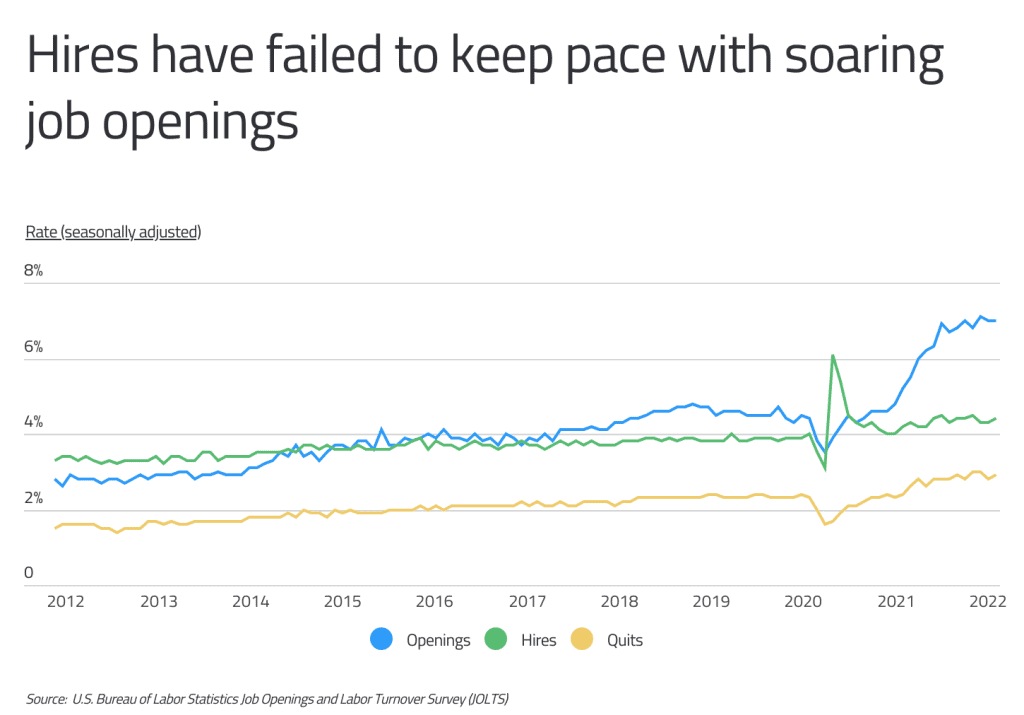
Data from the U.S. Bureau of Labor Statistics (BLS), specifically the Job Openings and Labor Turnover Survey (JOLTS), provides the empirical evidence for this labor shortfall. Since the depths of the 2020 shutdowns, when the job opening rate plummeted to 3.5%, the figure has doubled to reach 7%.
While the hiring rate has consistently exceeded 4%—a robust figure by historical standards—it has proven insufficient to close the chasm created by the sheer volume of open roles. Furthermore, the "quit rate," hovering around 3%, indicates that employers are not only failing to attract new talent but are also hemorrhaging existing staff.
Industry-Specific Vulnerabilities
The statistics are far from uniform across the board. The "overall" labor market hides deep fissures:
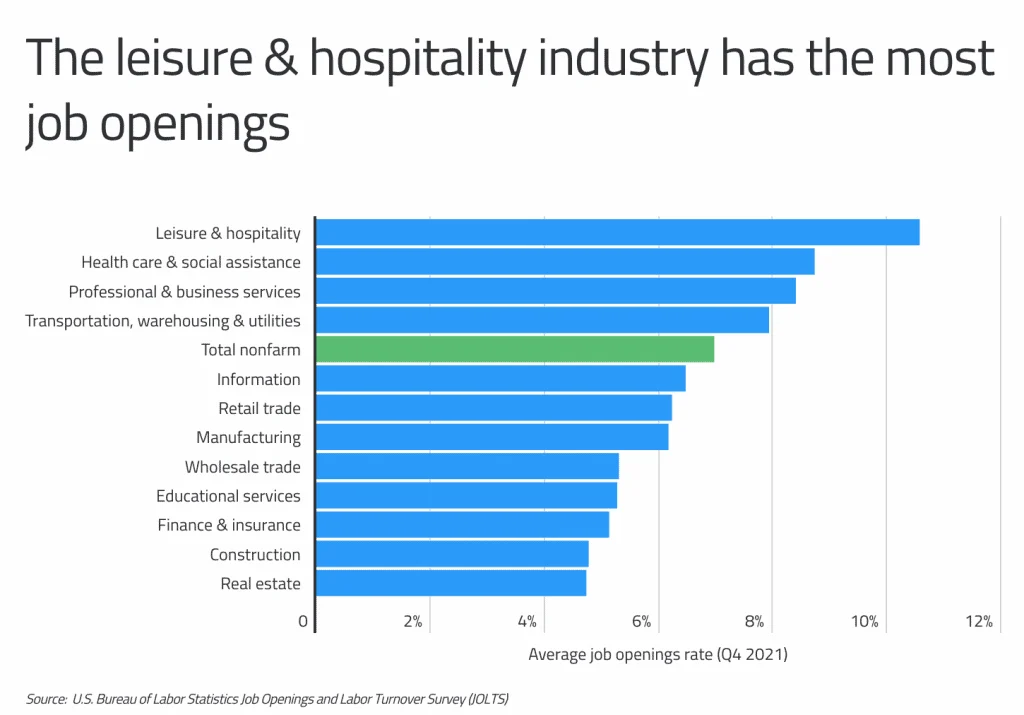
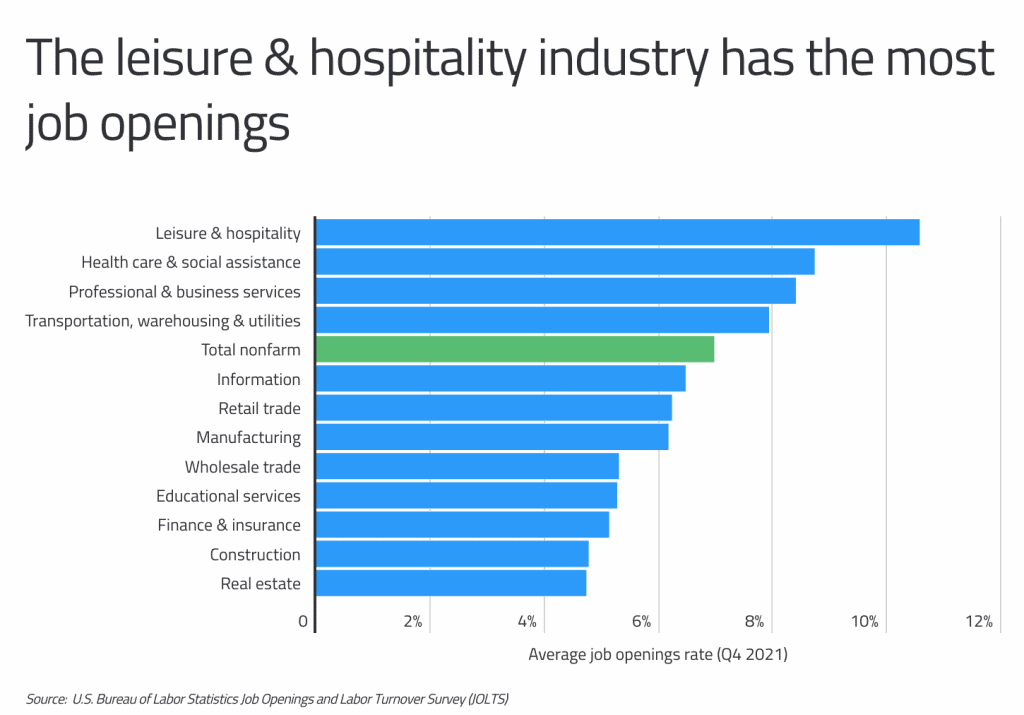
- Leisure and Hospitality: With a job openings rate of 10.57%, this sector has been hit hardest. Chronic low wages and high volatility have driven workers to seek employment in more stable industries.
- Health Care and Social Assistance: At 8.73%, the healthcare sector continues to struggle with the physical and mental exhaustion of its workforce following the frontline demands of the pandemic.
- Construction and Real Estate: By contrast, these sectors show more stability, with job opening rates below 5.00%, suggesting a more balanced equilibrium between supply and demand.
Geographic Disparities
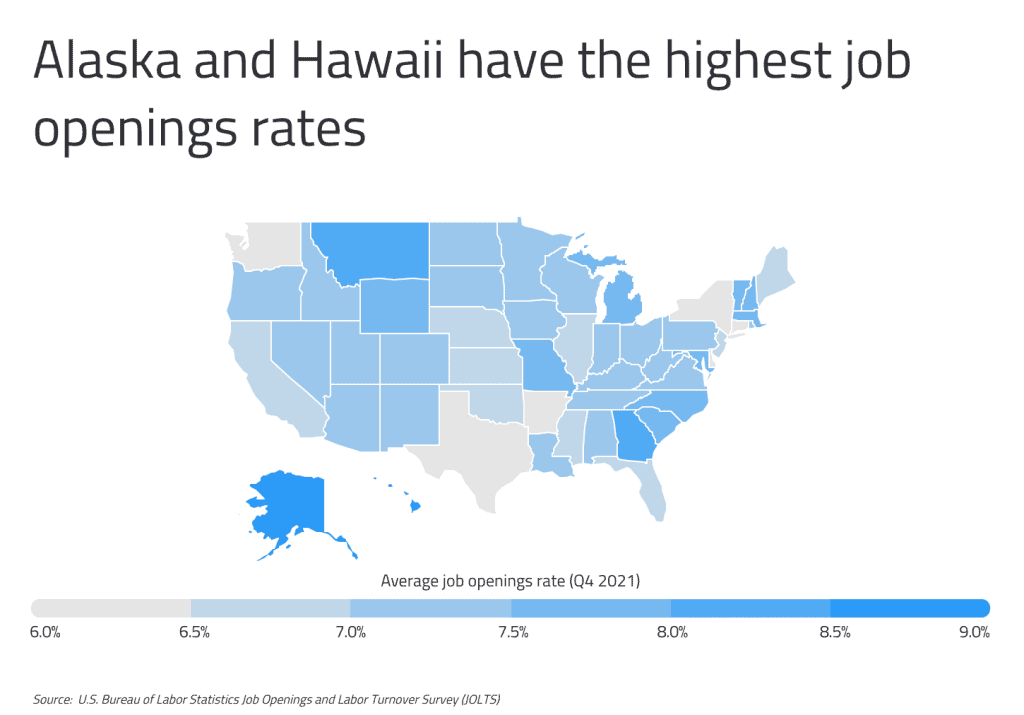
Geography plays a decisive role in labor market health. Remote or less populated states like Alaska (9.00% job openings) and Hawaii (8.60%) face unique recruitment challenges, often struggling to attract workers to regions with higher costs of living or limited population density. Conversely, rapidly growing economic hubs like Washington (6.13%) and Texas (6.47%), as well as densely populated centers like New York (6.17%), exhibit lower opening rates, suggesting a more fluid, albeit competitive, labor environment.
Official Responses and Federal Oversight
The Federal Reserve has been the most vocal entity in addressing these imbalances. By raising interest rates, the Fed aims to reduce the "excess demand" for labor that has contributed to wage-push inflation. The logic is that by cooling the economy, the hyper-competition for workers will subside, allowing for a more sustainable, albeit slower, pace of wage growth.
Labor experts and economists remain divided on the efficacy of these measures. Some argue that the labor shortage is structural—driven by an aging population and a permanent shift in worker priorities—rather than cyclical. If this is the case, traditional interest rate hikes may be ill-equipped to "solve" the problem, potentially leading to unnecessary economic cooling without addressing the root cause: the decline in labor force participation.
Implications for the Future: A Shifting Power Dynamic
The implications of this period are profound. We are witnessing a fundamental shift in the power dynamic between employer and employee. The "Great Resignation" was not merely a temporary trend; it was a wake-up call for corporations.
1. The Compensation Revolution
To attract talent in a high-inflation environment, companies are being forced to do more than increase hourly wages. We are seeing a move toward holistic benefits packages, including flexible work arrangements, mental health support, and professional development opportunities. The "price" of labor has effectively risen to reflect the scarcity of the worker.
2. The Technological Imperative
Faced with a permanent shortage of human capital, industries—particularly in logistics, hospitality, and manufacturing—are accelerating their investment in automation and AI. If a business cannot find the people to perform a task, they are increasingly turning to machines to fill the void, which may permanently alter the structure of the American workforce over the next decade.
3. The Geographic Reshuffling
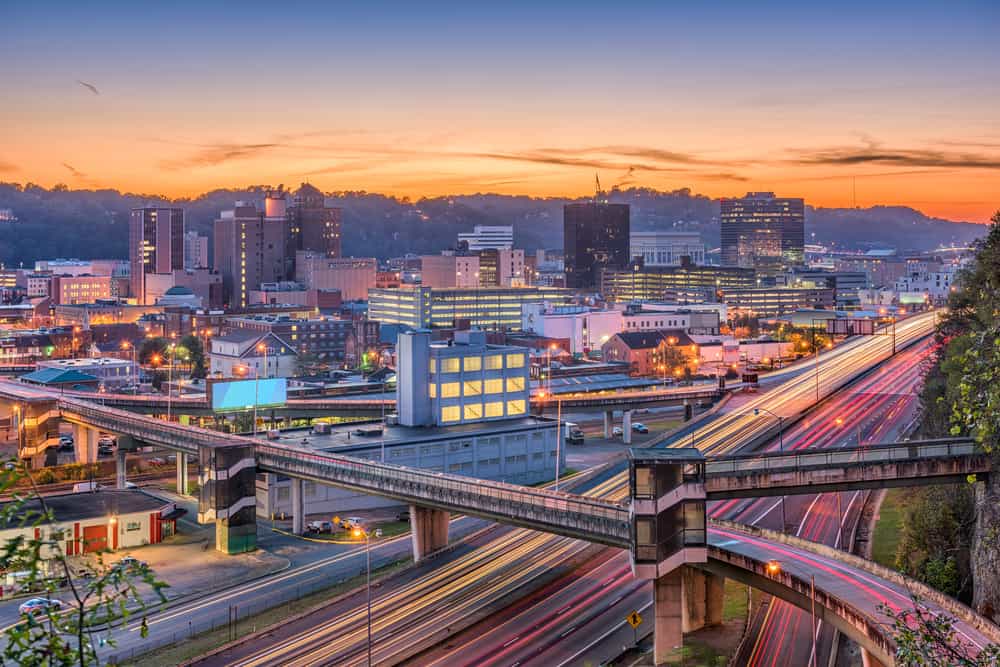
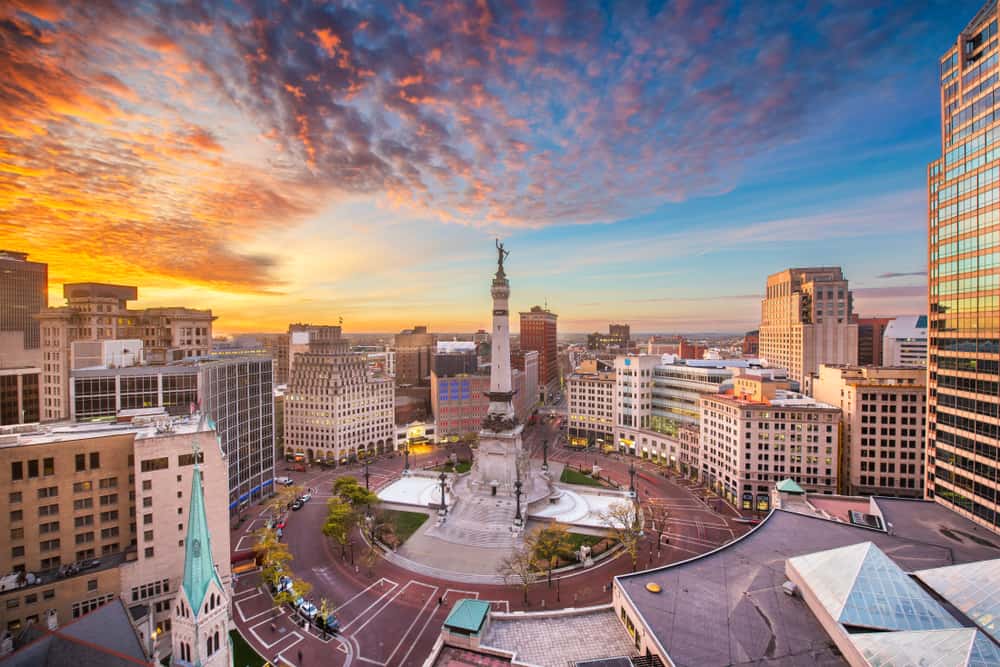
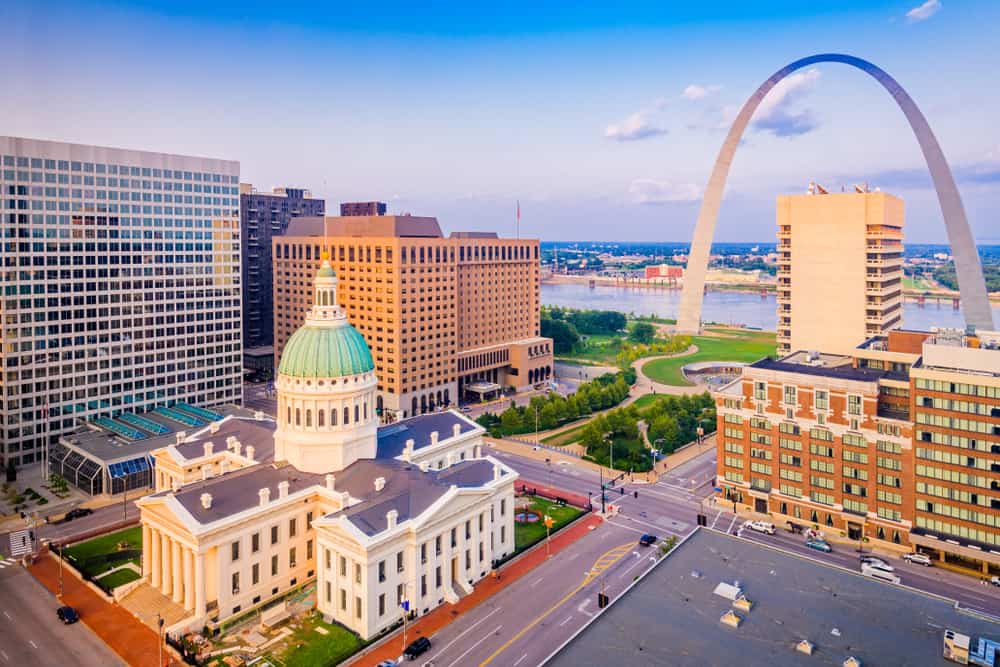
The remote-work revolution has decoupled the job from the location. This has massive implications for state-level economies. States like West Virginia, Indiana, and Missouri, which historically struggled to retain local talent, now have the potential to attract remote workers who are no longer tethered to major metropolitan hubs. This geographic redistribution is likely to act as a long-term equalizer for regional economies.
Conclusion: A Persistent Mismatch
The U.S. economy currently stands at a crossroads. While the aggregate numbers suggest a return to normalcy, the internal mechanics of the labor market reveal a system in transition. The "Great Mismatch" is not a temporary symptom of the pandemic but a reflection of a changing society.
As we look toward the future, the success of the American economy will depend on our ability to bridge this gap. This will require not just monetary policy adjustments, but a reimagining of the workplace, a commitment to upskilling the current labor force, and a recognition that the "standard" worker of 2019 no longer exists. The challenge for the coming years will be to ensure that the recovery is not just measured in GDP, but in the stability, satisfaction, and long-term viability of the workforce that powers it.
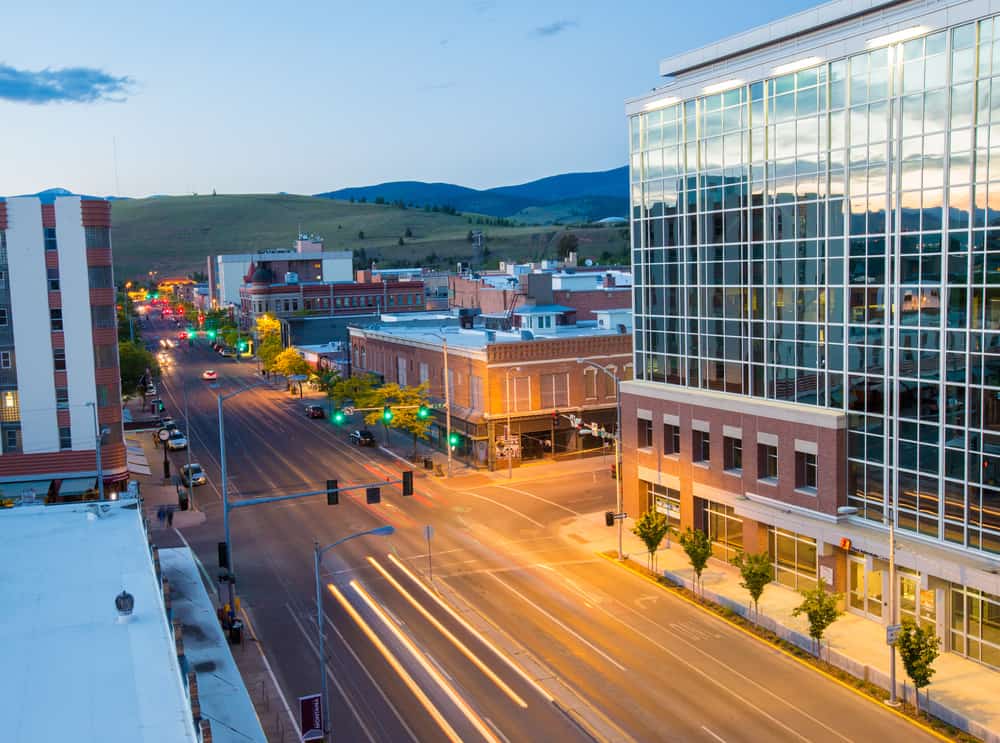
Top 15 States by Job Openings (Summary Table)
| Rank | State | Contextual Factors |
|---|---|---|
| 1 | Alaska | High reliance on seasonal, remote labor |
| 2 | Hawaii | Tourism-heavy; high cost-of-living impacts |
| 3 | Montana | Geographic isolation affects recruitment |
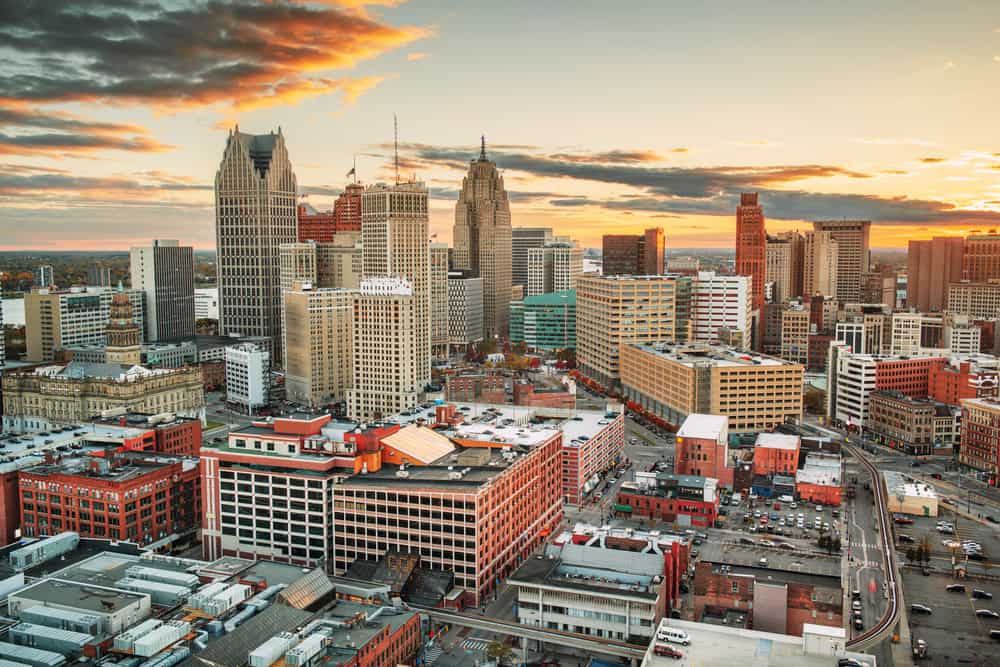
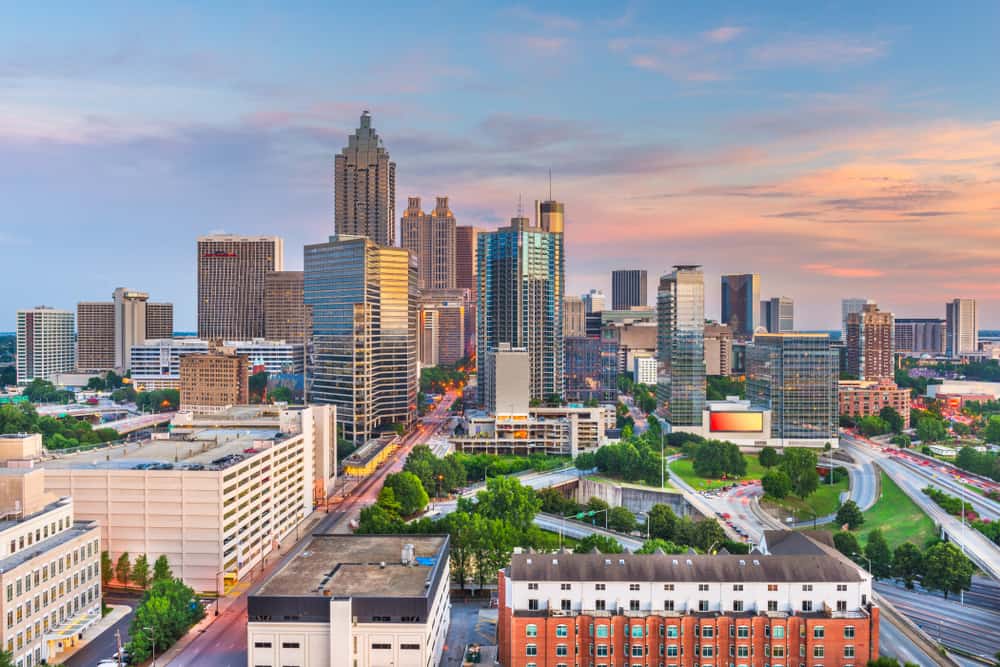
| 4 | Georgia | Rapid urban expansion vs. rural labor shortages |
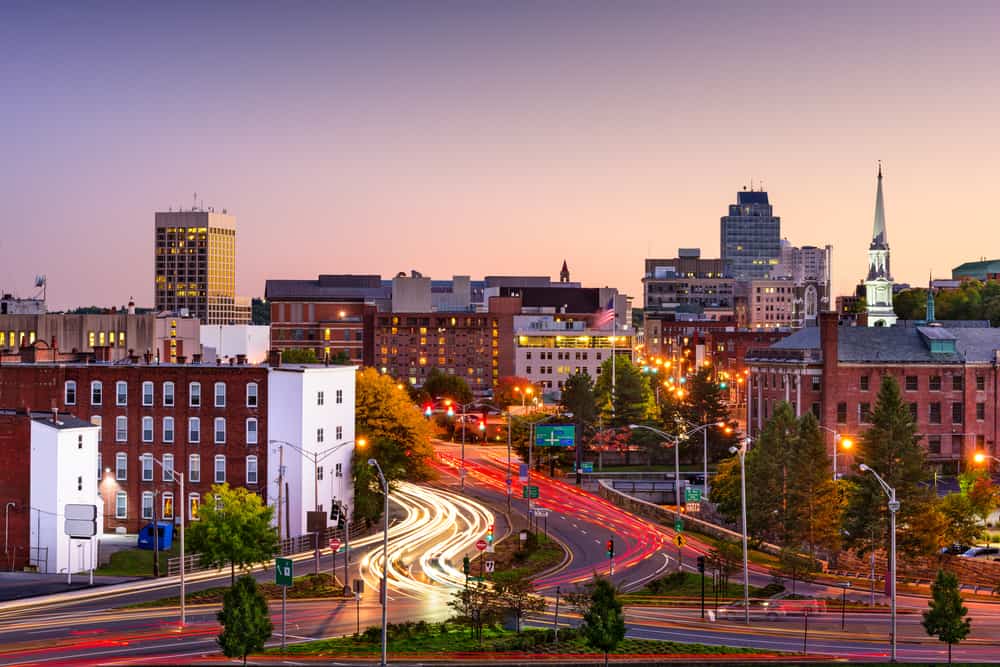
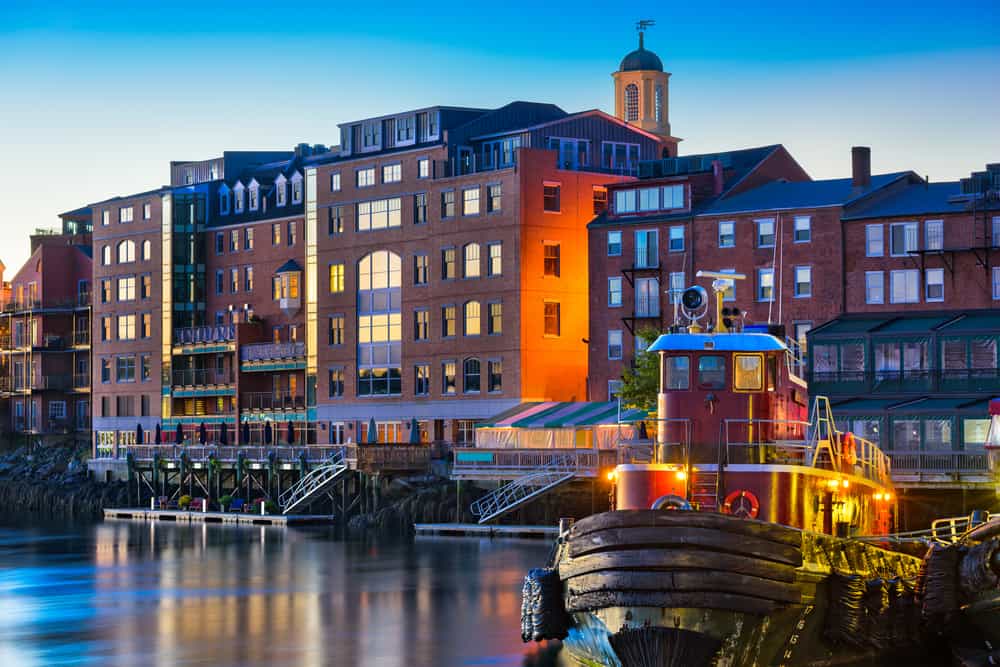
| 5 | New Hampshire | Competitive market in a high-cost region |
| 6 | Wyoming | Energy-sector volatility |
| 7 | Michigan | Manufacturing-to-tech transition strain |
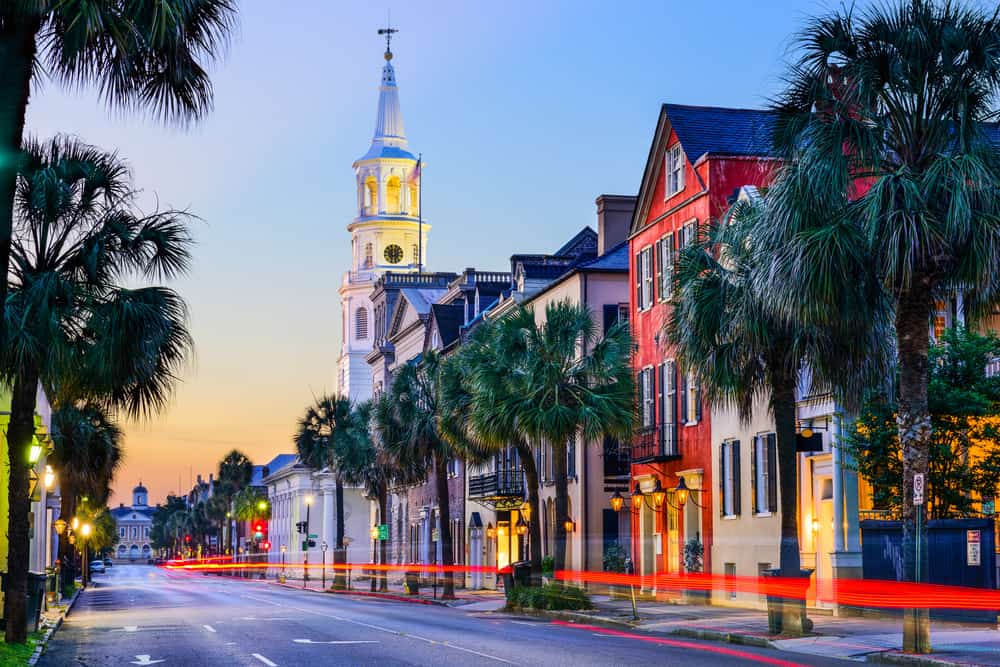
| 8 | South Carolina | Growing industrial base; competitive hiring |
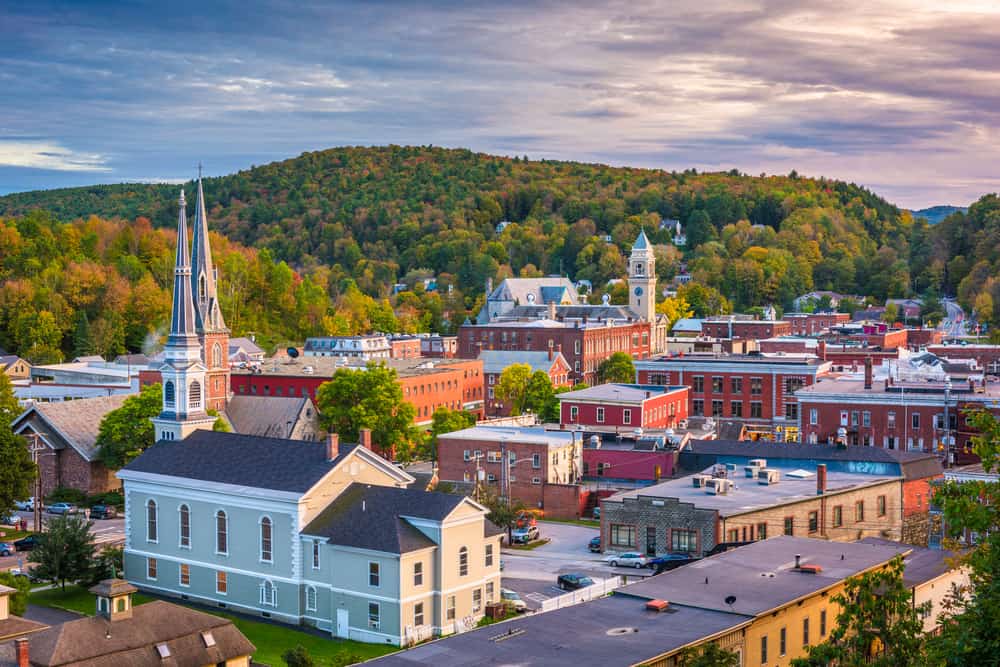
| 9 | Vermont | Limited labor pool; remote work challenges |
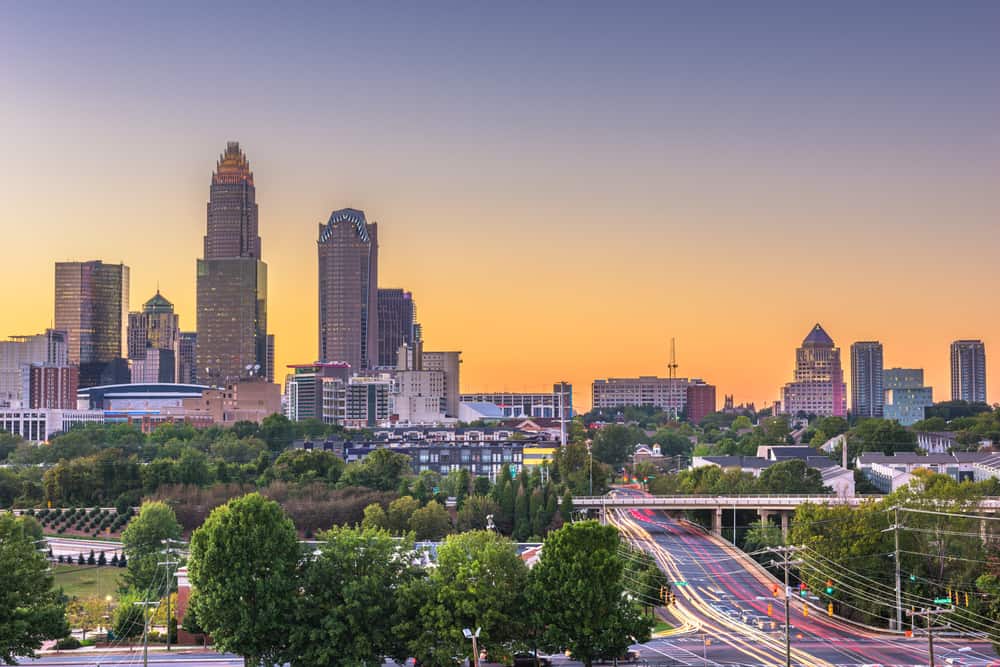
| 10 | Missouri | Regional hub struggles with retention |
| 11 | North Carolina | Rapidly growing technology and research sectors |
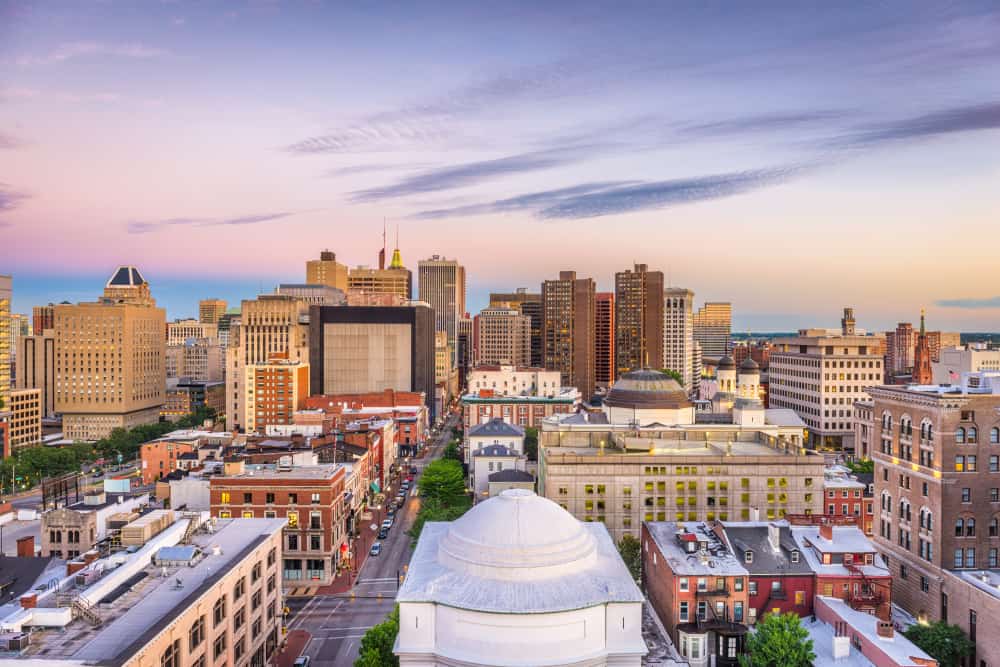
| 12 | Massachusetts | High demand in life sciences/education |
| 13 | Maryland | Proximity to federal hub impacts local demand |
| 14 | Indiana | Industrial and manufacturing demand peaks |
| 15 | West Virginia | Long-term demographic and labor shifts |
Methodology: The data used in this analysis is derived from the U.S. Bureau of Labor Statistics (BLS) Job Openings and Labor Turnover Survey (JOLTS). Researchers calculated the average job openings rate for the fourth quarter of 2021. Ties were broken by the total number of job openings.