The modern user onboarding process is often misunderstood as a hurdle to be cleared—a series of "welcome" screens, feature tours, and dense setup checklists that stand between the user and the actual product. However, the most effective onboarding strategies operate on a different philosophy: moving a user from first contact to a tangible result without forcing them to "study" the software first.
True onboarding reduces uncertainty, illuminates the next logical step, and allows the user to build proficiency through the work itself. When onboarding is done well, it disappears into the interface, turning abstract product mechanics into purposeful, measurable progress.
The Legacy of Hidden Lessons: Microsoft’s Masterclass
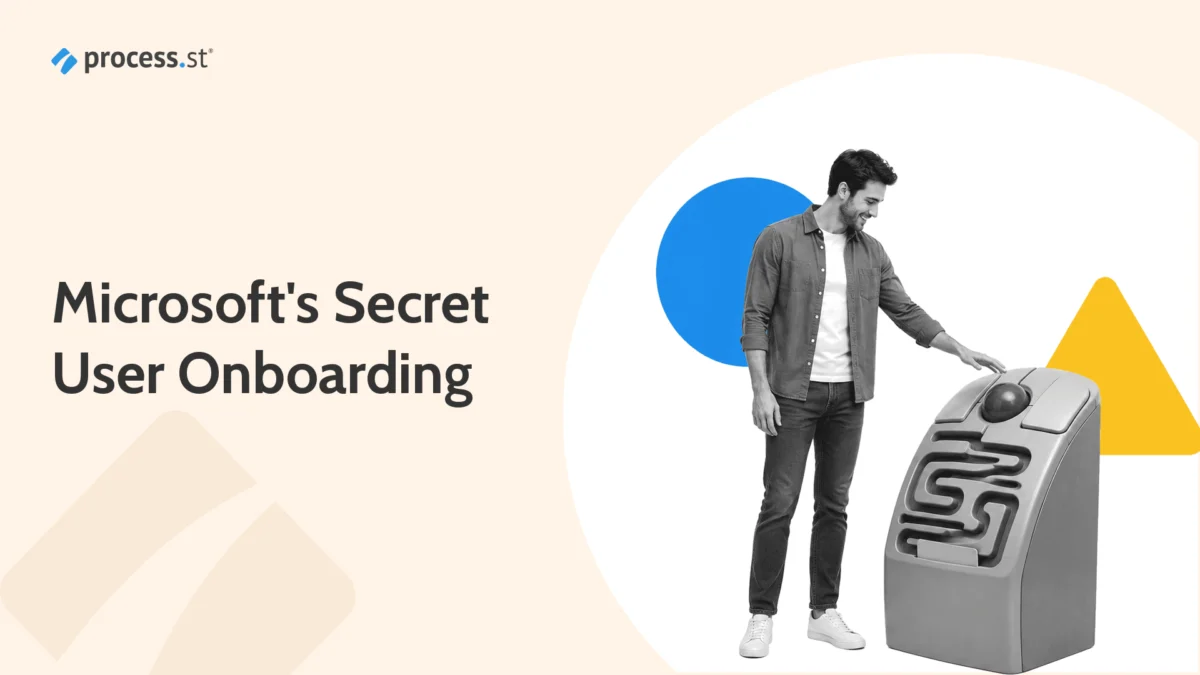
Perhaps the most famous example of "stealth" onboarding in computing history is not a professional SaaS suite, but the bundled games of early Windows. For decades, users viewed Minesweeper, Solitaire, and Hearts as simple entertainment to kill time in the office. In reality, these games were sophisticated training modules designed to bridge the chasm between command-line computing and the graphical user interface (GUI).
The Chronology of GUI Adoption
In the early 1990s, the computing world was in flux. Users who had spent years typing syntax into MS-DOS were suddenly confronted with Windows 3.1. This transition required a fundamental shift in motor skills and mental models.
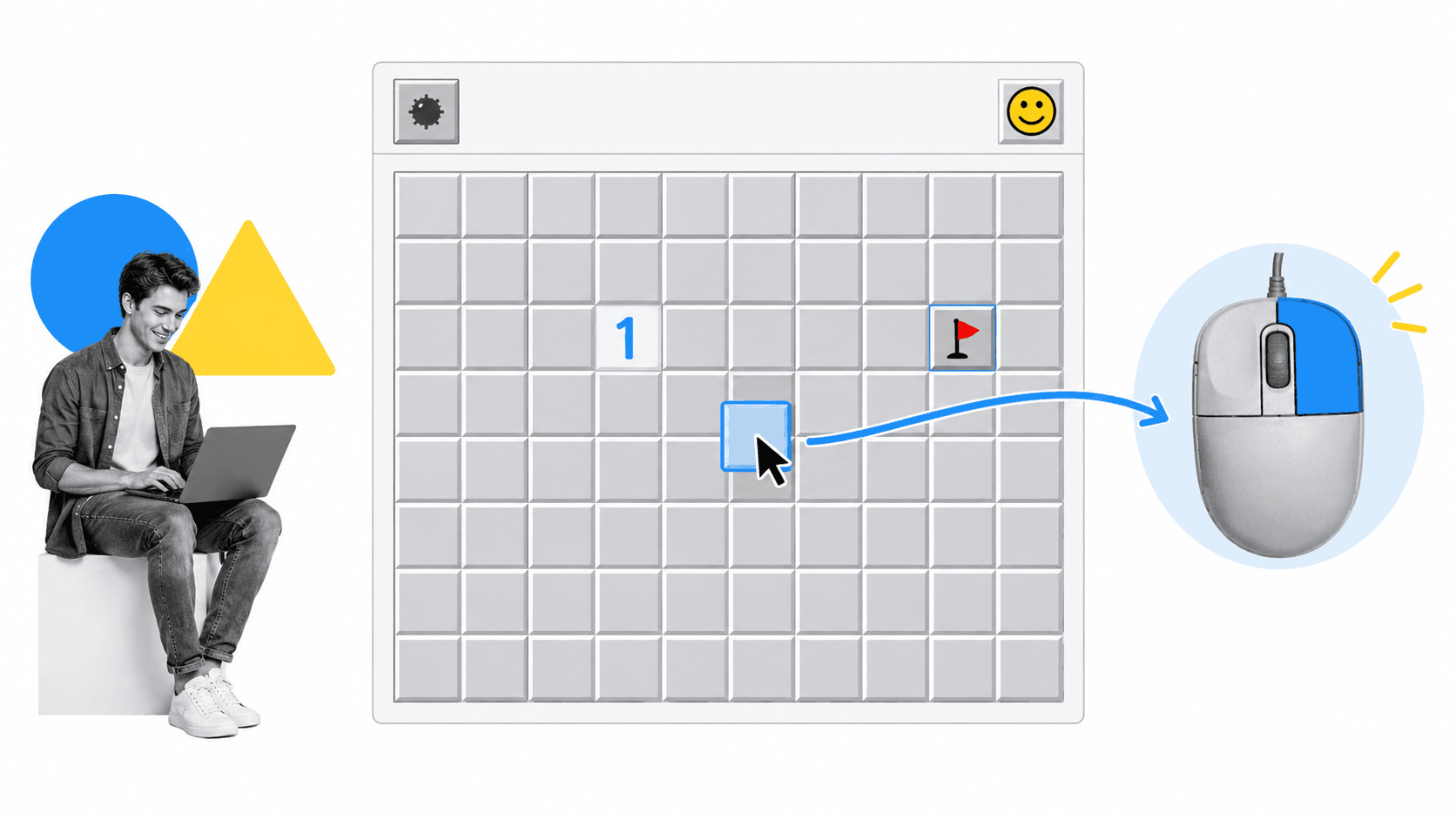
- Minesweeper: Introduced users to the nuance of the mouse. By requiring both a left-click (to clear a square) and a right-click (to flag a mine), it taught precision and the critical difference between primary and secondary inputs.
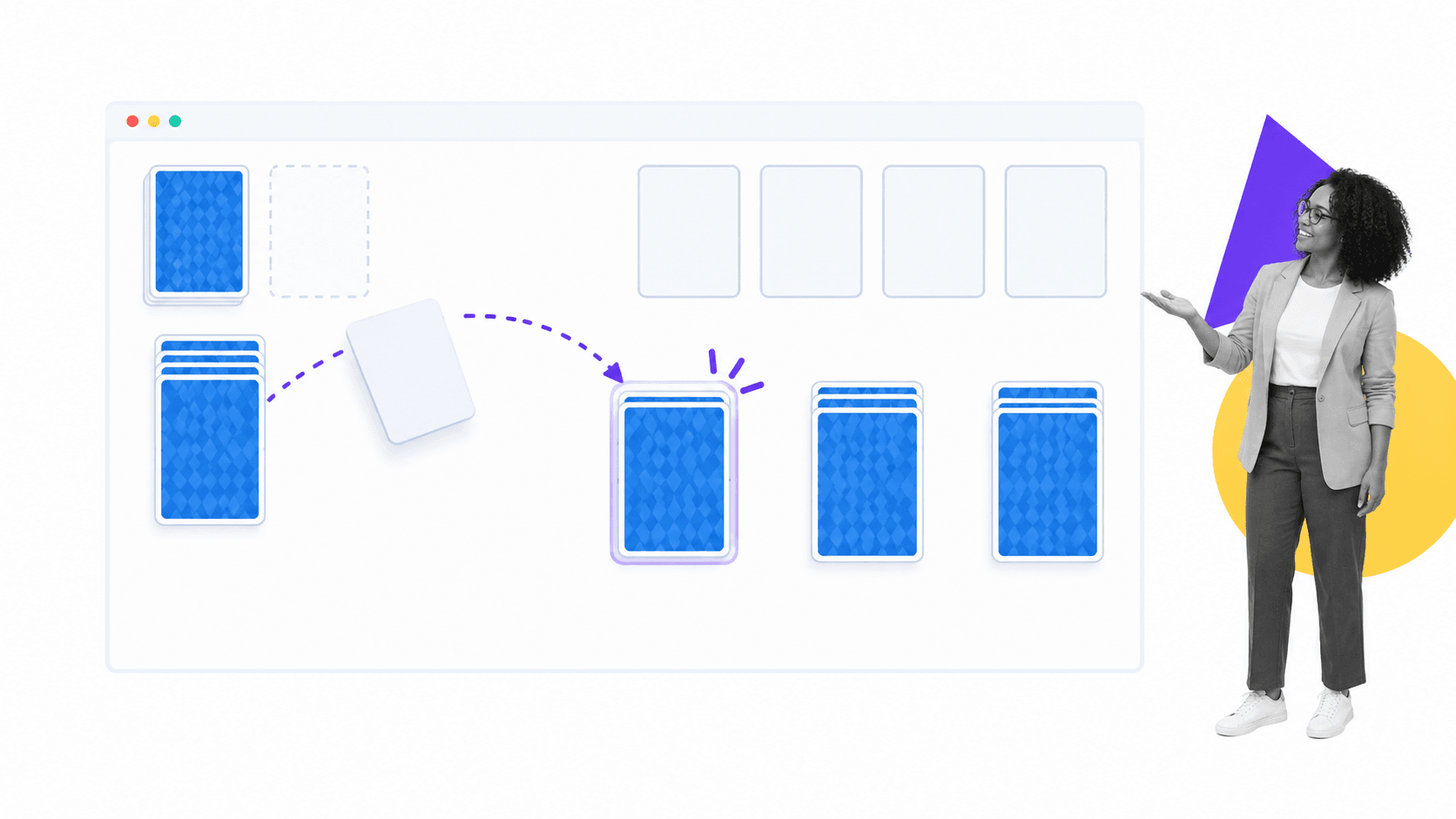
- Solitaire: This was the primary vehicle for mastering "drag-and-drop." In the command-line era, data was moved by command. In the GUI, it was moved by physical gesture. Solitaire made this interaction feel natural and rewarding, embedding the habit of clicking, holding, and releasing into the user’s muscle memory.
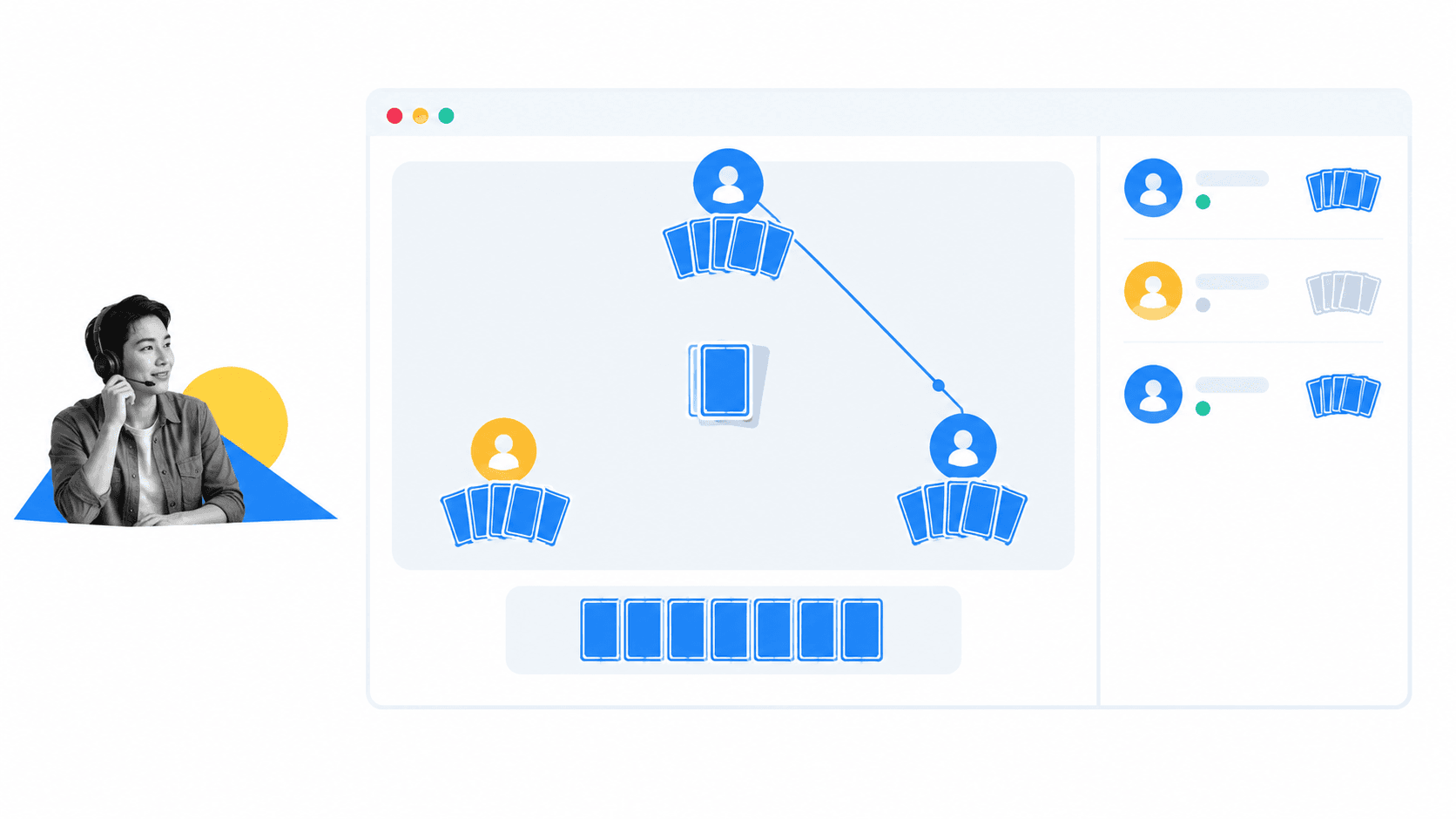
- Hearts: With the advent of Windows for Workgroups, Microsoft needed to teach users the concept of network connectivity. Hearts allowed users to play against others on the same local network, turning the abstract idea of "shared state" into a concrete, interactive experience.
These games were not mere distractions; they were intentional design choices that minimized the learning curve of a radical new operating system. By the time a user mastered the game, they had effectively mastered the operating system’s core navigation.
How Modern Software Teaches Through Action
Today, the "low-touch" onboarding model—where software guides the user through the interface without human intervention—is the gold standard for scalable products. Unlike a concierge experience, which relies on a person to guide the customer, modern low-touch onboarding uses interface defaults, immediate feedback loops, and contextual examples to train the user at scale.
The First-Value Event
The cornerstone of any successful onboarding process is the "first-value event." This is the precise moment when the product proves its worth to the user. Everything preceding this event must be ruthlessly pruned. If a piece of information or a setup step is not strictly necessary to achieve that first "win," it should be deferred through "progressive disclosure."
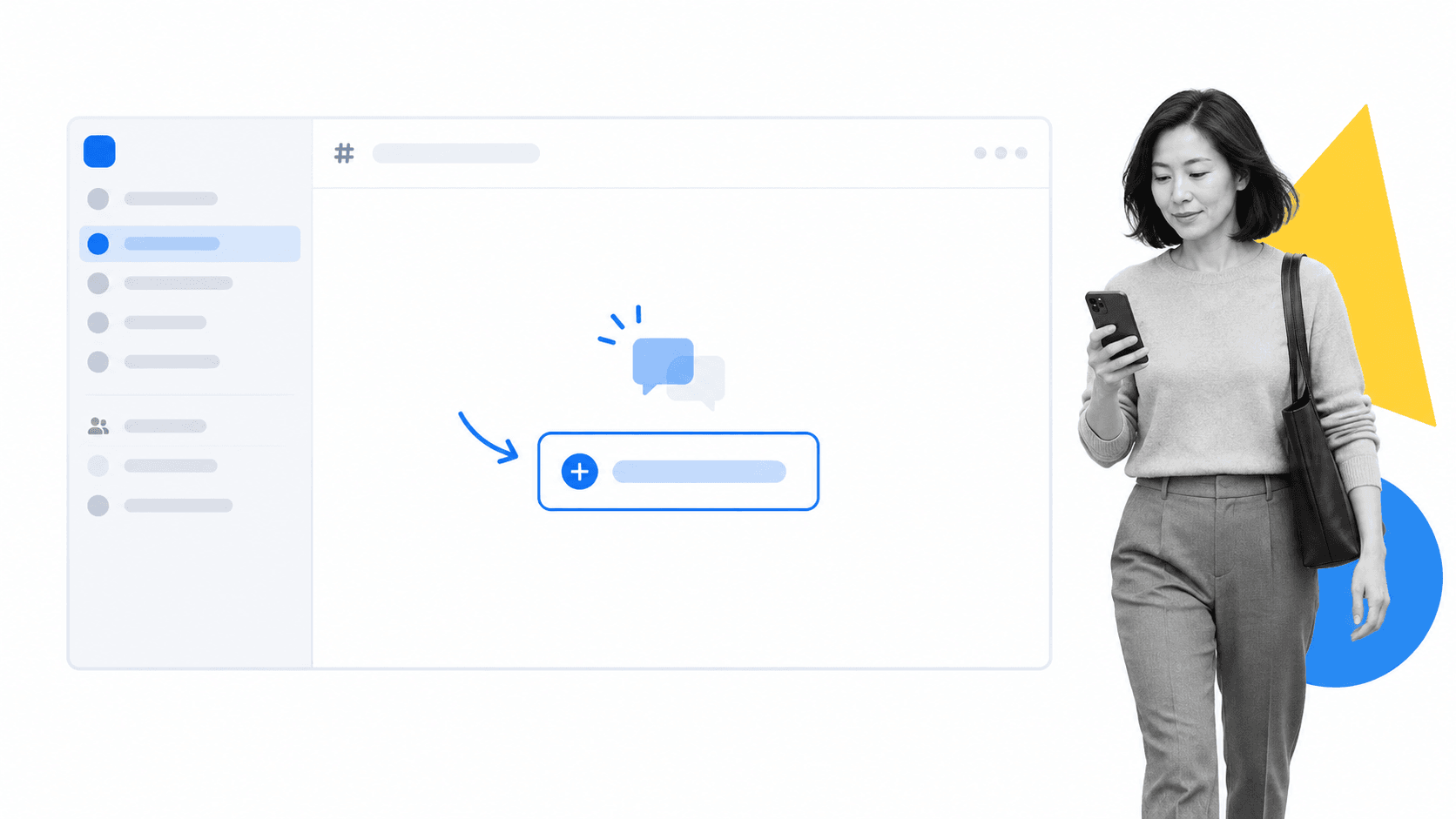
When a user lands on a blank slate, the goal is not to present them with a manual, but to provide a clear, low-friction pathway to their first success. This could be inviting a team member, importing a single row of data, or generating a first report. The objective is to make the software feel like a tool rather than a task.
The Modern Success Story: The Slack Paradigm
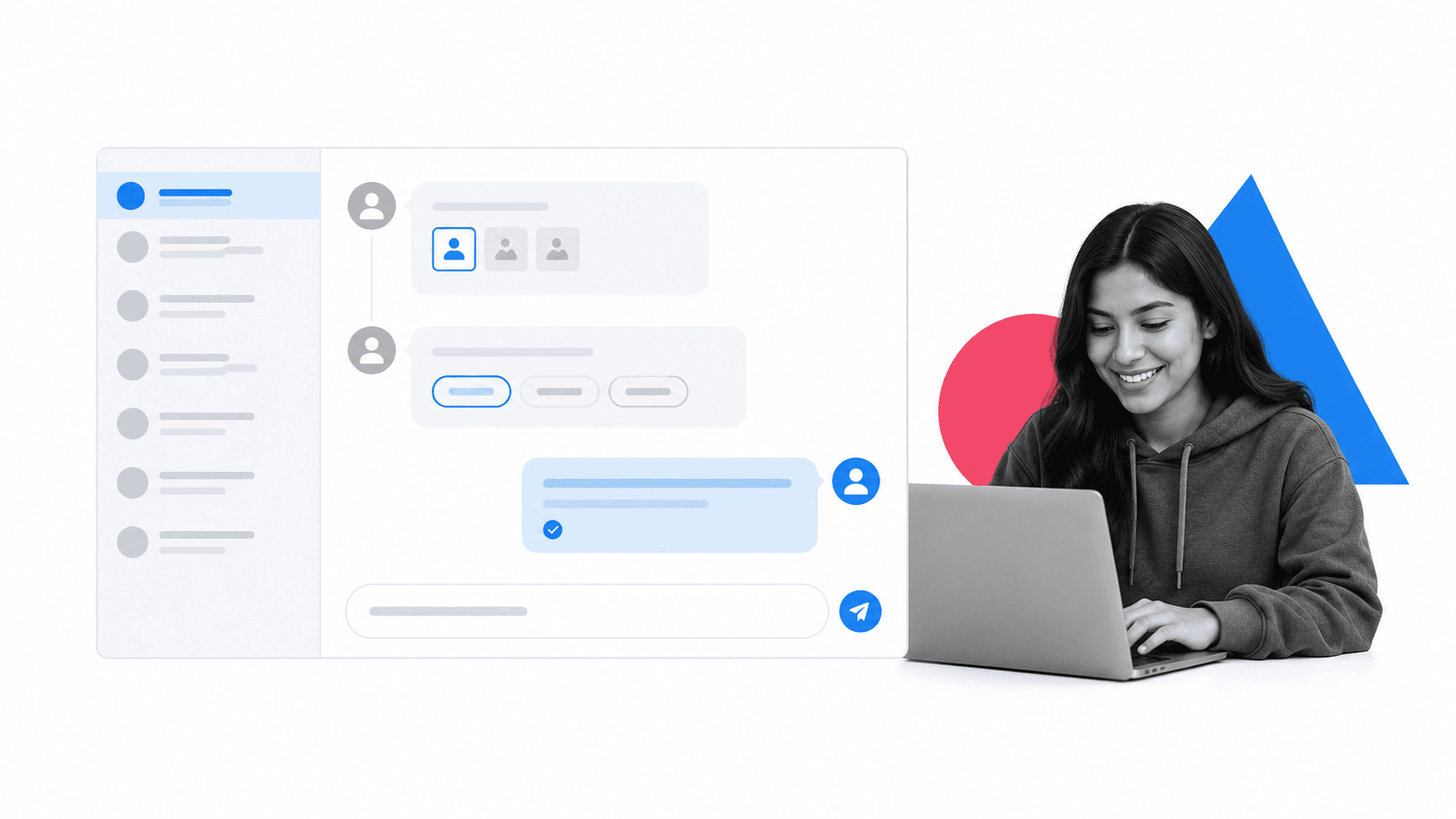
Slack revolutionized the B2B onboarding experience by turning the initial setup into a conversational flow. Instead of forcing users to fill out a static, intimidating settings page, Slackbot acted as a guide, asking for profile details in a way that mimicked actual chat behavior.
This approach solved the "empty room" problem. A blank workspace is often daunting, feeling like a demand for the user to design an entire system from scratch. Slackbot provided a responsive, friendly point of contact, demonstrating the product’s core communication model—triggers and responses—before the user had even fully explored the interface. This proved that effective onboarding is not about "mascots"; it is about providing the smallest, most helpful intervention at the exact moment a user hits a wall.
Supporting Data: The Science of Gamification
While Microsoft used actual games, modern SaaS companies leverage "gamification" to drive engagement. However, designers must be cautious. Points, badges, and progress bars are only effective if they support the user’s underlying goal. If a user is forced to jump through "game-like" hoops that do not provide actual utility, the gamification becomes noise rather than motivation.
The Gamification Framework
According to behavioral design principles, gamified onboarding should answer three core questions:
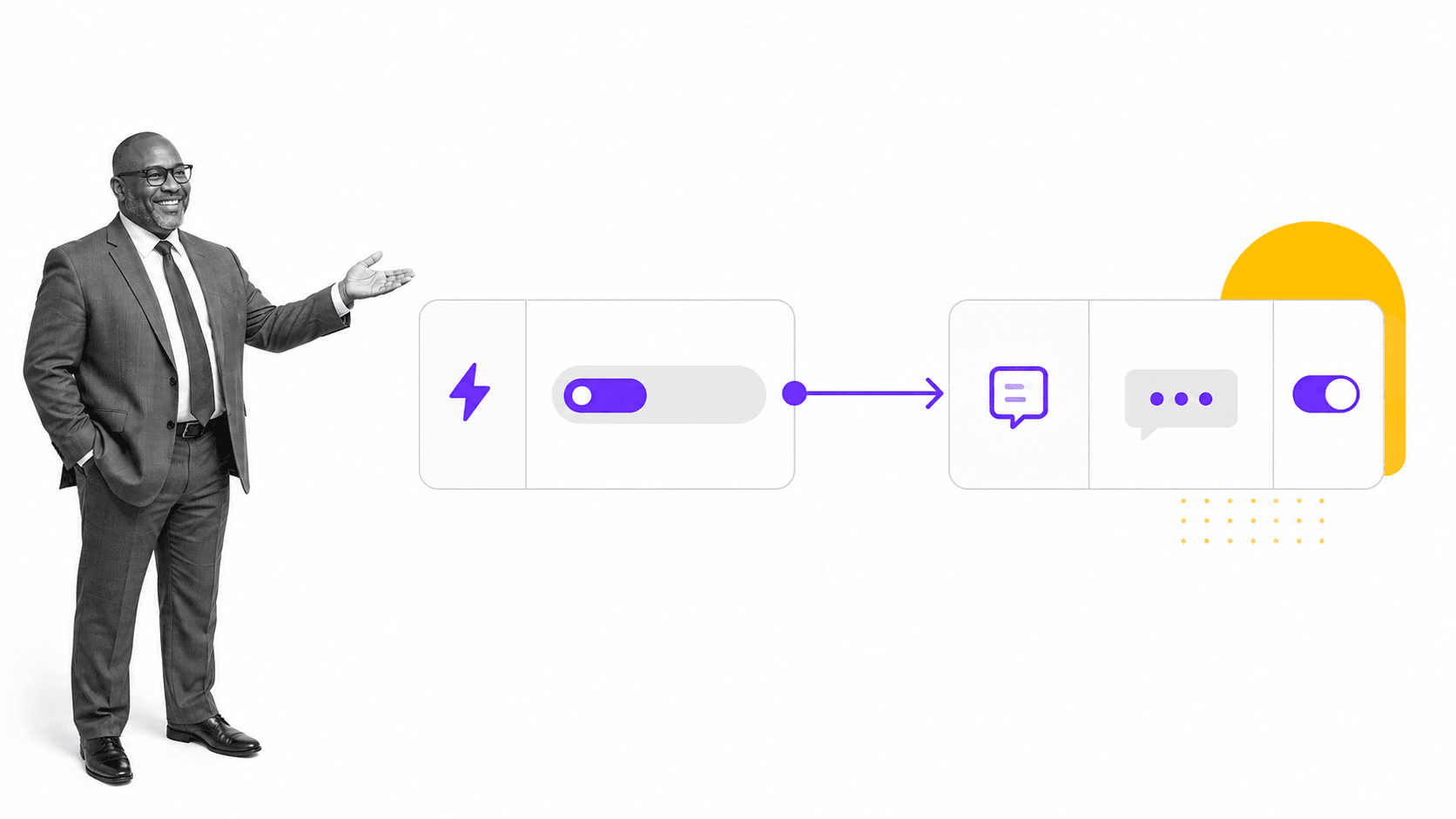
- What behavior should be repeated? (e.g., inviting a team member).
- What feedback confirms the behavior? (e.g., a "success" checkmark or an immediate notification).
- What progress signal tells the user what to do next? (e.g., a progress bar showing they are 60% of the way to a fully active account).
Research suggests that onboarding should be viewed as an ongoing "experience phase" rather than a single, static screen. By using narrative, short-term goals, and immediate feedback, software developers can trigger the same dopamine loops that make games addictive, but apply them to professional productivity.
Implications for Design: The Mastery Loop
The "Mastery Loop" is the ultimate goal of onboarding. It is a three-part cycle:
- Action: The user attempts a meaningful task.
- Feedback: The system confirms the result immediately.
- Mastery: The user feels a sense of accomplishment and is prepared for a slightly more complex task.
This loop must be designed with "recovery paths" in mind. If a user skips a step or makes an error, the product should not punish them with a generic error message. Instead, it should act as a guide, explaining the state and offering a direct route back to the path of value.
Measuring Success
The effectiveness of an onboarding process cannot be measured by how many users finish a tutorial. Instead, companies must track:
- Time to First Value: How long does it take for a user to see the product’s core benefit?
- Activation Rate: The percentage of users who complete critical "aha" milestones.
- Retention by Path: Do users who follow specific onboarding paths stick around longer than those who skip them?
Official Perspectives on Operational Efficiency
For organizations managing complex workflows, the challenge is maintaining this high-level onboarding experience while ensuring compliance and operational integrity. Modern platforms, such as Process Street, bridge this gap. By utilizing "Docs" capability areas, companies can keep onboarding policies current and accessible, while "Ops" capability areas ensure that new hires or users move through necessary assignments and approvals without feeling bogged down by bureaucracy.
The integration of AI into these platforms allows teams to monitor the onboarding journey in real-time, identifying exactly where users drop off and drafting automated interventions that keep the process moving.
Conclusion: Respecting the User’s Attention
The durable lesson from both the history of Windows games and the rise of modern SaaS is that users value their time above all else. Whether you are teaching a novice how to use a mouse or an enterprise user how to configure a complex workflow, the principle remains: Do not force them to stop and study.
Give the user a meaningful action, provide immediate clarity on the result, and reveal complexity only when it is required for their success. When onboarding is designed as a mastery loop rather than a training manual, it ceases to be a hurdle and becomes the first step in a long-term partnership between the user and the software.