By Industry Correspondent
Published October 22, 2026
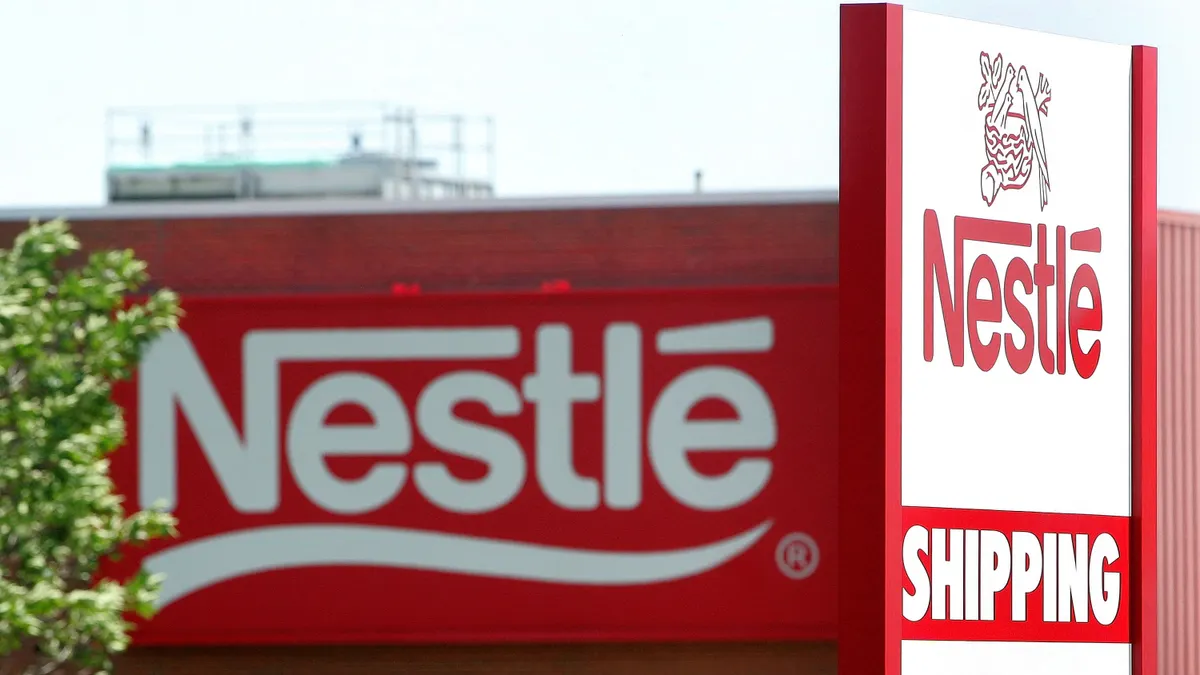
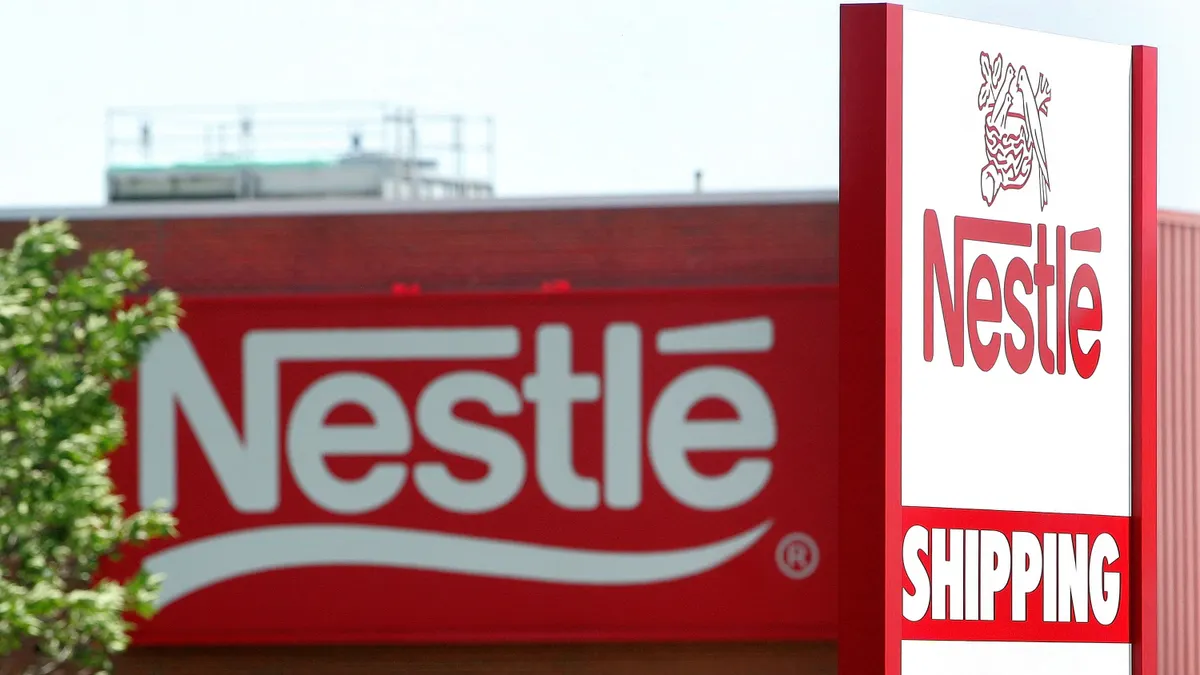
In a move that underscores the ongoing transformation of the global food manufacturing landscape, Nestlé has announced it will shutter its production facility in Solon, Ohio, by the end of 2027. The decision, which the Switzerland-based food giant characterizes as a pursuit of long-term sustainability, marks a significant consolidation of its North American operations as the company grapples with shifting consumer preferences and evolving market volumes.
While the broader Solon campus—which serves as a critical hub for the company’s research and development (R&D) and corporate operations—will remain open, the specific manufacturing unit responsible for pouch production will see its output transferred to Nestlé’s facility in Gaffney, South Carolina.
The Core Facts: A Gradual Sunset
The transition is set to be a phased, multi-year process. Nestlé confirmed that it will begin shifting its foodservice pouch production to the South Carolina site in the coming months. This gradual migration is designed to ensure supply chain continuity, with full production in Solon expected to cease by the third quarter of 2027. The physical closure of the plant is slated for completion by December 31, 2027.
Nestlé has yet to provide a specific number regarding the total headcount affected by the closure. However, the company has signaled that it intends to file a Worker Adjustment and Retraining Notification (WARN) notice around March 2027, a move that will provide clarity on the scale of potential job losses.

This decision follows a period of contraction for the Solon site. In early 2024, the company announced a workforce reduction of 216 employees, a significant cut for a facility that, at that time, employed approximately 780 people. The upcoming closure of the manufacturing arm represents the next chapter in a long-standing, albeit changing, relationship between the food giant and the Ohio community.
Chronology of a Corporate Restructuring
To understand the rationale behind the Solon closure, one must look at the trajectory of Nestlé’s North American operations over the past several years:
- Early 2024: Nestlé announces a workforce reduction of 216 employees at the Solon manufacturing site, citing a need to streamline operations in response to cooling demand.
- Mid-2024: Leadership at the company’s global headquarters begins expressing mounting frustration regarding the performance of its North American business units.
- Late 2025: Strategic reviews of the North American manufacturing network are accelerated as inflationary pressures and changing consumer habits lead to decreased volumes in frozen food categories.
- October 2026: Official announcement of the impending 2027 closure of the Solon manufacturing facility and the transition of production lines to Gaffney, South Carolina.
This timeline reflects a broader pattern observed across the food and beverage industry, where legacy facilities are increasingly being scrutinized for their efficiency in an era of high operational costs and volatile supply chains.
Supporting Data and Market Context
The closure of the Solon plant does not occur in a vacuum. It is symptomatic of a larger trend of “network optimization” currently being executed by major food conglomerates. Throughout 2026, the industry has witnessed a series of plant closures by major players, including PepsiCo, Tyson Foods, JBS, Danone, and Mars.
These companies are collectively responding to a shift in the American consumer’s behavior. Following years of elevated prices, demand has softened, and manufacturers are finding that their existing footprint—often built during periods of high-growth expansion—no longer matches current sales volumes. By consolidating production into fewer, more efficient “mega-sites,” companies like Nestlé aim to reduce overhead, maximize automation, and improve margins.

For Nestlé, the stakes are high. The North American market, which has historically been a stronghold for the company, has faced headwinds in key categories. During a recent Barclays conference, Nestlé CFO Anna Manz offered a blunt assessment of the company’s regional performance. She explicitly stated that leadership was “not happy” with current results and that “more needs to be done” to improve operational execution. Specifically, Manz pointed to the creamer segment and the Gerber infant and child nutrition brand as areas of underperformance, while acknowledging that the frozen food sector—a category central to the Solon plant’s history—is experiencing significantly slower growth.
Official Responses and Corporate Rationale
In an official statement regarding the Solon closure, Nestlé emphasized that the move was a strategic necessity rather than a reflection of its commitment to the region.
“As customer needs and volumes evolve, we determined that building on capabilities already in place elsewhere in our network was the most sustainable path forward,” the company stated. “We understand that this decision is difficult, not only for employees, but also for the community members who have deep ties to the Solon factory.”
The company was quick to highlight its continued investment in the state of Ohio. Despite the manufacturing closure, Nestlé retains a massive footprint in the region, employing nearly 3,000 people across seven different facilities. The company reiterated that the broader Solon campus remains a vital nerve center for its global operations, housing essential R&D teams and corporate functions that drive the innovation pipeline for its various brands, including its iconic Hot Pockets and Lean Cuisine lines.
The Broader Implications for the Industry
The decision to consolidate production into South Carolina highlights a shift in how food giants view their manufacturing portfolios. The "most sustainable path forward," as described by Nestlé, implies a transition away from fragmented, localized production toward centralized hubs that can leverage economies of scale.

1. Operational Efficiency vs. Human Impact
The primary tension in this story lies between the drive for corporate efficiency and the impact on the local workforce. As companies move to "optimize" their networks, the communities that once served as the backbone of these operations are often left to grapple with the economic fallout. The use of the WARN act, while legally required, is often the final sign of a facility’s obsolescence in the eyes of corporate planners.
2. The Frozen Food Challenge
The struggle at the Solon plant is also a bellwether for the frozen food category. After a pandemic-era boom, where frozen meals provided comfort and convenience to home-bound consumers, the category is now facing a "correction." As consumers return to dining out or opting for fresher alternatives, manufacturers are finding their frozen food infrastructure to be oversized.
3. Future-Proofing the Supply Chain
Nestlé’s shift toward South Carolina is indicative of a broader industry trend to prioritize sites that offer better logistical connectivity and lower utility costs. By concentrating output, the company can more easily implement advanced robotics and AI-driven production management systems, which are easier to scale in a single, modern facility than across multiple aging ones.
Conclusion: A Turning Point
The closure of the Solon manufacturing facility serves as a stark reminder of the relentless nature of corporate evolution. For the residents of Solon, the loss of manufacturing jobs is a significant blow. For Nestlé, however, the decision is a cold, calculated step toward rebalancing a portfolio that has struggled to find its footing in a turbulent North American market.
As we look toward 2027, the success of this transition will depend on whether the company can successfully migrate its production capacity to South Carolina without losing the quality and consistency that its brands—such as Hot Pockets—rely upon. For the broader industry, the Solon case study will likely be cited as a prime example of the ongoing “right-sizing” of the food manufacturing sector in a post-inflationary, high-efficiency economy.
Nestlé remains one of the most powerful entities in the food sector, but its recent actions prove that even the world’s largest food companies are not immune to the necessity of drastic change. As the company continues to search for the right mix of efficiency and growth, the "sustainable path forward" may involve more difficult decisions in the years to come.