In a chilling display of criminal evolution within the logistics sector, federal prosecutors have dismantled an intricate cargo theft ring that turned the freight industry’s own trust mechanisms against it. The operation, which involved the calculated takeover of established trucking companies to mask illicit activities, resulted in the theft of at least 24 high-value shipments and an estimated $12 million in retail losses.
The U.S. Attorney’s Office for the District of Connecticut announced formal charges against 33-year-old Nursulton Khaydarov on October 21, 2026. Khaydarov, an Uzbekistan national and lawful permanent resident of the United States, stands at the center of a federal investigation that exposes deep vulnerabilities in how freight brokers vet carriers. As the case moves through the federal court in Bridgeport, it serves as a stark warning to the logistics industry: a valid Department of Transportation (DOT) number and a pristine operating history are no longer absolute indicators of legitimacy.
The Anatomy of the Takeover: Weaponizing Legitimacy
Unlike common cargo theft schemes that rely on brute force or simple document forgery, the operation allegedly led by Khaydarov utilized a "carrier takeover" model. Rather than creating "phantom" carriers from scratch—which are often easily flagged by automated compliance systems—the conspirators targeted existing, legitimate motor carriers.
By acquiring or assuming control of established trucking businesses, the group gained immediate access to long-standing MC numbers, verified DOT credentials, and, most importantly, existing relationships with major freight brokers. These "zombie" carriers—legitimate entities now operating under the influence of bad actors—bypassed the standard vetting filters that brokers employ. When a broker checked the credentials of these carriers, they found years of clean safety data and established industry footprints, effectively neutralizing the skepticism that usually protects high-value freight.

Chronology of a Criminal Enterprise
The scope of the investigation spans nearly a year of systematic deception. Federal documents suggest the operation reached peak activity beginning in September 2025.
- September 2025: The group begins systematically assuming control of various motor carrier entities, securing business email accounts and ownership identities to impersonate previous stakeholders.
- December 19, 2025: A pivotal moment occurs in Terra Bella, California, where a shipment of pistachios—a prime target due to high retail value—is picked up by a driver using an alias, "Sayid Makhmudarov." The shipment never reaches its destination in Laredo, Texas.
- November 2025 – May 2026: Investigators track suspicious financial activity linked to Khaydarov’s Coinbase account, noting at least 33 transactions totaling over $121,000, which federal authorities believe may be connected to ransom demands for stolen cargo.
- May 18, 2026: The operation faces a significant setback during a routine traffic stop in Ontario, California. Local law enforcement discovers Khaydarov in a tractor-trailer containing counterfeit identification and nicotine products stolen in an earlier heist.
- June 1, 2026: Following the accumulation of evidence, federal authorities officially arrest Khaydarov in Ontario, California.
- September 22, 2026: A federal grand jury in New Haven, Connecticut, returns an indictment against Khaydarov, formally charging him with conspiracy.
Digital Deception and Physical Evasion
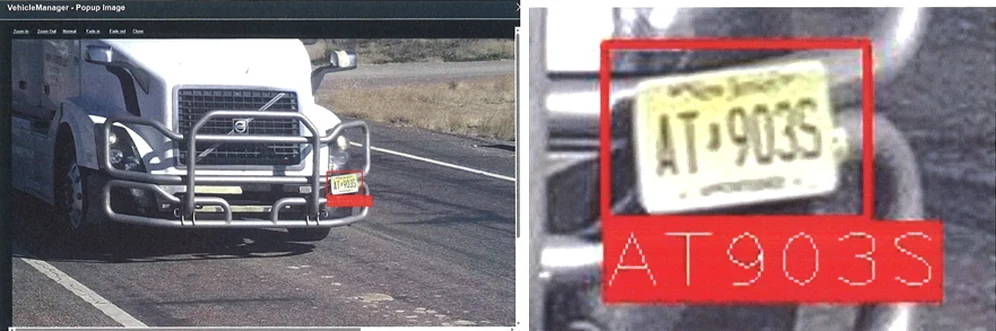
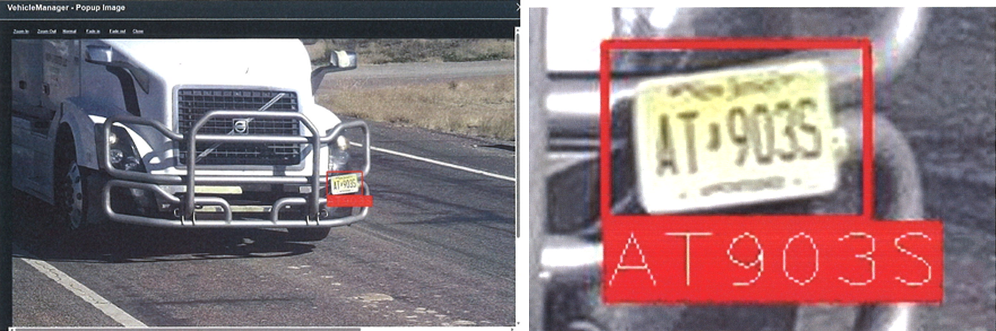
The indictment reveals a multi-layered approach to concealment. To avoid detection, the conspirators reportedly switched tractor license plates frequently and relied on burner phones utilizing encrypted messaging applications to coordinate pickups and deliveries.
Perhaps most alarmingly, the group developed methods to defeat modern electronic shipment tracking systems. Once a shipment was successfully picked up, the conspirators would intentionally delay the transport, providing false explanations to brokers while simultaneously attempting to "ransom" the goods back to the shippers or selling the merchandise on the black market. The stolen goods were eclectic, ranging from high-end electronics, computer hardware, and stereo equipment to bulk food items and nicotine products, all of which are easily liquidated in illicit secondary markets.
The Burden of Proof: Multiple Identities
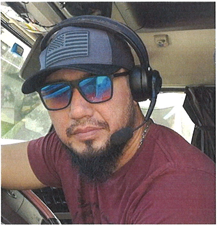
During the course of the investigation, federal agents uncovered a sophisticated suite of fraudulent documents used by Khaydarov. Court filings detail five different identities associated with various driver’s licenses, all of which featured Khaydarov’s likeness but with altered facial features.

The use of these aliases allowed the defendant to navigate the logistics network under multiple personas, making it nearly impossible for brokers or law enforcement to track a single individual’s behavior across state lines. Despite these efforts, a valid New Jersey commercial driver’s license in his true name ultimately provided the thread that allowed investigators to tie the various personas to the same individual.
Official Responses and the Broader Federal Effort
The prosecution is being handled by Assistant U.S. Attorneys David T. Huang and Larysa J. Kern, reflecting the severity of the charges. The investigation itself is a massive interagency effort, spearheaded by the FBI and supported by Homeland Security Investigations (HSI), the IRS Criminal Investigation division, and the U.S. Department of Transportation’s Office of Inspector General.
"This case is emblematic of the current threat landscape," said a spokesperson close to the investigation. "The defendants weren’t just stealing cargo; they were stealing the trust that keeps the global supply chain moving."
While Khaydarov has pleaded not guilty and is currently being held in federal custody, the broader investigation into the entities he controlled—and potential accomplices—remains active. Authorities have yet to release the names of the specific brokers or shippers impacted, as the focus remains on untangling the web of corporate takeovers that facilitated the scheme.
Implications for the Logistics Industry
The "Khaydarov case" has sent shockwaves through the brokerage community, forcing a re-evaluation of how carriers are onboarded. The traditional reliance on static data, such as a carrier’s "active" status or insurance certificate, is now viewed as insufficient.
The Failure of Traditional Vetting
For years, the industry relied on the Federal Motor Carrier Safety Administration (FMCSA) database as a source of truth. However, as this case proves, when an established authority is sold or compromised, the data stays the same while the risk profile changes drastically. Brokers are now being urged to look for "red flags" that go beyond the database:
- Rapid Ownership Changes: Sudden changes in company leadership or contact information without a clear, documented business reason.
- Email Domain Mismatches: Communication originating from generic or suspicious email domains that do not match the company’s official website.
- Insurance Inconsistencies: Discrepancies between the insurance provider on file and the policy documents submitted during the onboarding process.
- Operational Geography Shifts: A carrier that has historically operated in the Midwest suddenly appearing in California for high-value cross-country hauls should trigger an immediate secondary review.
A Call for Advanced Compliance
Industry experts suggest that this case validates the necessity of programs like the Certified Fraud Compliance Officer (CFCO). The CFCO framework advocates for a "five-layer" verification process that mandates human intervention and critical thinking in the vetting cycle. Technology, while necessary, is not a panacea; it is a tool that must be wielded by trained professionals who understand the nuances of fraud.
The Road Ahead: Lessons Learned
As the industry looks toward the future—highlighted by events like the upcoming Brokerage Compliance Symposium in Chattanooga—the focus is shifting from reactive post-theft procedures to proactive risk mitigation. The theft of $12 million in merchandise is not just a financial loss; it is an indictment of the current compliance culture.
The recovery status of the stolen goods remains largely unknown, and the victims—shippers who trusted brokers who in turn trusted these compromised carriers—are left to grapple with the fallout. For the logistics sector, the lesson is clear: in an era where digital identities can be bought, sold, and stolen, the most important component of supply chain security is the human element—the ability to look past the data and ask the difficult questions that prevent a thief from ever turning the key.
The FBI continues to request that anyone with information regarding this conspiracy or similar suspicious activity contact their local field office. As the trial for Nursulton Khaydarov approaches, the industry watches closely, knowing that the outcome will set a precedent for how future cargo theft conspiracies are prosecuted and, more importantly, how they are prevented.