In the modern digital landscape, social media has evolved from a simple engagement channel into a primary driver of business intelligence. For marketing leaders and enterprise teams, social media analytics has transitioned from a "nice-to-have" metric collection to an essential strategic function. It is no longer enough to simply count likes or followers; today’s high-performing organizations are leveraging deep, cross-platform data to drive revenue, mitigate risks, and inform product development.
The Core Concept: Defining Social Media Analytics
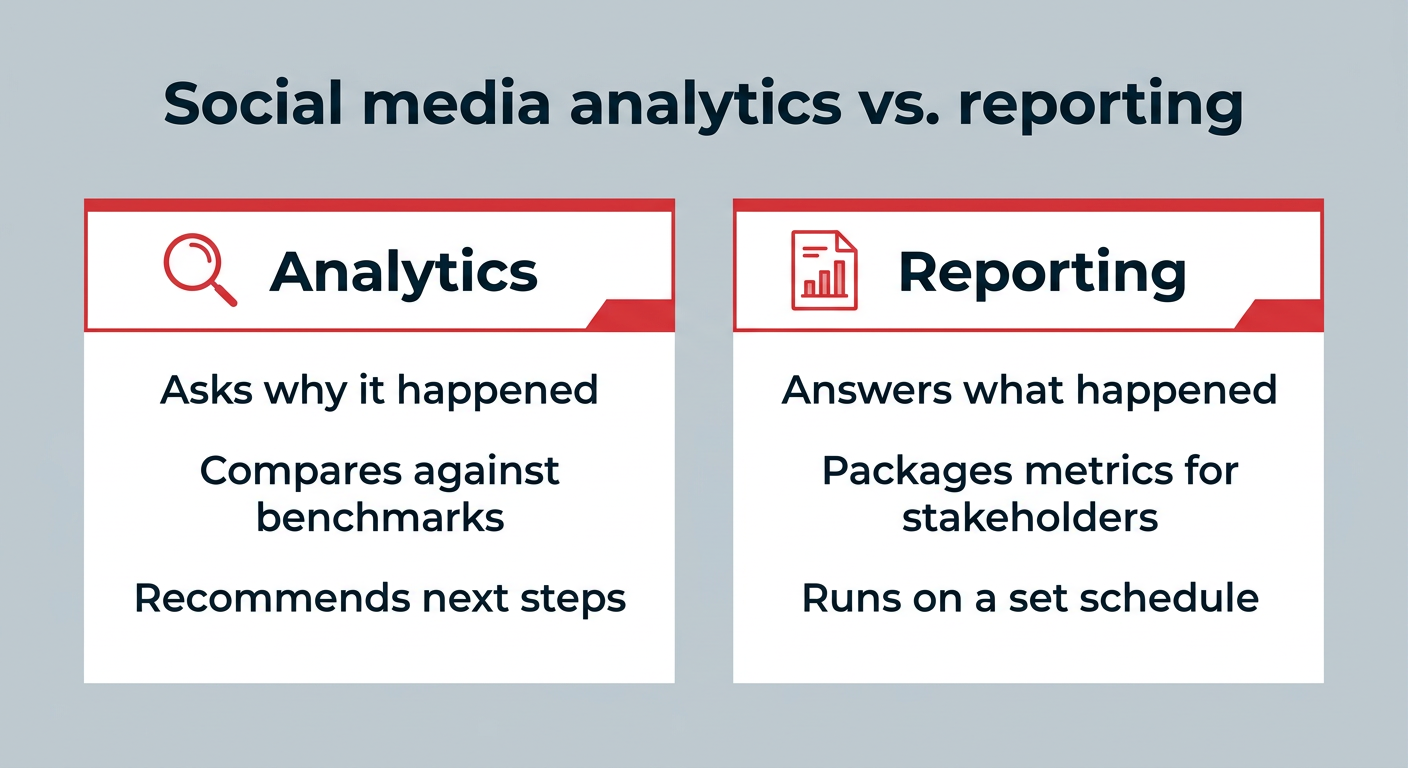
Social media analytics is the systematic process of gathering, interpreting, and reporting data points to measure the effectiveness of digital accounts and guide high-level business decisions. While many teams confuse "reporting" with "analytics," the distinction is critical.

Reporting is the administrative task of organizing data—often through automated dashboards—to provide a historical record of performance. Analytics, conversely, is the intellectual work of interpreting that data to uncover the "why" behind the numbers. When teams focus solely on reporting without the analytical layer, they risk creating static dashboards that provide plenty of data but zero actionable insight.
For enterprise-level organizations, analytics involves integrating native platform data with Customer Relationship Management (CRM) systems, web analytics, and business intelligence (BI) tools. This integration provides a unified "single source of truth" across various regions, brands, and channels.

The Seven Pillars of Social Analytics
To effectively navigate the complexity of social data, experts break the discipline into seven distinct domains, each addressing a specific business question:
- Performance Analytics: The fundamental tracking of your own content’s reach, impressions, and engagement rates.
- Audience Analytics: An investigation into the demographics, psychographics, and behavioral patterns of your followers.
- Competitive Analysis: A benchmarking exercise that measures your share of voice and engagement levels against industry rivals.
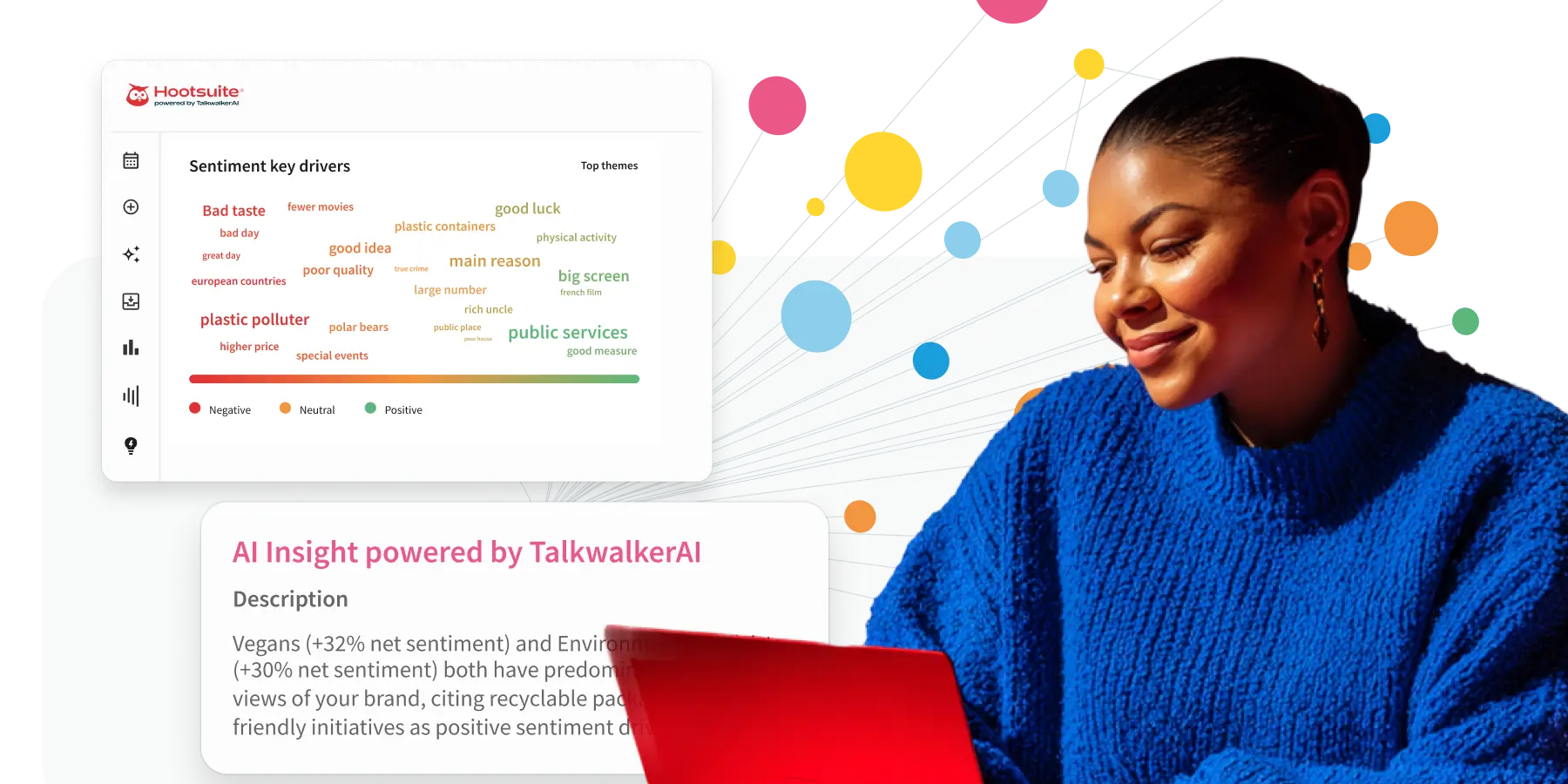
- Social Listening and Sentiment Analysis: Monitoring public discourse to gauge brand reputation and identify potential PR crises before they escalate.
- Industry Benchmarking: Contextualizing your internal performance against broader industry standards to prove the validity of your results to stakeholders.
- Paid Social Analytics: Evaluating the return on ad spend (ROAS), cost per click (CPC), and conversion rates for paid campaigns.
- Influencer Analytics: Measuring the ROI of creator partnerships to ensure marketing dollars are allocated to high-performing talent.
Chronology of a Data-Driven Strategy
Implementing an effective analytics process is not a one-time event; it is a recurring lifecycle. Teams that succeed follow a six-step framework:
- Step 1: Goal Alignment: All analytics start with business objectives. Whether the goal is lead generation or brand awareness, metrics must ladder up to these outcomes.
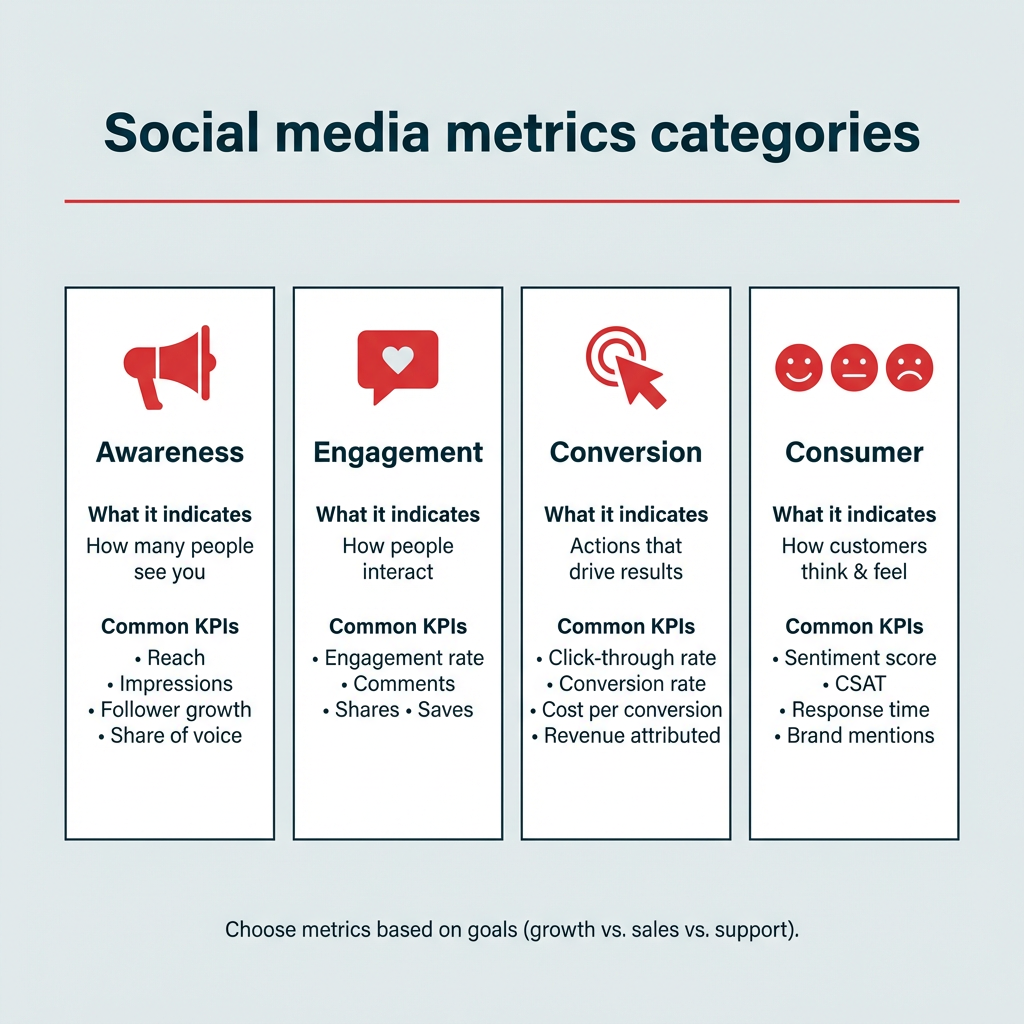
- Step 2: Metric Selection: Adopting a "less is more" approach. By selecting 3-5 Key Performance Indicators (KPIs) per goal, teams avoid the "dashboard overload" that often leads to paralysis.
- Step 3: Tool Consolidation: Using a unified platform (such as Hootsuite Social OS) to eliminate the inefficiency of toggling between disparate native platform dashboards.
- Step 4: Cadence Definition: Establishing a layered reporting schedule. This typically involves daily "pulse checks" for spikes in activity, weekly reviews for tactical adjustments, and deep-dive monthly reports for strategic planning.
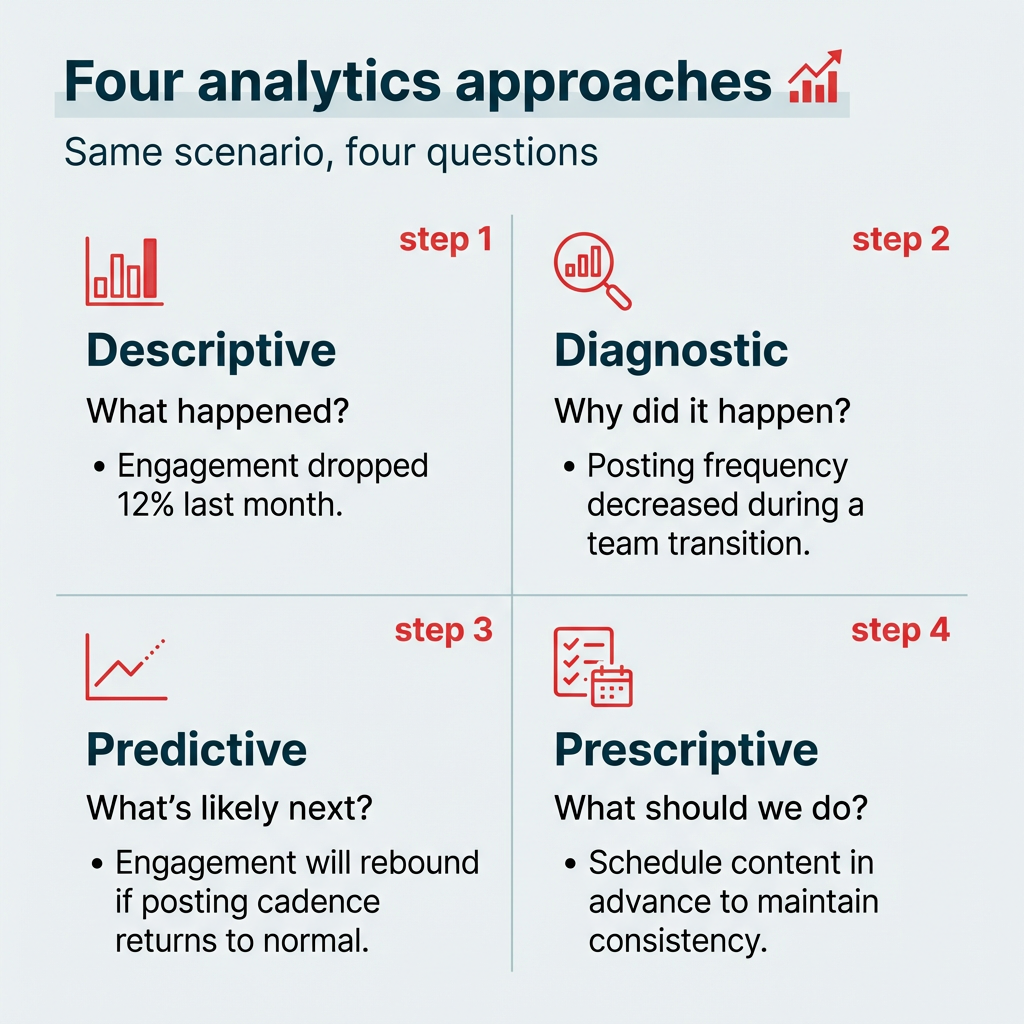
- Step 5: Iterative Analysis: Taking action based on data trends. If engagement drops by 15%, teams must be prepared to pivot messaging or creative assets mid-campaign—a strategy that has proven successful for e-commerce brands looking to recover lost momentum.
- Step 6: Stakeholder Reporting: Communicating findings in a language that matters to leadership. This means focusing on revenue and conversion data rather than vanity metrics like follower counts.
Supporting Data and the "Social-to-Purchase" Pipeline
Critics often dismiss social metrics as "ethereal," yet the data suggests a direct correlation between social engagement and commercial success. According to recent industry research, 70% of individuals who follow brands on social media have explicit plans to purchase from them.
When marketing teams can bridge the gap between a social interaction and a conversion event, they transform social media from a "cost center" into a "profit center." This is particularly vital in the current economic climate, where 63% of Chief Marketing Officers (CMOs) cite budget and resource constraints as their primary challenge. By presenting data that clearly demonstrates how social efforts drive leads, managers can secure the resources necessary to scale their operations.
The Role of Advanced Tooling
The selection of an analytics stack is dependent on the maturity of the organization.
- Hootsuite Social OS: Serves as a comprehensive hub for enterprise teams, offering cross-platform reporting, ROI tracking, and AI-powered insights. Its ability to integrate with business systems like Salesforce makes it a standard for complex, multi-brand organizations.
- Google Analytics: Remains the industry standard for tracking the "last mile" of a customer journey—measuring what happens on a website after a user clicks through from a social platform.
- Specialized Tools (Rival IQ & DashThis): Rival IQ provides deep-dive competitive benchmarking, while DashThis excels in the presentation of data for agencies that need to provide white-labeled reports to high-level stakeholders.
- Sprinklr: Offers a robust, albeit complex, solution for large-scale Customer Experience Management (CXM), ideal for organizations that view social analytics as just one part of a larger customer-facing ecosystem.
Implications for Future Strategy
As platform algorithms continue to shift toward interest-based feeds and AI-driven recommendations, the ability to interpret data becomes a competitive advantage. The future of social media analytics lies in predictive modeling—using past performance to forecast future trends.
For the modern marketer, the implications are clear: the era of intuition-based social strategy is over. Decisions regarding content formats, tone, and posting schedules must be backed by evidence. By focusing on sentiment, ROI, and audience behavior, brands can move beyond the surface-level metrics that satisfy vanity and instead build a foundation of sustainable growth.
The goal is not to have the most data, but to have the most useful data. As you refine your reporting cadence and tighten your focus on KPIs that reflect business outcomes, you will find that social media is not just a place to talk—it is a sophisticated, data-rich environment for building long-term brand equity.

By automating the collection of data and prioritizing the interpretation of that data, marketing leaders can shift their focus from the "what" to the "what’s next," ensuring their brand remains relevant, responsive, and profitable in an increasingly crowded digital marketplace.