In the modern digital landscape, customer acquisition costs (CAC) are rising at an alarming rate. With paid advertising algorithms becoming increasingly complex and expensive, savvy founders are returning to the most reliable, high-converting marketing channel in existence: word-of-mouth. Yet, while most businesses understand the value of a referral, few treat it with the necessary technical rigor.
The secret to sustainable growth isn’t a new ad platform—it is the dormant, untapped potential already sitting within your email list.
The State of Referral Marketing: Why Most Programs Fail
For the majority of entrepreneurs, a referral program is an afterthought—a static link buried in the footer of a website, rarely updated and even more rarely utilized. It is treated like an old gym membership: technically active, but functionally dead.
This passive approach ignores a fundamental truth of consumer psychology. When a friend recommends a product, the "selling" is effectively already done. The trust, credibility, and vetting process have been outsourced to a peer, bypassing the skepticism that usually accompanies paid advertisements.
The difference between a failing referral program and a thriving "referral engine" lies in the transition from a passive page to an active, automated infrastructure. A true engine is not just a feature; it is a strategy defined by timing, incentives, and friction-less user experiences.
The Anatomy of Trust: Why Referrals Outperform Paid Channels
To understand the power of a referral, consider your own purchasing habits. When you need a new pair of shoes or a recommendation for a service, you are far more likely to trust a friend’s direct endorsement than a targeted social media ad.
Referred customers consistently demonstrate higher conversion rates, lower acquisition costs, and higher lifetime value (LTV). They stick around longer because they are pre-qualified by someone who knows them. Unlike an algorithm that targets based on broad demographics, a customer acts as a highly personalized filter, recommending your product only to those they know will appreciate it.
The Golden Rule: Ask at the Moment of Delight
The most common mistake founders make is the "scattergun" approach—asking for referrals in a generic, blast-style newsletter. This is ineffective because it lacks context.
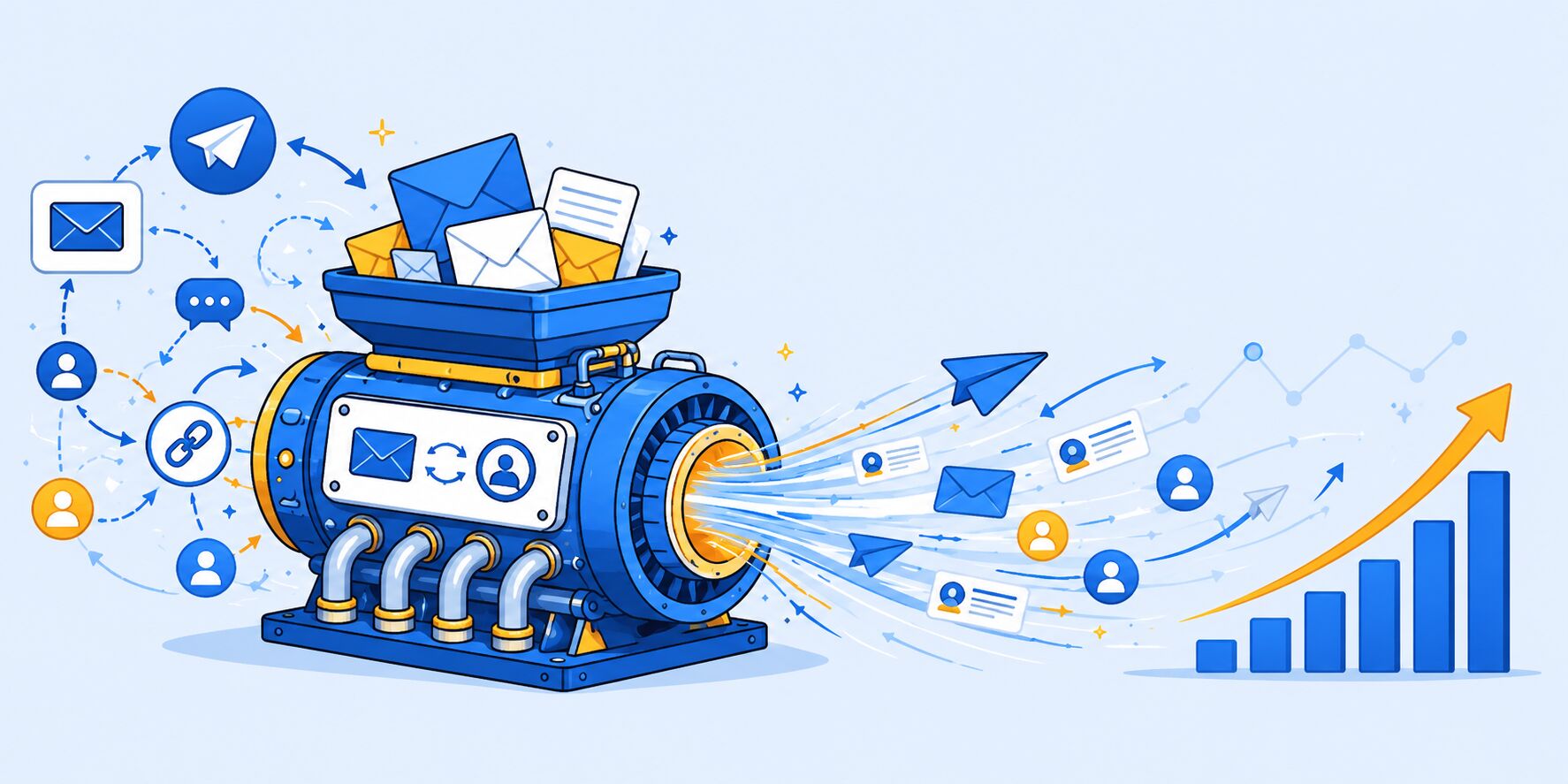
To build a high-converting engine, you must master the "Moment of Delight." Referral requests should be triggered by specific, positive user actions, such as:
- The Second or Third Purchase: A repeat customer is a proven fan.
- Glowing Reviews: A customer who has taken the time to leave a five-star rating has already done the emotional work of endorsing your brand.
- Positive Support Interactions: A resolved support ticket is an opportunity to turn a satisfied user into a brand advocate.
By automating these triggers, you ensure that the request feels like a natural extension of the customer’s journey rather than an intrusive, transactional extraction.
The Economics of Incentives: Why Double-Sided Wins
Incentive structure is often where programs fall apart. Many businesses fall into the trap of rewarding only the referrer. This creates a transactional, "grubby" feeling, effectively turning the customer into a salesperson for the company.
Conversely, rewarding only the new lead removes the incentive for the existing customer to initiate the action.
The superior model is double-sided rewards. A "Give $10, Get $10" structure aligns the incentives for all parties. The referrer feels empowered to offer their friend a genuine gift, and the friend feels welcomed by a discount that reduces the barrier to their first purchase. It shifts the dynamic from a commission-based sale to a communal favor.
Eliminating Friction: The Death of Conversion
Even the most motivated customer will abandon a referral request if it is too cumbersome. If a user has to copy a link, paste it, write a message from scratch, or navigate through multiple menus, the referral will never happen.
The gold standard for a referral engine is a 15-second interaction.
- Automated Tracking: Every customer receives a unique, trackable link.
- Pre-written Copy: Provide a human, authentic, and editable message that the user can send via WhatsApp, text, or email with one click.
- Omnichannel Accessibility: Ensure the share buttons are located where the user’s thumbs already live—on mobile-friendly messaging platforms.
If it takes longer than fifteen seconds to share, you are losing the "quietly satisfied" majority—the customers who like your brand but won’t fight through a clunky user interface to promote it.
The Strategy of Segmentation
Just as you wouldn’t pitch a stranger at a bus stop, you shouldn’t blast your entire email list with referral requests. Sending an email to a disengaged, one-time purchaser from eight months ago is a waste of digital real estate and may even lead to higher unsubscribe rates.
Instead, build a segment of your "Superfans." This includes:
- Frequent repeat buyers.
- Users who have engaged with previous content or reviews.
- Customers who have responded to your emails with positive feedback.
By focusing your efforts on this high-engagement group, you ensure that your requests are being heard by those most likely to act. This is where modern marketing tools like Omnisend become essential. By integrating with loyalty platforms like Smile or Yotpo, brands can automate the "plumbing" of the process—triggering emails, tracking rewards, and managing tiers without manual intervention.
Implications for Future Growth
The shift toward automated referral engines represents a broader trend in digital commerce: the move toward owned, high-trust channels. As privacy regulations continue to restrict traditional tracking and third-party data collection, the ability to leverage your existing customer base for growth is no longer just a "nice-to-have"—it is a necessity for long-term survival.
When you build an infrastructure for generosity, you are essentially formalizing the word-of-mouth that is already happening. You aren’t creating new behavior; you are amplifying what is already present, making it easier for your fans to act as your primary growth engine.
Conclusion: Making the Engine Work for You
The most successful brands today are those that have stopped treating referrals as a passive, static feature and started treating them as a core communication strategy. By focusing on timing, double-sided incentives, and removing every ounce of friction, you can turn your email list into a self-sustaining referral machine.
For those looking to build this infrastructure, platforms like Omnisend offer the tools needed to segment, automate, and scale these efforts. By leveraging the right technology to handle the heavy lifting, you leave yourself free to focus on the one thing that matters most: creating products worth recommending.
Foundr readers can get 50% off their first three months with Omnisend by using code FOUNDR50 at sign-up. Whether you are scaling your current program or building your first engine, the time to transition from passive links to active infrastructure is now.