As we approach the end of another high-velocity week, the intersection of artificial intelligence and professional marketing has never been more pronounced. For many, the transition to an AI-augmented workflow feels like a daunting leap. However, as industry experts and platforms demonstrate, the path to efficiency is not paved with complex code, but with the intelligent application of triggers, actions, and strategic delegation.
This week’s industry pulse highlights a critical shift: moving from merely "testing" AI to building robust, automated infrastructures that handle the heavy lifting of modern business.
The Mechanics of Modern Automation: Triggers and Actions
The barrier to entry for marketing automation has effectively vanished. Tools such as Make, n8n, and Google Workspace Studio have democratized the ability to offload repetitive, mind-numbing administrative tasks. Whether it is synchronizing form responses into spreadsheets, archiving email attachments, or managing calendar alerts, the core architecture remains identical across all platforms: the "If This, Then That" (IFTTT) paradigm.
Understanding the Workflow
At its core, every automation consists of two components:
- The Trigger: An event that initiates the process (e.g., a new lead fills out a contact form).
- The Action: The subsequent task performed by the software (e.g., creating a row in a database, sending a Slack notification, or triggering a welcome email sequence).
For those just beginning their automation journey, the recommendation is clear: start where you are. If you are deeply integrated into the Google ecosystem, Google Workspace Studio is the logical entry point, as it is likely already embedded in your existing suite. For users seeking a more visual, drag-and-drop interface that bridges thousands of disparate applications, Make remains the industry standard. Conversely, n8n offers a sophisticated, self-hosted alternative for power users who prioritize data sovereignty and granular control over their automated flows.
The ultimate goal of these systems is to allow AI to act as a logic engine—not just moving data, but reading and interpreting it to make informed decisions.

Strategic Growth: Building Landing Pages with AI
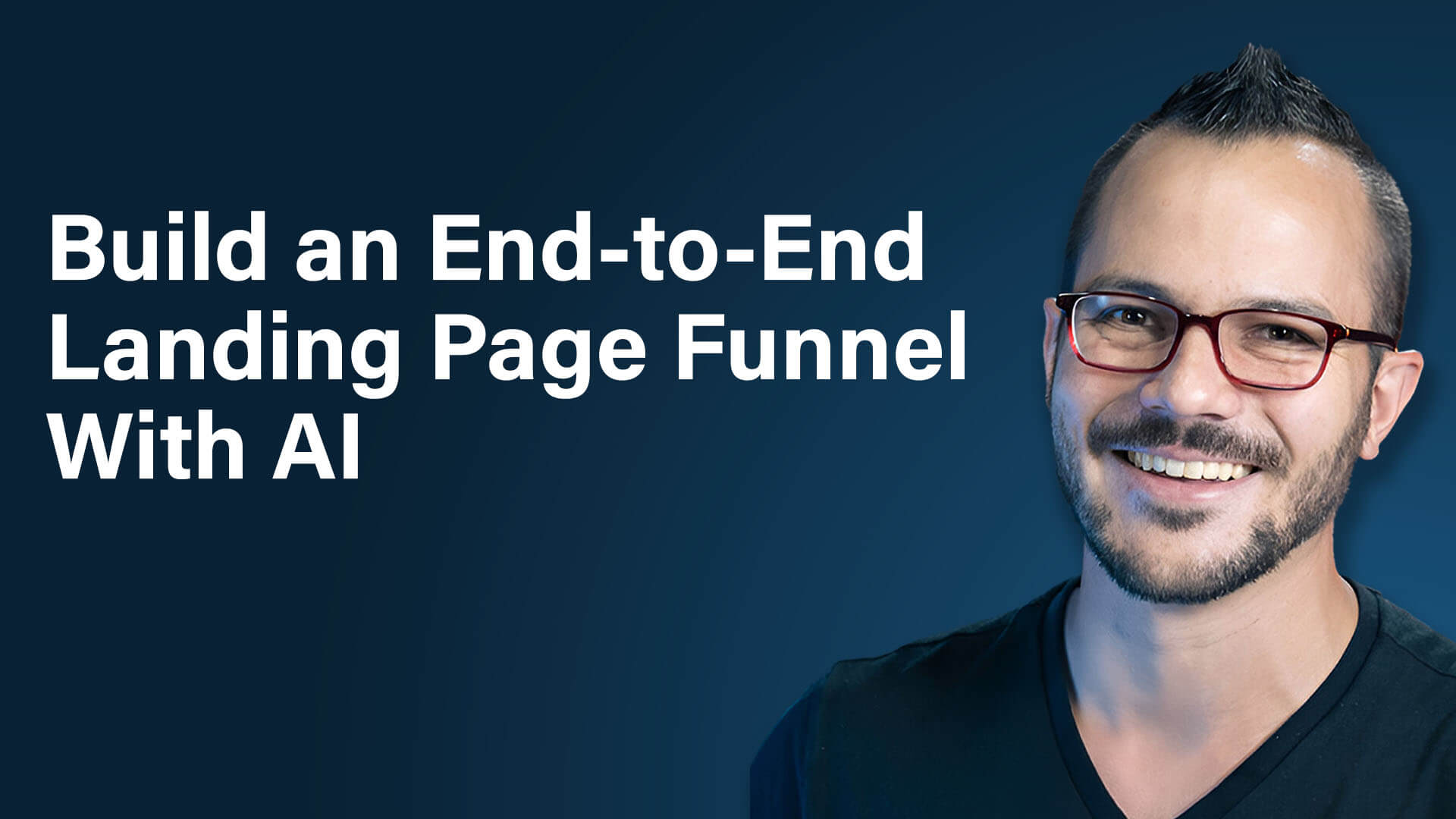
Perhaps the most common frustration among marketers today is the "Productivity Paradox"—the feeling that despite using AI to save time, business growth remains stagnant. According to AI strategist Dan Sanchez, the bottleneck is rarely a lack of content creation; it is the inability to get offers in front of audiences quickly. The solution lies in a streamlined approach to building landing pages.
The "Plan-to-Published" Framework
Sanchez advocates for a departure from traditional "prompt-first" workflows. Instead, he suggests a methodology that prioritizes structural integrity:
- The Scope of Work (SOW): Before touching a design or coding tool, marketers should use a standard LLM chat window to define the campaign’s scope. This includes not just the page content, but the surrounding ecosystem—the email sequences, the tracking pixels, and the lead-nurturing logic that many marketers overlook.
- Synchronized Design and Copy: One of the most effective strategies is having AI handle copy and layout simultaneously. By stacking established copywriting frameworks—such as AIDA (Attention, Interest, Desire, Action)—directly into the layout prompt, marketers can ensure that the aesthetic design reinforces the persuasive intent of the text.
- Delegated Skills: A sophisticated, yet underutilized tactic involves using a "Manager-Worker" model. A premium AI model (the manager) can be tasked with overseeing a series of smaller, specialized, and more cost-effective models (the workers) to perform routine drafting or data-formatting tasks. This drastically reduces operational costs while maintaining high quality.
- The Human-in-the-Loop Requirement: Despite the speed of AI, the final review process remains non-negotiable. Humans must test the full user journey—from the initial click to the form submission—to ensure that the technical integration is seamless.
Industry Developments: A New Era of Accessibility
The landscape of AI tools shifted significantly this week with two major updates from Google and OpenAI, signaling a move toward deeper integration and enhanced security for small businesses.
Gemini’s Small Business Expansion
Google has officially announced an expansion of its Gemini capabilities tailored specifically for the small business sector. The new suite is designed to simplify the complex operational demands of entrepreneurship. Key features include:
- Centralized Business Hub: A unified dashboard that integrates branding tools, financial analytics, and connectivity across the Google Workspace ecosystem.
- Visual Identity Management: Enhanced image generation tools that allow businesses to maintain consistent branding across marketing assets without requiring a dedicated design team.
- Financial Insights: New capabilities that translate raw business data into interactive, human-readable insights, helping owners make faster, data-driven decisions.
OpenAI’s Focus on Data Privacy
In response to growing concerns over enterprise privacy, OpenAI has introduced "Locked Chats" for ChatGPT. This feature allows users to protect individual conversations with a PIN or biometric authentication.
- The Mechanism: Locked chats are siloed in a secure section with unique memory settings. This ensures that sensitive business discussions do not pollute the "memory" of regular, daily interactions.
- The Caveat: While this adds a vital layer of security against casual unauthorized access on shared devices, it is important to note that this does not modify the underlying data retention or encryption policies of the platform. It is a user-level control mechanism, not a total privacy overhaul.
Implications: The Shift Toward Community-Led Learning
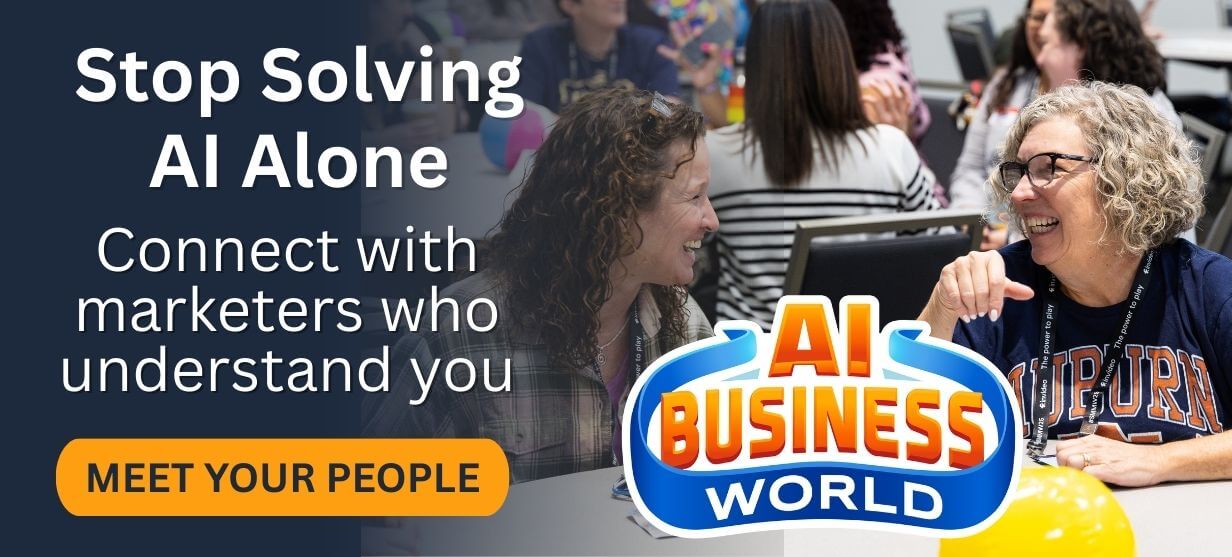
While tutorials and software provide the technical foundation, the most profound insights are often found in peer-to-peer discourse. The "AI Business World" conference, held in Anaheim, serves as a testament to this shift. Unlike traditional trade shows, the focus has moved toward practitioner-led sessions where speakers share "in the trenches" strategies rather than marketing their own services.
This shift toward community-based intelligence is crucial. In an era where AI can generate answers to almost any question, the value proposition for professionals has moved from "having the information" to "knowing how to apply the information to solve specific business problems."
Conclusion: Preparing for the Future
The evolution of the marketing landscape is accelerating. The tools are more capable, the automations are more fluid, and the security protocols are becoming more robust. However, the core requirement for success remains unchanged: a clear strategy.
As you prepare to sign off for the week, consider these three takeaways:
- Start Simple: Identify one recurring, manual task and build a "Trigger/Action" flow to automate it.
- Think Strategically: When building landing pages or campaigns, prioritize the scope of work and the user journey over the initial AI prompt.
- Prioritize Privacy: Utilize new features like Locked Chats to ensure that your business’s competitive intelligence remains secure.
The technology is ready. The question is no longer "What can AI do?" but "What will you build with it?"
For those seeking to deepen their expertise, further resources—including comprehensive field guides on automating workflows—are available through the AI Business Society. Staying informed is the first step toward mastery in this new, automated economy.