In the modern digital landscape, the healthcare sector faces a unique paradox: it possesses the greatest potential for positive social impact while simultaneously operating under the most stringent regulatory pressures. For hospitals, pharmaceutical companies, and private clinics, social media is no longer an optional marketing add-on—it is a critical infrastructure for patient communication, public health education, and talent recruitment.

However, the leap from a traditional medical practice to a digital-first health organization is fraught with legal and ethical pitfalls. From HIPAA compliance to the nuanced management of public health misinformation, healthcare social media requires a level of discipline that far exceeds the standards of standard retail or B2B marketing.

The Pillars of Healthcare Social Media
At its core, social media in healthcare is the strategic use of public platforms to bridge the gap between providers and the public. It serves four primary functions:
- Patient Education: Demystifying complex medical conditions and providing reliable, science-backed guidance.
- Brand Credibility: Humanizing health systems to foster the trust necessary for patient-provider relationships.
- Recruitment: Showcasing workplace culture to attract top-tier clinical and administrative talent in a competitive labor market.
- Public Health Advocacy: Rapid dissemination of information during outbreaks, recalls, or seasonal health shifts.
Unlike other sectors, the "tone and timing" of a post are secondary to legal integrity. In healthcare, a single misstep—such as the inadvertent disclosure of Protected Health Information (PHI)—can trigger federal investigations, massive fines, and irreparable damage to an institution’s reputation.
Chronology of Digital Transformation in Healthcare
The evolution of healthcare social media has progressed in distinct phases over the last two decades:
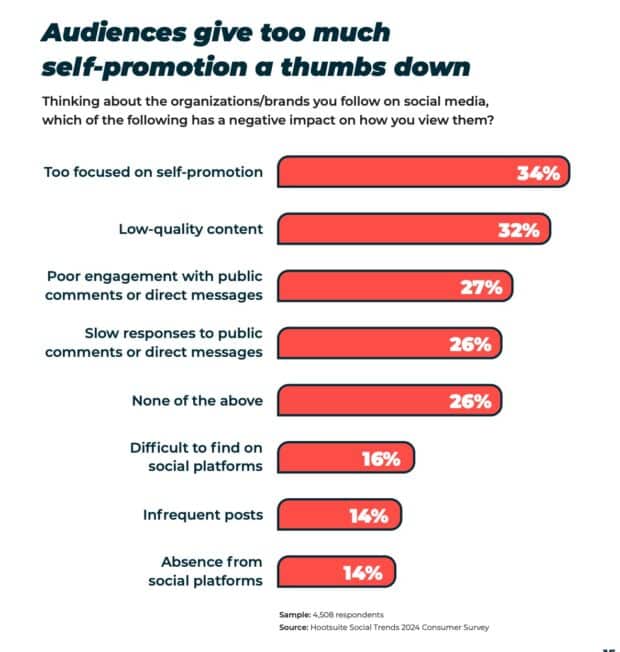
- The Era of Skepticism (2000–2010): Most healthcare organizations avoided social platforms, fearing that digital interaction would undermine professional boundaries or violate patient privacy.
- The Engagement Phase (2010–2018): Early adopters began utilizing platforms like Facebook to share basic location information and general health tips. The focus was on "presence" rather than strategy.
- The Crisis-Driven Acceleration (2020–2022): The global pandemic forced a paradigm shift. Health authorities realized that social media was the most effective tool to combat misinformation and deliver life-saving guidance in real-time.
- The Modern Governance Era (2023–Present): Today, healthcare organizations are adopting sophisticated "Social OS" frameworks. Integration, compliance automation, and AI-driven insights have moved from being "nice-to-have" features to essential operational requirements.
Supporting Data: The ROI and Risk Landscape
Recent industry reports, including data from Hootsuite’s Healthcare Social Media Trends, reveal a sector at a crossroads.
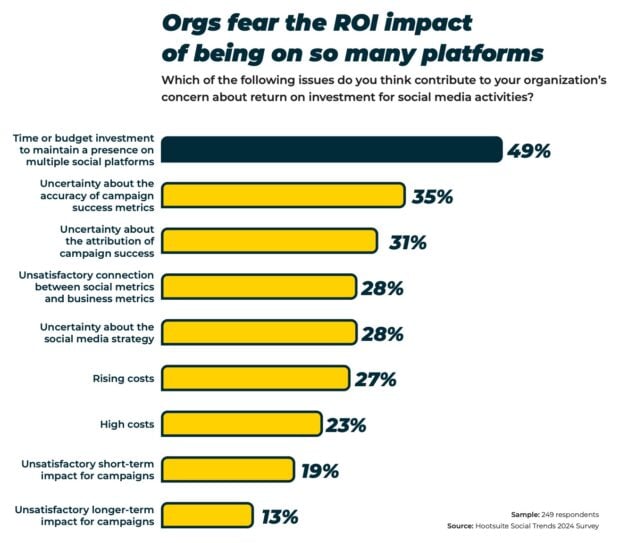
- The Efficiency Gap: Nearly 49% of healthcare organizations cite the cost and time of managing multiple platforms as their primary hurdle.
- The Trust Deficit: While organizations are eager to adopt Artificial Intelligence to manage content, 62% of patients express hesitation toward AI-generated health content. This highlights the necessity for "human-in-the-loop" workflows.
- Financial Stakes: HIPAA violations remain a constant threat, with the U.S. Department of Health and Human Services (HHS) having settled over 150 cases, resulting in more than $144 million in penalties.
- Performance Metrics: Unlike retail, which tracks conversion to purchase, successful healthcare social media tracks engagement, website referral traffic, and recruitment pipeline activity.
Managing Risks: Regulatory Compliance and Ethics
The regulatory burden in healthcare social media is a patchwork of federal, regional, and international laws. Organizations must navigate:
HIPAA (Health Insurance Portability and Accountability Act)
HIPAA is the gold standard of patient privacy. Any content—even a "heartwarming" photo of a patient’s recovery—constitutes a violation if proper, documented, and written consent has not been obtained. Organizations must assume that any detail, including background items in a photo, could potentially lead to patient identification.

The FTC and FDA Standards
When pharmaceutical and medical device companies post online, they are subject to the FDA’s "fair balance" requirement. This mandates that the benefits of a product be presented alongside its risks. The FTC, meanwhile, monitors for "truth in advertising," requiring that all claims (e.g., "clinically proven") be substantiated by rigorous scientific evidence.
State-Level Privacy Laws
In the United States, laws like Washington’s My Health My Data Act are expanding the definition of health privacy to include data collected via pixels and cookies. Organizations that run paid social media campaigns must ensure their tracking technologies are compliant with these emerging state statutes.
Official Guidelines for Crisis and Reputation Management
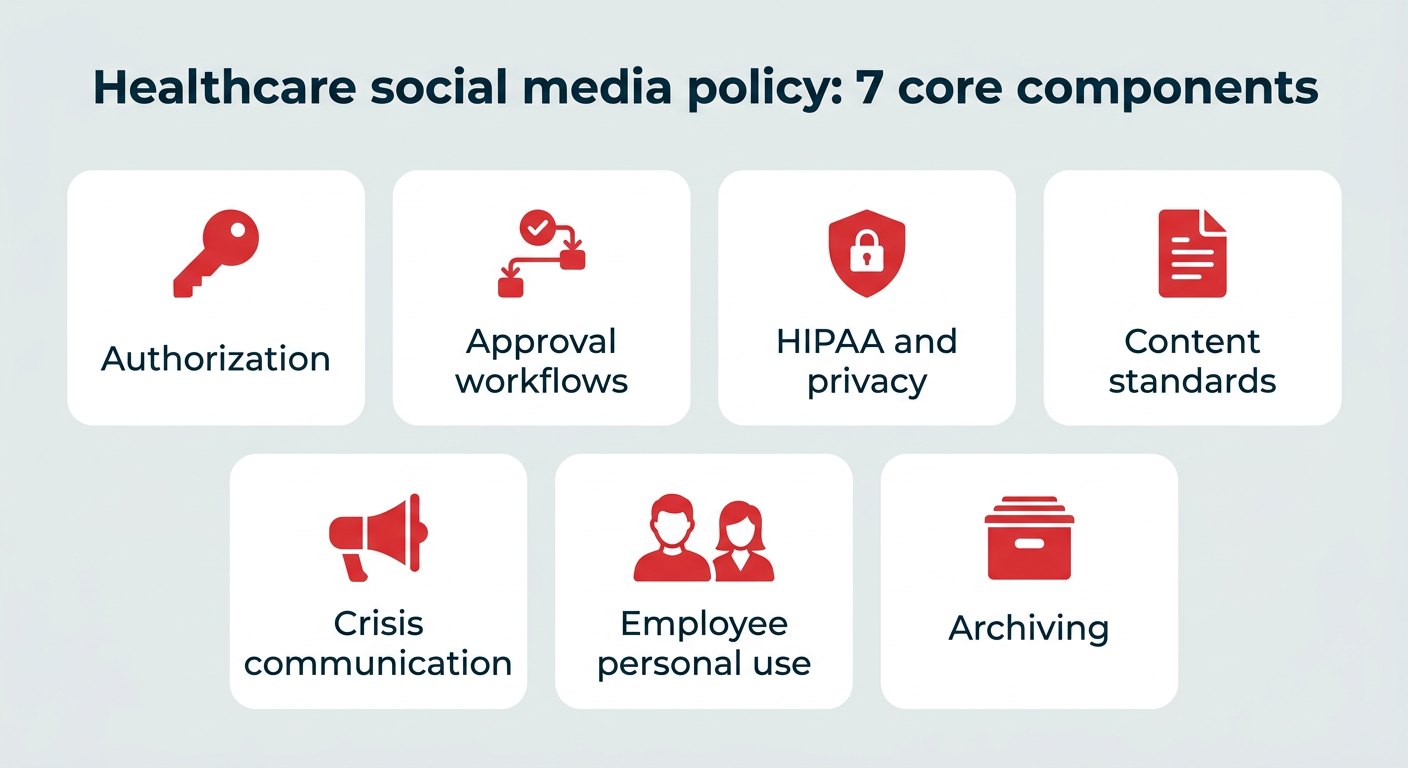
A robust social media policy is not just a document; it is a shield. A comprehensive governance framework should mandate the following:
- Clear Authorization: Define exactly who has the authority to post and, more importantly, who has the authority to approve content.
- Crisis Protocols: Establish a "break-glass" procedure for public relations disasters or viral misinformation. This includes pre-approved templates and a clear chain of command for legal review.
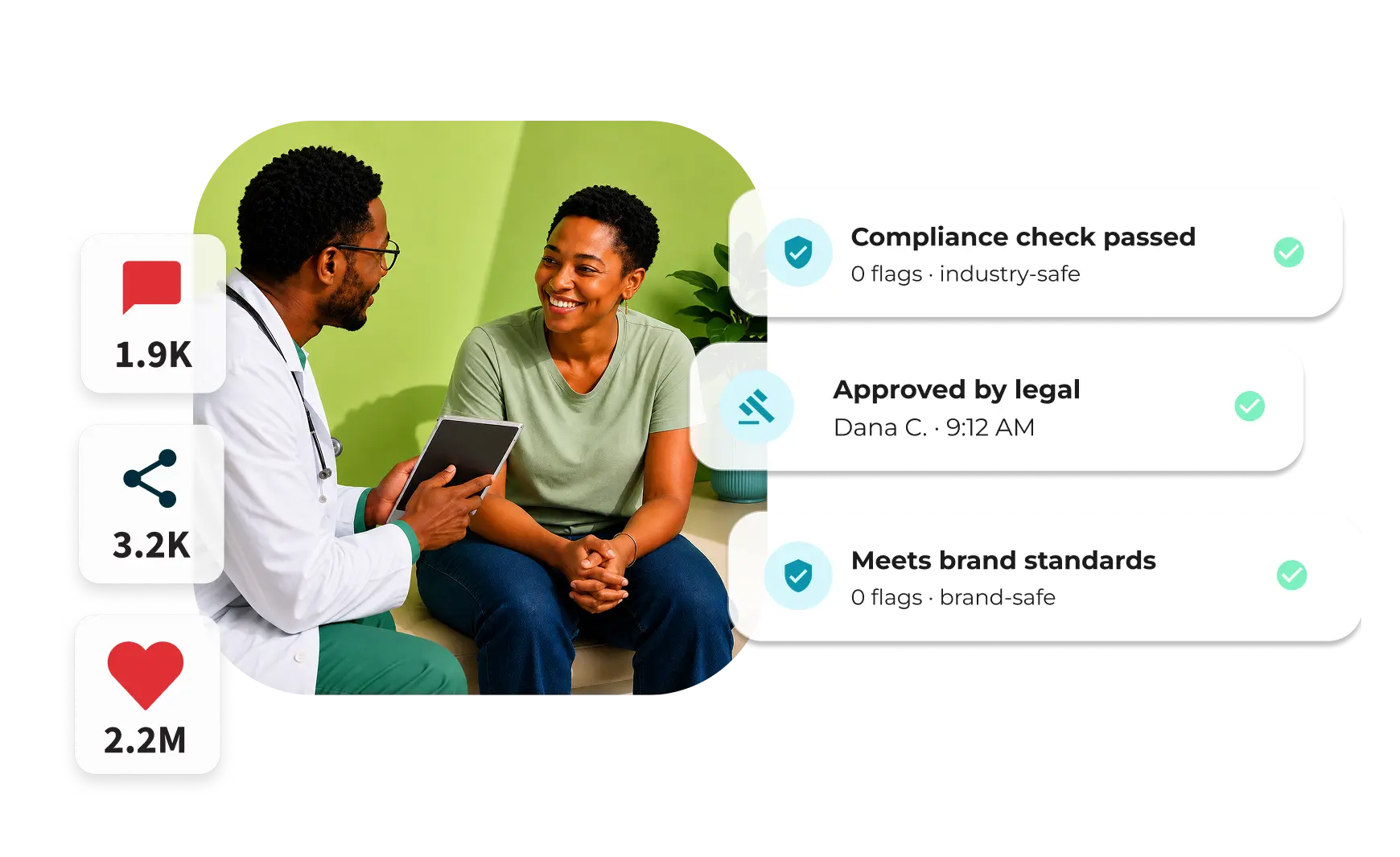
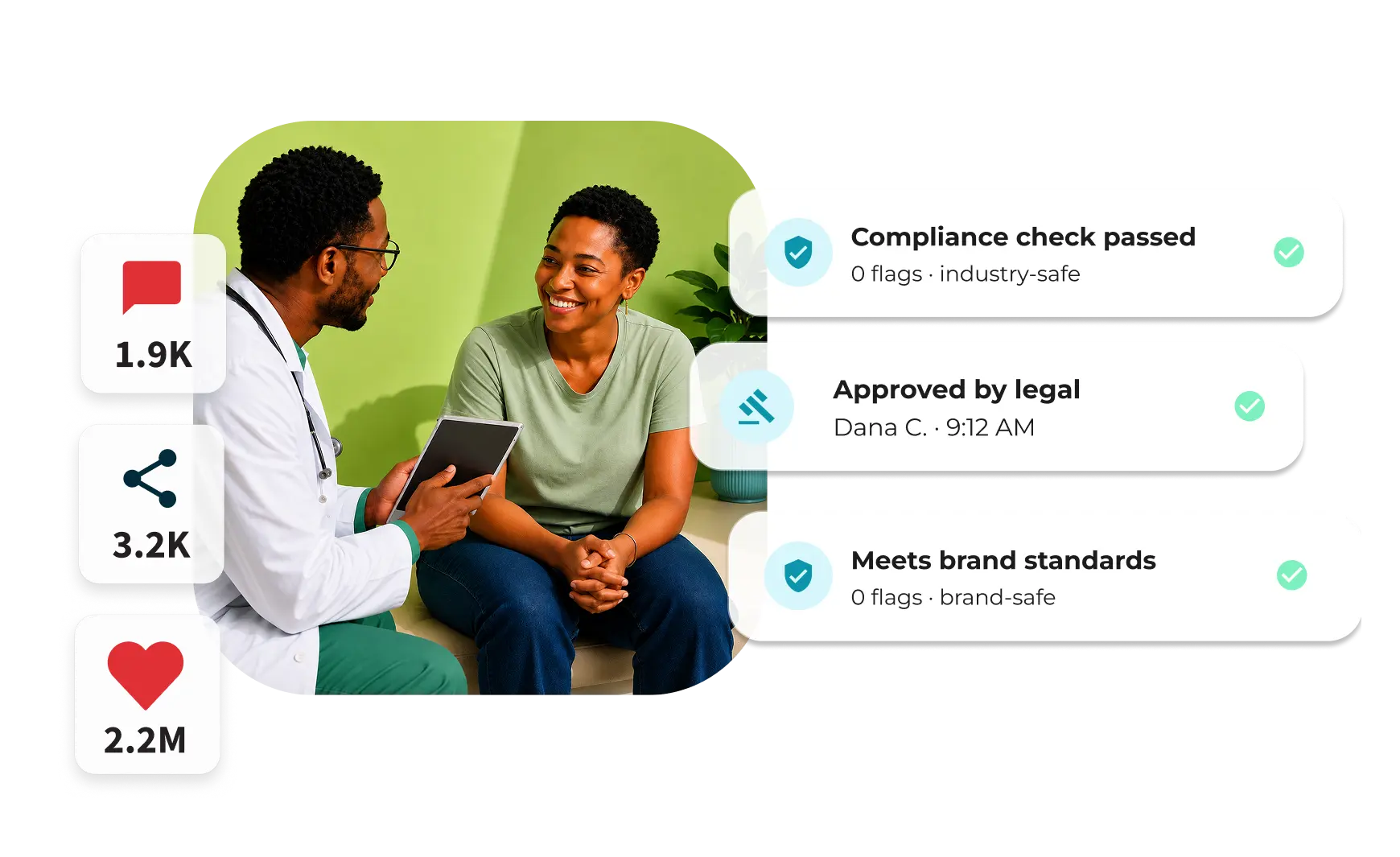
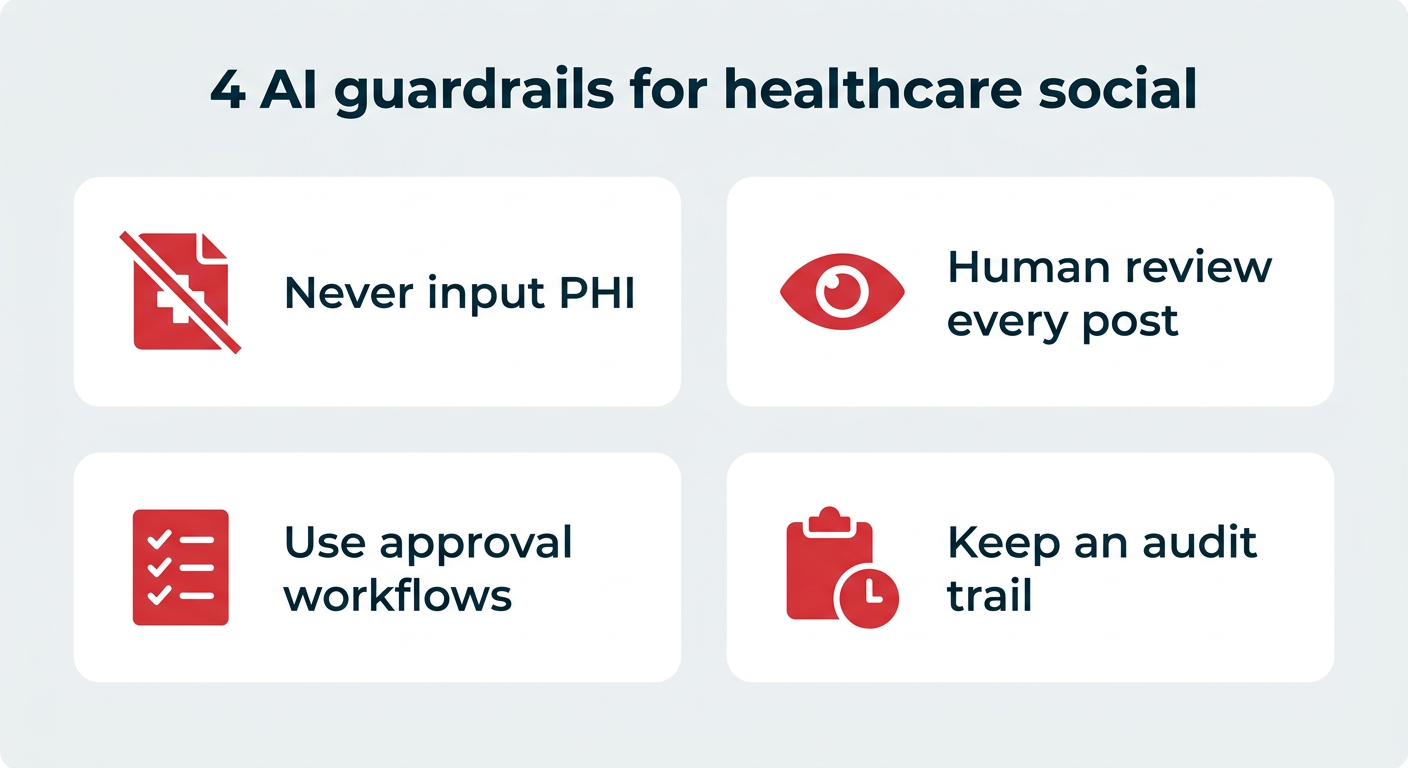
- Review Workflows: Every piece of content, whether written by a human or generated by an AI, must undergo a mandatory compliance check to ensure accuracy and tone.
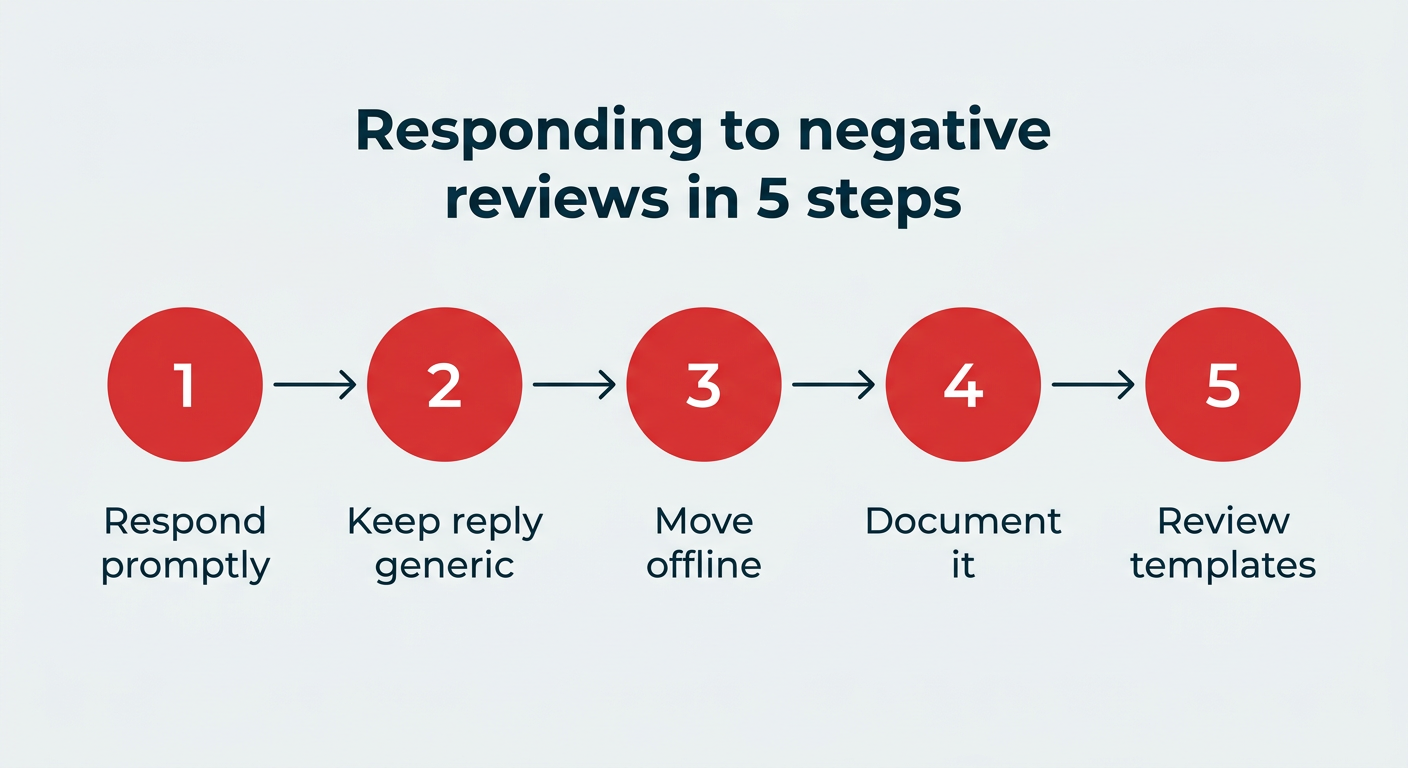
- Handling Negative Feedback: Negative reviews are inevitable. The golden rule is to acknowledge the feedback without confirming or denying a patient relationship. Move the conversation to a private, secure, and HIPAA-compliant channel immediately.
Implications for the Future: AI and Beyond
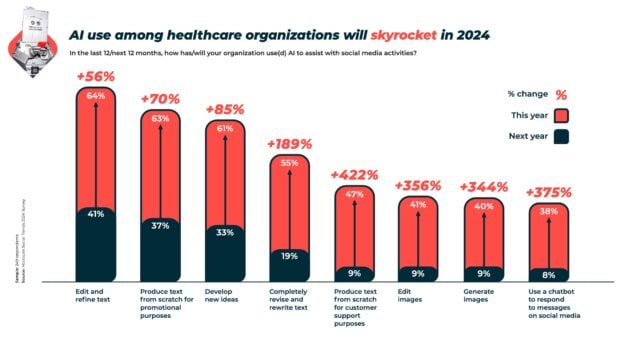
As we look toward the future, the integration of AI in healthcare social media will likely continue to accelerate. However, the successful organizations will be those that use AI for efficiency—such as drafting educational summaries or scheduling posts—while maintaining a "human-centric" approach to patient engagement.
The goal for any healthcare entity in 2025 and beyond is to move away from fragmented management. By consolidating content creation, social listening, and compliance monitoring into a unified system, health organizations can reduce their administrative burden while simultaneously increasing their reach.
Key Takeaways for Leaders
- Quality over Quantity: Posting three times a week with high-quality, vetted information is significantly more effective than daily, generic posts.
- Invest in Advocacy: Employee advocacy programs, where staff are empowered to share pre-approved content, can significantly reduce recruitment costs and improve employer branding.
- Continuous Auditing: A compliance audit should be a quarterly ritual. Don’t wait for a crisis to discover a flaw in your digital presence.
- Listen, Don’t Just Broadcast: Use social listening tools to identify health trends and misinformation early. A credible voice in the feed is the best antidote to the noise of the digital age.
In conclusion, the intersection of healthcare and social media is a high-stakes environment that rewards organizations for their transparency, professionalism, and adherence to ethics. By treating social media as a core clinical and operational asset rather than just a marketing channel, healthcare providers can build the trust necessary to improve outcomes and foster healthier communities.