Introduction: A Convergence of Rhetoric
In an escalating war of words that has sent shockwaves through international diplomatic circles, United States President Donald Trump has intensified his calls for a change in Ukrainian leadership. Following criticism from Kyiv regarding the recent U.S. shift toward easing sanctions on Moscow, President Trump publicly stated in Washington, D.C., that it is "time for somebody else to negotiate on behalf of Ukraine." This latest broadside is part of a deepening rift between the two leaders, with Trump repeatedly characterizing Ukrainian President Volodymyr Zelenskyy as a primary obstacle to peace.
This narrative, which posits that the war could be resolved simply by replacing the head of the Ukrainian government, has found unlikely alignment between the White House and the Kremlin. As the conflict enters its fifth year of grinding, high-intensity combat, the discourse surrounding "the deal" has shifted from geopolitical strategy to a direct, and often vitriolic, focus on the personal legitimacy of the Ukrainian president. However, a closer examination of the facts on the ground suggests that this focus on individual leadership is not only misinformed but fundamentally misinterprets the nature of the Ukrainian resistance.
A Chronology of Declining Relations
The cooling of relations between Washington and Kyiv has been rapid and public. The tension reached a boiling point following President Zelenskyy’s vocal opposition to new U.S. policy initiatives aimed at de-escalating economic pressure on Russia.
- October 15, 2026: Elon Musk, a prominent supporter of the Trump administration, amplified the growing sentiment among the president’s inner circle by tweeting, "And so the slaughter continues. Time for Zelenskyy to go."
- Late October 2026: President Trump solidified this stance, accusing Zelenskyy of having no interest in ending the war and suggesting that Ukraine requires a leader "who can make a deal."
- Concurrent Kremlin Echoes: Mirroring the U.S. rhetoric, Kremlin spokesperson Dmitry Peskov stated that Russia was "in complete agreement" with Trump regarding the status of the Ukrainian head of state. Shortly thereafter, Russian Foreign Minister Sergei Lavrov claimed that Zelenskyy "obviously has no desire even to move towards reaching an agreement."
This public alignment of views between Washington and Moscow represents a significant pivot in the geopolitical landscape, effectively isolating the Ukrainian government from its traditional primary benefactor.
The Myth of the Obstacle to Peace
The assertion that Volodymyr Zelenskyy is the primary barrier to a peaceful resolution of the conflict is a narrative that crumbles under objective scrutiny. When analyzing the diplomatic record since the 2022 full-scale invasion, a different pattern emerges:
- Acceptance of Ceasefires: Zelenskyy has, on multiple occasions, signaled his willingness to accept ceasefire proposals brought forward by American intermediaries. In contrast, every such proposal has been systematically rejected by Moscow.
- Territorial Concessions: Contrary to the depiction of the Ukrainian president as an intransigent warmonger, Zelenskyy has signaled openness to major territorial concessions—a move that would leave nearly a quarter of Ukraine under Russian control.
- The Call for Direct Talks: Zelenskyy has consistently requested face-to-face negotiations with Vladimir Putin to find a path toward ending the bloodshed. These requests have been consistently rebuffed by the Kremlin, which frequently hides behind claims of "illegitimacy" regarding the Ukrainian president to avoid meaningful dialogue.
By any objective metric, the Ukrainian leadership has shown a greater propensity for compromise than the Russian Federation. The Kremlin’s persistent questioning of Zelenskyy’s democratic mandate—citing the inability to hold standard elections during a state of martial law—serves as a convenient diplomatic smoke screen to avoid the reality that Putin’s objectives remain imperial, not administrative.
Supporting Data: The Reality of the "Existential Struggle"
The belief held by some in Washington and Moscow that the removal of Zelenskyy would lead to a "Russia-friendly peace" is widely regarded by regional experts as a dangerous delusion. The resilience of the Ukrainian war effort is not a product of one man’s charisma or political power; it is rooted in a collective national consensus regarding survival.
Recent polling data consistently shows that support for Zelenskyy remains robust, and he would likely command a significant mandate in any post-war democratic election. However, even if he were to be replaced, there is no evidence that a new leader would possess the domestic support required to cede sovereignty or accept Russian terms that threaten the nation’s long-term existence.

Ukrainians have lived through years of systematic "russification" and state-sponsored violence in occupied territories. They are well-acquainted with the Kremlin’s stated ideology—one that denies the existence of a distinct Ukrainian identity. For the average Ukrainian, the war is not about the personality of their president; it is about the prevention of what they perceive as an impending genocide.
Official Responses and Diplomatic Implications
The official stance of the Kremlin has remained consistent since 2014. From Vladimir Putin’s 5,000-word essay questioning Ukrainian statehood to his repeated assertions that "all of Ukraine is ours," the rhetoric from Moscow has been clear. The occupation authorities have moved to erase Ukrainian culture, language, and history, effectively turning the occupied regions into a testing ground for total national identity erasure.
UN officials have classified the mass arrests and deportations occurring in occupied Ukraine as crimes against humanity. With these events as the backdrop, it becomes clear why the Ukrainian populace remains committed to resistance. The "genocidal" rhetoric emanating from Moscow is not merely for domestic consumption; it is the blueprint for the administrative reality in the territories Russia currently holds.
The Strategic Miscalculation
The current fixation on Zelenskyy’s "personality" by both Trump and Putin constitutes a fundamental intelligence and strategic failure. It assumes that the Ukrainian people are passive subjects who would accept the dictates of a new leader, provided that leader is willing to sign away the country’s future.
This view ignores:
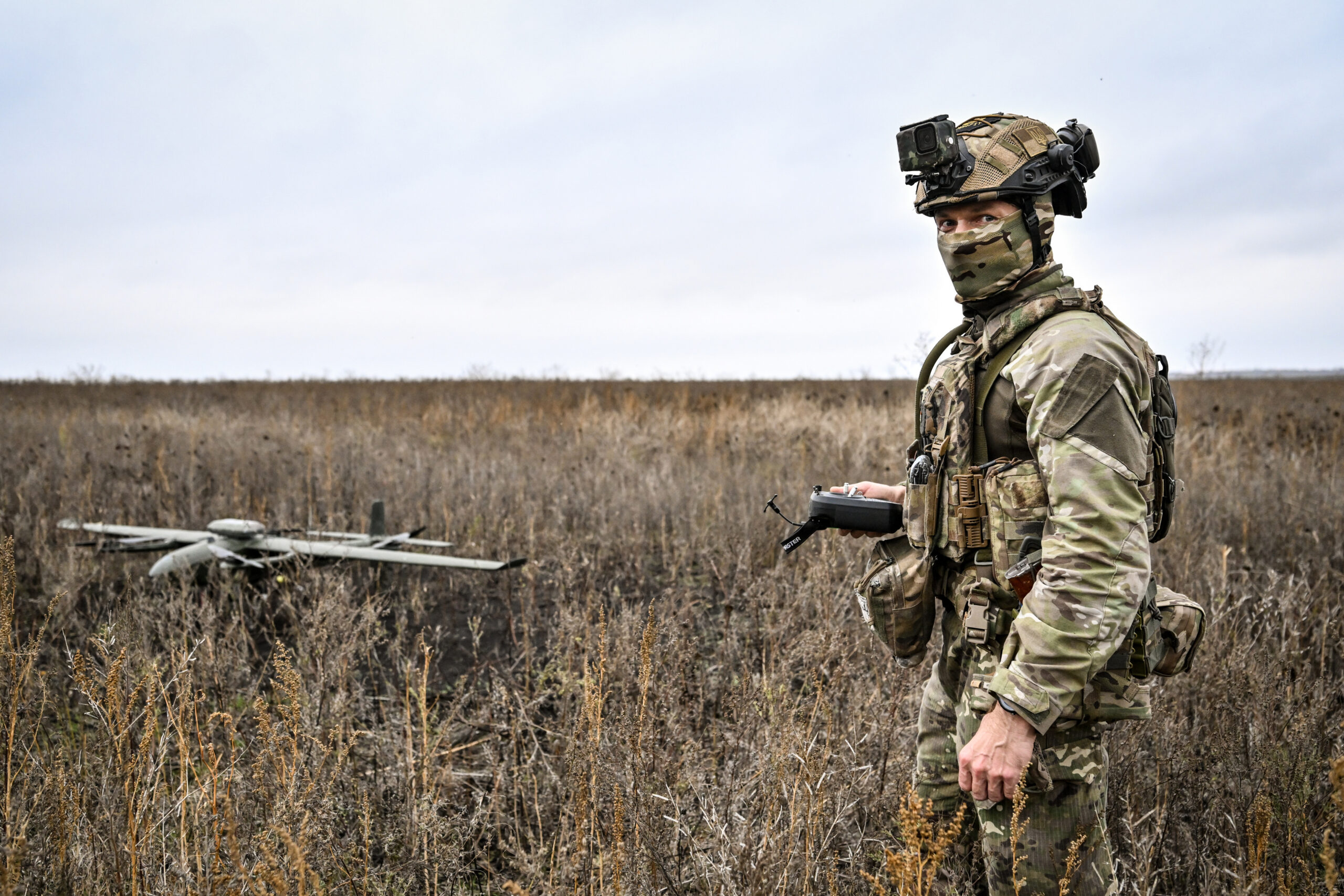
- The Grassroots Nature of Defense: The Ukrainian armed forces and civil society are composed of millions who view the conflict as a binary choice between sovereignty and total eradication.
- The Memory of Occupation: The brutalization of civilians in Bucha, Mariupol, and elsewhere has hardened public opinion. Any leader who attempted to accept a "peace" that lacked ironclad security guarantees would likely face immediate and massive internal upheaval.
- The Inevitability of Resistance: Even if a puppet regime were installed, it would lack the legitimacy required to govern a population that has spent years fighting for its right to exist as a sovereign nation.
Conclusion: Beyond the Presidency
As the world watches the Russian invasion of Ukraine, the focus on the Ukrainian presidency acts as a distraction from the fundamental nature of the conflict. The war is not a personal feud between leaders in Washington, Moscow, and Kyiv; it is a struggle for the survival of a nation.
While President Trump may believe that a "deal" can be brokered through a change in personnel, the reality is that the Ukrainian struggle is independent of any single officeholder. The resilience of the Ukrainian people is borne of the traumatic realization that their neighbor’s goal is not merely territorial acquisition, but the erasure of their very identity. Unless the international community recognizes that this conflict is an existential one, diplomatic efforts will continue to fail, trapped in the circular logic of attempting to resolve a structural, historical, and genocidal threat with simple political maneuvering.
Ultimately, the trajectory of this war will be determined by the collective will of the Ukrainian people, who have proven that they are willing to endure unimaginable trauma rather than accept a fate that strips them of their national existence. Whether or not Zelenskyy remains in power, the fundamental impetus for Ukrainian resistance remains unchanged, and the path to a sustainable peace remains as elusive as ever, blocked not by a man, but by a clash of fundamental visions for the future of Eastern Europe.