The global sugar industry is currently navigating a period of profound transformation. Confronted by volatile market dynamics, soaring operational expenditures, and a persistent mandate to enhance efficiency, producers are being forced to rethink their capital allocation strategies. For many, this has meant a shift toward consolidating operations, modernizing legacy facilities, or divesting non-core assets to remain competitive. In this climate, access to precise asset intelligence and a robust monetization strategy has transitioned from a back-office consideration to a boardroom priority.
As companies look to streamline their footprints, the role of specialized asset advisory firms has become central to corporate strategy. Hilco APAC, a leader in valuation and industrial advisory, has emerged as a key partner for sugar producers, mill operators, and financial stakeholders across the Asia-Pacific region. By providing independent, data-driven assessments of plant, machinery, and industrial assets, Hilco is helping the industry unlock capital that was previously trapped in underutilized infrastructure.
The State of the Sugar Industry: A Macro Perspective
The sugar sector, a pillar of the global food and beverage industry, is under intense pressure. Rising energy costs, supply chain complexities, and the need for environmental sustainability have compressed margins. Furthermore, the push for increased automation and the integration of "Industry 4.0" technologies has rendered some older processing facilities less economically viable.
Industry analysts note that the current cycle is defined by "right-sizing." Producers are no longer simply maintaining existing assets; they are actively auditing their portfolios to identify which components—be they milling lines, power generation units, or packaging facilities—provide the highest return on investment. This shift has necessitated a more sophisticated approach to asset management, moving beyond simple book-value reporting toward active, strategic market engagement.
Chronology of Strategic Asset Shifts in Food Manufacturing
The current trend toward asset rationalization did not occur in a vacuum. It is the culmination of years of supply chain instability and shifting consumer preferences.
- 2020–2021: Pandemic-driven supply chain disruptions exposed significant inefficiencies in centralized processing models. Many producers began to explore decentralized or more modular manufacturing strategies.
- 2022: The commissioning of high-efficiency, automated assets—such as the SIS Sugar icing sugar facility—marked a shift toward specialized, high-output, low-labor-dependency equipment.
- 2023–2024: As interest rates rose and capital became more expensive, the "cost of carry" for idle or underperforming assets became unsustainable, leading to a surge in divestment activity.
- 2025: Asset advisory firms began to see an uptick in demand for "secondary market intelligence," as buyers sought to avoid the long lead times associated with new industrial equipment.
- 2026 (Present): Hilco APAC’s appointment by SIS Sugar to manage the sale of their Singapore-based icing sugar line highlights the current market focus: the rapid redeployment of near-new, fully integrated production platforms.
The SIS Sugar Milestone: A Case Study in Modernization
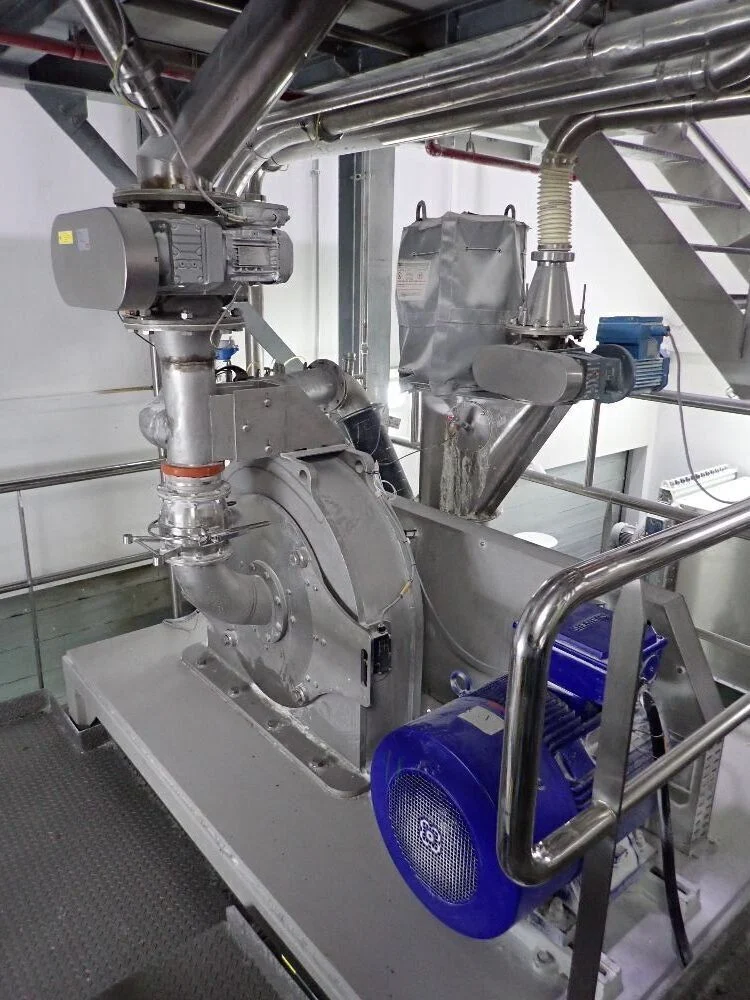
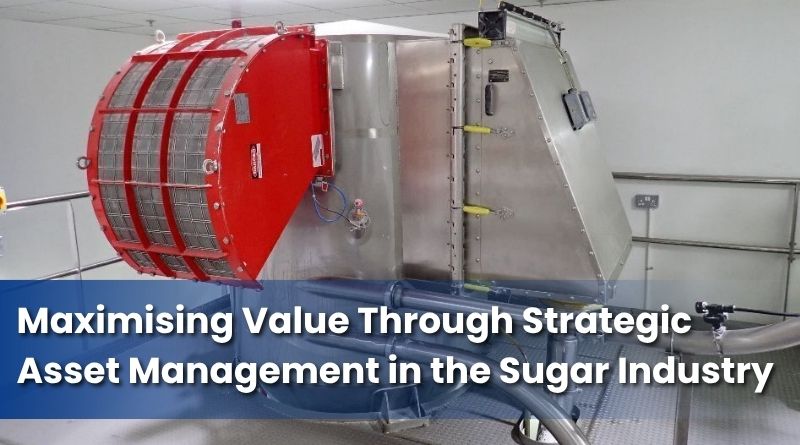
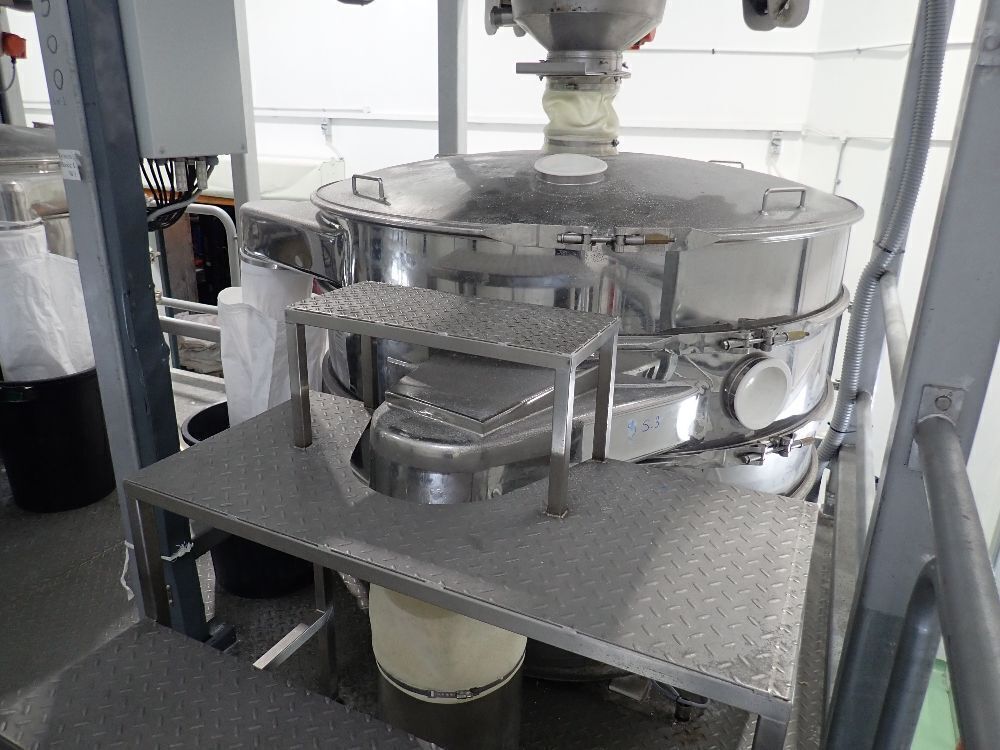
A prime example of this strategic movement is the recent appointment of Hilco APAC by SIS Sugar to manage the sale of a state-of-the-art icing sugar milling and packing facility in Singapore. Commissioned as recently as 2022, the facility represents the cutting edge of sugar processing technology.
Capable of processing up to 1,800kg of icing sugar per hour, the facility is a masterclass in automated integration. It features advanced milling technology, automated material handling, and sophisticated contamination control protocols. Critically, the plant includes robotic palletizing systems and explosion protection—safeguards that are essential in modern food safety and worker protection frameworks.
For potential buyers, this facility represents a rare "turnkey" opportunity. In an environment where the lead times for custom-engineered food processing lines can stretch for months or even years, acquiring a 2022-era plant allows for immediate operational capacity expansion. This is the definition of "smart capital recovery"—the original owner gains liquidity, while the buyer gains a modern, compliant production line without the delays of the traditional OEM manufacturing cycle.
Beyond Valuation: The Anatomy of Asset Recovery
The expertise required to move high-value industrial assets is vastly different from general real estate or inventory disposal. Hilco’s methodology relies on an extensive global database of industrial transactions. This allows them to identify "highest-value pathways" for recovery.
For a sugar mill operator, this might involve the following strategic breakdown:
- Direct Resale: For near-new equipment, finding a direct operator in an emerging market who can utilize the asset in its existing configuration.
- Component Breakdown: In cases where a full line cannot be sold, specialized components—boilers, turbines, and milling gears—are often highly sought after by firms maintaining older plants that require replacement parts no longer in production.
- Strategic Remarketing: Leveraging global industrial platforms to reach buyers outside the immediate geographical radius of the asset.
By understanding the secondary market demand, Hilco helps clients avoid the "scrap trap." Too often, firms dispose of industrial machinery as scrap metal, losing the massive value-add inherent in the machinery’s operational potential. Strategic remarketing transforms these assets from liabilities into significant liquidity.
Official Perspective: The Value of Independent Advisory
Industry experts at Hilco APAC emphasize that the goal of their service is not merely to "sell equipment," but to provide a comprehensive roadmap for asset life-cycle management.
"In an industry where capital efficiency is the primary metric of success, every piece of underutilized machinery is a drag on the balance sheet," a senior advisor at Hilco noted. "Our role is to provide the intelligence required to make an informed decision: Is it worth upgrading, or is it time to divest and reinvest in core competencies?"
This advisory role is particularly critical during restructuring or M&A (Mergers and Acquisitions) activity. When firms merge, they often end up with redundant processing lines. Hilco’s valuation services provide the financial clarity required to ensure these assets are either integrated, sold, or repurposed, ensuring that the valuation of the deal remains accurate and reflective of current market conditions.
Implications for the Future of Sugar Production
The implications of this shift toward active asset management are far-reaching.
Increased Market Liquidity
As more firms like SIS Sugar utilize professional advisory services, the secondary market for food processing equipment will become more transparent and liquid. This will lower the barrier to entry for smaller producers who cannot afford brand-new, top-tier machinery but can effectively utilize high-quality, pre-owned equipment.
Sustainability and the Circular Economy
From a sustainability standpoint, the redeployment of industrial assets is a significant win. Manufacturing heavy equipment is resource-intensive; extending the life cycle of a milling line through resale, rather than recycling it for scrap, represents a more sustainable approach to industrial production.
Operational Resilience
Producers who maintain a clear, updated register of their asset values are better positioned to respond to market shocks. Whether it is securing financing against tangible assets or divesting to raise cash during a commodity price slump, companies with high-quality asset intelligence possess a superior strategic buffer.
Conclusion: Unlocking Potential in an Evolving Market
The sugar industry remains a vital component of the global economy, but its future success will be defined by its ability to manage capital with surgical precision. The partnership between producers and firms like Hilco APAC signifies a maturing market—one where industrial assets are treated as dynamic components of a broader financial strategy.
Whether through the sale of high-tech facilities like the SIS Sugar icing line or the ongoing valuation work supporting M&A activity across the Asia-Pacific region, the message is clear: there is hidden value in every mill and warehouse. By combining deep industrial expertise with a global reach, Hilco APAC is providing the tools necessary for the industry to navigate the challenges of the coming decade. As the industry continues to evolve, the ability to monetize assets effectively will distinguish the leaders from the laggards, ensuring that the sugar sector remains robust, efficient, and profitable for years to come.