Prishtina, Kosovo – The ambitious bid by Prishtina to host the Mediterranean Games in 2030 has been plunged into a deep crisis, as Mayor Përparim Rama has publicly accused the Minister of Sport, Blerim Gashani, and by extension the Kosovar central government, of a profound communication failure with the International Committee of Mediterranean Games (ICMG). In a scathing public statement, Mayor Rama alleged that the ICMG is receiving no responses from the Kosovar side, leading to grave concerns and the potential for an extraordinary meeting to re-evaluate Prishtina’s candidacy. This escalating dispute not only threatens a landmark opportunity for Kosovo but also exposes a worrying rift in inter-institutional cooperation at a critical juncture.
Mayor Rama Alleges Communication Breakdown with ICMG, Blames Minister Gashani
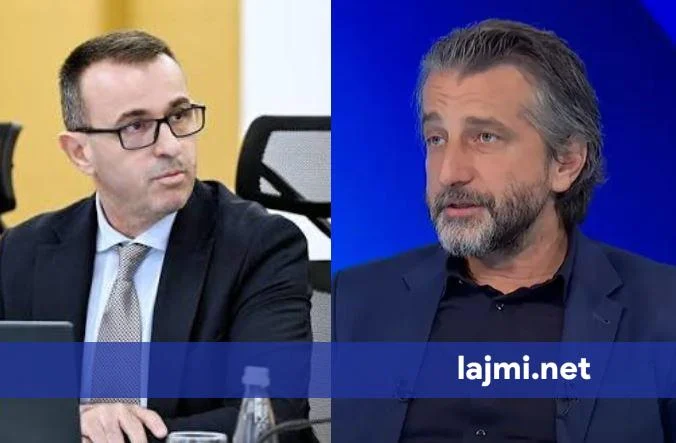
The core of Mayor Rama’s accusation revolves around an alleged lack of official communication from the Kosovar authorities to the ICMG. According to Rama, the international body responsible for the Mediterranean Games has expressed significant apprehension regarding the silence from Prishtina. "Minister, translate the letter! I’m not saying it, the ICMG is saying that you are not responding, and therefore they will call an extraordinary meeting to see what to do with us! This is official!" Rama declared in a social media post, directly challenging Minister Gashani. The urgency in Rama’s tone underscores the severity of the situation, suggesting that the ICMG’s patience is wearing thin and that the bid’s future hangs precariously in the balance.
The Mayor’s public outcry implies that the lack of engagement from the Ministry of Sport, under Minister Gashani’s leadership, is jeopardizing years of preparatory work and national aspirations. Such a communication vacuum with an international governing body is highly unusual and, if true, could be perceived as a profound lack of commitment or organizational capacity from the bidding nation. For a nascent state like Kosovo, striving for greater international recognition through major sporting events, any perceived misstep can carry disproportionately heavy consequences. The call for an "extraordinary meeting" by the ICMG, as alleged by Rama, signals a red flag that could potentially lead to the withdrawal of Prishtina’s bid, a development that would be a significant blow to the nation’s sporting ambitions and global standing.
Prime Minister Kurti Implicated in Alleged Bid Name Controversy
Beyond the immediate communication breakdown, Mayor Rama’s statement delved into more politically charged territory, bringing Prime Minister Albin Kurti into the fray. Rama claimed that, unofficially, the ICMG was "scandalized" by alleged demands made by Prime Minister Kurti. Specifically, Rama referred to a request to change the bid’s official name from "Prishtina 2030" to "Kosova 2030," and the Prime Minister’s alleged desire to personally head the organizing committee. "Unofficially, you and I know what they told us! You know they were scandalized when your boss, Kurti, asked to change the name from ‘Prishtina 2030’ to ‘Kosova 2030,’ when he asked to become the chairman himself, etc., etc.!" Rama wrote, directly linking the Prime Minister’s alleged actions to the ICMG’s displeasure.
These claims introduce a new layer of complexity to the crisis. While the bid is formally "Prishtina 2030," it is undoubtedly a national project that would involve the entire country. However, changing the official name of the bid at a late stage, particularly if not done through established protocols and in agreement with all stakeholders, could be viewed by the ICMG as an attempt to alter fundamental aspects of the proposal. Moreover, the alleged insistence of the Prime Minister to personally chair the organizing committee, while perhaps stemming from a desire to ensure high-level political backing, could be perceived by international bodies as an overreach or an attempt to centralize power, potentially undermining the autonomy and expertise of the sporting federations and municipal leadership that typically drive such bids. Such allegations, if substantiated, point to internal political struggles and a lack of unified strategy that could severely undermine international confidence in Kosovo’s ability to host a major multi-sport event. The implication of the highest office in the country in such controversies paints a grim picture for the bid’s prospects.
Chronology of a Mounting Crisis: From Grand Vision to Public Confrontation
The current crisis surrounding Prishtina’s bid for the Mediterranean Games 2030 is not an isolated incident but the culmination of various developments, showcasing a concerning trajectory from a shared national aspiration to a contentious political battle. Understanding the sequence of events and the evolving roles of different actors is crucial to grasping the depth of the challenge.
The Genesis of Prishtina’s Ambitious Bid
Prishtina’s aspiration to host the Mediterranean Games in 2030 was born out of a profound desire to showcase Kosovo’s capabilities on the international stage and to accelerate its development. The idea gained significant traction in recent years, fueled by a young, ambitious population and a leadership keen on projecting a modern, capable image of the country. The initial bid proposal, championed primarily by the Municipality of Prishtina and supported by the Kosovo Olympic Committee, envisioned not just a sporting event but a catalyst for urban regeneration, infrastructure development, and a boost to the national economy. The "Prishtina 2030" banner was carefully crafted to reflect the city’s identity while implicitly representing the entire nation’s commitment. For a country that gained independence relatively recently, securing such a prestigious event would be a monumental achievement, signaling its full integration into the European and global sporting community. The early stages of the bid were characterized by optimism, enthusiasm, and a sense of national unity behind the project. Feasibility studies, preliminary architectural plans, and initial outreach to the ICMG formed the groundwork, all driven by the understanding that a cohesive national effort would be essential for success.
Central Government’s Entry and Alleged Intervention
As the bid progressed and its potential significance became clearer, the central government, through the Ministry of Sport and the Prime Minister’s Office, naturally became more involved. This involvement was initially seen as a positive step, providing the necessary political and financial backing that a project of this magnitude requires. However, according to Mayor Rama’s allegations, this involvement gradually shifted from support to intervention, particularly concerning the project’s identity and leadership. The alleged request by Prime Minister Kurti to change the bid’s name from "Prishtina 2030" to "Kosova 2030" marks a pivotal point in this narrative. While seemingly a minor detail, such a change, if not handled collaboratively and with international sporting protocols in mind, could signal internal discord or a lack of understanding of the bidding process. Furthermore, the Prime Minister’s alleged desire to head the organizing committee, bypassing the established structures of the municipality and the Olympic Committee, could be interpreted as an attempt to centralize control and perhaps sideline key stakeholders who have been instrumental from the outset. These alleged interventions, if true, indicate a potential power struggle that began to fester behind the scenes, gradually eroding the unified front essential for international bids.
The Unanswered Calls: ICMG’s Mounting Concern
The culmination of these internal tensions appears to have manifested in a critical breakdown of communication with the International Committee of Mediterranean Games (ICMG). According to Mayor Rama, the ICMG has been attempting to engage with the Kosovar side, presumably the Ministry of Sport or the central government, but has been met with silence. This alleged lack of response is not merely an administrative oversight; it signals a profound disregard for the international body’s procedures and expectations. The ICMG, as the custodian of the Games, requires regular updates, clarifications, and reassurances from bidding cities. A sustained period of unresponsiveness would naturally trigger alarm bells. Rama’s statement implies that the ICMG’s concerns have escalated from routine inquiries to serious apprehension, to the point where they are contemplating an "extraordinary meeting" to discuss the future of Prishtina’s bid. This suggests that the communication breakdown has reached a critical stage, potentially endangering the entire bid process and reflecting poorly on Kosovo’s reliability as a future host. The silence from the Kosovar side, if confirmed, paints a picture of disorganization or internal paralysis that is directly undermining the nation’s international ambitions.
Mayor Rama’s Urgent Public Appeal
Mayor Përparim Rama’s decision to go public with these grave allegations through a social media post marks a significant escalation in the crisis. His direct challenge to Minister Gashani, urging him to "translate the letter," was not just a call for transparency but a desperate plea for accountability and action. By exposing the alleged communication failures and implicating the Prime Minister in controversial demands, Rama effectively transformed an internal administrative issue into a public spectacle. This move, while perhaps a last resort, highlights the depth of his frustration and concern that the bid he and his municipality have championed is on the verge of collapse due to central government inaction or mismanagement. The public appeal serves as a desperate attempt to force a response, to generate public pressure, and perhaps to salvage a bid that he believes is being squandered by those in power. His emphasis on the ICMG’s direct communication ("I’m not saying it, the ICMG is saying…") aims to lend credibility to his claims and underscore the official nature of the international body’s concerns.
The Stakes Are High: Why the Mediterranean Games Matter to Kosovo
The Mediterranean Games are far more than just a sporting competition for Kosovo; they represent a multifaceted opportunity for national development, international recognition, and a significant boost to its global standing. The potential loss of the Prishtina 2030 bid would therefore be a profound setback, impacting various sectors of society.
A Gateway to International Recognition and Development
For Kosovo, a young nation that declared independence in 2008, international recognition remains a cornerstone of its foreign policy objectives. Hosting a major multi-sport event like the Mediterranean Games would be a powerful statement to the world about its statehood, organizational capabilities, and readiness to engage on a global scale. It would provide an unparalleled platform to showcase its culture, hospitality, and progress to an audience spanning 26 countries from three continents. Beyond the immediate spotlight, successfully hosting such an event would solidify Kosovo’s image as a stable and capable nation, potentially fostering greater diplomatic relations and attracting further international investment. This is not merely about sports; it is about nation-building and asserting Kosovo’s place in the international community. The prestige associated with the Games would open doors for future collaborations and elevate Kosovo’s profile in various international forums, far beyond the realm of sport.
Economic Windfall and Infrastructure Transformation
Hosting the Mediterranean Games promises a substantial economic windfall and a transformative impact on infrastructure. The preparation phase alone would necessitate significant investments in new sports venues, athlete villages, transportation networks, and accommodation facilities. This would generate thousands of jobs, stimulate local businesses, and inject considerable capital into the economy. Beyond the construction phase, the Games themselves would attract tens of thousands of athletes, officials, media personnel, and tourists, leading to increased revenue in hospitality, retail, and service sectors. The legacy infrastructure, such as modern stadiums, training centers, and improved public transport, would serve the citizens of Prishtina and Kosovo for decades to come, enhancing the quality of life and supporting future sporting endeavors. This long-term economic and infrastructural development is a primary driver for any city bidding for major events, and for Prishtina, it represents a unique chance to accelerate its modernization and urban planning goals. The economic stimulus could be a vital engine for growth, particularly for a developing economy like Kosovo’s.
Elevating Kosovo’s Sporting Profile
Kosovo has made remarkable strides in international sports in recent years, particularly in judo, where its athletes have achieved Olympic glory. However, the nation’s overall sporting infrastructure and broader athletic development still require significant investment. Hosting the Mediterranean Games would provide an immense boost to the entire sporting ecosystem. It would inspire a new generation of athletes, encourage greater participation in various sports, and lead to the development of world-class coaching and training programs. The opportunity for Kosovar athletes to compete on home soil against some of the best in the Mediterranean region would be invaluable, fostering national pride and potentially leading to new sporting heroes. Furthermore, the exposure and experience gained from organizing such a large-scale event would enhance the administrative and technical capacities of Kosovo’s sporting federations, preparing them for future international challenges. It would solidify Kosovo’s reputation as a serious contender in the world of sports, moving beyond individual successes to a broader national sporting prowess.
The Mandate of the International Committee of Mediterranean Games (ICMG)
The International Committee of Mediterranean Games (ICMG) is the governing body responsible for organizing and overseeing the Mediterranean Games. Comprising National Olympic Committees from countries bordering the Mediterranean Sea, the ICMG’s mandate is to promote the Olympic ideals and foster sporting cooperation among its member nations. When evaluating bids, the ICMG assesses a wide range of factors, including infrastructure plans, financial guarantees, governmental support, logistical capabilities, and a clear vision for the Games’ legacy. Crucially, they expect clear, consistent, and professional communication from bidding cities and their respective governments. A lack of response, as alleged by Mayor Rama, is a direct violation of these expectations and undermines the trust essential for a successful partnership. The ICMG values stability, transparency, and a unified approach from host candidates. Any indication of internal political disputes, shifting demands, or a lack of cohesive strategy can raise serious red flags, leading them to question the bid’s viability and the candidate’s ability to deliver on its promises. An "extraordinary meeting," as hinted by Rama, signifies that the ICMG views the situation as critical and potentially beyond standard resolution, indicating that Prishtina’s bid is now under severe scrutiny.
A Silence Speaks Volumes: Official Responses and Unaddressed Allegations
In the wake of Mayor Përparim Rama’s explosive allegations, the lack of an immediate, comprehensive official response from the central government has only exacerbated the crisis, leaving critical questions unanswered and deepening public concern. The silence from key actors, coupled with the serious nature of the claims, creates an environment of uncertainty that further imperils Prishtina’s Mediterranean Games 2030 bid.
The Minister of Sport Under Scrutiny
Minister of Sport, Blerim Gashani, finds himself at the epicenter of Mayor Rama’s accusations regarding the alleged communication breakdown with the ICMG. Rama’s direct plea, "Minister, translate the letter!", squarely places the responsibility for the alleged unresponsiveness on Gashani’s ministry. As the primary governmental liaison for international sporting events, the Ministry of Sport is expected to maintain robust and transparent communication channels with bodies like the ICMG. The absence of a public statement from Minister Gashani directly addressing Rama’s claims – whether to confirm, deny, or explain the situation – is conspicuous. Such a silence can be interpreted in several ways: either the allegations are true and the ministry is struggling to formulate a response, or they are deemed unworthy of a direct public rebuttal, or perhaps a strategic decision has been made to address the matter internally before making public comments. However, given the high stakes and the public nature of Rama’s challenge, the prolonged silence risks being perceived as an admission of fault or, at the very least, a failure to demonstrate the required leadership and transparency. The sporting community, athletes, and citizens eager for the Games are left in the dark, wondering about the fate of a project they have invested their hopes in.
The Prime Minister’s Office: Awaiting Clarification
The allegations made by Mayor Rama against Prime Minister Albin Kurti are perhaps the most politically charged aspects of this dispute. Rama claimed that the ICMG was "scandalized" by alleged requests from PM Kurti to change the bid’s name to "Kosova 2030" and for him to personally head the organizing committee. These claims, if true, point to a potential overreach or a lack of understanding of international bidding protocols from the highest office. The Prime Minister’s Office has, as of now, not issued any official statement or clarification regarding these specific allegations. This silence is particularly striking given the direct implication of the head of government in actions that could be jeopardizing a major national project. A clear and timely response from the Prime Minister’s Office would be crucial to either refute the claims, explain the rationale behind any such requests, or outline steps being taken to address the ICMG’s alleged concerns. Without such clarification, the public and international observers are left to speculate on the veracity of Rama’s statements, potentially leading to further damage to the bid’s credibility and the Prime Minister’s image as a unifying national leader. The absence of an immediate defense or explanation suggests either a serious lapse in public relations or an acknowledgment of the sensitivity of the situation.
ICMG’s Position: Awaiting Official Confirmation
While Mayor Rama’s statements vividly describe the ICMG’s alleged concerns and their intention to call an "extraordinary meeting," the International Committee of Mediterranean Games itself has not yet issued any public, official statement directly confirming these specific claims. This is not unusual, as international sporting bodies often prefer to communicate through official channels with bidding committees and refrain from commenting on internal political disputes of member nations unless absolutely necessary. However, should the ICMG indeed proceed with an extraordinary meeting to discuss Prishtina’s bid, an official announcement from their side would then be imminent, lending undeniable weight to Rama’s warnings. Until then, Rama’s account, based on what he describes as official letters and unofficial communications, remains the primary public source of information regarding the ICMG’s perspective. The world of international sports governance operates with strict protocols, and a public statement from the ICMG would signal a critical juncture, confirming the dire situation and potentially outlining their next steps, which could range from issuing a formal warning to initiating the process of revoking Prishtina’s candidate status.
Prishtina Municipality’s Frustration and Determination
Amidst the growing uncertainty, the Municipality of Prishtina, led by Mayor Përparim Rama, continues to express its deep frustration and determination to save the bid. Rama’s public confrontation reflects a perceived helplessness in getting the central government to act decisively and collaboratively. For the municipality, the "Prishtina 2030" bid is not just a project but a symbol of the city’s ambition and its commitment to national progress. The mayor’s team has likely invested considerable time, resources, and political capital in developing the bid, fostering relationships with the ICMG, and rallying local support. To see this effort potentially undermined by alleged central government missteps or inaction is undoubtedly a source of profound disappointment and anger. The municipality’s position is one of advocating for the original vision of the bid, emphasizing the importance of respecting established protocols, and urging for a unified, professional approach to avoid squandering a historic opportunity. Their frustration is palpable, representing the voice of local government and citizens who stand to gain the most from hosting the Games.
Profound Implications: The Looming Threat to Prishtina 2030 and Kosovo’s International Standing
The current political impasse and alleged communication breakdown represent a severe threat to Prishtina’s bid for the Mediterranean Games 2030, carrying profound implications that extend far beyond the realm of sport. Should the bid falter, the repercussions could damage Kosovo’s international credibility, hinder its development, and deepen internal political divisions.
Jeopardizing a Historic Opportunity
The most immediate and tangible implication of this crisis is the very real risk of losing the opportunity to host the Mediterranean Games in 2030. This is not merely the loss of a sporting event but the forfeiture of a historic chance for national advancement. Hosting the Games would have brought unprecedented international attention, significant foreign investment, and a massive boost to infrastructure development, tourism, and job creation. It would have served as a powerful symbol of Kosovo’s maturation as a state, its capacity to organize large-scale international events, and its commitment to European values. The potential failure to secure the Games, especially due to internal political squabbles and alleged administrative negligence, would be a devastating blow to national pride and a missed opportunity that might not resurface for decades. The hopes of countless athletes, young people, and citizens who envisioned a modern, dynamic Prishtina hosting the world would be dashed.
Political Disharmony and Its Ramifications
The public spat between Mayor Përparim Rama and the central government, particularly the Ministry of Sport and implicitly the Prime Minister’s Office, exposes a worrying level of political disharmony and lack of inter-institutional cooperation. A project of the magnitude of the Mediterranean Games requires a unified national front, with seamless collaboration between local and central authorities, sporting bodies, and political leadership. The current allegations suggest a severe breakdown in this crucial cooperation, characterized by mistrust, competing agendas, and a potential power struggle. Such internal discord, when exposed on the international stage, inevitably raises questions about governance stability and the ability of Kosovo’s institutions to work together effectively for common national goals. This political fallout could extend beyond the bid, potentially impacting other national projects requiring cross-institutional collaboration and further eroding public trust in political leaders. It underscores a deeper issue within Kosovo’s political landscape, where national interests can sometimes be overshadowed by partisan or individual ambitions.
Damaging Kosovo’s Credibility on the Global Stage
For a young state like Kosovo, building a reputation as a reliable, capable, and professional partner on the global stage is paramount. The alleged communication failures with the ICMG and the internal political wrangling threaten to severely damage this hard-won credibility. International sporting bodies, like any major organization, rely on consistent communication, adherence to protocols, and a clear, unified voice from bidding nations. Any perception of disorganization, political instability, or a lack of serious commitment can lead to a loss of trust that is incredibly difficult to regain. Should the ICMG indeed withdraw Prishtina’s bid or express public condemnation, it would send a negative signal to other international organizations, potential investors, and diplomatic partners. This could hinder Kosovo’s efforts to join other international forums, attract foreign direct investment, and promote its image as a modern European state. The reputational damage could have long-lasting consequences, making future international collaborations significantly more challenging.
The Path Forward: Urgent Need for Cohesion and Clarity
To salvage the Prishtina 2030 bid and mitigate the broader implications, an urgent and decisive course of action is required. First and foremost, there must be an immediate and transparent response from the Ministry of Sport and the Prime Minister’s Office, directly addressing Mayor Rama’s allegations. This includes providing clarity on the alleged communication breakdown with the ICMG, explaining any alleged requests regarding the bid’s name or leadership, and outlining concrete steps being taken to rectify the situation.
Secondly, a unified national task force, involving representatives from the Municipality of Prishtina, the Ministry of Sport, the Prime Minister’s Office, and the Kosovo Olympic Committee, must be established immediately. This task force’s primary mandate would be to re-establish clear and consistent communication with the ICMG, present a cohesive and reassuring front, and reaffirm Kosovo’s unwavering commitment to the bid under mutually agreed-upon terms.
Finally, an internal review of the bidding process and inter-institutional coordination should be undertaken to identify systemic weaknesses and implement reforms to prevent similar crises in the future. This incident serves as a stark reminder that national ambitions require national unity, professional conduct, and an unwavering focus on the ultimate goal, free from political infighting. The future of Prishtina 2030, and indeed a significant aspect of Kosovo’s international aspirations, now hinges on the ability of its leaders to rise above political differences and act with the urgency and cohesion demanded by this critical moment.