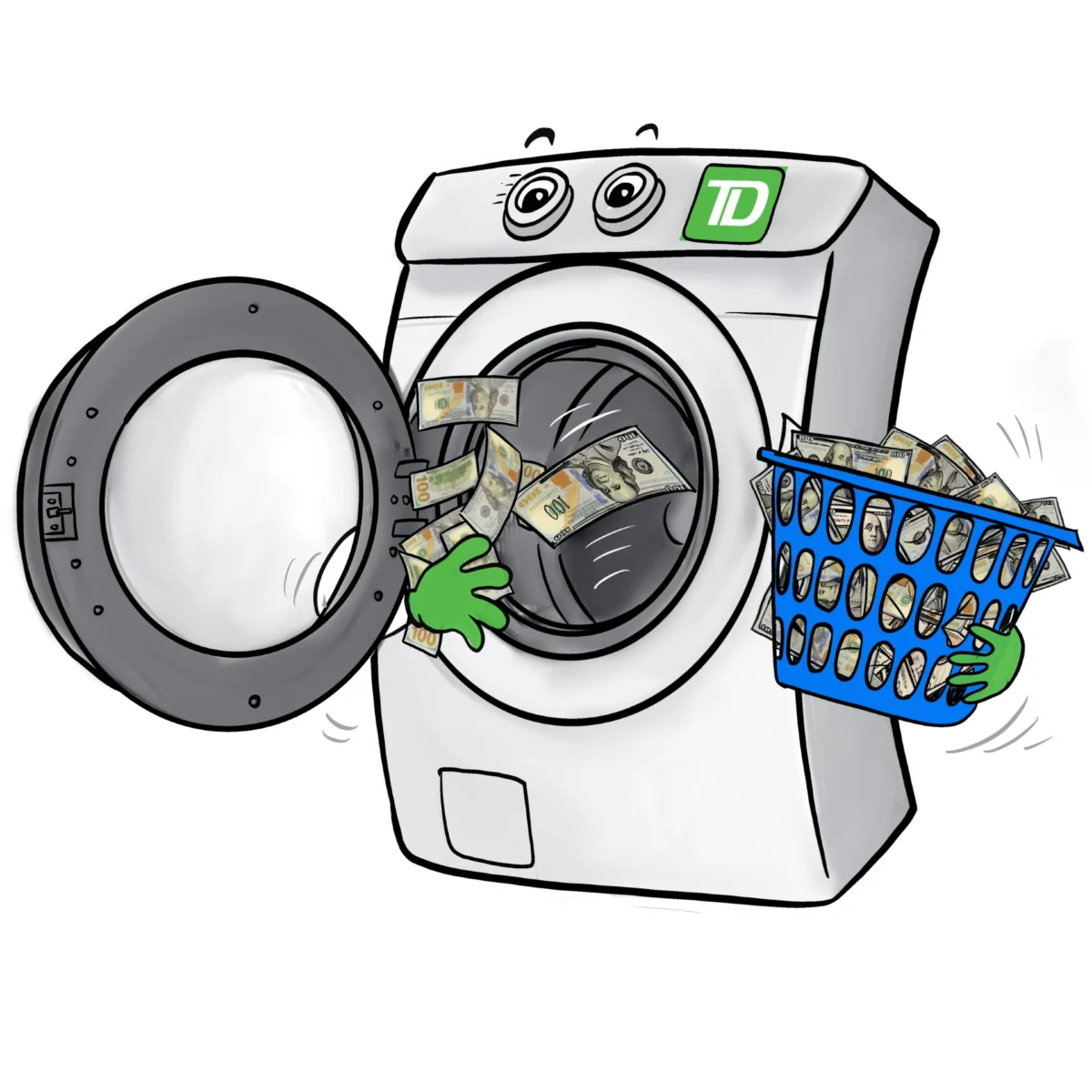
In a significant escalation of regulatory oversight, the Consumer Financial Protection Bureau (CFPB) has launched a sweeping initiative to investigate the nation’s largest financial institutions for the systematic practice of “debanking.” This move comes on the heels of a damning report from the Office of the Comptroller of the Currency (OCC), which found that nine of the country’s largest national banks have continued to enforce restrictive account-closure policies despite a direct executive mandate issued by President Donald Trump in August 2025.
The investigation marks a rare and aggressive intervention by the CFPB under the current administration, signaling a potential shift in how federal regulators intend to enforce fair banking access. The bureau has signaled that it is prepared to pursue formal enforcement actions—which could include substantial fines, consent orders, and mandatory operational changes—should the evidence confirm that these institutions are violating federal consumer financial protection laws.
The Chronology of a Regulatory Clash
The current standoff is the culmination of a year-long effort by the executive branch to curb what it characterizes as discriminatory banking practices.
August 2025: The Presidential Directive
In August 2025, President Trump signed a high-profile executive order aimed at guaranteeing "fair banking for all Americans." The order was designed to restrict the ability of financial institutions to unilaterally terminate customer accounts based on political, social, or ideological grounds, a practice colloquially known as "debanking." The administration argued that large, systemically important banks—often acting as the gatekeepers to the global financial system—were overstepping their authority by effectively “canceling” individuals and businesses based on subjective criteria.
Early 2026: The OCC’s Findings
Following the executive order, the OCC conducted an exhaustive audit of the nation’s largest banks to assess compliance. The resulting report, released earlier this year, sent shockwaves through the financial sector. Contrary to the expectations set by the August mandate, the OCC found that the nine largest national banks—JPMorgan Chase Bank, Bank of America, Citibank, Wells Fargo Bank, U.S. Bank, Capital One, PNC Bank, TD Bank, and BMO Bank—had maintained existing debanking policies that allowed for the summary termination of accounts with little to no transparency or recourse for the account holders.
March 2026: The CFPB Intervention
The situation reached a boiling point this Wednesday when the CFPB announced its new initiative. The bureau stated that it would leverage its broad investigative powers to determine if the internal policies of these nine institutions—and potentially others—are in direct violation of the Consumer Financial Protection Act. The announcement highlights a rare moment of alignment between the administration’s executive priorities and the bureau’s regulatory agenda.
Supporting Data: The Scope of the Issue
Debanking is a complex issue that sits at the intersection of Risk Management and Civil Liberties. Banks have long argued that they have a fiduciary and legal obligation to “de-risk”—the process of closing accounts they deem too risky, often due to concerns over anti-money laundering (AML) compliance or potential reputational damage.
However, the CFPB’s recent inquiry suggests that the practice has expanded far beyond legitimate risk management. According to industry data, millions of Americans and small businesses have found themselves suddenly locked out of their accounts, often receiving little more than a generic notice stating that the bank has chosen to “terminate the relationship.”
The Nine Institutions Under Scrutiny
The list of banks under investigation represents the backbone of the American financial system:
- JPMorgan Chase Bank: The largest bank by assets.
- Bank of America: A primary provider of retail and commercial services.
- Citibank: A global financial powerhouse.
- Wells Fargo Bank: A major provider of mortgage and retail banking.
- U.S. Bank: A significant regional and national player.
- Capital One: A leader in credit card services.
- PNC Bank: A major retail banking institution.
- TD Bank: A prominent player in the U.S. consumer market.
- BMO Bank: An expanding national presence.
The OCC report indicated that these banks frequently utilized "vague risk parameters" that essentially allowed them to bypass standard due process. The CFPB aims to determine whether these parameters violate the mandate for “fair access” or whether they constitute "unfair, deceptive, or abusive acts or practices" (UDAAP) under federal law.
Official Responses and Perspectives
The CFPB’s Stance
In its formal announcement, the CFPB underscored that banking is an essential utility in the modern economy. A spokesperson for the Bureau stated, "Access to the financial system is a fundamental component of economic participation. If a financial institution is using its market power to exclude customers without a clear, objective, and legal justification, it is in breach of its obligations to the American consumer." The bureau emphasized that this investigation is not about preventing banks from managing legitimate fraud risks, but about ensuring that risk management is not used as a veil for discrimination.
The Banking Industry’s Defense
The banking sector has reacted with caution, and in some cases, defensive posturing. Representatives for several of the named banks have issued statements asserting that their account-closure policies are compliant with federal anti-money laundering (AML) and Know Your Customer (KYC) regulations.
"We maintain rigorous compliance programs designed to protect the integrity of the financial system," one industry representative noted. "The decision to terminate a banking relationship is never taken lightly and is rooted in our responsibility to mitigate financial crime and adhere to the mandates set by the Treasury Department and other regulatory bodies."
Industry lobbyists are expected to argue that the CFPB’s investigation could force banks to retain high-risk clients, thereby increasing their exposure to financial crime and potentially violating other federal regulations that mandate the monitoring of suspicious activity.
Broader Implications for the Financial System
The investigation carries profound implications for both the consumer and the institutional landscape of American finance.
For the Consumer
If the CFPB determines that these institutions have engaged in illegal debanking, the impact on the average American could be substantial. A ruling against the banks could lead to:
- Increased Transparency: Banks might be required to provide clear, written explanations for account closures, giving customers a chance to appeal.
- Due Process: The implementation of standardized “notice and cure” periods, allowing individuals and businesses to rectify potential compliance issues before an account is terminated.
- Restoration of Services: Potential class-action lawsuits may arise, using the CFPB’s findings as a foundational evidence base to seek damages for wrongful termination of banking services.
For Financial Stability and Policy
This investigation highlights a growing ideological divide regarding the role of private banks in the public sphere. Should the CFPB prevail, it will set a significant legal precedent: that private financial institutions—despite being private entities—have a public-interest obligation that supersedes their internal, discretionary policies.
Conversely, if the banks successfully argue that these regulations infringe upon their operational freedom, it could lead to a protracted legal battle that reaches the Supreme Court. Such a conflict would force the judiciary to decide where the line is drawn between a bank’s right to manage its own risks and the government’s interest in ensuring universal access to financial infrastructure.
The Political Horizon
For the Trump administration, this initiative serves as a powerful display of policy enforcement. By utilizing the CFPB—a bureau that has historically been viewed as a bastion of independent regulatory action—to carry out the mandates of his executive order, President Trump is effectively integrating the administrative state into his agenda of economic and social reform. The success or failure of this investigation will likely become a key benchmark for the administration’s ability to reshape the relationship between the federal government and the nation’s largest financial conglomerates.
As the CFPB moves into the information-gathering phase of its investigation, the financial world waits to see how the nine largest banks will respond to the scrutiny. Whether this leads to a fundamental shift in banking culture or a new era of litigation remains to be seen, but one thing is clear: the era of opaque, unilateral debanking in America is under direct challenge.