Editor’s Note: This article was produced in collaboration with our sister publication, GlobalPost.
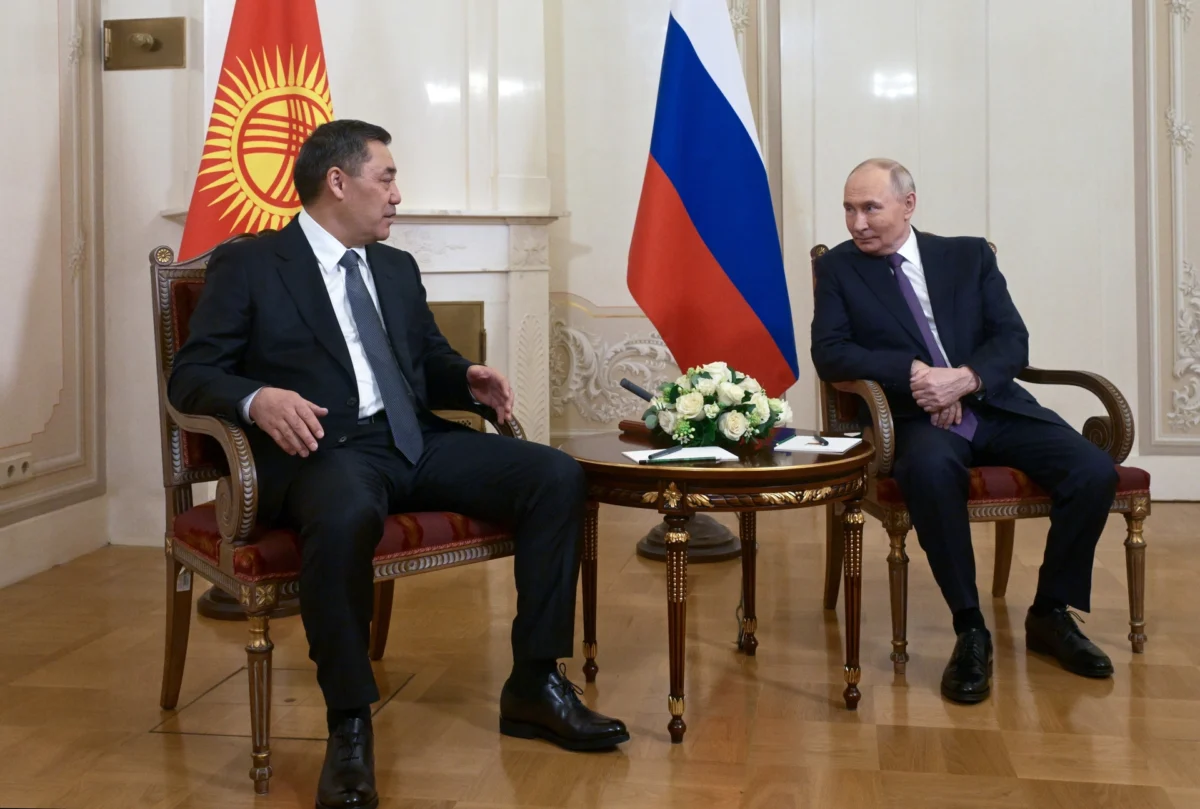
For decades, Kyrgyzstan was synonymous with political volatility, shifting leadership, and the persistent struggle of a landlocked, mountainous nation attempting to define its place in a post-Soviet world. However, the narrative surrounding the country has undergone a seismic shift. In late 2026, Kyrgyzstan stood at the epicenter of global attention, simultaneously hosting the Shanghai Cooperation Organization (SCO) summit—a gathering of the world’s most consequential power brokers, including China’s Xi Jinping and Russia’s Vladimir Putin—and the World Nomad Games, a vibrant celebration of heritage that drew athletes and spectators from over 100 nations.
This dual hosting effort was not merely a diplomatic convenience; it was a profound statement of arrival. From the modernization of its transit infrastructure to the burgeoning confidence of its entrepreneurial class, Kyrgyzstan is no longer a peripheral player in Central Asian politics. It is a nation in the midst of a radical transformation, riding a wave of economic growth that has left both regional neighbors and global observers taking notice.
Main Facts: A Nation Reborn
The transformation of Kyrgyzstan is visible in both the physical landscape and the macroeconomic data. After years of economic stagnation and the internal strife that characterized the early 21st century, the country has leveraged its strategic position along the "Middle Corridor" of trade routes to revitalize its economy.
Infrastructure projects, once stalled by lack of capital or political inertia, have accelerated. New highways now traverse the rugged Tian Shan mountains, and upgraded international airports in Bishkek and Osh are facilitating unprecedented flows of goods and people. The "World Nomad Games," which served as the cultural centerpiece of this new era, showcased a nation that is increasingly comfortable blending its nomadic heritage with the demands of a modern, globalized economy.
The economic sentiment on the ground is palpable. Chyngyz Alkanov, a prominent Kyrgyz entrepreneur, encapsulated the national mood in a recent interview with The New York Times: “There is a feeling that the economy has grown. It’s like a wave, and you want to ride it.” This sentiment reflects a departure from the survivalist mentality of the past toward a forward-looking, investment-heavy approach.
Chronology: The Road to 2026
To understand Kyrgyzstan’s current trajectory, one must look at the timeline of its recent evolution:
- 2020–2022 (The Foundation of Stability): Following a period of significant political upheaval in late 2020, the government initiated a series of structural reforms aimed at consolidating power and streamlining economic administration. This period saw a shift toward centralized executive governance, which, while criticized by some for its impact on civil liberties, provided the stability necessary to attract foreign direct investment.
- 2023–2024 (The Infrastructure Push): Kyrgyzstan began heavily investing in transit logistics, capitalizing on the regional demand for alternative trade routes that bypass traditional conflict-heavy zones. The government prioritized energy independence and telecommunications upgrades, setting the stage for the economic "boom" currently observed.
- 2025 (The Diplomatic Pivot): Kyrgyzstan asserted its neutrality while deepening ties with both the SCO bloc and Western markets. By positioning itself as a reliable transit hub, it insulated itself from some of the harshest shocks of regional instability.
- August–September 2026 (The Global Showcase): The hosting of the World Nomad Games and the SCO summit served as the definitive "coming out party" for the state. By hosting the world’s most powerful leaders alongside a global cultural event, Kyrgyzstan proved it possessed the logistics, security, and diplomatic maturity to manage large-scale international requirements.
Supporting Data: By the Numbers
The economic indicators underpinning this growth are significant:
- GDP Growth Trends: After a sluggish start to the decade, Kyrgyzstan has seen annual GDP growth rates climb steadily, consistently outperforming regional projections. This growth has been bolstered by the service sector, mining, and transit-related services.
- Trade Connectivity: Customs data from 2026 indicates a 35% increase in transit volumes passing through the country compared to 2022. The diversification of trade routes has made Kyrgyzstan an indispensable link in the Eurasian supply chain.
- Infrastructure Investment: Official government reports indicate that over $4 billion has been funneled into transport infrastructure since 2023. This includes the rehabilitation of the Bishkek-Osh road and the modernization of several regional airstrips.
- Entrepreneurial Activity: Small and medium-sized enterprise (SME) registration has spiked by 22% over the last 24 months, suggesting that the "wave" described by Alkanov is being driven by domestic private-sector dynamism rather than just state-led industrial policy.
Official Responses and Perspectives
The government’s official stance, articulated by spokespeople during the SCO summit, emphasizes "sovereign development." The administration argues that Kyrgyzstan’s growth is the result of a pragmatic foreign policy that prioritizes national interest over geopolitical alignment.
“We are not choosing sides; we are choosing development,” said a senior official from the Ministry of Economy. The government highlights that the World Nomad Games were a vital exercise in soft power, demonstrating that Kyrgyzstan is a safe, stable, and culturally rich destination for international tourism.
International observers have been more nuanced. While the World Bank and IMF have praised the country’s macroeconomic management, they have raised concerns about the long-term sustainability of debt levels associated with infrastructure projects. Furthermore, human rights organizations have expressed apprehension regarding the concentration of power, warning that economic growth should not come at the expense of political pluralism.
Implications: A New Regional Paradigm
The rise of Kyrgyzstan has profound implications for the wider Central Asian region.
The "Transit Hub" Effect
By successfully positioning itself as a reliable bridge between markets in East Asia, Russia, and the Middle East, Kyrgyzstan is challenging the traditional hegemony of its neighbors. This economic leverage gives Bishkek a stronger voice in regional forums like the SCO, where it can now negotiate as a partner rather than a supplicant.
The Challenge of Sustainability
The "wave" of growth faces significant tests. The most immediate is the risk of "Dutch disease" or over-reliance on transit fees. If the global geopolitical situation shifts—specifically regarding the war in Ukraine or tensions in East Asia—the flow of goods that sustains the current boom could be interrupted. Diversification into manufacturing and the digital economy is therefore essential.
Geopolitical Balancing
Kyrgyzstan’s greatest challenge remains its proximity to Russia and China. Maintaining a neutral, trade-friendly status while these powers compete for influence is a delicate act. The 2026 summit demonstrated that Kyrgyzstan can host both, but as the world polarizes, the pressure to choose a definitive geopolitical camp will only intensify.
The Domestic Future
For the average citizen, the transformation is a source of newfound pride. However, the wealth gap remains a potential flashpoint. As the economy grows, the government will face increasing pressure to ensure that the benefits of the "boom" are distributed equitably. The stability of the current political system will likely depend on whether the state can translate macroeconomic success into tangible improvements in healthcare, education, and rural development.
Conclusion
Kyrgyzstan’s journey from a nation defined by periodic instability to a centerpiece of global diplomacy and regional commerce is one of the most compelling stories of the current decade. By hosting the world’s leaders and its most diverse cultural talents in one season, the nation has signaled that it is no longer waiting for the future—it is actively building it.
Whether this economic wave continues to carry the nation to new heights or crashes against the rocks of regional geopolitics remains to be seen. But for now, Kyrgyzstan has firmly placed itself on the map, not as a remote outpost, but as a vibrant, growing, and essential actor in the modern global order. The world is watching, and for the first time in a long time, the view from Bishkek is one of ambition and promise.