By Adrianne Appel
Stephen Kenneth Leech II, formerly a co-chief investment officer at the prestigious Western Asset Management Company (Wamco), has agreed to pay a $3 million penalty to resolve allegations that he engaged in a sophisticated scheme to manipulate trade allocations for personal and professional gain. The settlement, announced following an investigation by the Securities and Exchange Commission (SEC), brings to a close a high-profile inquiry into practices that undermined the fiduciary integrity of one of the world’s most prominent fixed-income managers.
According to the SEC complaint, filed in the U.S. District Court for the Southern District of New York on November 25, 2024, Leech exploited his position of authority to conduct “cherry-picking”—the illicit practice of directing profitable trades to preferred portfolios while shunting less desirable positions to other client accounts.
The Core Allegations: A Breach of Fiduciary Duty
The SEC’s complaint paints a picture of a calculated manipulation of trade execution. Between January 2021 and October 2023, Leech exercised significant control over the allocation of fixed-income securities across the firm’s vast portfolio landscape. During this period, he allegedly directed more than $600 million in trades toward specific accounts he favored, deliberately bypassing his fiduciary obligation to treat all clients equitably.
"Cherry-picking" is a particularly egregious form of securities fraud because it fundamentally breaks the contract between an investment manager and their client. By assigning favorable trades to certain accounts—often those with higher fee structures or closer personal associations—and offloading underperforming trades to others, Leech is alleged to have prioritized his own interests and the performance metrics of select portfolios over the broader client base at Wamco.
The SEC noted that Leech, who managed billions of dollars in client assets, was in a position of immense trust. His actions, the regulator argues, not only harmed the disadvantaged portfolios but also obscured the true performance of the firm’s investment strategies, effectively deceiving institutional and individual investors alike.
Chronology of the Misconduct and Investigation
The timeline of the misconduct reveals a sustained period of activity that remained hidden behind the complexities of institutional trading.
- January 2021: Leech begins the alleged scheme, systematically directing trade allocations to benefit favored portfolios.
- January 2021 – October 2023: The period of the illicit activity. During these nearly three years, Leech managed multibillion-dollar funds, using his oversight authority to mask the selective allocation of trades.
- October 2023: The misconduct concludes, coinciding with heightened scrutiny and internal reviews at Western Asset Management.
- October 6, 2024: The SEC announces that Leech has agreed to a settlement, agreeing to pay $3 million in penalties.
- November 25, 2024: The formal SEC complaint is filed in the U.S. District Court for the Southern District of New York, providing the legal framework for the settlement and detailing the extent of the $600 million trade manipulation.
Supporting Data: The Mechanics of the Scheme
The $600 million figure cited by the SEC represents the volume of assets Leech redirected. In the world of high-stakes asset management, where even fractional percentage gains are scrutinized, moving hundreds of millions of dollars into specific portfolios can significantly alter performance reporting.
How Cherry-Picking Works
Cherry-picking typically occurs in the gap between trade execution and trade allocation. When a manager executes a block trade for multiple accounts, they must decide how to distribute those securities. If a manager waits to see how a stock or bond performs during the trading day before assigning it to a specific account, they can effectively "cherry-pick" the winners for preferred clients and dump the losers elsewhere.
By doing so, Leech allegedly:
- Manipulated Performance Data: Artificially inflated the returns of preferred portfolios to attract or retain capital.
- Violated Trade Allocation Policies: Ignored internal compliance controls designed to ensure fairness across all client accounts.
- Compromised Client Interests: Negatively impacted the risk-adjusted returns of accounts that were consistently assigned underperforming trades.
The SEC’s investigation utilized forensic data analysis to track the movement of these trades, comparing the execution prices with the final allocations across Leech’s managed funds. This data-driven approach allowed regulators to identify a pattern that deviated statistically from what would be expected under a neutral, randomized, or pro-rata allocation system.
Official Responses and Regulatory Perspective
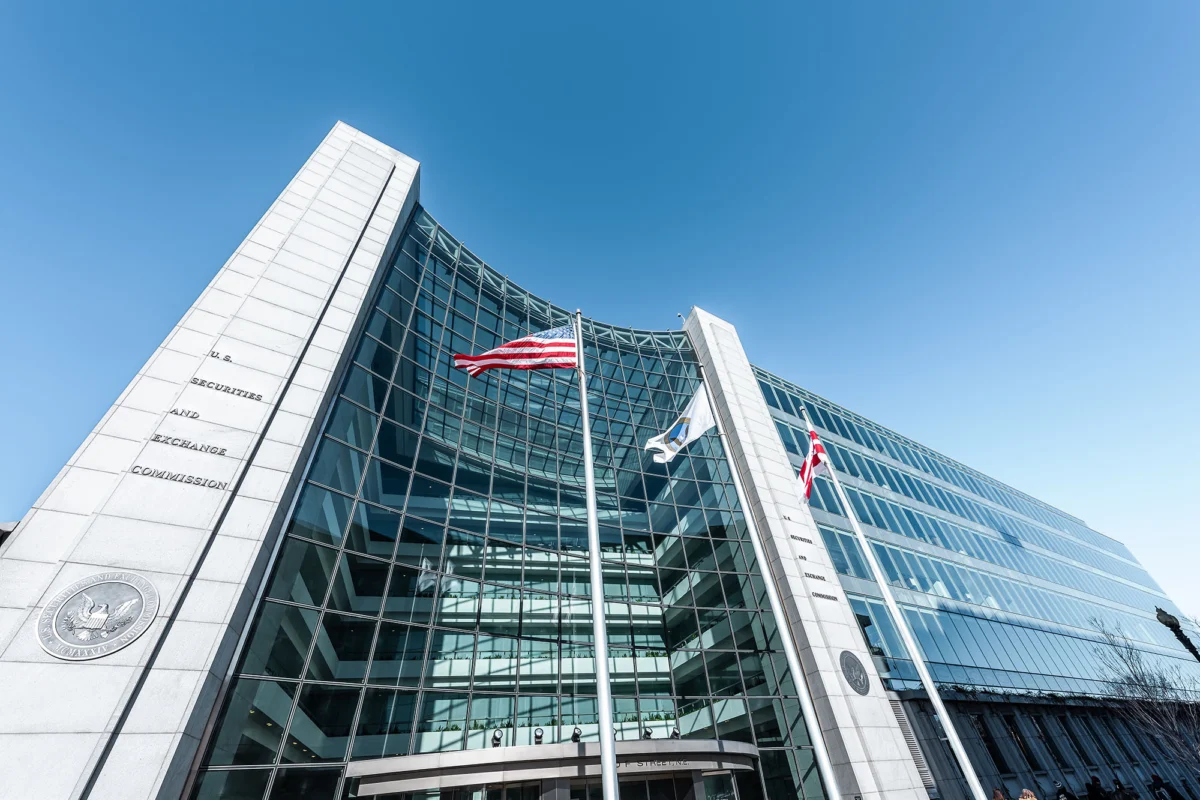
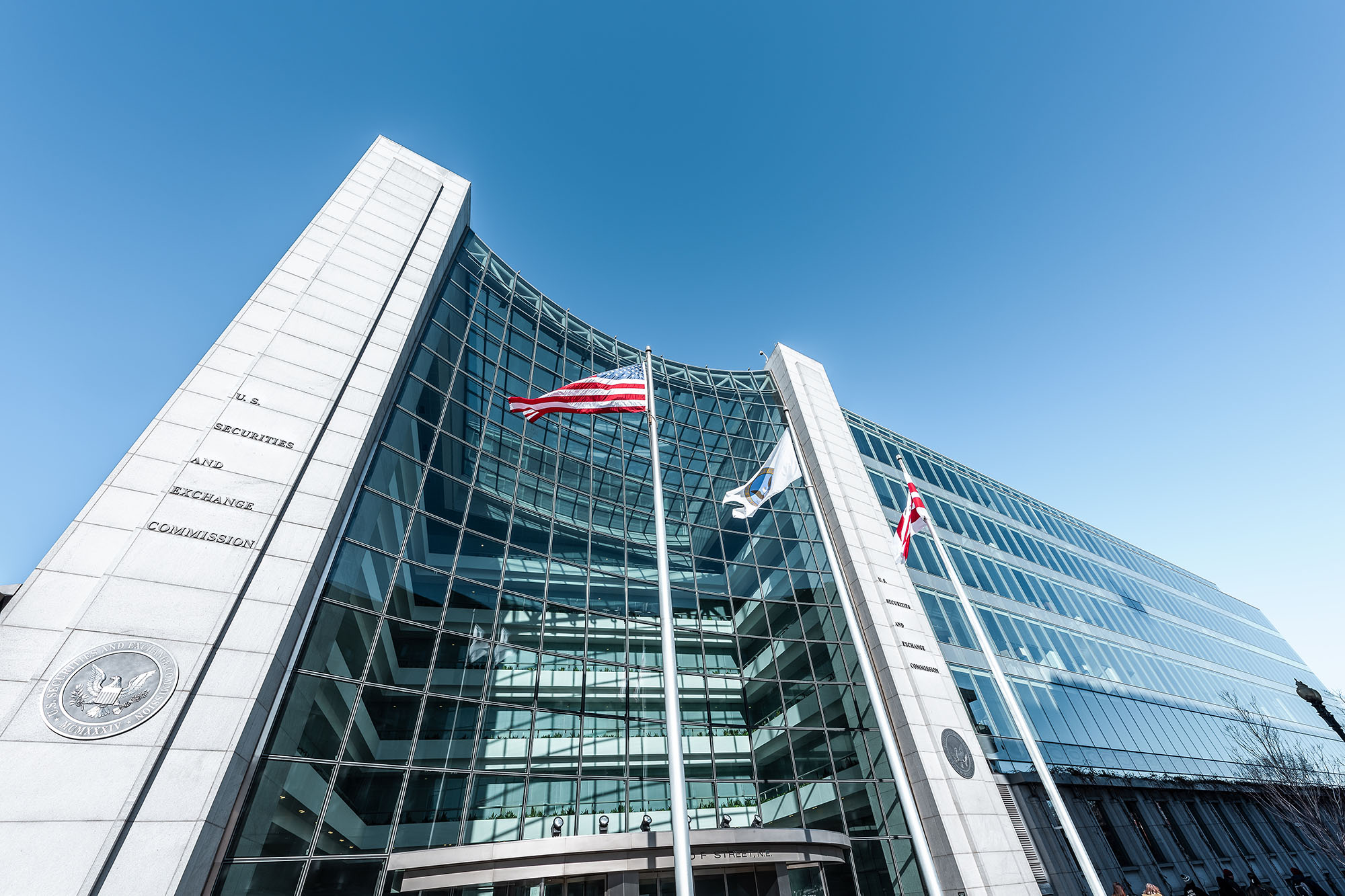
The SEC’s crackdown on Leech is part of a broader, ongoing effort by the Commission to police the "shadow" aspects of investment management. In their official filing, the SEC emphasized that the $3 million penalty reflects the severity of the breach of trust.
"Investment advisers have a paramount duty to act in the best interests of their clients," said a representative from the SEC’s Division of Enforcement. "When a senior official, particularly one managing billions in assets, chooses to prioritize certain portfolios at the expense of others, it undermines the integrity of our capital markets."
Western Asset Management Company (Wamco) has not been a passive observer in this process. While the company has faced significant reputational challenges due to Leech’s actions, it has cooperated with the SEC’s investigation. Following the discovery of the practices, the firm reportedly took internal measures to enhance its trade allocation oversight and compliance monitoring, ensuring that such manual manipulation is no longer possible within their trading systems.
Implications for the Asset Management Industry
The Leech case serves as a stark warning to the investment management industry regarding the dangers of unchecked discretion in trade allocation. As firms increasingly rely on algorithmic trading and complex portfolio management software, the "human element"—where senior managers exert manual control over execution—remains a vulnerability.
1. Strengthening Compliance Frameworks
Many investment firms are now re-evaluating their trade allocation policies. The industry is moving toward automated, algorithm-driven allocation processes that remove individual discretion entirely. By utilizing software to assign trades on a pro-rata basis before the market opens or immediately upon execution, firms can provide an audit trail that is resistant to human interference.
2. The Focus on Fiduciary Duty
The settlement underscores the SEC’s renewed focus on the fiduciary standard. For institutional investors, such as pension funds and endowments, the assurance that their managers are not "gaming" the system is critical. The Leech case will likely lead to increased demands from institutional clients for transparency regarding allocation methodologies.
3. Personal Accountability
The $3 million fine levied against Leech personally sends a clear message that the SEC is willing to pursue individual liability for executive misconduct. Rather than merely fining the firm—which often results in costs being passed down to shareholders or clients—the Commission is increasingly targeting the individuals who directly authorize or execute fraudulent schemes.
4. Reputation and Market Trust
For Wamco, the long-term impact will be measured in client retention and the efficacy of its internal culture. Reputational damage in the asset management industry is difficult to quantify, but it often manifests in outflows of assets as clients seek managers with more transparent and robust governance structures.
Conclusion
The case of Stephen Kenneth Leech II is a quintessential example of how the abuse of institutional power can erode investor confidence. By redirecting $600 million in trades, Leech bypassed the safeguards intended to protect the interests of all clients equally. As the industry digests the details of this $3 million settlement, the focus must inevitably shift toward more rigorous, technology-driven oversight.
For the broader market, the SEC’s action acts as a deterrent, reaffirming that even at the highest echelons of global finance, fiduciary duty is not a suggestion—it is a legal and ethical mandate. As regulators continue to utilize advanced data analytics to uncover subtle forms of market manipulation, investment firms must prioritize the implementation of "fail-safe" compliance systems that ensure every client, regardless of their portfolio’s size or status, is treated with the fairness they are promised.