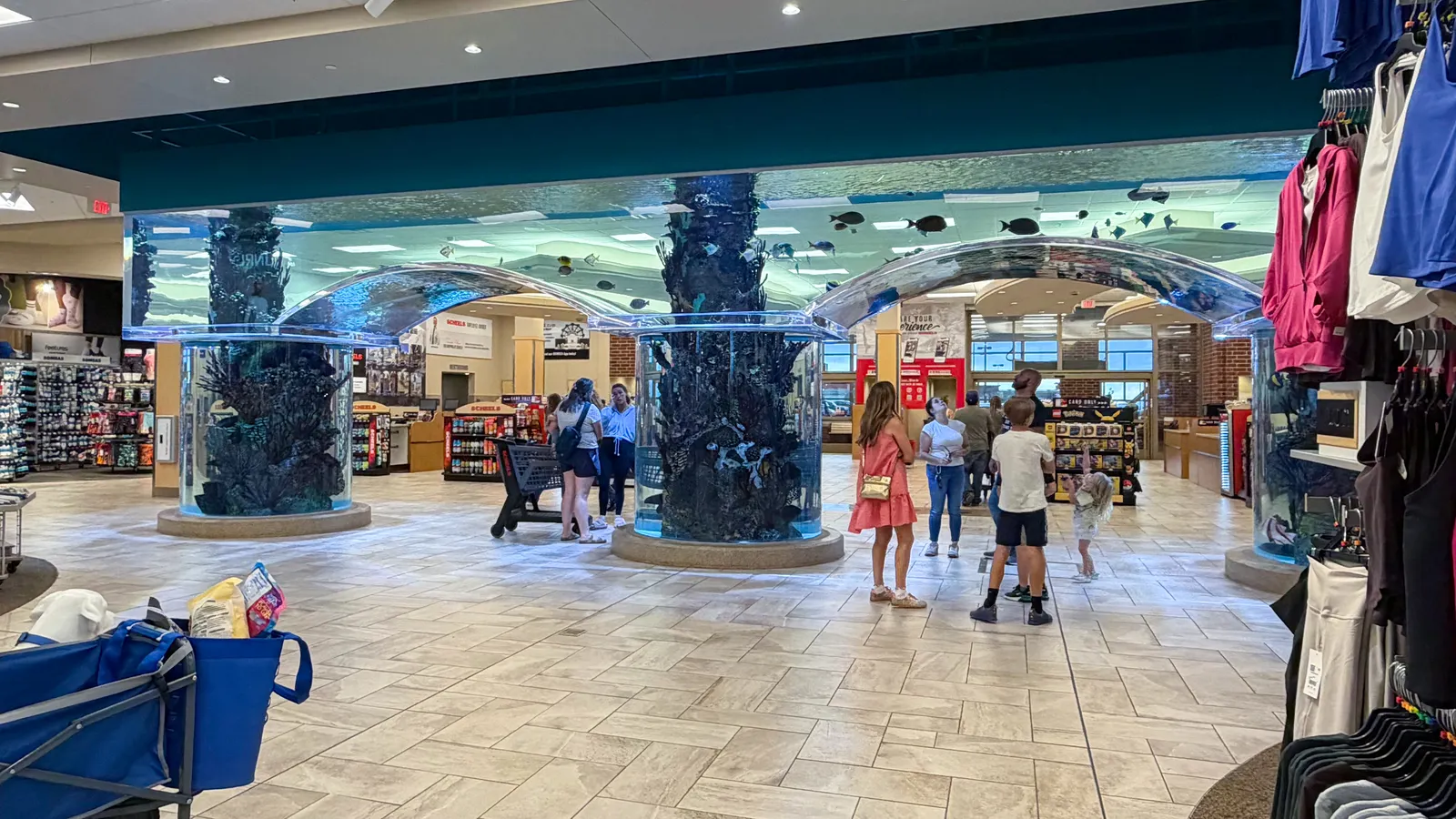
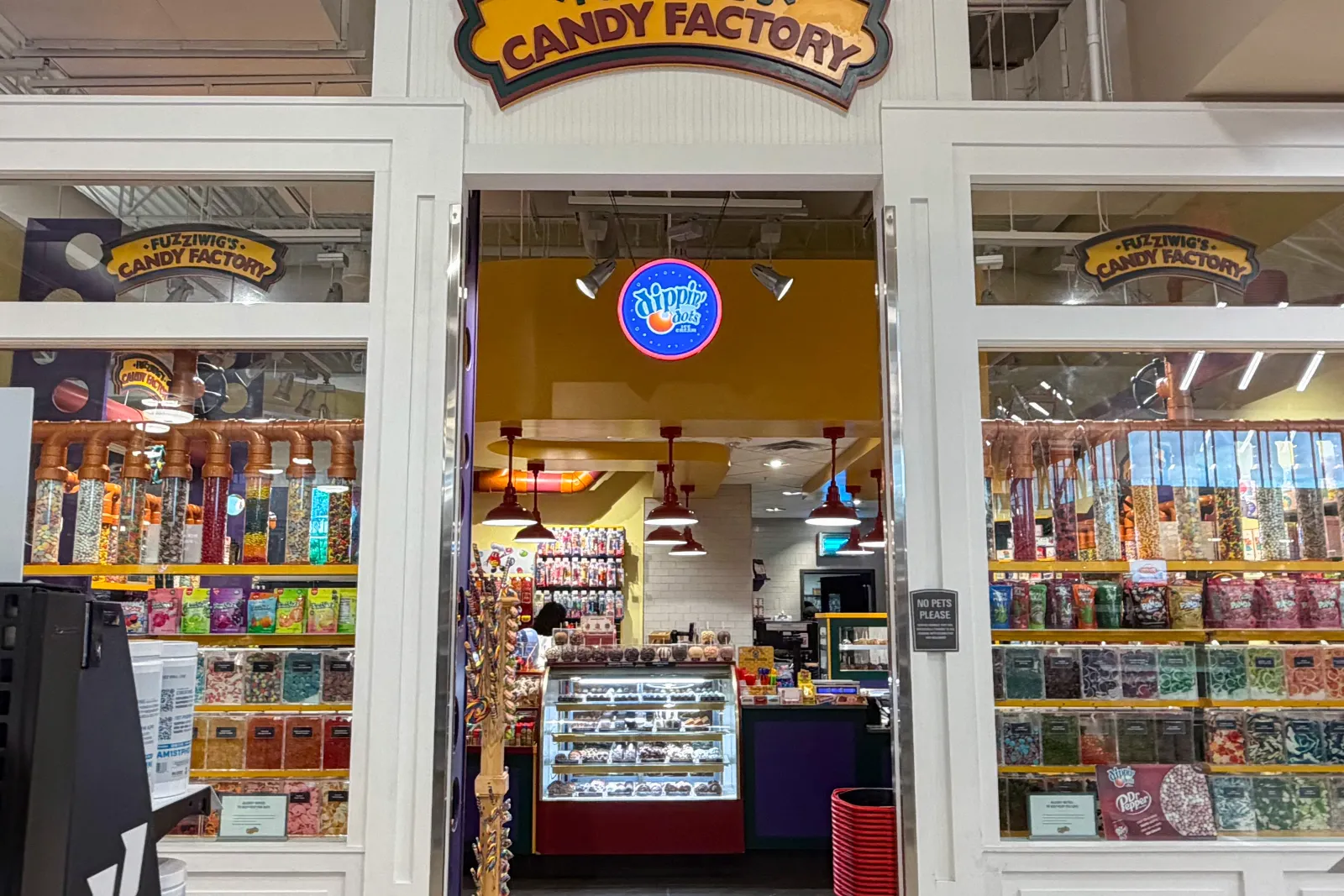
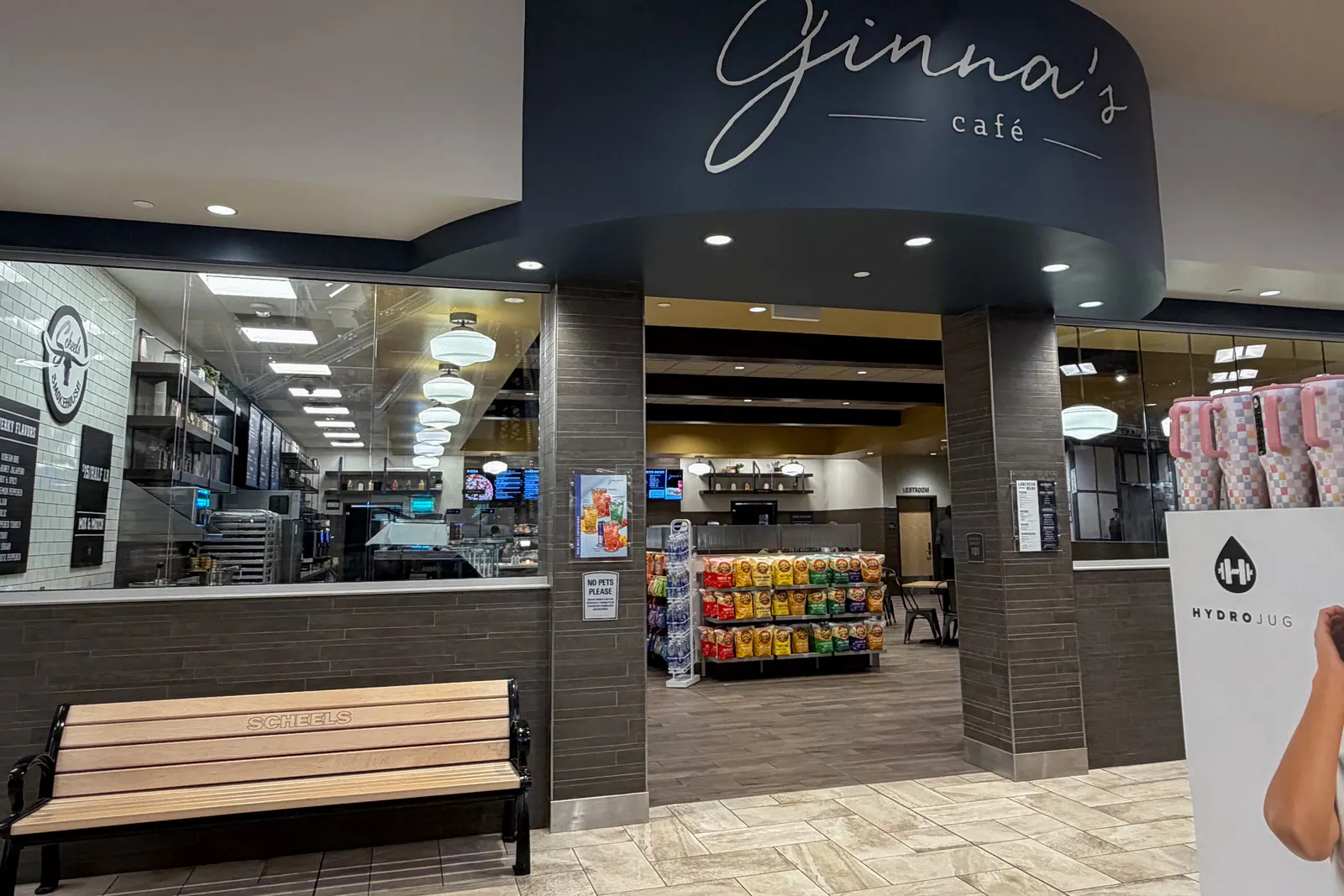
In the age of algorithmic feeds and one-click purchasing, the traditional shopping mall has largely become a site of decline. Yet, walk into a Scheels, and you aren’t just entering a retail store; you are stepping into a curated ecosystem of wonder. Under the roof of a 220,000-square-foot facility, a 65-foot-tall Ferris wheel rotates in the atrium, an expansive aquarium teems with life, and the distant hum of an arcade punctuates the atmosphere. Upstairs, you’ll find a toy store, bowling lanes, and a café—all tucked within the framework of a sporting goods retailer.
It would be logical to assume this is a theme park or a high-end entertainment complex. In many ways, it is both. Scheels has successfully bridged the gap between functional commerce and experiential theater, positioning itself as a "best-kept secret" in an industry desperate for innovation.
The Evolution: From Hardware to High-Performance Retail
The story of Scheels is not one of overnight disruption, but of methodical evolution. Founded in 1902 as a humble general merchandise store, the company spent its first several decades as a purveyor of hardware. The pivot toward the modern athletic powerhouse we recognize today didn’t occur until 1972, when the company began shifting its focus to sporting goods.
This slow, deliberate metamorphosis allowed Scheels to retain the "neighborhood store" ethos while scaling into a retail behemoth. Unlike its competitors, which often prioritize rapid expansion and standardized layouts, Scheels has remained a privately held, employee-owned entity. This unique ownership structure has served as the bedrock of its corporate culture, shielding it from the quarterly-earnings pressure that forces many publicly traded retailers to cut corners on staff quality and store maintenance.
The Strategy of Immersion: Beyond the Rack
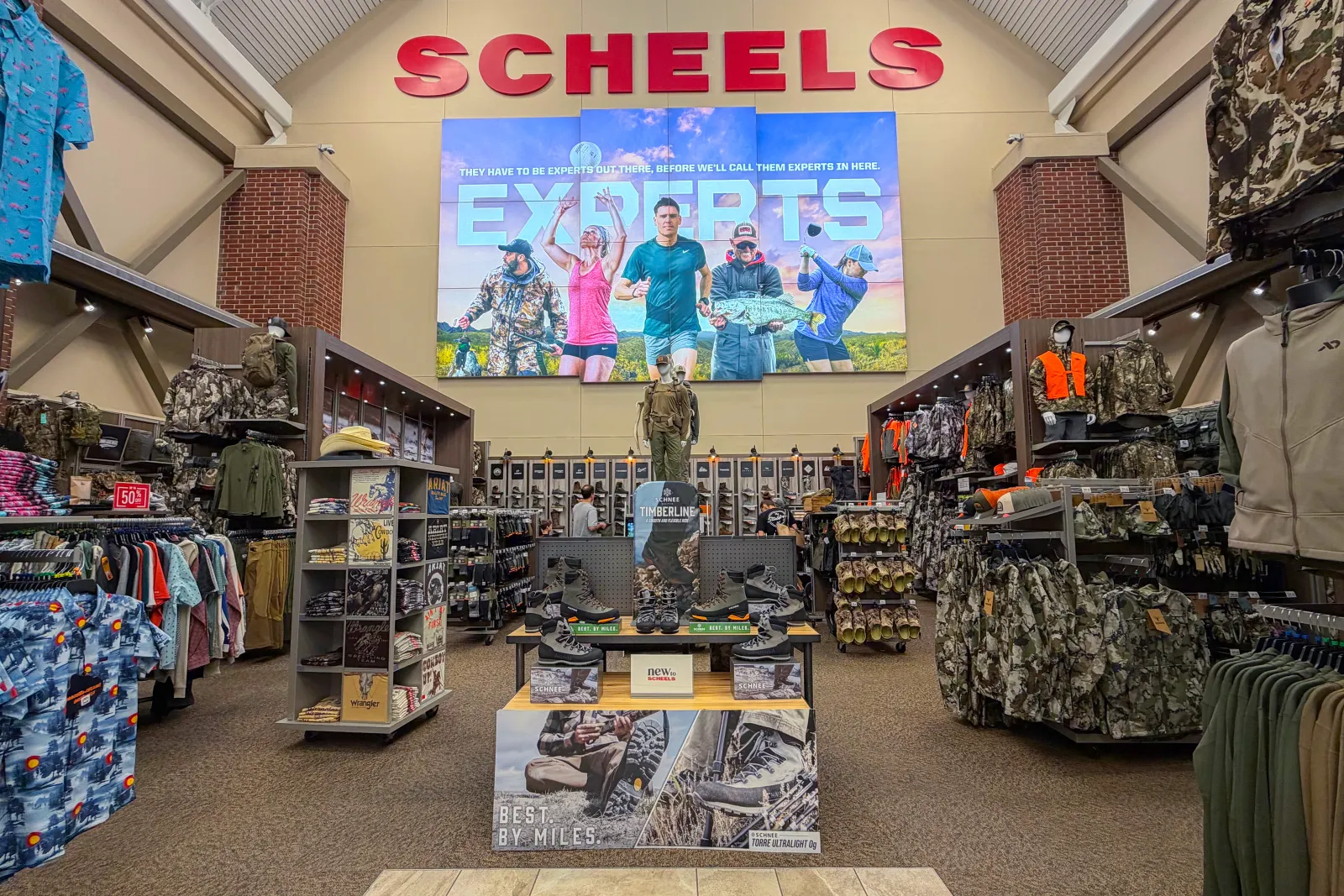
Scheels differentiates itself through "deep-category" investment. In a standard sporting goods store, a hunting department might consist of a few aisles of camouflage apparel. At Scheels, it is an immersive experience. Customers are greeted by expansive displays of gear, aisles dedicated to precision bows, and, crucially, certified technicians ready to provide professional adjustments to equipment.
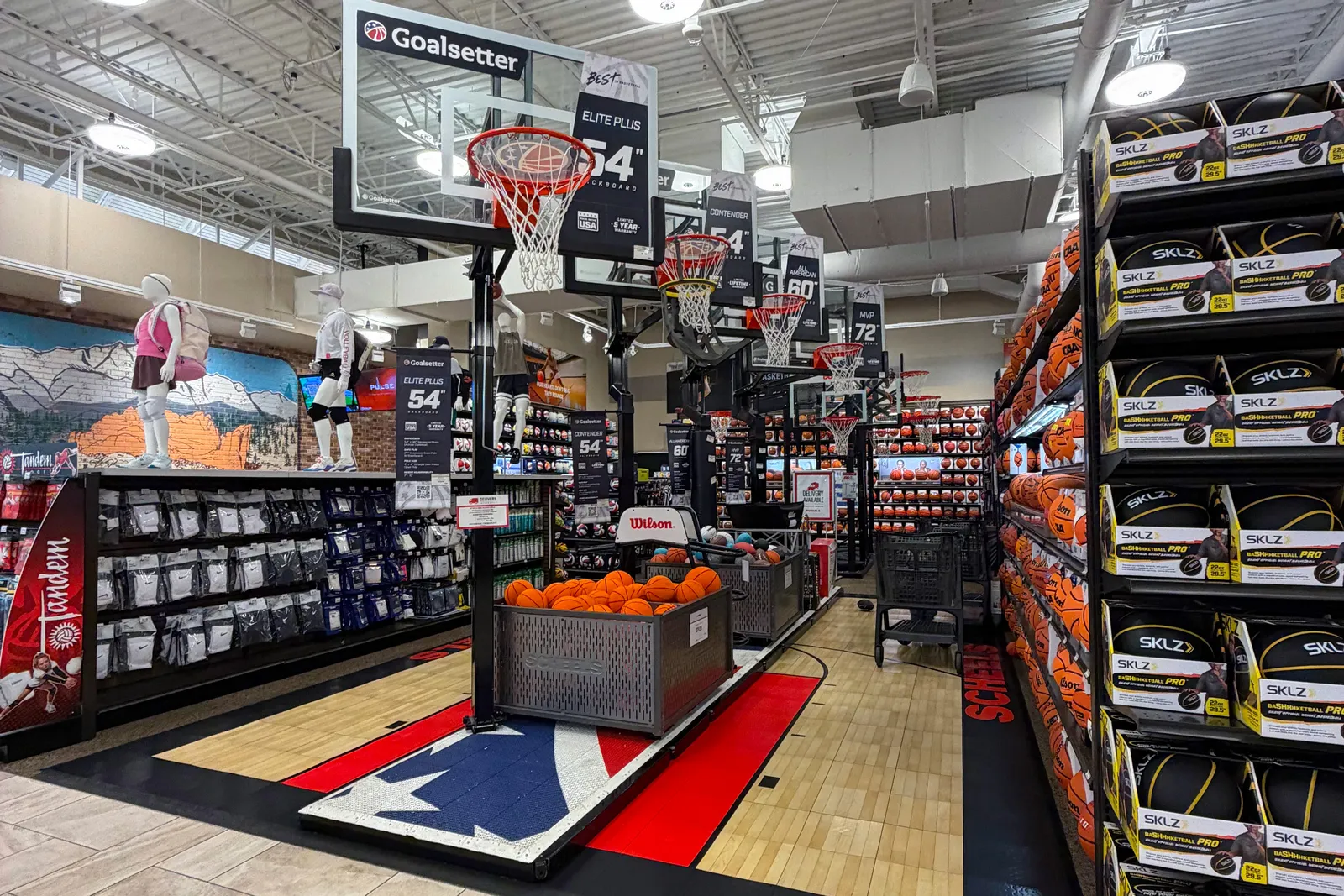
The company applies this "all-in" philosophy to every department. Whether it is a mock hardwood court in the basketball section, a batting simulator for baseball enthusiasts, or a dedicated ski and snowboard repair shop, the goal is to provide value that an online marketplace simply cannot replicate.
Matt Powell, a senior adviser with BCE Consulting, notes that this level of commitment is what separates Scheels from the pack. "When they decide to add a brand, it’s not a couple of racks. It’s a wall. It’s a section," says Powell. "The Vuori section is bigger than anybody else’s Vuori section outside of a Vuori store."
Supporting Data and The "Destination" Effect
While the average Dick’s Sporting Goods store spans roughly 50,000 square feet, the typical Scheels location dwarfs it, often exceeding 200,000 square feet. This massive footprint is not merely for inventory; it is the physical manifestation of a "destination" retail strategy.
Because Scheels locations are often situated in less dense, sometimes remote regions, the store functions as a day-trip destination rather than a quick errand stop. Families travel for hours to visit, spending the better part of a day moving from the candy shop to the bowling lanes, then to the apparel departments. This is a deliberate return to the department store model of the mid-20th century, which prioritized the "tea room and restaurant" culture to keep foot traffic circulating.
This strategy is supported by the numbers: while traditional retail struggles with "online overload," Scheels leverages the "tactile discovery" that physical spaces offer. A report by the commercial real estate firm JLL highlights that consumers are increasingly seeking sensory relief from screens. Scheels provides this by making shopping an event, effectively turning the act of purchasing into a form of entertainment.
Corporate Secrecy and Official Stances
Despite its growing influence, Scheels remains notoriously tight-lipped regarding its internal mechanics. When approached for comment regarding its expansion strategy and future outlook, the company’s response was characteristically reserved: "As a privately held, employee-owned company, we generally keep company information and business details private and don’t participate in many media interviews."
This silence is part of the brand’s mystique. By eschewing the traditional public relations cycle, Scheels avoids the scrutiny and "hot-take" culture that often follows major retail chains. They let the stores do the talking. The lack of corporate noise allows the company to move with a level of agility that public companies, constrained by shareholder expectations, often lack.
The Human Element: Employee Ownership as a Catalyst
One of the most profound differences between Scheels and its peers is the caliber of its staff. Retailers typically struggle with high turnover and a lack of institutional knowledge among teenage part-time workers. At Scheels, however, the employee-ownership model fosters a sense of stewardship.
Stories of long-term employees retiring as millionaires due to their stake in the company are not uncommon. This creates a workforce that is not just passing through, but invested in the store’s success. It is reflected in the cleanliness of the aisles, the organization of the displays, and the technical expertise of the staff. When a customer walks into a Scheels, they are interacting with people who care about the presentation and function of the store as much as the executive team does.
Implications for the Future of Retail
The success of Scheels offers a vital lesson to the broader retail sector: "surprise and delight" is not just a marketing slogan; it is a viable business strategy.
1. The Death of the Commodity
Retailers that treat their goods as mere commodities to be stacked on a shelf are destined to lose to e-commerce. Scheels succeeds because it treats products as part of an experience. You don’t just buy a bow; you test it in a lane. You don’t just buy a winter coat; you shop in an environment that feels tailored to the outdoors.
2. The Power of "Wait and See"
In a climate where retailers are often pressured to scale as fast as possible, Scheels acts with patience. By opening roughly one store a year, the company ensures that each location is not just a carbon copy of the last, but a refined iteration of the Scheels concept. They test, they learn, and they adapt.
3. Managing Stimulation
JLL’s research suggests that while experiential retail is popular, it can also lead to consumer fatigue. Scheels navigates this by creating "zones." The high-stimulation environments—the Ferris wheel, the arcade—are clearly defined, allowing shoppers to opt-in to the entertainment or focus on the commerce. The key for retailers moving forward is to balance excitement with accessibility.
Conclusion: The "Department Store for the Active Family"
Scheels is an anomaly that functions as a blueprint. It has managed to take the chaotic, overstimulated world of modern retail and organize it into a coherent, family-friendly, and highly profitable machine. By blending the practical needs of the athlete with the whimsical desires of the shopper, they have created a retail environment that feels both timeless and forward-thinking.
As other retailers scramble to figure out what the "store of the future" looks like, they would do well to look at the past. Whether it’s an animatronic Abe Lincoln reciting the Emancipation Proclamation or a carefully maintained display of outdoor gear, Scheels proves that when you treat the customer with respect and the store with imagination, people will not only come—they will stay. In the era of the digital void, Scheels remains a triumph of the physical.