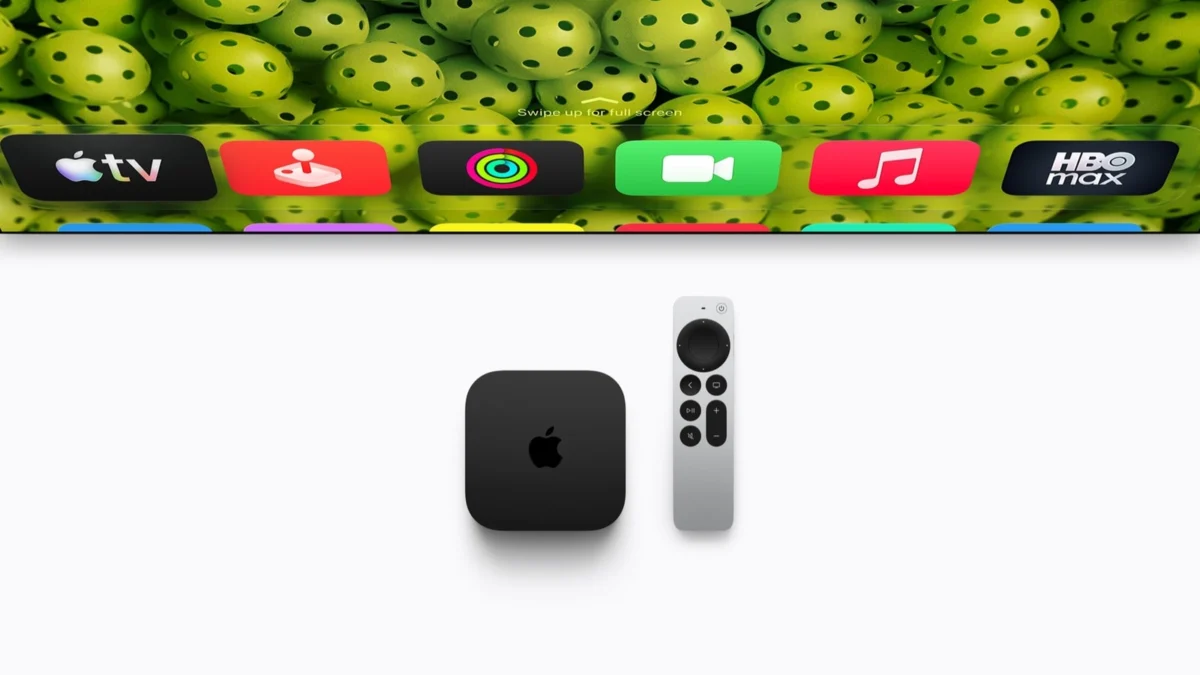
After a four-year hiatus, Apple has finally pulled back the curtain on its latest iteration of the Apple TV 4K. Arriving on November 13, 2026, this fourth-generation media box represents a significant shift in Apple’s home strategy. However, with a starting price of $299—a $100 premium over its predecessor—the device has sparked an immediate debate among tech enthusiasts and casual streamers alike. As Apple pivots toward an AI-integrated ecosystem, the question remains: are the hardware advancements enough to justify the steep price hike?
Main Facts: What Defines the 2026 Model?
The 2026 Apple TV 4K is built on the foundation of the A19 Bionic chip, a major departure from the A15 Bionic found in the 2022 model. Apple claims this upgrade provides a 50% boost in CPU performance and a 100% improvement in graphics capabilities. While casual viewers may not immediately notice the difference during a Netflix stream, the internal overhaul is designed to handle more intensive "Siri AI" requests and complex gaming workflows.
Perhaps the most notable hardware change is the inclusion of a dedicated AV1 decoder. This brings the Apple TV 4K in line with modern industry standards, allowing for higher-quality streaming at lower bandwidths—a feature that will be particularly beneficial for heavy YouTube and high-bitrate streaming users. Connectivity has also been overhauled, with the device now supporting Wi-Fi 7 and Bluetooth 6, ensuring the box is "future-proofed" for the next generation of smart home standards.
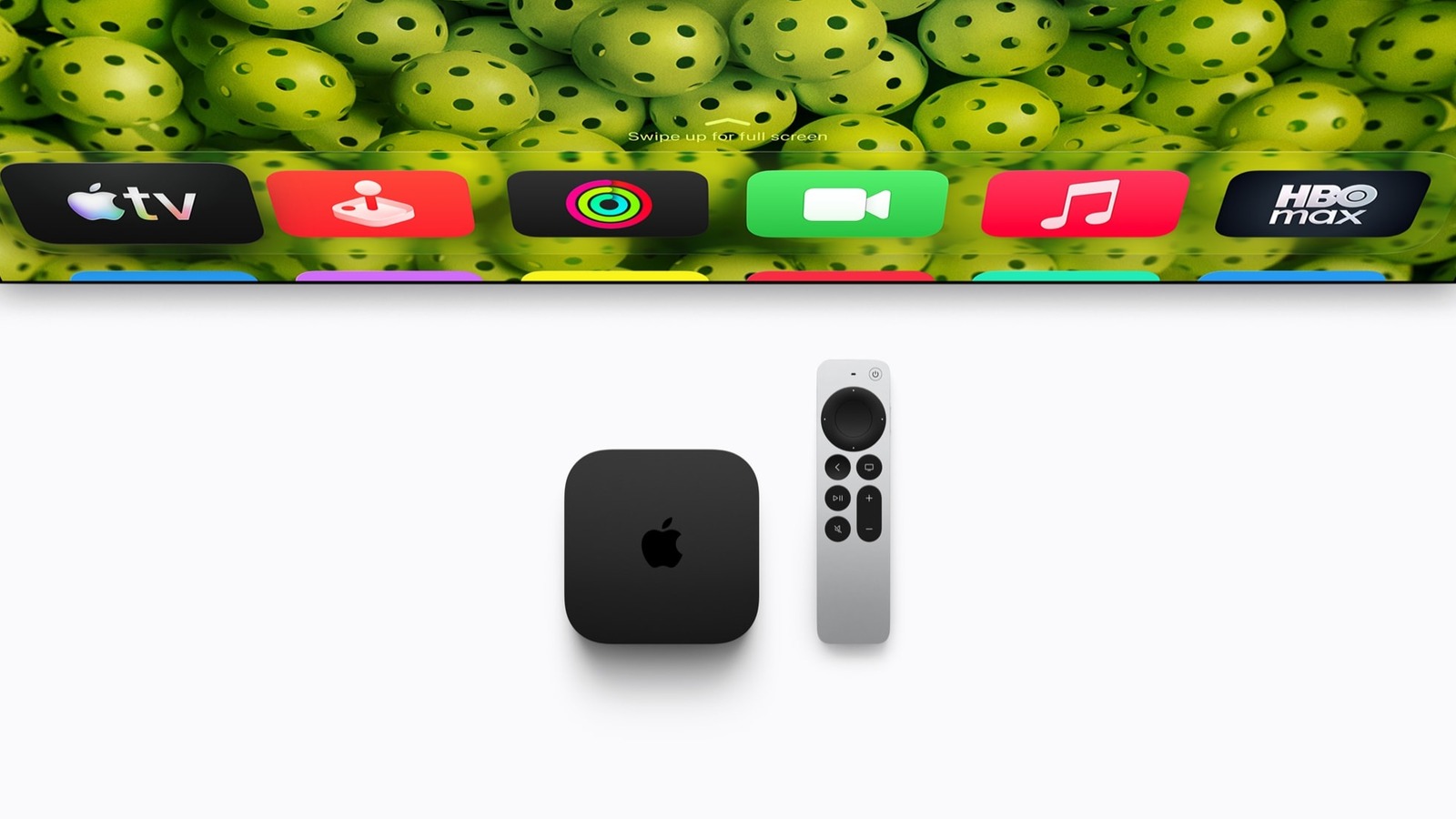
Beyond the silicon, the device now features an array of three integrated far-field microphones. This allows users to engage with Siri AI without needing to reach for the remote, effectively turning the Apple TV into a central smart home hub. Additionally, the new "Siri Remote" now includes Precision Finding capabilities, allowing users to locate a misplaced remote using their iPhone—though this feature is limited to specific iPhone models (iPhone 17 and later, including the Air and Duo variants).
A Chronological Perspective: The Price Inflation Trend
To understand the current $299 price tag, one must look at the recent history of the Apple TV product line.
- 2015–2021: Apple established the Apple TV HD and the initial 4K iterations as mid-tier consumer electronics, typically priced in the $149–$179 range.
- 2022: Apple launched the refreshed 4K model, initially positioning it as a value proposition at $129 for the Wi-Fi version and $149 for the Ethernet model.
- June 2026: In a controversial mid-cycle adjustment, Apple raised the prices of the 2022 models to $199 and $249, respectively. The company cited a surge in memory and storage component costs, driven largely by the massive demand for AI-focused data centers.
- October 2026: The official announcement of the fourth-generation Apple TV 4K at $299 marks a definitive move toward the "premium" market. The device is now only available in a single configuration: 128GB of storage with an Ethernet port.
This rapid escalation suggests that Apple is no longer attempting to compete with the budget-friendly streaming sticks from Amazon or Roku. Instead, they are positioning the Apple TV 4K as a high-performance compute node for the Apple Intelligence era.
Supporting Data: Hardware Comparisons
When comparing the 2022 and 2026 models, the performance gap is significant on paper. The jump from the A15 to the A19 chip is comparable to the technological leap between the iPhone 13 and the iPhone 17. The doubling of RAM and the introduction of AV1 decoding are the most objective improvements for power users.
| Feature | 2022 Apple TV 4K | 2026 Apple TV 4K |
|---|---|---|
| Processor | A15 Bionic | A19 Bionic |
| Wireless | Wi-Fi 6 / Bluetooth 5.0 | Wi-Fi 7 / Bluetooth 6.0 |
| Microphones | None (Remote only) | Built-in (3-mic array) |
| Storage/Connectivity | 64GB/128GB Options | 128GB (Standard) |
| AV1 Decoding | No | Yes |
The new audio capabilities also stand out. The 2026 model enables a quad-HomePod surround sound configuration (two front, two back), provided the user has a matching pair of HomePod mini 2 or second-gen HomePods. This effectively creates a high-fidelity home theater system, a feature that was previously limited to basic stereo pairs.
Official Responses and Strategic Positioning
Apple’s messaging around this launch focuses heavily on "Siri AI." By integrating advanced language models into the TV experience, Apple aims to make voice navigation feel more conversational and less like a series of rigid commands. While the 2022 model will receive a software update to support the new Siri AI, the hardware constraints of the older box may limit the speed and fluidity of the experience compared to the A19-powered newcomer.
Regarding the price, Apple executives have maintained that the costs are reflective of the current global silicon market. As AI demand consumes a larger share of global hardware production, the company has prioritized high-performance chips that can support on-device machine learning. By bundling the 128GB storage and Ethernet connectivity as standard, Apple is attempting to mitigate the feeling of a price hike by providing a "pro-level" base specification.
The Implications: Is it Worth the Upgrade?
For the average consumer who uses their Apple TV primarily for watching Netflix, Hulu, or Disney+, the 2026 model is likely an unnecessary expenditure. Both the 2022 and 2026 models support the same core visual standards: 4K resolution, Dolby Vision, HDR10+, and Dolby Atmos. Since both units are capped at 4K/60fps streaming, the raw power of the A19 chip remains underutilized in a standard media consumption environment.
However, for three distinct groups, the upgrade carries weight:
- The Gamer: If you use your Apple TV for gaming, the A19 chip’s graphics improvements and expanded RAM are essential. The device is moving closer to a console-lite experience.
- The Smart Home Enthusiast: For those who rely on Siri to manage their home, the built-in microphones are a quality-of-life game changer. Removing the need to handle a remote to trigger a voice command simplifies the living room experience significantly.
- The Power User: The inclusion of AV1 hardware decoding is the most objective reason for enthusiasts to upgrade. For users who stream high-bitrate content from YouTube or personal media servers, the AV1 decoder ensures better image quality and lower latency.
The Verdict
The 2026 Apple TV 4K is not a revolutionary product in terms of visual output; it is a consolidation of Apple’s AI ambitions. If you are still using an older Apple TV HD or a first-gen 4K, the upgrade is substantial and highly recommended. If you already own the 2022 model, the $299 price tag is a steep ask for what amounts to an incremental convenience update.
As we await full performance benchmarks in our upcoming deep-dive review, the message is clear: Apple is betting that consumers are ready to pay a premium for a "smarter" TV box. Whether the market agrees remains to be seen when the device hits shelves this November.