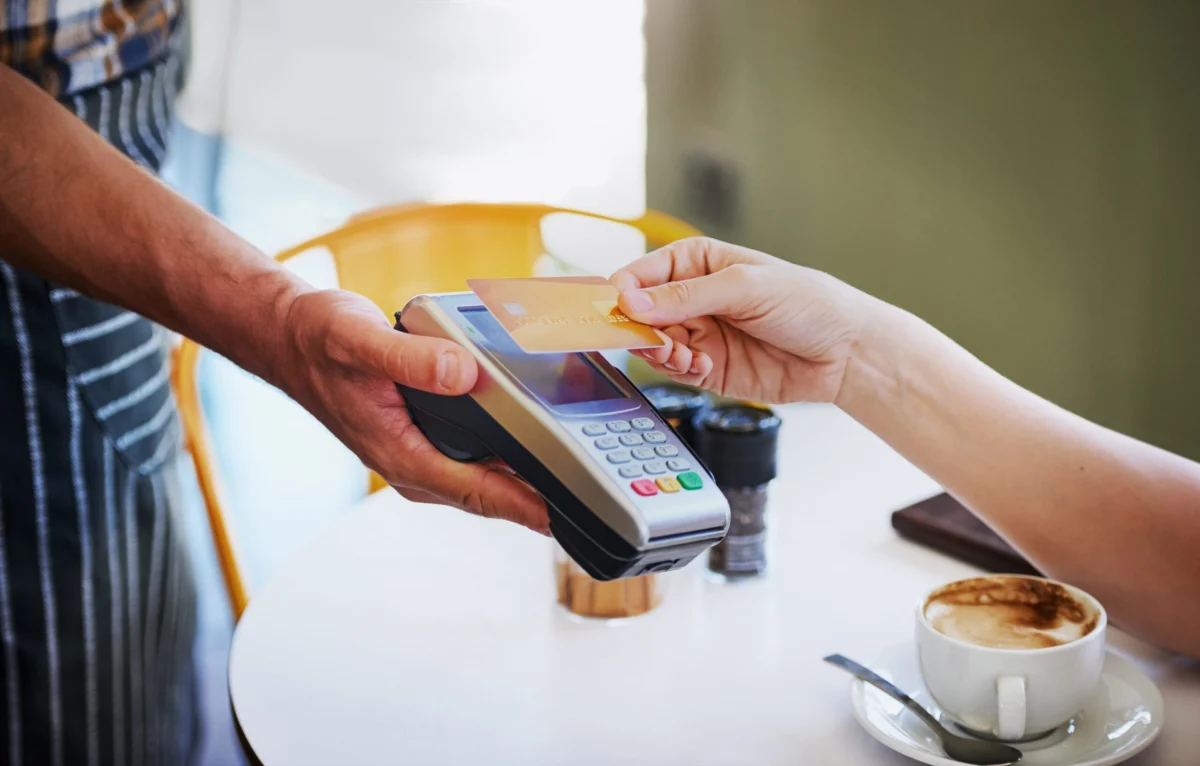
The landscape of Irish retail is undergoing a seismic shift, one that is being measured not in physical currency, but in the near-instantaneous pulse of radio-frequency identification. As the "tap-and-go" culture matures, the reliance on traditional payment methods—specifically cash and the manual insertion of cards—is plummeting. New data suggests that the Irish consumer has crossed a psychological threshold, increasingly comfortable using contactless technology for high-value transactions that were, until very recently, reserved for chip-and-PIN authentication.
Main Facts: The Decline of the Physical Wallet
In 2026, the Irish marketplace has solidified its position as a global leader in digital payment adoption. According to the latest insights from Clover, contactless transactions now comprise an overwhelming 83% of all payments processed. While the ubiquity of the "tap" for a morning coffee or a newspaper is well-documented, the most significant development is the migration of high-value spending to these frictionless platforms.
Data indicates that for transactions valued between €50 and €100, nearly half (50%) are now completed via contactless means—a sharp increase from 38% in 2024. Even more telling is the trend in luxury or bulk-buy sectors: for purchases exceeding €100, the share of contactless payments has climbed to 35%, a significant leap from the 24% recorded just two years ago.
The average value of a contactless transaction sits at approximately €28.89, compared to a robust €203.09 for non-contactless payments. This disparity highlights that while high-value taps are rising, the convenience of the technology remains the primary driver for daily, smaller-scale expenditures.
Chronology of a Financial Evolution
To understand how Ireland reached this point, one must look at the gradual erosion of the "cash-is-king" mentality.
- Pre-2020: Cash dominated the hospitality and retail sectors. Contactless was viewed as a niche convenience for low-value items.
- 2020–2021: The global pandemic acted as a mandatory catalyst. Hygiene concerns forced retailers to adopt terminal-based payments, and consumers rapidly adopted tap technology to avoid physical interaction with point-of-sale (POS) systems.
- 2022–2023: The "tap" became the default. Banks and payment processors increased contactless limits, and the public became accustomed to the speed of the transaction.
- 2024: High-value transactions began their migration toward contactless, as trust in the security of mobile wallets and NFC-enabled cards reached an all-time high.
- 2026: We are currently witnessing the terminal stage of cash usage, with only 5% of all transactions nationwide relying on physical currency.
Supporting Data: The Retail and Hospitality Divide
The shift away from cash is not uniform across all sectors, but it is pervasive. In environments where speed is of the essence—such as pubs, bars, and nightclubs—the adoption of contactless payments has reached a staggering 90%.
Retail outlets, which have historically been the backbone of cash circulation, have seen a similar transformation. Currently, four out of every five retail transactions in Ireland are contactless. Perhaps most strikingly, cash now accounts for a mere 3.3% of total retail transactions, a figure that suggests the "small change" economy is effectively a relic of the past.
When compared to the United States, Ireland’s trajectory is remarkably aggressive. While the U.S. has seen contactless adoption reach 60% of total transactions, Ireland’s 83% figure places it at the vanguard of the global cashless movement.
Digital Wallets Fuel the Rise
A significant, often overlooked component of this growth is the rise of the digital wallet. Services like Apple Pay, Google Pay, and Samsung Pay have fundamentally altered the security perception of contactless payments.
In the United Kingdom, regulators recognized the potential of this technology by scrapping the £100 limit for physical cards in early 2026. However, mobile wallets were already operating without these artificial ceilings, as they utilize biometric authentication—such as fingerprint scanning or facial recognition—to verify the identity of the user at the moment of purchase.
This integration of hardware security with software convenience has bridged the "trust gap." As Don Apgar, Director of Merchant Payments at Javelin Strategy & Research, notes: "What the contactless numbers don’t show is how many of those transactions were initiated via digital wallets and not the cards themselves. While chip and PIN has been the gold standard for transaction security, unlocking your phone to use your digital wallet provides an even higher level of security with improved convenience as well."
Official Perspectives: The Marriage of Security and Speed
The rapid adoption of these technologies is not merely a matter of consumer preference; it is a response to a global trend toward optimized payment infrastructure.
"This mirrors the experience that we’ve seen from contactless growth here in the U.S. and other regions where it’s been rolled out on a large scale," says Apgar. "Convenience is always top-of-mind for consumers, but so is security. For the first time in payments, consumers don’t need to compromise transaction security for convenience, since contactless transactions deliver both."
The prevailing sentiment among industry experts is that the traditional "chip and PIN" method is increasingly viewed as an unnecessary hurdle. By moving the authentication process from a physical terminal to a personal device, the consumer retains control over their financial identity, effectively neutralizing the risk of card theft or cloning.
Implications for the Irish Economy
The transition to a near-cashless society carries profound implications for the Irish economy, ranging from banking infrastructure to social inclusion.
1. Operational Efficiency for Merchants
For small and medium-sized enterprises (SMEs), the move away from cash represents a significant reduction in operational overhead. Cash handling requires insurance, secure transport, and time-consuming reconciliation at the end of each shift. By moving to a 95%+ electronic payment model, retailers can reinvest time and capital into customer service and inventory management.
2. The Future of Banking Infrastructure
As transaction volumes shift toward digital wallets, the role of physical bank branches is being re-evaluated. If consumers no longer need to withdraw cash to engage in commerce, the demand for ATM networks will continue to shrink. Banks will likely accelerate the digitalization of their services, moving away from legacy branch models toward hyper-efficient digital platforms.
3. Data-Driven Retail
Contactless and mobile payments generate vast amounts of anonymized data that can help retailers understand consumer behavior with unprecedented precision. By analyzing peak payment times and spending patterns, businesses can tailor their offerings, loyalty programs, and staffing requirements to match real-time demand.
4. The Challenge of Financial Inclusion
Despite the clear benefits, the rapid decline of cash presents a social challenge. A segment of the population—particularly the elderly and those without access to modern smartphones—remains reliant on cash. As retail outlets increasingly adopt "card-only" policies, there is a risk of isolating these groups. Policymakers will likely need to address this "digital divide" to ensure that the march toward progress does not leave the most vulnerable citizens behind.
Conclusion: The Path Ahead
The data from 2026 is definitive: Ireland is no longer flirting with a cashless future; it is living in it. The barriers that once prevented consumers from tapping their way through a €150 purchase have been dismantled by the dual forces of technological advancement and shifting social expectations.
As digital wallets become more sophisticated and biometric security becomes the industry standard, the "tap" will likely become the universal language of commerce. For the Irish consumer, the convenience of the digital wallet has proven to be the ultimate catalyst, turning the act of payment into a background task—seamless, secure, and entirely invisible. While cash may not disappear entirely, its role as a primary medium of exchange is nearing its end, marking the close of one chapter of Irish financial history and the definitive start of another.