By [Your Name/Journalistic Staff]
Federal Small Business Minister Dr. Anne Aly has issued a stinging public condemnation of violent rhetoric directed at her by a member of the Opposition, revealing that the incident is part of a broader, deeply concerning trend of intimidation. The Minister disclosed that she has received 19 distinct death threats within the past week alone, sparking a national conversation regarding the deteriorating tone of political discourse in Australia.
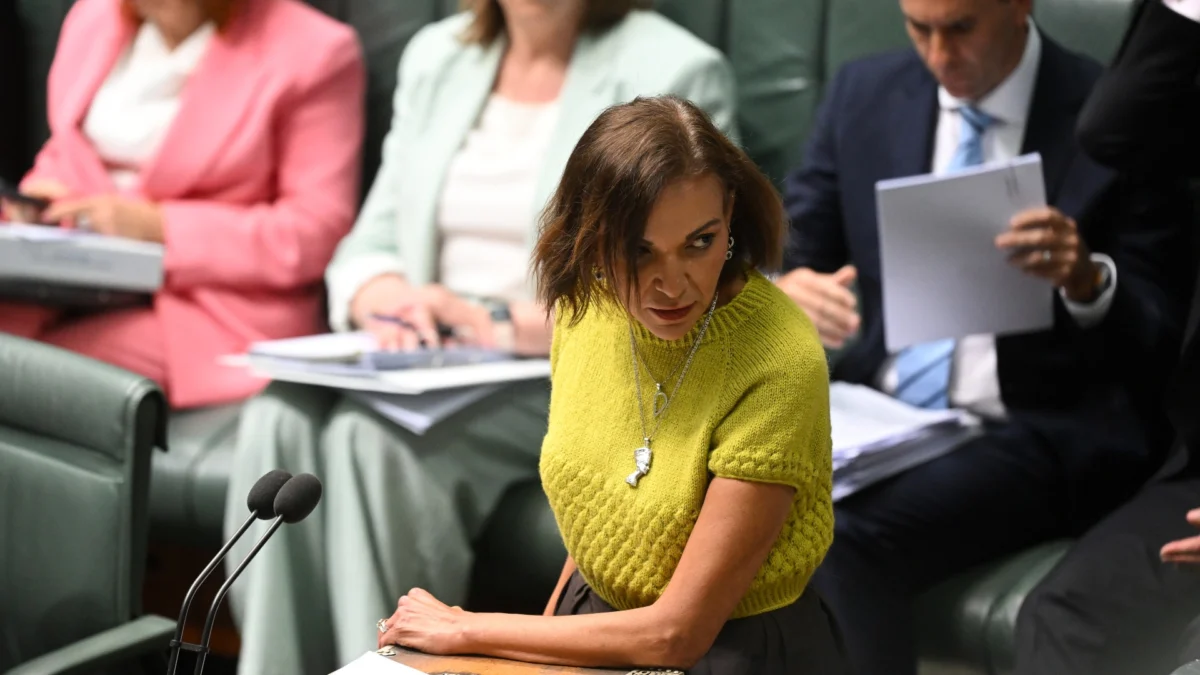
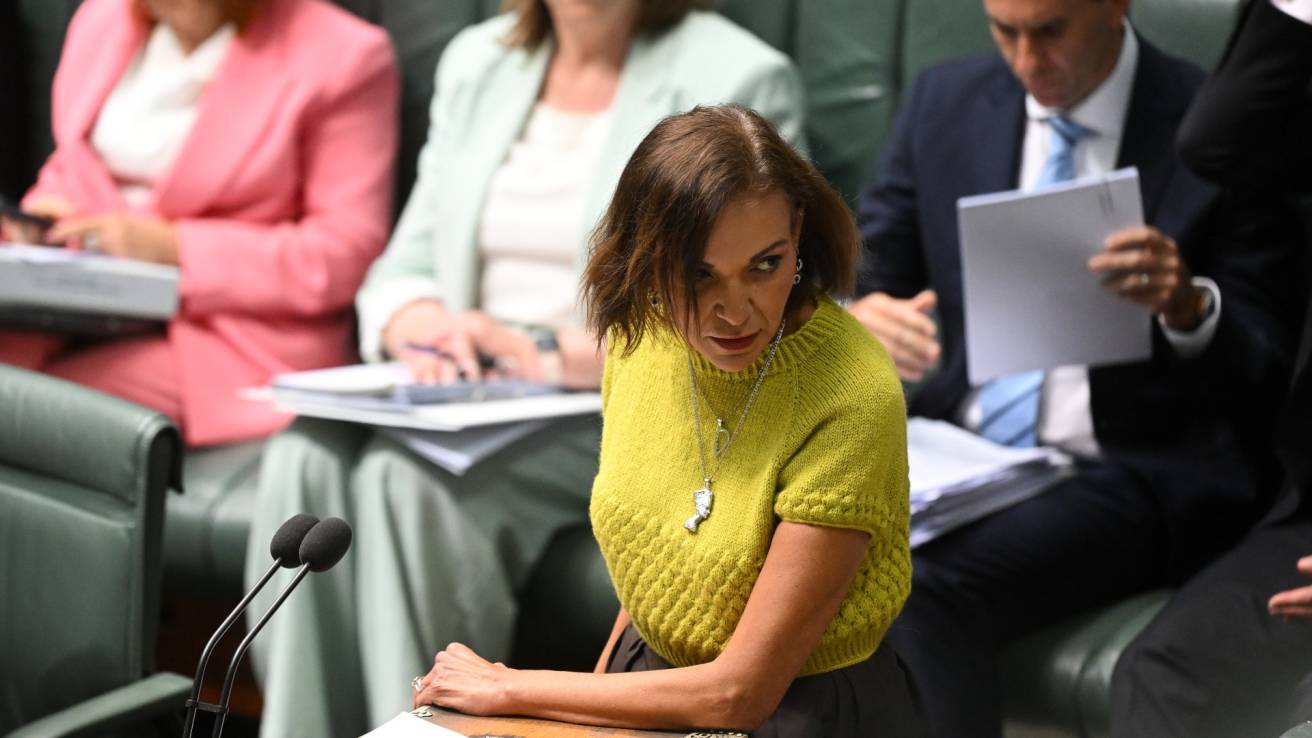
The confrontation follows a heated exchange in the House of Representatives, where Liberal National MP Angie Bell attacked the government’s economic record, specifically focusing on the Australian Taxation Office’s (ATO) controversial decision to cease accepting credit card payments—a move that has drawn significant ire from the small business community.
The Catalyst: A Parliamentary Clash
The tension reached a breaking point on Tuesday, October 13, 2026, during Question Time in Parliament House, Canberra. Liberal National MP Angie Bell, representing the Opposition, launched a pointed critique of the government’s small business policy. Bell argued that the current administration’s fiscal management is "punishing small business" and "sending them broke."
The debate centered on the Australian Taxation Office’s (ATO) proposal to eliminate credit card payments for tax liabilities. For many small business owners, who often rely on credit cards to manage cash flow and cover tax obligations, the prospect of this change has created significant anxiety. Critics argue that removing this payment avenue removes a vital "breathing room" mechanism for businesses struggling with liquidity in an inflationary environment.
However, the political friction escalated beyond policy disagreement when comments attributed to the Opposition benches suggested that the Minister should be "stoned in the square." The remark, which invokes imagery of extreme violence and historical corporal punishment, has been roundly condemned as a dangerous escalation of parliamentary hostility.
Chronology of Events
- September 2026: The Australian Taxation Office signals a shift in payment policy, aiming to stop accepting credit card payments. The proposal draws immediate backlash from industry groups and small business advocates.
- Early October 2026: Small Business Minister Anne Aly begins to report an uptick in abusive correspondence and direct threats as the policy remains a flashpoint for debate.
- Tuesday, October 13, 2026: During Question Time, the policy debate intensifies. MP Angie Bell challenges Minister Aly on the floor, framing the government’s policies as an existential threat to the small business sector.
- Tuesday Evening, October 13, 2026: Following the session, Minister Aly takes to social media to denounce the "stoned in the square" rhetoric, revealing the personal toll of the recent legislative session, including the receipt of 19 death threats in seven days.
The Growing Climate of Intimidation
The revelation that Minister Aly has been the recipient of 19 death threats in a single week highlights a disturbing trend in Australian politics: the normalization of violence in political disagreement. While robust debate is a hallmark of a healthy democracy, the shift toward personal, violent, and gendered vitriol is being flagged by security experts and parliamentary peers as a significant threat to the democratic process.
The specific phrase used against the Minister—"stoned in the square"—carries heavy, archaic connotations of public execution. By using such language, critics suggest that the boundaries of civil discourse have not just been crossed, but obliterated.
Dr. Aly, a former academic and researcher in counter-terrorism and radicalization before entering politics, is well-versed in the mechanics of hate speech. Her decision to publicize the threats is viewed by analysts as a strategic move to hold the Opposition accountable for the climate they help foster.
Official Responses and Political Repercussions
The government has rallied behind Minister Aly, with several senior ministers calling for an immediate cooling of rhetoric from the Opposition.
"The tone of this debate has become toxic," a government spokesperson stated. "When we move from debating the merits of tax collection methods to calling for the physical harm of a Minister, we have lost our way as a functioning legislature."
On the other side of the aisle, the Opposition has faced pressure to clarify whether they endorse the language used by their members. While there has been no immediate formal apology from the MP in question, the incident has prompted a broader review of parliamentary conduct rules. The Speaker of the House has hinted that future sessions may see stricter enforcement of standing orders regarding personal attacks and dehumanizing language.
Implications for Small Business Policy
While the vitriol captured headlines, the underlying policy issue remains unresolved. The ATO’s proposed credit card ban is not merely an administrative change; it is an economic issue that impacts the daily operations of thousands of Australian enterprises.
The Burden of Payment Processing
For a small business, tax obligations are often the largest single outgoing of the year. When cash flow is tight, the ability to pay via credit card acts as an interest-free bridge—or at least a manageable one—until revenue from clients arrives. By removing this option, the ATO risks forcing businesses into insolvency, a point that even moderate economic observers have acknowledged.
The Risk of Policy "Silos"
The current controversy suggests a failure in the communication pipeline between the ATO and the Ministry for Small Business. If the Minister is being attacked for policies that are essentially bureaucratic decisions made by a statutory authority, it raises questions about the government’s control over its own regulatory agencies.
If the government cannot manage the optics and the practical impact of such policies, the political cost—as evidenced by the extreme reactions seen in Parliament—will only continue to rise.
The Broader Context: Why the Tone Matters
The rise in threats against public figures is often linked to the "echo chamber" effect of social media and the increasing polarization of the electorate. When politicians use inflammatory language in the House of Representatives, it provides a "green light" for extremists to escalate their actions from keyboard activism to genuine, physical threats.
Experts in political communication suggest that the usage of such violent metaphors—regardless of whether they are intended as hyperbole—diminishes the capacity for compromise. When a political opponent is framed as an enemy deserving of violence, the possibility of bipartisan cooperation on crucial issues, such as tax reform or small business relief, evaporates.
Conclusion: A Call for Accountability
As the dust settles on this week’s parliamentary session, the focus is expected to shift toward how the government and the Opposition can reset the dial on civil discourse. The Minister’s disclosure of 19 death threats is a sobering reminder that there is a human cost to the "culture wars."
For small business owners, the priority remains the stability of their enterprises. They are looking for clear, actionable solutions to the ATO payment issue, not a spectacle of parliamentary violence. The challenge for the government now is to pivot the conversation back to the economy, while simultaneously ensuring that the safety of its ministers is protected from a political climate that has become increasingly, and dangerously, volatile.
Whether this event leads to a formal censure or a change in parliamentary decorum remains to be seen. What is clear, however, is that the current trajectory is unsustainable. The democratic process requires that politicians be able to represent their constituents without fearing for their safety—a standard that must be upheld if the institution of Parliament is to retain the respect and trust of the Australian public.