Tirana, Albania – [Date, e.g., November 21, 2023] – A powerful explosion, caused by a tritol device, rocked a quiet residential street in Albania’s capital early Tuesday morning, targeting a vehicle owned by the wife of prominent lawyer Idajet Beqiri. The incident, which occurred on Nikolla Lena Street, resulted in significant material damage but, fortunately, no personal injuries. However, the blast has sent shockwaves through the country’s political landscape, as Beqiri swiftly and directly accused former President and Prime Minister, Sali Berisha, of orchestrating the attack as an act of political intimidation and attempted assassination.
The brazen act has raised serious concerns about public safety, the rule of law, and the escalating rhetoric in Albanian politics, drawing immediate comparisons to darker periods in the nation’s recent history. Authorities have launched an investigation into the incident, which Beqiri vehemently described as a "pure terrorist act" aimed at silencing his vocal criticism of powerful figures.
Main Facts of the Attack: A Calculated Act of Violence
The tranquility of a typical Tuesday morning in Tirana was shattered at approximately 9:20 AM by a loud explosion that reverberated across the Nikolla Lena neighborhood. Residents reported hearing a powerful blast followed by the screech of emergency vehicles. Police and forensic teams were quickly dispatched to the scene, cordoning off the area and commencing their initial investigations.
The target of the explosion was identified as a vehicle belonging to the wife of lawyer Idajet Beqiri. The tritol device, a potent explosive often associated with organized crime and politically motivated attacks in the region, was reportedly placed directly beneath the driver’s seat of the car. This specific placement, according to Beqiri, indicates a clear intent to eliminate the driver, rather than merely issuing a warning or causing property damage.
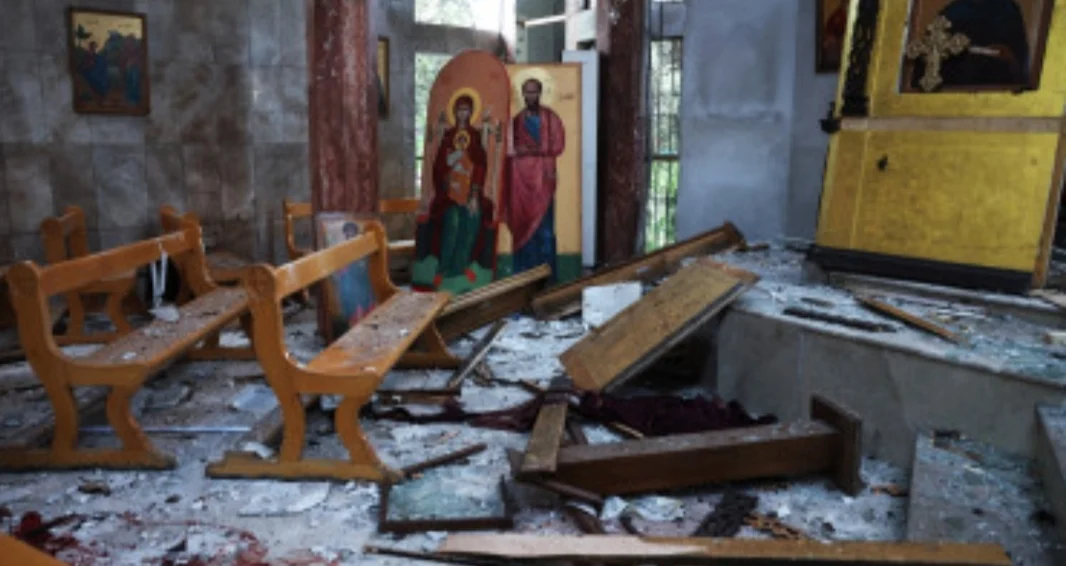
While no one was physically harmed in the blast, the car itself suffered extensive damage, effectively being "blown into the air," as Beqiri described. The sheer force of the explosion was such that it also caused considerable material damage to surrounding buildings, shattering windows and cracking facades, underscoring the severity and potential lethality of the device used. The immediate aftermath was one of chaos and fear, with residents emerging from their homes to survey the destruction and ponder the implications of such a violent act occurring in a residential zone.
Chronology of Events: From Television Studio to Targeted Blast
The dramatic explosion on Tuesday morning did not emerge from a vacuum but appears, at least in Beqiri’s interpretation, to be a direct consequence of his recent public statements. The sequence of events leading up to the attack provides a critical context for understanding the lawyer’s strong accusations.
The Catalyst: Beqiri’s Controversial TV Appearance
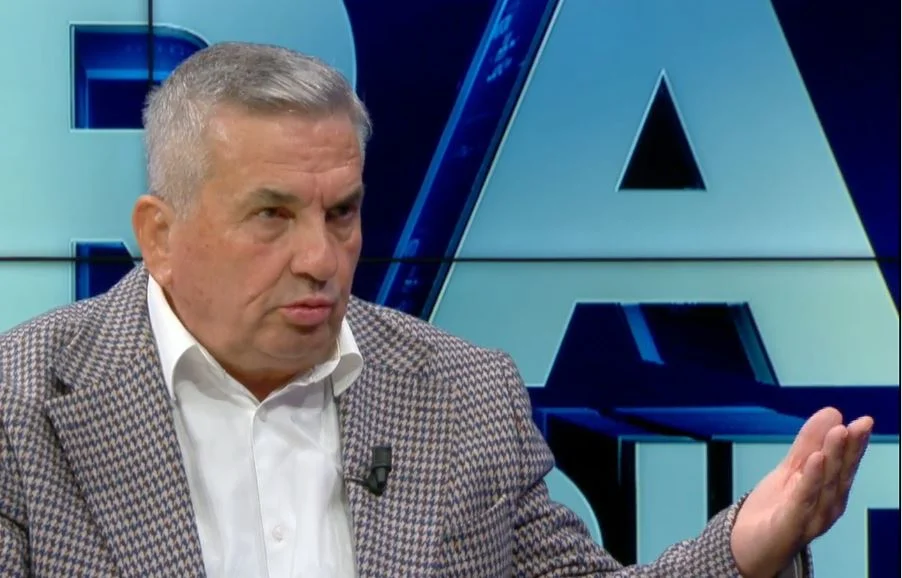
Just days before the incident, on November 11th, Idajet Beqiri was a guest on the "Ora e Fundit" (Last Hour) program on ABC News. During this appearance, Beqiri made highly provocative statements concerning Sali Berisha. He specifically called for the establishment of an international court to prosecute Berisha for what he alleged were widespread crimes committed during his tenure in power. Beqiri cited startling figures, claiming that 10,500 people had been killed under Berisha’s rule, including 3,500 during the tumultuous year of 1997 alone. His remarks were not merely critical; they were a direct challenge to Berisha’s historical narrative and his ongoing political influence.
Travel and Timing: A Calculated Strike
Beqiri further elaborated on his movements following the television interview. He stated that he was in Brussels with his wife for a day and a half after his ABC News appearance. His schedule for Tuesday morning, the day of the explosion, involved traveling to Lushnje for a court case, which he was due to attend at 9:00 AM. The explosion, occurring at approximately 9:20 AM, while Beqiri was away, suggests a meticulously planned operation. Beqiri firmly believes that the perpetrators acted with the conviction that he would be in the car at that precise moment, having returned from Brussels. "It was a planned act, with the conviction that I would come yesterday from Brussels," he stated, highlighting the perceived intent to target him directly.
The timing and location suggest a high degree of surveillance and planning, raising questions about who could have possessed such detailed information about Beqiri’s movements and intentions.
Lawyer Beqiri’s Unwavering Accusations and Interpretation
Following the tritol attack, Idajet Beqiri wasted no time in publicly attributing blame, unequivocally pointing his finger at Sali Berisha. His statements were not merely speculative; they were presented with a fierce conviction that left no room for ambiguity.
Direct Blame and the "Terrorist Act" Label
Speaking to ABC News after the explosion, Beqiri declared, "After the explosion, it is the head of PD, Sali Berisha." He went on to dismiss any notion that the attack was a mere warning or a "lesson." "That explosion was not a lesson. A pure terrorist act. It was a planned act," Beqiri emphasized. This strong language underscores his belief that the intent was not to intimidate but to eliminate him, reinforcing the gravity of the situation.
Assassination Attempt, Not Intimidation
The placement of the tritol device was central to Beqiri’s interpretation of the attack’s true purpose. "The tritol was placed under the driver’s seat," he revealed. "The amount of tritol was so large that experts said it was for elimination." This detail transforms the incident from a simple act of vandalism or intimidation into a chilling assassination attempt, raising the stakes significantly. Beqiri argued that such a targeted and powerful explosion indicated a desire to silence him permanently, rather than just send a message.
Connecting the Dots: Criticism as Motive
Beqiri explicitly linked the attack to his recent public statements calling for an international court to investigate Berisha’s alleged crimes. He stated that the tritol was placed "after this declaration." He reiterated his stance on the necessity of an international tribunal to address what he describes as "10,500 killed… that Berisha did during his governance." This direct correlation between his outspoken criticism and the subsequent attack forms the core of his accusation, suggesting a retaliatory motive.
Defiance in the Face of Threat
Despite the clear and present danger, Beqiri maintained a defiant stance. He interpreted the incident as a direct message from Berisha, delivered through "his people." Beqiri declared his intention to continue speaking out, stating, "The direct message was made by Berisha on television. His people, by any means, are behind you. I address them with thousands of supportive messages, there are also those who respond to the ‘cavemen,’ as the ‘cavemen’ deserve. Sali Berisha, who else is it?" This rhetoric suggests a deepening personal and political feud, now escalated by violence.
Supporting Data: Contextualizing the Conflict
To fully grasp the weight of Beqiri’s accusations and the potential implications of this attack, it is essential to understand the backgrounds of the key figures and the broader political landscape in Albania.
Idajet Beqiri: A Vocal Legal Figure
Idajet Beqiri is a well-known lawyer in Albania, recognized for his often outspoken views and willingness to engage in public discourse on sensitive political and legal matters. He has a history of representing clients in high-profile cases and has frequently appeared on television to offer legal commentary and express his opinions on current events. His public profile and tendency to voice strong, sometimes controversial, opinions make him a visible figure in Albania’s media landscape. While his specific political affiliations are not explicitly detailed in the provided text, his consistent criticism of Sali Berisha suggests a clear political leaning or a firm commitment to a particular stance on justice and accountability. His call for an international court against Berisha is not a new concept in Albanian political discourse but is one of the most direct and forceful public endorsements of such a measure.
Sali Berisha: A Towering, Controversial Political Figure
Sali Berisha is arguably one of the most dominant and polarizing figures in Albanian post-communist history. He served as President of Albania from 1992 to 1997 and later as Prime Minister from 2005 to 2013. A former cardiologist, he rose to prominence as a leader of the democratic movement that overthrew communism in the early 1990s.
However, his political career has been plagued by persistent accusations of corruption, authoritarian tendencies, and involvement in various controversies, particularly concerning the widespread unrest and collapse of pyramid schemes in 1997, which plunged Albania into near civil war. Beqiri’s allegations of 10,500 deaths under Berisha’s rule, including 3,500 in 1997, refer to this tumultuous period and other alleged incidents throughout his time in power. These figures are highly contentious and have been a subject of intense political debate and historical revisionism in Albania.
Currently, Berisha leads the opposition Democratic Party (PD), despite facing significant legal challenges. He has been declared persona non grata by the United States and the United Kingdom due to alleged corruption, and he is currently under house arrest in Albania on corruption charges related to the privatization of a sports complex. His ongoing legal battles and his continued leadership of a major opposition party contribute to a highly charged political atmosphere. Any accusation against him, especially one involving violence, carries immense political weight and is likely to be met with fierce denials from his camp.
The Volatile Political Climate in Albania
Albania’s political scene is characterized by deep divisions, strong personalities, and often confrontational rhetoric. The relationship between the ruling Socialist Party and the opposition Democratic Party, led by Berisha, is frequently tense. Allegations of corruption, abuse of power, and political interference in the judiciary are common. In this environment, an attack targeting a lawyer who has publicly criticized a powerful political figure can easily be perceived as an escalation of political warfare, further eroding trust in institutions and raising fears of a return to past methods of political intimidation. The use of explosives in such a context is particularly alarming, as it suggests a willingness to resort to extreme measures.
Official Responses and Political Reactions
The gravity of the tritol attack and the direct accusation against a former head of state demand immediate and comprehensive responses from both law enforcement and political actors.
Police and Prosecutorial Investigation
Following the explosion, the Albanian State Police immediately launched a full-scale investigation. Forensic teams meticulously combed the scene for evidence, including fragments of the explosive device, to determine its type, origin, and the exact mechanism of its detonation. Detectives have reportedly begun interviewing witnesses and examining CCTV footage from the area to identify potential suspects and trace their movements. The General Prosecution Office has also initiated proceedings, focusing on charges related to the placement of explosives and attempted murder.
As of the immediate aftermath, however, police authorities have maintained a cautious stance, refraining from premature conclusions regarding motive or perpetrators. They have not publicly commented on Idajet Beqiri’s specific accusation against Sali Berisha, indicating that the investigation is in its early stages and they are following all leads. The pressure on law enforcement to swiftly and thoroughly investigate this high-profile case is immense, given its political implications.
Sali Berisha and the Democratic Party’s Response
Given the direct and unequivocal accusation leveled against him by Idajet Beqiri, Sali Berisha’s response is a critical element for journalistic balance. As of the initial reports, representatives for Sali Berisha and the Democratic Party have not issued an official statement specifically addressing Beqiri’s allegations regarding the tritol attack. Typically, Berisha’s camp strongly denies any accusations of violence or illegal activities, often framing them as politically motivated attempts by his opponents to discredit him. It is anticipated that any future response would vehemently reject Beqiri’s claims and might even accuse Beqiri of political manipulation or attempting to capitalize on the incident. The silence, if prolonged, could also be interpreted in various ways, ranging from a strategic decision to avoid dignifying the accusation to a lack of immediate information.
Government and Other Political Actors
The Albanian government, led by Prime Minister Edi Rama of the Socialist Party, is also expected to react to such a significant incident. While not directly involved in the accusation, the government has a responsibility to condemn acts of violence and ensure public safety. Any statement from the government would likely emphasize the importance of a swift and impartial investigation and underscore its commitment to the rule of law. Other political parties and civil society organizations are also likely to voice their concerns, either condemning the violence generally or aligning with Beqiri’s calls for accountability, depending on their political stance. International bodies and diplomatic missions in Albania may also issue statements expressing concern over political violence and emphasizing the need for a transparent legal process.
Implications for Albanian Politics and Rule of Law
The tritol attack targeting Idajet Beqiri’s wife’s car, and the subsequent accusations, carry profound implications for Albania’s political stability, its democratic institutions, and the fundamental principles of justice and free expression.
Escalation of Political Tensions: The incident risks further escalating an already polarized political environment. When political disagreements lead to acts of violence, the potential for a dangerous cycle of retribution and intimidation increases. Beqiri’s direct accusation against Berisha, a figure already facing significant legal and political challenges, can only deepen the existing divides and make reconciliation or constructive dialogue even more difficult. This could lead to more aggressive rhetoric and a less tolerant political climate.
Threat to Freedom of Expression and Rule of Law: An attack targeting a public figure for their critical statements sends a chilling message to others who might consider speaking out against powerful individuals. It raises serious questions about the safety of lawyers, journalists, and activists who engage in critical commentary, potentially leading to self-censorship and a weakening of democratic discourse. Moreover, if such acts go unpunished or are perceived to be politically motivated, it erodes public trust in the justice system and the state’s ability to uphold the rule of law. The perception that powerful figures can orchestrate violence with impunity is deeply damaging to a nascent democracy.
Challenges for Investigators and Judicial Independence: The high-profile nature of this case and the political accusations attached to it present significant challenges for law enforcement and the judiciary. Investigators will face intense public and political scrutiny, and their findings will be analyzed for any signs of bias or external pressure. Ensuring the independence and integrity of the investigation is paramount to restoring public confidence. The outcome of this case could set a precedent for how politically charged acts of violence are handled in Albania.
Impact on Albania’s European Aspirations: Albania is a candidate country for membership in the European Union, and adherence to democratic principles, rule of law, and protection of fundamental freedoms are key criteria. Incidents of political violence and alleged attempts to silence critics could negatively impact Albania’s image and its progress towards EU integration. International partners will be closely watching how the Albanian authorities handle this case.
Public Perception and Security Concerns: For ordinary citizens, the explosion in a residential area, coupled with the political context, fuels anxieties about personal safety and the stability of the country. The use of explosives, typically associated with organized crime, in a seemingly politically motivated attack, blurs the lines and contributes to a general sense of insecurity.
Conclusion
The tritol explosion in Tirana, targeting the car of lawyer Idajet Beqiri’s wife, marks a dangerous escalation in Albania’s tumultuous political landscape. While authorities are diligently investigating the incident, Beqiri’s immediate and unequivocal accusation against Sali Berisha has thrust the attack into the heart of the country’s deep-seated political rivalries. The severity of the blast, the strategic placement of the explosive, and the context of Beqiri’s recent outspoken criticism paint a grim picture of an attempted assassination driven by political motives.
This incident is more than just a crime; it is a stark reminder of the fragility of democratic norms when political discourse devolves into violence. The coming days and weeks will be crucial as the investigation unfolds and as political actors respond to the accusations. The ability of Albanian institutions to conduct a transparent, impartial, and effective investigation, and to hold those responsible accountable, will be a significant test of the country’s commitment to the rule of law and its aspirations for a stable, democratic future. The incident underscores the urgent need for restraint in political rhetoric and a renewed commitment to resolving differences through peaceful and democratic means.