The nascent wireless venture Trump Mobile, once touted as a revolutionary force in the telecommunications sector, is facing a deepening crisis. A newly emerged cybercrime syndicate, identifying itself as “BYOD,” has claimed responsibility for a significant data breach involving the personal records of over 3,600 customers. This incident serves as the latest in a series of setbacks for the brand, which has struggled to deliver on its ambitious promises since its high-profile launch in June 2025.
The compromised dataset, which was published on the dark web in late September 2026, includes highly sensitive personal information such as full names, email addresses, phone numbers, residential addresses, and specific order details. The breach represents a major failure in data stewardship for a company that has already been under intense scrutiny from both consumers and federal regulators.
The Anatomy of the Breach
The threat group BYOD, described by cybersecurity analysts as a burgeoning "ransomware-as-a-service" operation, officially added Trump Mobile to its list of victims on September 29, 2026. While the group’s moniker implies a typical ransomware methodology—whereby systems are encrypted until a payment is made—this specific attack deviated from the standard playbook. Experts noted that there was no evidence of system encryption or a traditional ransom demand, suggesting the actors were primarily interested in data exfiltration for the purpose of leaking or potentially selling the information.
How the Infiltration Occurred
Security researchers and intelligence outlets have pieced together a consistent, though multifaceted, narrative regarding the breach. Reports from International Cyber Digest indicate that the attackers successfully compromised a Liberty Mobile employee—the Florida-based operator providing the underlying infrastructure for the service—via an infostealer malware.
Other outlets, including Cybernews and Android Authority, have pointed to the deployment of a remote access trojan (RAT) that allowed the attackers to navigate the internal network. Once inside, BYOD reportedly pivoted to exposed subdomains associated with Trump Mobile. The group alleges that the company failed to implement even the most basic cybersecurity standard: multi-factor authentication (MFA). By exploiting this oversight, the hackers claim to have gained persistent, live access to a customer management dashboard.
A Chronology of Declining Trust
The trajectory of Trump Mobile has been marred by operational delays and broken promises since its inception. To understand the gravity of the current data breach, one must look at the timeline of the venture’s troubled existence.
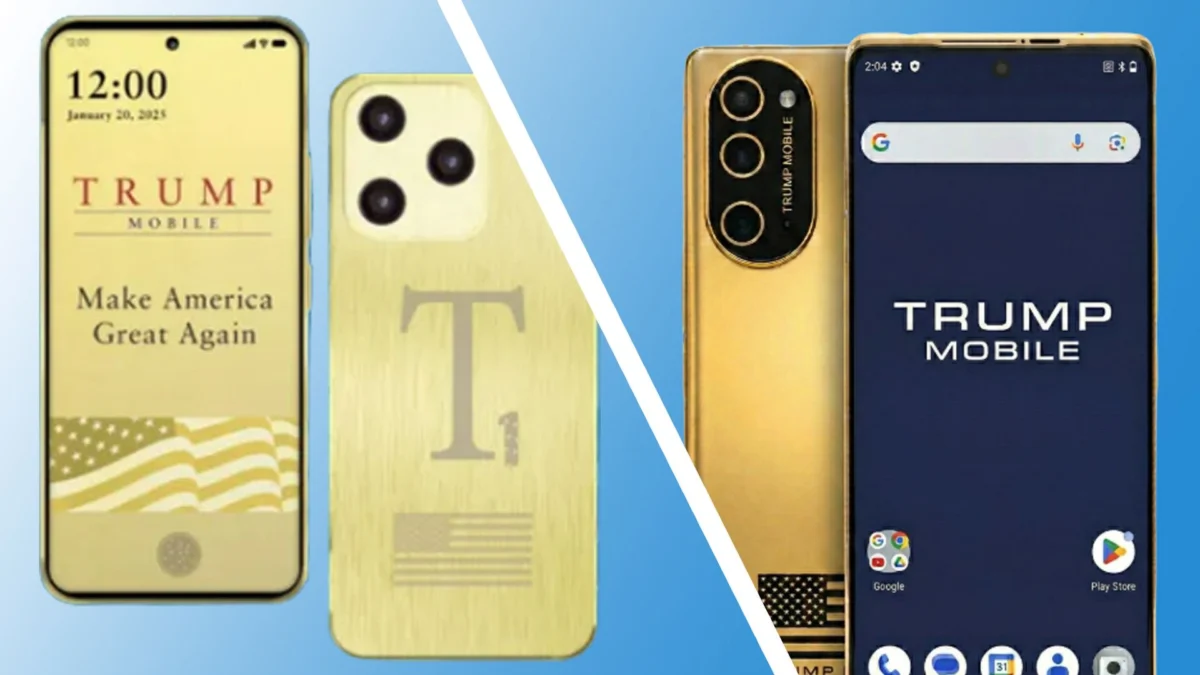
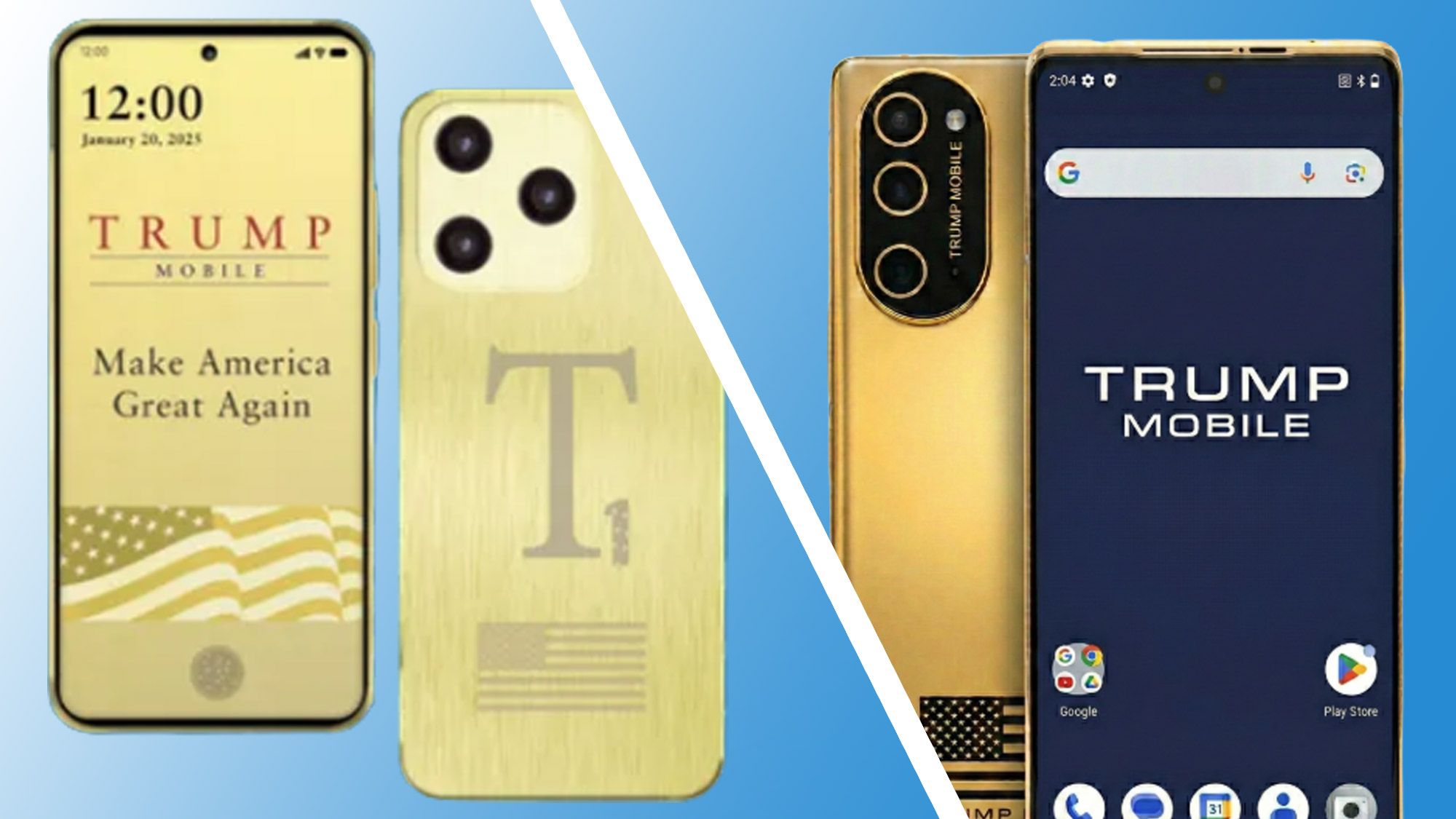
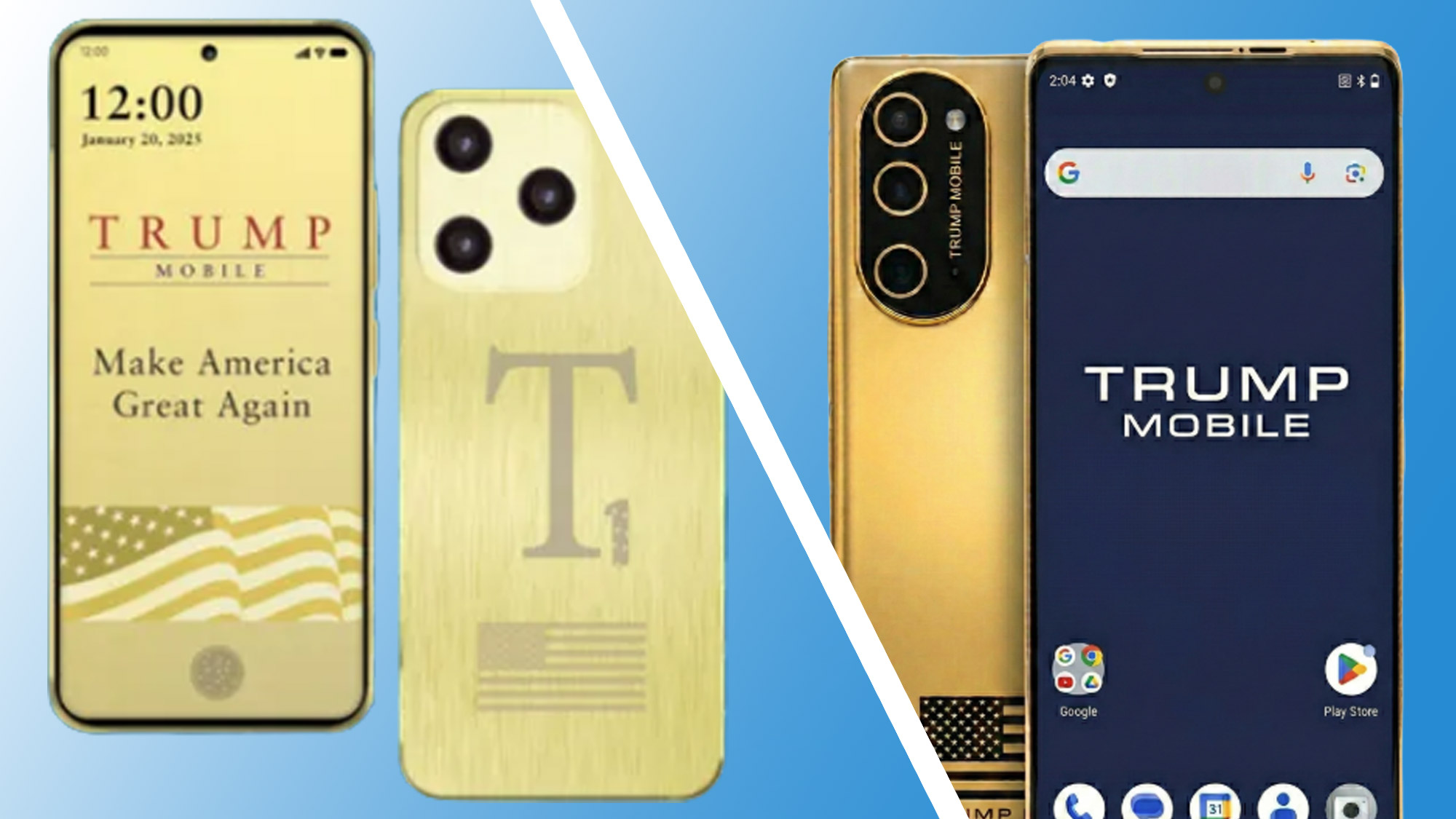
- June 2025: Trump Mobile launches with a fanfare, featuring the "T1" gold-colored smartphone. Eric Trump declares that the company will "revolutionize cell phones."
- July 2025: Within two weeks of launch, the company quietly removes its "Made in America" marketing claim from its official website, sparking initial skepticism.
- August 2025 – April 2026: Shipping dates for the T1 device undergo a series of cascading delays, shifting from August to December, then March, and finally April.
- April 2026: In a controversial move, the company amends its preorder terms, clarifying that a $100 deposit does not constitute a purchase, further alienating a base of roughly 590,000 depositors.
- January 2026: Federal lawmakers officially urge the Federal Trade Commission (FTC) to conduct an investigation into the company’s marketing practices.
- May 2026: An initial data breach occurs. Trump Mobile’s response is notably sluggish, with leadership debating for weeks whether or not to notify the affected user base.
- September 2026: The BYOD group claims a secondary, larger breach. A separate group, "EndZone," also claims to have taken data on 4,000 users, though researchers believe this to be part of the same original incident.
Verification of the Stolen Data
The legitimacy of the stolen data has been verified by multiple independent outlets. Straight Arrow News, which broke the initial story, confirmed the accuracy of the records by contacting individuals listed in the dataset. Similarly, Cybernews performed an analysis on sample data, confirming that the information was genuine and did not overlap with previously known breaches.
Perhaps most damning is the report from PCMag, which reached out to three individuals included in the leaked files. One customer expressed shock at finding an accurate, real-time record of their recent cancellation of a 30-day unlimited plan, indicating that the attackers had indeed accessed current, active administrative databases.
Official Silence and "No Team to Handle This"
The response from the entities involved has been characterized by a profound lack of transparency and, at times, open hostility. When approached for comment by various news organizations, Trump Mobile remained silent. Neither the Trump Organization nor Liberty Mobile provided any official statement or strategy for remediation.
According to communications intercepted by the hackers, the internal response from the organization was arguably more concerning than the silence itself. BYOD claims that when they attempted to confront the company regarding the breach, they were told, "We have no team to handle this," and that the company proceeded to brand the hackers as "terrorists." This apparent lack of a dedicated cybersecurity or incident response team suggests that the infrastructure supporting the T1 smartphone and its associated wireless service may be severely under-resourced, despite the high-profile branding.
Implications for Customers and the Industry
For the 3,615 customers whose data was leaked, the immediate concern is not necessarily the loss of financial assets—as no credit card or banking information appears to be included in the dump—but rather the threat of sophisticated social engineering.
The Threat of Phishing
The leaked data contains a perfect toolkit for scammers: full names, home addresses, phone numbers, and detailed order histories. In the hands of malicious actors, this information can be used to craft highly convincing phishing attacks. A scammer could, for instance, pose as a Trump Mobile customer service representative or a delivery courier, using the victim’s specific order details to establish trust before soliciting further information or fraudulent payments.
A Lack of Corporate Accountability
The broader implication of this breach is the persistent question of corporate accountability in the era of "fan-based" tech ventures. When a company markets a product based on political branding rather than technical reliability, consumers are often left without the standard protections expected from established telecommunications carriers. The fact that Trump Mobile has failed to issue a formal notification or offer identity theft protection to its users further highlights the disparity between the product’s marketing and its operational reality.
As the industry observes this unfolding disaster, the consensus among security experts is clear: the incident is a cautionary tale regarding the necessity of multi-factor authentication and the dangers of launching infrastructure-heavy services without a robust security framework. For now, those who have pre-ordered the device or provided personal details to the company are advised to treat all incoming communications—whether via email, SMS, or telephone—with extreme caution.
While the "gold-colored" allure of the T1 may have drawn many to the service, the reality of the experience has proven to be far less revolutionary, and significantly more hazardous, than promised. As the FTC and other regulators continue to observe the situation, the future of the Trump Mobile brand remains, at best, uncertain, and at worst, a permanent cautionary case study in modern cybersecurity negligence.