As the commercial landscape undergoes its most radical transformation in a generation, the silos that once defined retail, hospitality, travel, and leisure are rapidly dissolving. In their place, a new, hyper-connected marketplace has emerged—one where consumer loyalty is no longer tied to a brand, but to the seamlessness of an outcome.
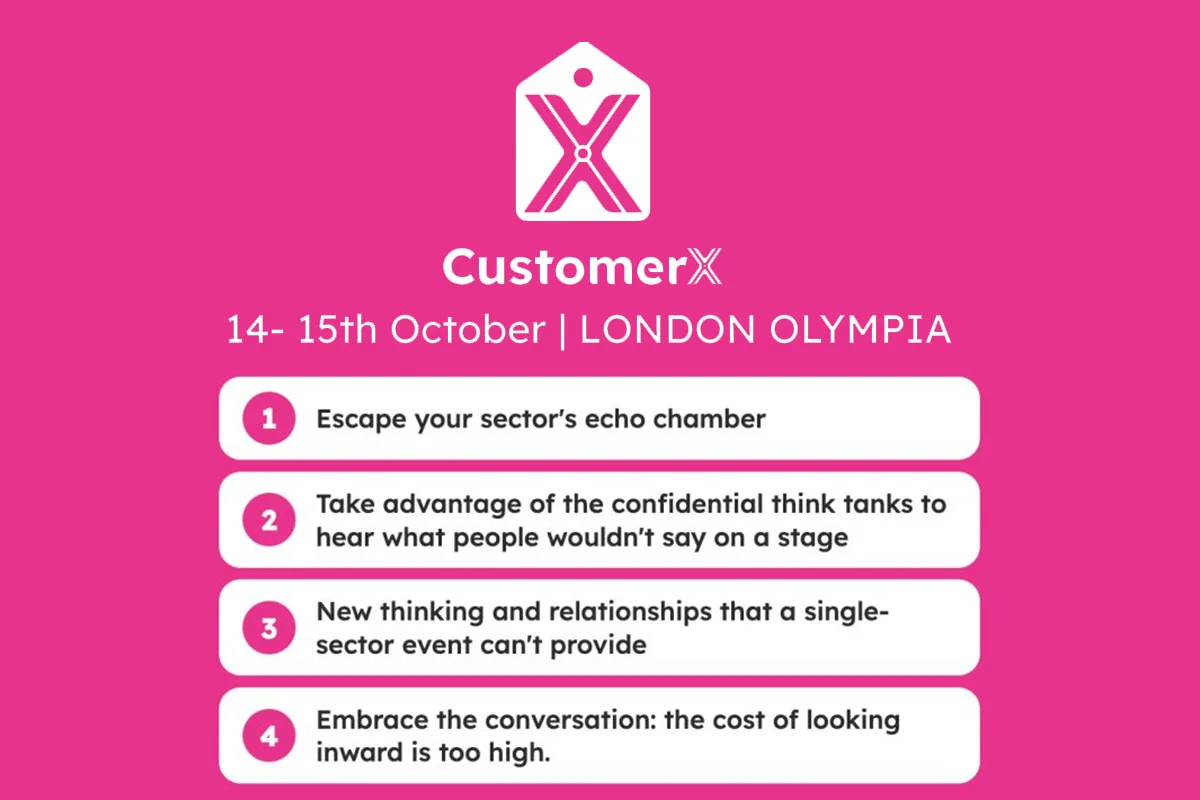
This Wednesday and Thursday, October 14–15, industry titans and disruptive innovators will converge at Olympia London for CustomerX, a landmark event designed to address the definitive challenge of modern business: how to capture a greater share of customer spend in an ecosystem where boundaries are disappearing.
Main Facts: A New Paradigm for Consumer Engagement
CustomerX is not your traditional trade show. It represents a fundamental shift in how business leaders approach growth. The core premise of the event is simple yet profound: consumers do not categorize their spending. They do not think in terms of "retailers" versus "service providers." Instead, they think about outcomes. Whether planning a weekend getaway, preparing for the back-to-school season, or navigating life’s major milestones, the modern consumer seeks a friction-free path to their objective.
Taking place at the iconic Olympia London, the conference brings together senior leaders from across the retail, technology, travel, and hospitality sectors. The event is structured to foster high-level networking, strategic partnerships, and deep-dive problem solving. With the agenda now live and the speaker roster finalized, the venue is set to become the epicenter of commercial strategy for the coming fiscal year.
Chronology: From Concept to Commerce
The lead-up to CustomerX has been characterized by a growing industry realization that traditional growth metrics are becoming obsolete.
- Months Prior: Organizers began identifying the "collision points" where different industries overlap—specifically where a customer’s attention and wallet are simultaneously targeted by multiple sectors.
- Early October: With the agenda finalized, the focus shifted to the "Think Tanks," a series of closed-door, intimate sessions designed to tackle complex industry pain points that standard panel discussions often fail to resolve.
- October 14 (Wednesday): Day one opens with keynote sessions focused on the macro-trends of cross-sector spending. The afternoon shifts to collaborative workshops and structured networking, allowing participants to forge partnerships that cross traditional competitive lines.
- October 15 (Thursday): The second day centers on execution and strategic foresight. Participants will engage in "Think Tanks" to apply these theories to their specific business challenges, ensuring that attendees walk away with actionable intelligence.
Supporting Data: The Shift to Outcome-Based Spending
Market data consistently confirms the premise upon which CustomerX is built. Modern consumer behavior is increasingly defined by "experience-led commerce." Research indicates that over 60% of consumers now expect a frictionless journey that spans multiple touchpoints—often moving from a social media ad for a travel product to a retail purchase for gear, followed by a hospitality booking, all within a single user journey.
The economic implications are clear: businesses that remain insular risk losing market share to "orchestrators"—companies that curate the entire consumer journey. According to recent industry reports, cross-sector collaborations have seen a 25% higher customer retention rate compared to companies operating in silos. CustomerX is designed to provide the roadmap for these collaborations, offering a blueprint for organizations to integrate their services into the broader "outcome" lifecycle of their customers.
Official Perspectives: Redefining the "Customer Journey"
The organizers of CustomerX have been vocal about the necessity of this event. In a statement released ahead of the conference, the planning committee emphasized that the event was born out of necessity. "CustomerX isn’t just another retail or marketing show," the release noted. "It is the first event built for the new challenge in commerce: how to grow your share of the customer’s cross-sector spend."
Industry experts scheduled to speak at the event have underscored that the goal is not merely to compete, but to "co-opt." By finding partners whose services complement their own, businesses can effectively reduce the friction that leads to customer churn. The philosophy is one of "coopetition"—collaborating with partners to enlarge the overall pie of consumer spending rather than fighting for a shrinking slice of a stagnant market.
Implications: The Strategic Next Steps for Attendees
What does this mean for the senior leaders descending on Olympia London this week? The implications are three-fold:
1. The Death of Category-Specific Thinking
Companies that continue to define themselves strictly as "retailers" or "tech firms" are effectively handicapping their growth. The most successful organizations are those that define themselves by the customer problem they solve. A retailer that helps a customer organize their home is also, in effect, a service provider and a logistical partner.
2. The Rise of the "Think Tank" Culture
One of the most anticipated aspects of CustomerX is the Think Tank format. Unlike traditional conferences, which are often passive experiences, these sessions require active participation. Leaders are encouraged to bring their most pressing, unresolved business challenges to the table. By leveraging the collective brainpower of peers from different sectors, attendees gain perspectives they would never encounter within their own internal corporate structures.
3. Future-Proofing Through Partnership
The keynote sessions are specifically designed to highlight what happens when industries collide. By analyzing successful case studies where cross-industry partnerships have flourished, CustomerX provides a "copy what works" playbook. This is not about imitation; it is about recognizing the structural mechanics of success and applying them to one’s own unique business model.
Why This Matters Now
We are witnessing a shift where the "customer experience" is no longer a department within a business—it is the business itself. In an era where a consumer can move from discovery to purchase in seconds, the latency between an intent and a transaction is the new battlefield.
CustomerX serves as the staging ground for this new conflict. By bringing together the brightest minds in retail, hospitality, travel, and technology, the event is doing more than hosting a series of talks; it is building a community of leaders who understand that the future of commerce is collaborative, seamless, and entirely centered on the customer’s ultimate outcome.
Getting Involved
For those who have not yet secured their place, the window is closing, but it remains open. The event organizers have maintained a portal at CustomerX.net for final ticket sales.
Attending this event is an investment in strategic adaptability. Whether you are looking to find your next major partner, refine your competitive strategy, or simply understand the shifting tides of the global marketplace, CustomerX provides the environment to do so. The conversations held at Olympia London this week will likely set the agenda for industry conferences and corporate boardrooms for the next twelve to eighteen months.
As the doors open this Wednesday, the primary question for every attendee should not be "What can I sell to the customer?" but rather "How can I better serve the customer’s outcome?" Those who answer that question correctly will be the ones leading the market in the years to come.
Join the movement, meet those who matter, and build what’s coming next. The future of your share of the customer’s spend is being decided this week at CustomerX. Don’t miss your chance to be in the room.