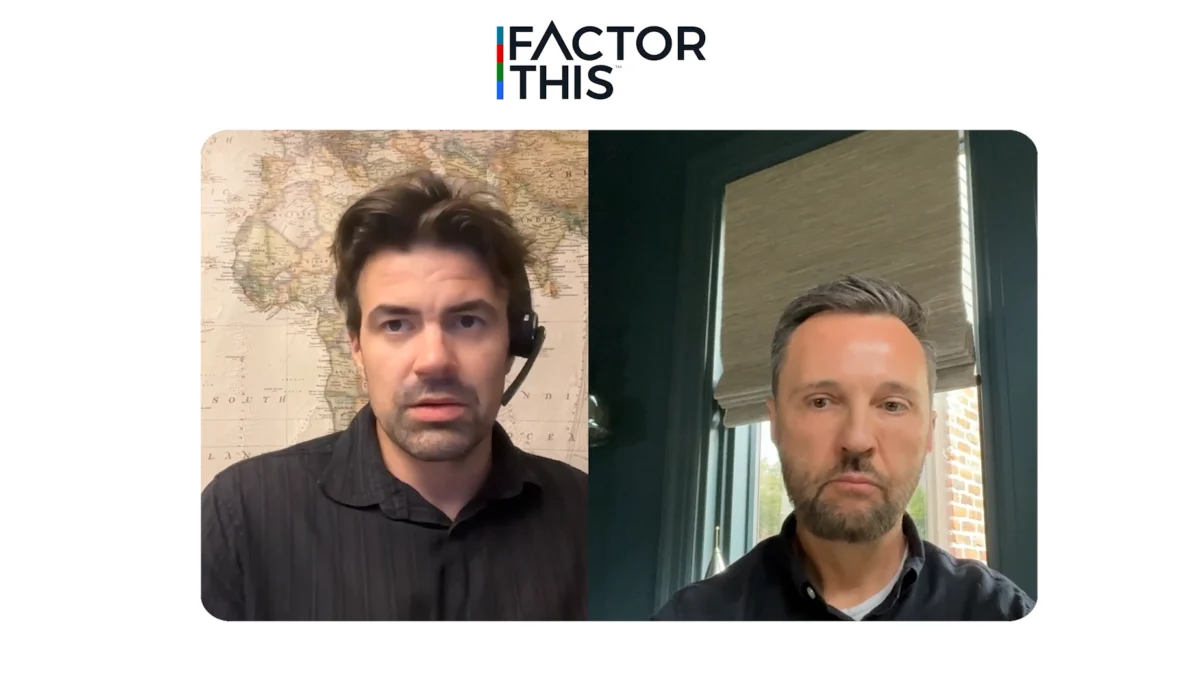
In the contemporary energy landscape, the divide between utility companies and their ratepayers has widened into a chasm of misunderstanding. While utility providers across the globe grapple with the dual pressures of an aging grid and the urgent need for decarbonization, they are simultaneously facing a mounting crisis of affordability. For the average consumer, the complex tapestry of global energy markets, policy mandates, and necessary grid modernization efforts is often invisible—replaced entirely by the bottom line of a monthly invoice.
As energy costs rise, utility providers are finding that operational excellence is no longer enough. To secure the capital and regulatory backing required for a resilient future, the industry must pivot toward a new, non-traditional operational metric: public trust.
The Disconnect: Why Ratepayers Question the Bottom Line
The utility industry is currently caught in a paradox. To meet the surge in electricity demand—driven by everything from the electrification of heating and transportation to the voracious power requirements of new data centers—utilities must undertake massive, long-term capital investments. Yet, these investments inevitably lead to upward pressure on customer bills.
For the ratepayer, this manifests as a simple, often painful, increase in monthly expenses. Without context, the natural inclination is to view these hikes as an expansion of corporate profits rather than a necessary down payment on grid reliability. This disconnect is exacerbated by a general lack of transparency in how utility bills are structured. When customers see a higher number, they do not see the intricate web of supply chain volatility, grid-hardening projects, or mandated green energy transitions. They see a bill from a provider they may already perceive as impersonal or opportunistic.
Greg Cornett and the Rhode Island Energy Strategy
Leading the charge to close this gap is Greg Cornett, President of Rhode Island Energy. Cornett has become a vocal proponent of a radical transparency strategy, positioning public trust not as a "soft" communications goal, but as a hard, foundational operational asset.
Cornett’s approach—which he has championed at industry forums like DTECH Northeast and through various public commentary—is rooted in the belief that utility companies must stop viewing customers as passive bill-payers and start treating them as stakeholders in a shared infrastructure project.
Chronology of the Shift
- The Recognition Phase: Recognizing that affordability was becoming a political and social flashpoint, utility leadership began analyzing the "trust gap" in 2024.
- The Transparency Pilot: Rhode Island Energy introduced a simplified, biannual bill breakdown in 2025, specifically designed to demystify costs.
- The Human-Centric Communication Pivot: By 2026, the company began replacing generic corporate imagery with real-world, employee-led narratives, moving away from polished, AI-generated marketing.
- The Industry Standard: As of late 2026, the concept of "Trust as an Asset" has moved to the center of regional industry discussions, culminating in high-level keynote panels at events like DTECH Northeast.
Breaking Down the Bill: A Lesson in Transparency
One of the most effective tools in Cornett’s arsenal is the deliberate, granular breakdown of the monthly utility bill. By separating the regulated rate of return from the costs of supply and grid infrastructure, Rhode Island Energy has provided its customers with a window into the utility’s business model.
"We decided to break this down in very simple terms for our customers," Cornett explains. "We started including a document that outlines all components of a bill, including what a typical profit is on your piece of the bill. In our case, for a typical residential customer, it’s only about $2.50 a billing period. That helps them understand that yes, we’re a business that has to make money, but that $2.50 is helping ensure a system that’s safe, reliable, and modern."
This move is transformative. By anchoring the "profit" portion of the bill to a specific, modest dollar amount, the utility effectively neutralizes the narrative that the company is "profiteering" off the backs of struggling households. It shifts the conversation from a general sense of grievance to a specific understanding of value: the customer now sees exactly what they are paying for—and what they aren’t.
The Death of the "Corporate Spokesperson"
The modern utility sector is facing a crisis of authenticity. In an era of increasing skepticism toward large corporations and the growing, often jarring presence of AI-generated content, traditional "polished" marketing campaigns are failing to land. Customers are increasingly wary of slick, pre-packaged corporate messaging.
Cornett has countered this by prioritizing the "human element" of the utility. At Rhode Island Energy, the strategy is to put the faces of field personnel and technical experts at the forefront of their communications.
"Every single day we’re using real employees, rather than stock images in our messaging," Cornett notes. "Wherever possible, we use the people who are doing the actual work to talk about those investments. These are folks that live and work and play in the communities we serve, and it comes across a lot more sincere and believable when customers hear it from the men and women in the trenches."
This is not merely a public relations tactic; it is an effort to re-humanize a utility provider. When a line worker or an engineer discusses the necessity of a grid-hardening project to prevent storm outages, the narrative changes from "the company is raising rates" to "the people who keep our lights on are ensuring we don’t lose power."
Implications for the Energy Ecosystem
The push for transparency and trust-building is not just about local customer satisfaction; it is about the long-term viability of the North American energy grid. The next three to five years will see a massive integration of complex technologies, from AI-powered robotics for grid maintenance to sophisticated flexible interconnection protocols for data centers and renewables.
The Financial Imperative
If utilities cannot maintain public support, they will inevitably face intense pushback during regulatory rate cases. Without public buy-in, regulators—who are sensitive to the political climate—may be hesitant to approve the necessary investments for grid modernization. This creates a "trust deficit" that could, in the long run, lead to infrastructure decay, increased outages, and higher costs due to reactive rather than proactive maintenance.
The Regulatory Landscape
Cornett’s upcoming keynote at DTECH Northeast, featuring leaders from Eversource and the Massachusetts Department of Public Utilities, underscores that this is a systemic issue. The regulatory environment is shifting to expect more than just technical compliance; it is beginning to demand that utilities demonstrate a social license to operate.
Conclusion: Trust as the Ultimate Operational Metric
As the industry moves toward 2030, the ability to build and maintain public trust will likely become the single most important predictor of a utility’s success. As Greg Cornett aptly states, "As an industry, I think we have to embrace the reality that public trust is an operating asset, and we have to treat it as such. We’re not going to be successful in making the investments that we need to make if we don’t have some level of public trust. That’s something that can be lost very, very quickly and takes a really long time to earn back."
The path forward requires a fundamental recalibration. Utilities must move away from the assumption that the "work speaks for itself." In a world of increasing complexity and rising costs, the utility of the future must be a communicator, a transparent partner, and a visible member of the community. Only by securing this trust can the sector effectively navigate the massive energy transition, ensuring that the lights stay on, the grid remains resilient, and the cost of doing so is understood and accepted by the very people the utility serves.
For those interested in exploring these strategies further, the "Cultivating Public Trust as an Essential Affordability Strategy" panel at DTECH Northeast offers a critical deep dive into how regulatory, technical, and executive leaders are collaborating to redefine the utility-customer relationship.