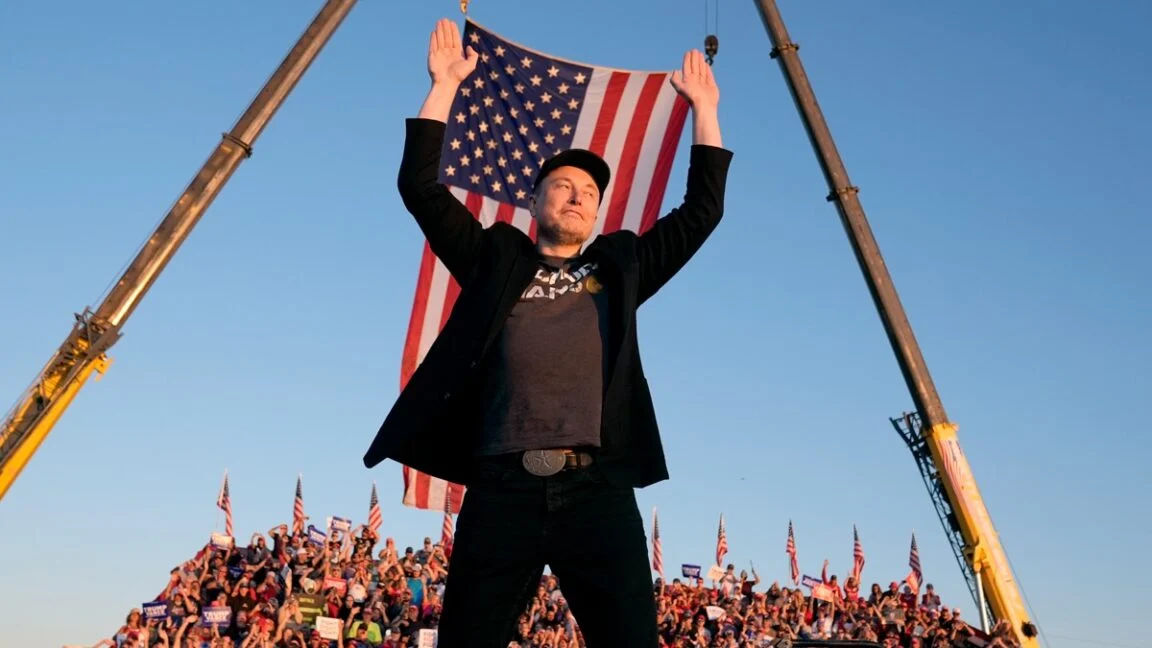
For two decades, Elon Musk has occupied the center of the global stage, operating as a gravitational force that draws in headlines, capital, and controversy with equal velocity. To his acolytes, he is a techno-utopian messiah, the singular mind responsible for accelerating the transition to sustainable energy and securing a multi-planetary future for humanity. To his detractors, he is a reckless provocateur whose erratic stewardship of social media platforms and questionable labor practices represent a corrosive influence on modern democracy.
In his latest biographical documentary, simply titled Musk, Oscar-winning filmmaker Alex Gibney invites audiences to peel back the layers of this meticulously curated mythos. The film does not merely recount the milestones of the SpaceX and Tesla founder; it interrogates the very nature of the “visionary” archetype in an era dominated by algorithmic echo chambers and celebrity-CEO worship.
The Gilded Age Confidence Man: A New Narrative
Gibney, known for his incisive examinations of power, corruption, and systemic failure—ranging from the collapse of Enron to the rise and fall of Lance Armstrong—positions Musk as a modern-day Gilded Age "confidence man." The documentary posits a provocative thesis: Musk is less a contemporary Edison and more a master of the "pump and dump" narrative.
The film meticulously deconstructs the image of the "self-made inventor," suggesting that Musk’s true genius lies not in engineering, but in his ability to manufacture hype. By blending genuine technological advancement with high-stakes financial theater, Musk has mastered the art of selling a utopian vision that keeps investors dazzled and regulators at bay.
This, Gibney suggests, is the defining product of our social-media-saturated era. In a world where attention is the most valuable currency, Musk’s ability to "push the right outrage buttons" ensures he remains the protagonist of every news cycle, regardless of whether the story is one of innovation or scandal.
A Career Defined by Unmasking Power
To understand why Alex Gibney is uniquely qualified to tackle the Musk enigma, one must look at his body of work. Since the 1980s, Gibney has operated as a cinematic investigator, focusing his lens on the machinery of influence. His catalog includes:
- Corporate Malfeasance: Enron: The Smartest Guys in the Room (2005), which earned him his first Oscar nomination.
- Systemic Corruption: Taxi to the Dark Side (2007), for which he won the Academy Award for Best Documentary Feature.
- Cultural Icons and Cults: From the enigma of Jimi Hendrix and Hunter S. Thompson to the disturbing mechanics of Scientology in Going Clear.
- Modern Deceptions: His work on Elizabeth Holmes and the opioid crisis showcases a recurring interest in individuals who operate at the intersection of extreme ambition and ethical gray zones.
Musk represents a natural, if high-stakes, progression for Gibney. It is the culmination of a career spent questioning the legitimacy of those who hold the levers of modern power.
Chronology of Controversy: A Subject Under Fire
The production of Musk was not without its own dramatic arc. Long before the film’s release, it drew the ire of its subject. Reports indicate that Musk, sensitive to his public perception, allegedly threatened a defamation lawsuit against the production team.
Furthermore, the film’s release path was marred by whispers of corporate anxiety. Unfounded rumors circulated that Universal Pictures had experienced "cold feet" regarding a wide theatrical release in international markets, fearing the influence Musk exerts over global commerce and political discourse. These tensions underscore the very point the film makes: that challenging Elon Musk is not merely a journalistic endeavor; it is a confrontation with a figure whose reach extends into the halls of government, the orbit of our planet, and the digital squares where public opinion is formed.
The Anatomy of the Documentary: Key Themes and Evidence
Gibney’s film is expansive, covering the most contentious chapters of Musk’s recent life. The documentary structure relies on a blend of archival footage and high-profile interviews to dissect:
The Technological Paradox
The film scrutinizes the duality of Musk’s engineering record. While highlighting the triumphs of SpaceX and Starlink, Gibney juxtaposes these achievements with the human cost of Tesla’s aggressive rollout of driver-assistance systems. The documentary presents evidence regarding fatalities linked to Autopilot and Full Self-Driving software, questioning whether the drive for market dominance has come at the expense of public safety.
The Pivot to Politics
A significant portion of the documentary tracks Musk’s ideological migration. It documents his shifting stance on artificial intelligence—moving from a vocal alarmist warning of existential risks to a full-throated embrace of the technology via Grok. The film also explores his deep entanglement with Donald Trump and the political landscape of the 2024 election, framing these alliances as strategic maneuvers to consolidate power within the MAGA movement.
Personal Life and Public Persona
The documentary does not shy away from the intimate aspects of Musk’s life, including his 14 children, his alleged drug use, and the creation of the DOGE movement. By weaving these personal elements into the broader narrative, Gibney illustrates how the personal and the political have become inseparable in the Musk enterprise.
Voices from the Inside and Outside
The film features an eclectic group of interviewees who provide critical perspectives on the man:
- The Inner Circle: Ex-wife Justine Musk offers a rare glimpse into the personal cost of life within the Musk orbit.
- The Industry Critics: Figures such as Martin Eberhard (Tesla co-founder) and tech journalist Kara Swisher provide technical and historical context to Musk’s claims.
- The Ideological Observers: Intellectuals like Sam Harris, Cory Doctorow, and Geoffrey Hinton provide philosophical critiques of the trajectory Musk is setting for humanity.
- The Personal Witnesses: The inclusion of Ashley St. Clair, a former MAGA influencer who shares a child with Musk, adds a layer of complexity to the documentary’s examination of Musk’s personal influence.
The film’s soundtrack, featuring an original song by David Byrne titled "Let Me Sell You a Dream," serves as a haunting refrain, with lyrics that incorporate Musk’s own rhetoric to highlight the gap between his promises and the reality he creates.
Implications: The Legacy of the "Visionary"
The ultimate question posed by Musk is not whether the subject is "good" or "bad," but rather what his existence reveals about our current societal values. If a confidence man can build a multi-billion dollar empire by "cosplaying as an inventor," where does that leave the institutions designed to protect the public interest?
Gibney’s documentary suggests that Musk is a symptom of a larger systemic failure—a world where the lines between reality, marketing, and governance have blurred. The implication is that as long as the public and the markets continue to prioritize the performance of innovation over the substance of it, figures like Musk will continue to thrive.
As the credits roll, the audience is left to grapple with a chilling realization: the "dream" Musk is selling is not just for the future of humanity—it is for the consolidation of his own influence. Whether the public chooses to buy into that vision or reject it remains the defining struggle of the decade.
Conclusion
Musk is more than a biography; it is a mirror held up to contemporary society. By documenting the rise of a man who has successfully positioned himself as the avatar of the future, Alex Gibney has crafted a film that is as uncomfortable as it is essential. Whether one views Musk as a hero of progress or a cautionary tale of hubris, the documentary provides the necessary evidence to move the conversation beyond the noise of Twitter threads and stock tickers, forcing a deeper, more necessary interrogation of the individuals who claim to be building our tomorrow.