For the average American consumer, the smartphone market feels expansive. From the polished ecosystem of Apple’s iPhone to the AI-driven photography of Google’s Pixel, there is no shortage of high-quality devices lining the shelves of local carrier stores and big-box retailers. However, beneath the surface of the domestic market lies a vast, untapped landscape of hardware innovation.
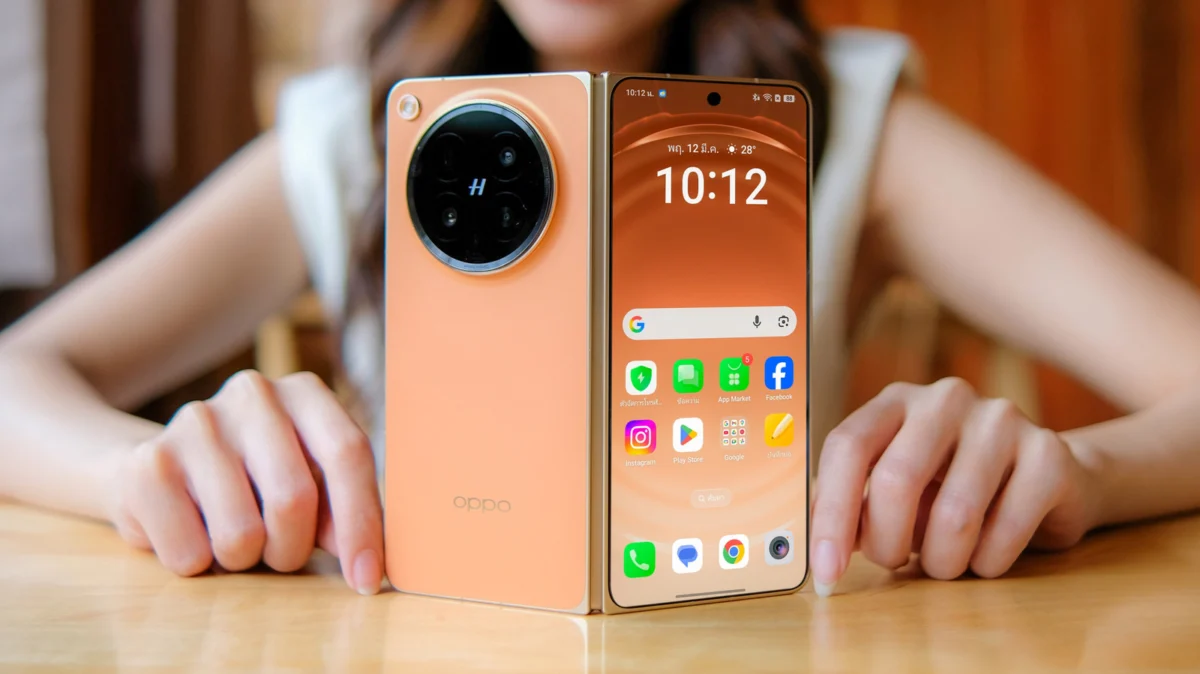
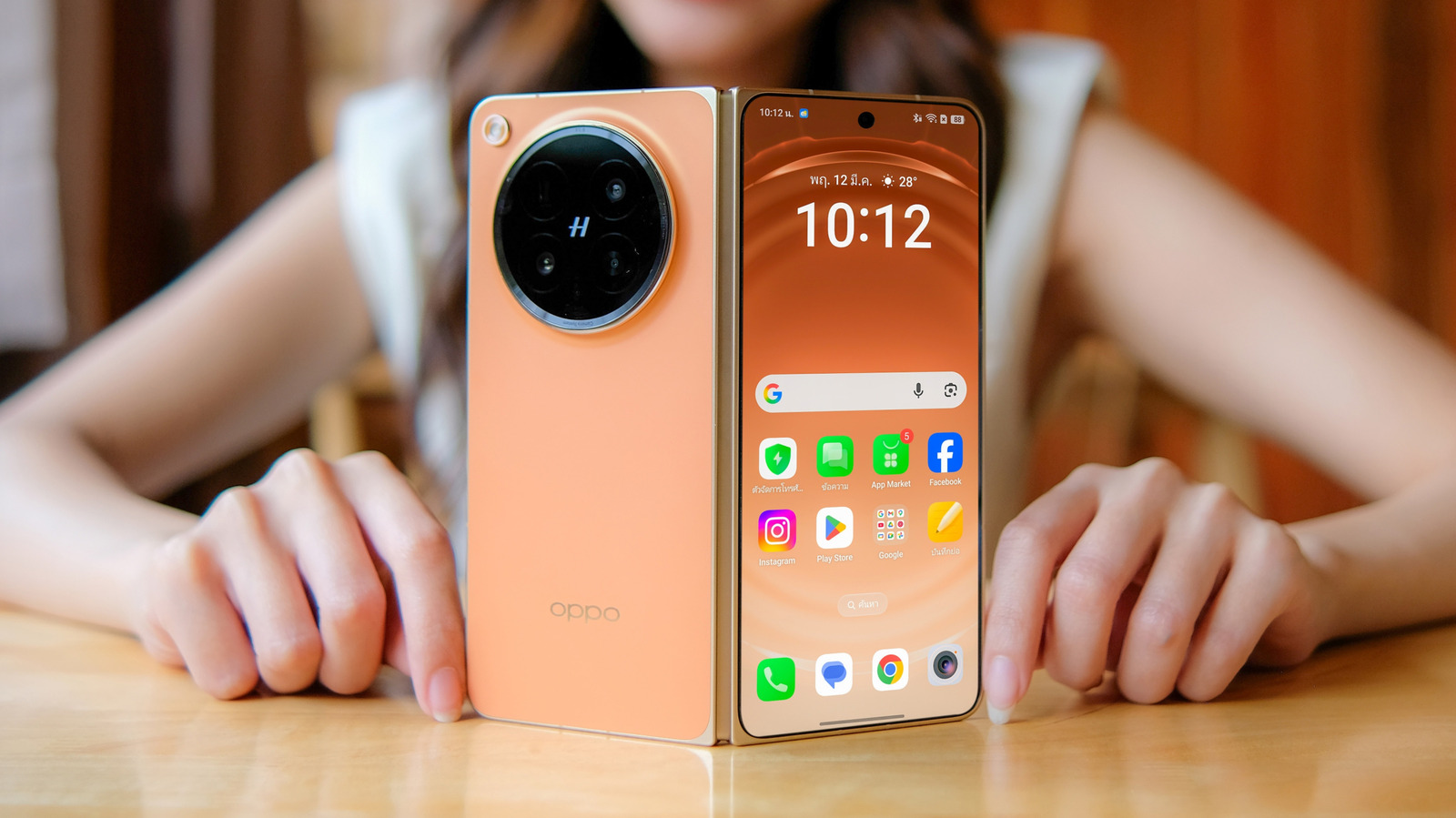
From the experimental tri-fold designs of Huawei’s Mate XT to the specialized, DSLR-rivalling camera arrays found on Xiaomi’s flagship series and the sleek, high-utility foldables from OPPO, the international market is currently outpacing the United States in terms of hardware experimentation. While these devices are technically available to US residents through import channels, the decision to bypass local retail is fraught with technical, legal, and logistical complexities. As global borders in technology blur, consumers are increasingly tempted to source their tech from abroad—but is the cutting-edge hardware worth the headache of a "grey market" device?
The Mechanics of Importing: A Reality Check
The process of importing a phone has moved from the niche hobby of tech enthusiasts to a relatively straightforward online transaction. Platforms like AliExpress, TradingShenzhen, and various eBay resellers have made it possible for an American consumer to order a phone from Shenzhen or Seoul and have it delivered to a front porch in Omaha or Miami in a matter of days.
However, the convenience of the transaction masks the long-term reality of ownership. When you import a device, you are essentially stepping outside the protective bubble of the US telecommunications and consumer protection framework. Before committing to an international purchase, potential buyers must perform a deep dive into three critical areas: cellular band compatibility, software localization, and the "support desert."
Chronology of a Disconnect: Why Global Phones Aren’t Always "Global"
To understand why some phones work perfectly in the US and others fail, one must look at the history of cellular infrastructure. In the early 2000s, the US and Europe used vastly different standards (CDMA vs. GSM). While the advent of 4G LTE and 5G has unified these standards significantly, the specific "frequency bands" assigned to carriers remain highly regional.
The Bandwidth Barrier
Even if a phone is labeled as "unlocked," it may lack the specific frequency bands utilized by T-Mobile, AT&T, or Verizon to achieve optimal coverage. If a phone is missing the right bands, the user might find themselves relegated to sluggish 3G speeds or, worse, no signal at all in rural areas.
The Certification Gap
Beyond raw signal, there is the issue of "carrier-specific features." Modern smartphone functionality—such as VoLTE (Voice over LTE), Wi-Fi calling, and visual voicemail—is not universal. These features require specific software "handshakes" between the phone and the carrier’s tower. Because international models are not certified for US networks, these features are frequently disabled by default. A user might successfully connect to a 5G network but find themselves unable to make a clear voice call or use Wi-Fi calling in a basement where signal is poor.
Supporting Data: The Hidden Costs of Grey Market Tech
When weighing the pros and cons, the financial picture often becomes murky. While an imported Xiaomi or Honor device might appear cheaper on paper, the lack of a domestic warranty introduces a "hidden tax" on ownership.
- Repair Logistics: If a screen cracks or a battery degrades, there is no Apple Store or Best Buy Geek Squad to turn to. Third-party repair shops often lack the proprietary parts for niche international models, meaning you are often forced to source parts from overseas yourself or rely on uncertified technicians.
- Software Lifecycle: Software updates for international devices are often geo-locked. A phone intended for the Chinese market may prioritize localized apps and services that are redundant or unusable in the US. Furthermore, users often report that critical security patches arrive months later—or not at all—for imported models compared to their US-market counterparts.
- The "Google" Factor: A significant hurdle for many Chinese-market handsets is the absence of Google Play Services. While most manufacturers now offer "Global ROMs" that include the Play Store, the process of flashing firmware can be daunting for the average user and can sometimes break banking apps or security-sensitive software due to "SafetyNet" and "Play Integrity" API restrictions.
Official Industry Stances and Implications
Major carriers in the United States, including Verizon and AT&T, have historically maintained a cautious, if not discouraging, stance toward imported hardware. Their primary argument centers on network integrity. An uncertified device on a 5G network can, in theory, behave unpredictably, potentially causing interference or failing to prioritize emergency E911 services correctly.
From the perspective of manufacturers like OPPO or Vivo, the lack of an official US presence is often a strategic decision based on the high cost of entering the American market. Establishing a supply chain, navigating the legal minefield of patent litigation (which is notoriously aggressive in the US tech sector), and building a customer support infrastructure requires billions in investment. For these companies, the US is a market where the "cost of entry" currently outweighs the potential "return on investment."
The Allure of the Forbidden Fruit: Why We Still Import
Despite the litany of risks, the allure of the imported phone remains strong. For tech enthusiasts, the "forbidden fruit" factor is undeniable.
Take, for instance, the recent surge in interest surrounding tri-fold smartphones. While Western manufacturers have focused on the traditional book-style foldable, Asian markets have pushed into dual-hinge, three-screen devices that offer a tablet-like experience in a pocketable form factor. These devices represent a level of engineering ambition that is simply missing from the current US lineup.

Furthermore, there is the issue of physical utility. Many international models have retained the dual-physical-SIM tray, a feature that has been systematically purged from US-market iPhones and many high-end Android devices in favor of eSIM technology. For international travelers or those who prefer the tactile control of a physical SIM card, importing a device is often the only way to maintain that workflow.
Strategic Advice: If You Must Import
If, after considering the risks, you still intend to import a device, consider the following checklist to mitigate the inevitable friction:
- Band Checking: Use tools like Kimovil or FrequencyCheck to compare the specific model number of the international phone against the bands used by your US carrier. Do not rely on generic claims of "5G support."
- Check the ROM: Ensure the device is a "Global" version rather than a "China" version. A Global ROM is far more likely to support Google services out of the box and include the necessary language packs.
- Consult the Community: Before clicking "buy," visit subreddits like r/Android or specialized forums like XDA Developers. Search for your specific model to see if other US users have successfully bypassed carrier restrictions.
- Insurance: Consider third-party device insurance that covers international products, as your credit card’s standard purchase protection likely will not cover a device that was never officially sold in your country.
Conclusion: A Bifurcated Future
The trend of importing phones highlights a growing disconnect between global innovation and local regulation. As the smartphone market matures, we are seeing a shift toward a bifurcated world: one where "official" devices provide a safe, supported, but perhaps less experimental experience, and a "grey" world where innovation lives on the edge, at the cost of stability and support.
For the average user, the advice remains clear: stick to officially supported hardware. The convenience of a warranty, the assurance of full network compatibility, and the peace of mind that comes with a device designed for your specific region are worth more than any extra hinge or fancy camera sensor. However, for those willing to act as their own IT department, the world of imported smartphones offers a glimpse into a future of hardware that the US market simply isn’t ready for—yet.