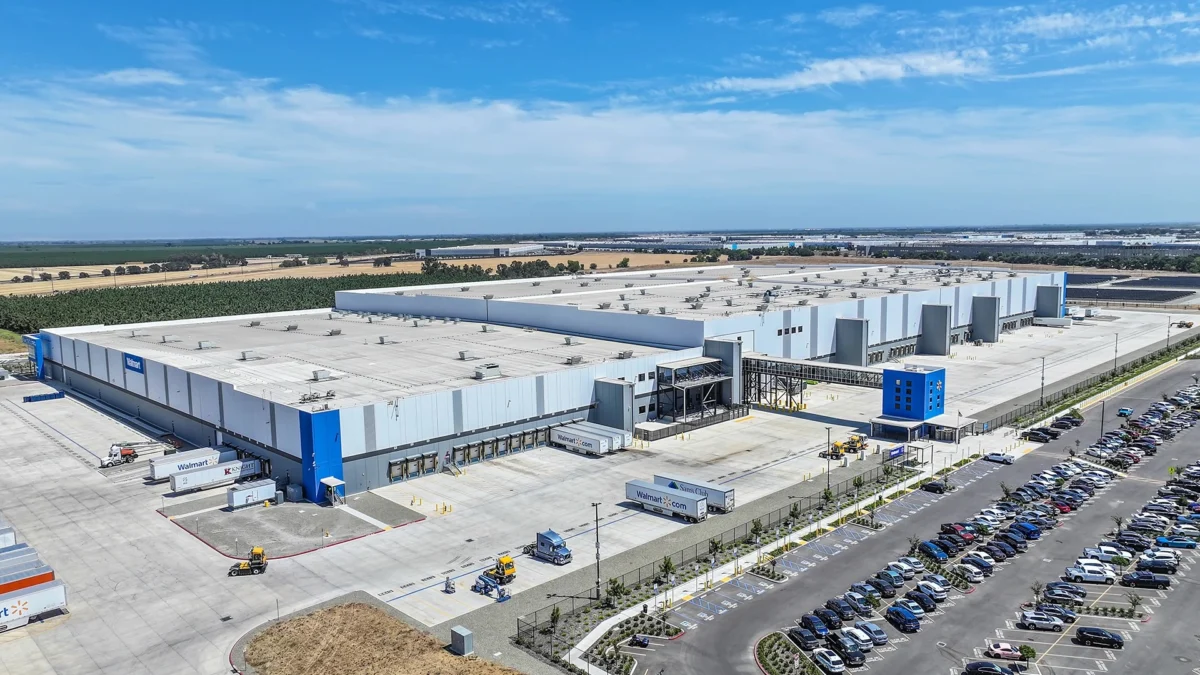
In an aggressive push to solidify its dominance in the e-commerce landscape, Walmart has officially inaugurated its fifth next-generation fulfillment center in Stockton, California. This massive 900,000-square-foot facility represents the latest milestone in the retail giant’s multi-billion-dollar strategy to modernize its supply chain. By integrating sophisticated automation, artificial intelligence, and high-density storage systems, Walmart is not merely expanding its physical footprint; it is fundamentally altering the velocity at which goods move from digital storefronts to customers’ doorsteps.
The Stockton facility is more than just a warehouse; it is a technological nerve center designed to solve one of retail’s most persistent challenges: the "last mile" efficiency gap. As Walmart (NYSE: WMT) competes head-to-head with Amazon and Target, the ability to offer faster, more reliable shipping has become a primary driver of customer loyalty and sales growth.
The Technological Engine: Redefining Fulfillment
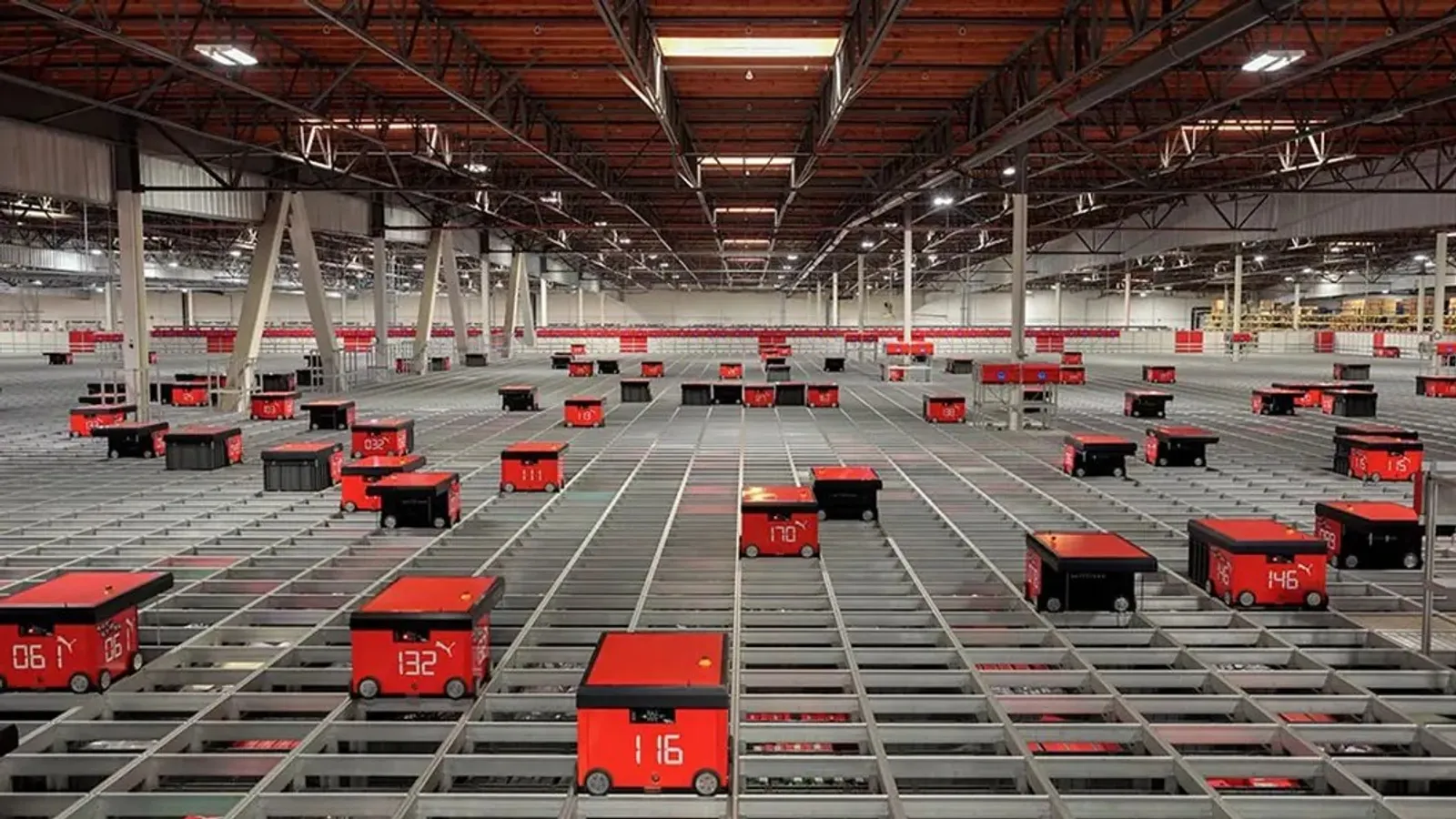
The cornerstone of the Stockton facility is its advanced automation suite. In a traditional warehouse environment, the fulfillment process—from receiving an order to preparing it for shipment—is often a manual, labor-intensive 12-step operation. Walmart’s new high-tech model slashes this to a streamlined five-step process.
Central to this transformation is a proprietary high-density storage and retrieval system. Utilizing AI-powered software, the system orchestrates the movement of products with surgical precision, reducing the need for employees to traverse vast aisles to locate items. Instead, the inventory is brought to the workers, significantly mitigating repetitive strain and manual error. This efficiency not only increases the throughput of the building but also expands its storage capacity, allowing the retailer to hold a broader assortment of goods closer to the end consumer.
Beyond internal inventory management, the facility serves as a vital anchor for Walmart Fulfillment Services (WFS). By allowing third-party merchants on the Walmart Marketplace to utilize this high-tech infrastructure, the retailer is creating a "fulfillment-as-a-service" ecosystem that empowers smaller sellers to compete with the shipping speeds of industry titans.
A Strategic Chronology of Expansion
The opening in Stockton is the latest chapter in a broader, multi-year infrastructure strategy. Walmart’s shift toward ultra-modern logistics began in earnest as e-commerce became a core pillar of the company’s revenue stream rather than a secondary channel.
The Evolution of the Network
- The Blueprint Phase: Walmart identified a need for strategically placed, high-tech hubs that could act as regional anchors.
- The First Wave: The company successfully launched its first four next-gen centers in Joliet, Illinois; McCordsville, Indiana; Greencastle, Pennsylvania; and Lancaster, Texas. These locations were chosen to create a grid that enables next-day or two-day shipping to roughly 95% of the United States population.
- The Stockton Milestone: With the addition of the California facility, Walmart has effectively fortified its West Coast presence, alleviating the logistical strain on its other regional centers and ensuring that California’s dense population centers receive faster turnaround times.
- The Future Horizon: The momentum shows no sign of slowing. In August, Walmart announced plans for a sixth facility in Carnesville, Georgia. This 1.5-million-square-foot behemoth is part of a massive $1.3 billion investment package. Construction is slated to begin by the end of the year, signaling that the company views massive, high-tech distribution as the standard for its future operations.
Supporting Data: The E-commerce Mandate
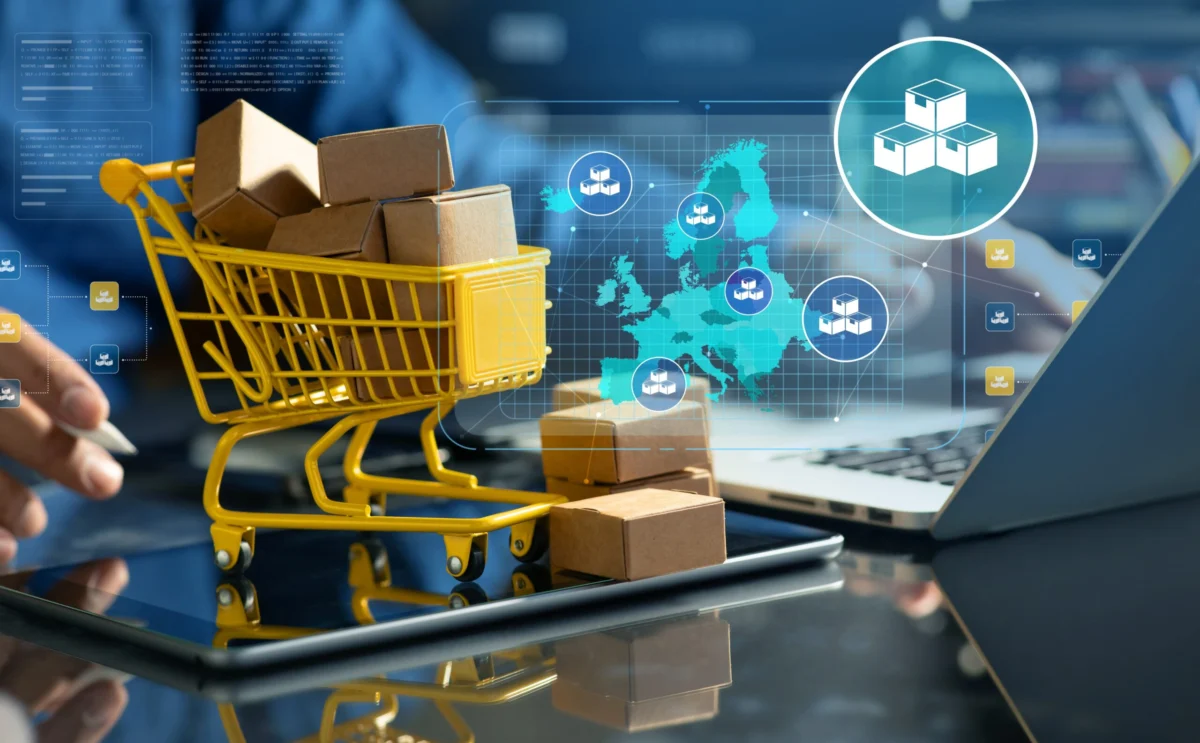
The numbers behind this massive capital expenditure are compelling. E-commerce currently accounts for 23% of Walmart’s total sales, a figure that continues to climb as the company invests in logistics.
The relationship between logistics efficiency and sales is direct. Data indicates that when customers are offered faster shipping options—particularly next-day delivery—their propensity to place orders increases significantly. By positioning products closer to the customer in places like Stockton and the upcoming Carnesville site, Walmart is actively reducing the "friction" of digital shopping.
The sheer scale of these operations is also a boon for local economies. Once fully operational, both the Stockton and Carnesville centers are expected to employ more than 1,000 workers each. These are not traditional warehouse roles; they are high-tech, tech-enabled positions that require a different set of skills than legacy distribution jobs, contributing to a modern, digitally-literate workforce.
Official Perspectives and Operational Philosophy
Walmart leadership has consistently maintained that the future of retail is a hybrid model. The company does not view physical stores and online commerce as separate entities, but rather as two sides of a single, unified supply chain.
"The location in California’s Central Valley is a strategic choice," a company spokesperson noted. "By adding this capacity, we are not just moving items faster; we are creating a more resilient network that can withstand the ebbs and flows of consumer demand, ensuring that our customers get what they need, when they need it."
This philosophy extends to the company’s relationship with its suppliers. Through programs like the LTL (Less-Than-Truckload) truck consolidation initiative, Walmart is working to harmonize its inbound supply chain as much as its outbound distribution. By optimizing the way goods arrive at its fulfillment centers, the company is reducing costs and carbon footprints simultaneously, positioning itself as a leader in sustainable logistics.
Competitive Implications: The Retail Arms Race
The retail industry is currently locked in an intense battle for the digital checkout. As Amazon continues to refine its own massive fulfillment network, and Target doubles down on inventory reliability through localized distribution, Walmart’s move into high-tech hubs is a necessary defensive and offensive maneuver.
Why This Matters for the Market
- Customer Retention: In the age of "instant gratification," delivery speed is a core product feature. A retailer that can deliver in 24 hours will consistently win over a retailer that takes 72.
- Marketplace Growth: By opening its high-tech infrastructure to third-party Marketplace sellers, Walmart is effectively turning its logistics network into a competitive advantage for its partners. This attracts more merchants, which in turn grows the inventory available to consumers, creating a positive feedback loop.
- Operational Resilience: The traditional fulfillment model is vulnerable to labor shortages and transportation bottlenecks. By automating the most repetitive aspects of the job, Walmart is insulating itself against the volatility of the labor market.
- Scaling Capability: The modular nature of these high-tech centers allows Walmart to scale its capacity up or down based on seasonal demand, such as the peak holiday shopping season, with far more agility than a traditional warehouse could manage.
Looking Ahead: The Road to 2026 and Beyond
As Walmart continues to invest billions into its logistics infrastructure, the retail landscape will likely see a widening gap between companies that have mastered the "high-tech fulfillment" model and those that are still relying on legacy systems.
The industry is watching closely. With events like the upcoming F3: Future of Freight Festival approaching, the discussions among industry leaders, logistics operators, and retail strategists will undoubtedly focus on the lessons learned from these high-tech hubs. The Stockton facility is not just a building; it is a manifestation of where retail is headed—a place where software, robotics, and human labor converge to make the promise of "fast delivery" a sustainable reality for millions of households.
For the consumer, the impact is invisible but profound: a wider array of products, lower shipping costs, and a near-guarantee of timely delivery. For Walmart, it is the bedrock of a future where they remain the undisputed leader in global retail.