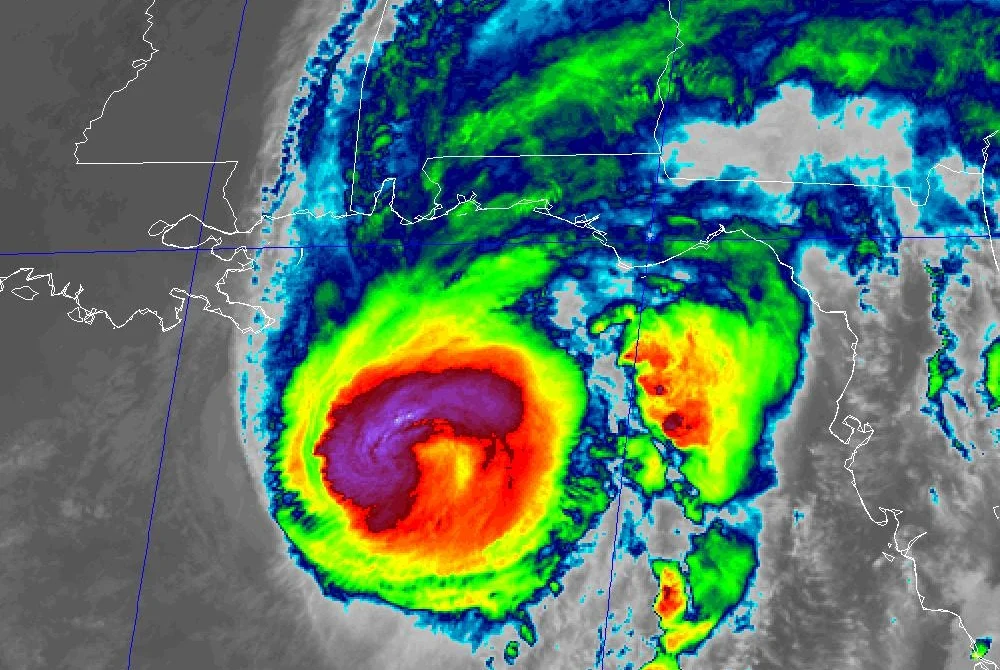
In the wake of Hurricane Isaias, which barreled through Florida and left a trail of flooding and structural devastation across multiple states, the American Institute of CPAs (AICPA) has launched a coordinated effort to secure federal tax relief for affected citizens. With the October 15 filing deadline looming, the accounting profession’s primary advocate is urging state governors to take immediate, formal action to trigger federal tax postponement provisions.
Despite the enactment of landmark disaster relief legislation in the summer of 2025—which was widely celebrated as a victory for taxpayers and tax professionals—a persistent disconnect remains. While the law is designed to provide a safety net, the process is not automatic. The AICPA warns that confusion surrounding the bureaucratic requirements of the Filing Relief for Natural Disasters Act (P.L. 119-29) could leave thousands of taxpayers without the breathing room they desperately need to recover from the storm.
The Core Challenge: Navigating the Legislative Maze
The Filing Relief for Natural Disasters Act was designed to streamline the way the IRS handles tax deadlines during catastrophes. Under this statute, the IRS is authorized to postpone federal tax obligations for those affected by a "qualified state-declared disaster." However, the legal mechanism is precise: a gubernatorial disaster declaration is, by itself, insufficient to trigger federal tax relief.
Under the current legal framework, the governor of an affected state must submit a formal, written request to the U.S. Department of the Treasury. This specific procedural hurdle has become a point of frustration for advocates. Because the law is relatively new, many state administrations are unfamiliar with the precise administrative steps required to activate the relief, leading to a patchwork response that leaves taxpayers in a state of uncertainty.
Defining a "Qualified State-Declared Disaster"
To trigger the relief, the disaster must meet specific criteria. A "qualified state-declared disaster" is defined as any natural catastrophe, fire, flood, or explosion that reaches a magnitude and severity sufficient to warrant the postponement of federal tax obligations. Hurricane Isaias, with its widespread damage, clearly falls within this threshold, yet the clock is ticking. With the federal filing deadline only days away, the failure of a governor to submit the necessary paperwork could result in millions of dollars in unnecessary late-filing penalties for those already dealing with the loss of homes and businesses.
Chronology of the Crisis and Response
The arrival of Hurricane Isaias in Florida on Friday set off a rapid sequence of events that has put the accounting industry on high alert.
- Friday, Early Morning: Hurricane Isaias makes landfall in Florida, causing immediate, widespread flooding and wind damage.
- Saturday: As the storm moves inland, impacting neighboring states, the AICPA monitors reports of damage and the potential impact on tax practitioners’ ability to access records and file returns.
- Sunday: Recognizing the impending October 15 deadline, the AICPA issues a formal statement via Melanie Lauridsen, vice president of Tax Policy & Advocacy. The statement serves as a clarion call for governors to initiate the Treasury request process.
- Monday: Due to a federal holiday, the IRS and the Federal Emergency Management Agency (FEMA) remain largely in a holding pattern. Industry observers are concerned that this delay will further compress the time available to process relief requests before the filing deadline.
Official Responses and Strategic Advocacy
The AICPA has been at the forefront of this issue, viewing the 2025 legislation as a foundation rather than a final destination. In her statement on Sunday, Melanie Lauridsen emphasized that the current situation highlights the ongoing need for systemic reform.
"Over the last five years, the AICPA has made significant strides in disaster relief legislation and regulations; however, we do not consider our work in this area to be done," Lauridsen stated. "As the AICPA continues to advocate for a more seamless process for disaster tax relief, we remain committed to working with policymakers, federal agencies, state leaders, and other stakeholders to ensure taxpayers and practitioners are provided timely relief during a disaster."
The organization is not merely offering advice; it is providing the infrastructure for state leaders to act. The AICPA has published a comprehensive disaster relief resource page, which includes a standardized template for governors to use when drafting their request letters to the Treasury.
The Technical Nuance: Section 7508A(c) vs. 7508A(e)
A critical element of the AICPA’s guidance involves the specific legal citations required in the request letter. The template provided by the AICPA specifically cites Internal Revenue Code (IRC) section 7508A(c).
This is a vital distinction. Many state officials are accustomed to requesting individual assistance under section 7508A(e), which typically triggers a mandatory 120-day relief period. However, the Filing Relief for Natural Disasters Act operates under a different statutory authority. Failure to cite the correct IRC section can lead to administrative rejections or delays, which would be disastrous for taxpayers attempting to file their returns before the October 15 deadline.
The Human Element: Supporting the Profession
Beyond the policy advocacy, the AICPA is actively supporting its members who have been personally impacted by the storm. Through the AICPA Benevolent Fund, the organization provides direct assistance to CPAs and their families who have suffered property damage, loss of household items, or temporary displacement. This fund covers essential needs such as deductibles, furniture replacement, and temporary living expenses, ensuring that those who spend their lives helping others manage their finances are not left to face disaster alone.
Implications: The Rising Threat of Disaster Fraud
The chaos following a natural disaster provides a fertile ground for bad actors, and the rise of Artificial Intelligence (AI) has significantly increased the sophistication of these scams. As donors and storm victims look for ways to manage their resources, the threat of cyber-fraud and identity theft becomes acute.
The Journal of Accountancy recently published a "CPA playbook to help prevent disaster fraud," providing a roadmap for practitioners to guide their clients through these turbulent times. The article outlines how CPAs can:
- Verify Charitable Organizations: Ensure that relief funds are going to legitimate, tax-exempt entities rather than AI-generated fraudulent websites.
- Protect Financial Data: Advise clients on securing sensitive documents that are often lost or left vulnerable during evacuation or property damage.
- Spot AI-Driven Phishing: Recognize the signs of automated, highly personalized scams that leverage public information about disaster victims to extract money or sensitive information.
As the industry grapples with the aftermath of Hurricane Isaias, the role of the CPA has shifted from traditional tax preparer to a vital lifeline of stability and security.
Looking Forward: A Call for Administrative Efficiency
The current predicament surrounding Hurricane Isaias is a stark reminder that even well-intentioned legislation can be stifled by administrative friction. The requirement for a "written request" to the Treasury, while intended to ensure oversight, acts as a bottleneck when minutes matter.
As the AICPA continues its dialogue with federal agencies, the focus will likely shift toward advocating for a more "automatic" trigger for disaster relief. The goal is to move toward a system where, once a federal disaster declaration is issued, the tax relief process begins immediately without requiring a secondary, redundant letter from the state executive office.
For now, the responsibility remains with the governors of the affected states. The AICPA’s message to those leaders is clear: the paperwork is ready, the legal framework is in place, and the taxpayers are waiting. The success of the 2025 Filing Relief for Natural Disasters Act now depends entirely on the speed and precision with which state leaders utilize the tools provided to them.
As the federal holiday concludes and offices reopen, the AICPA remains in constant communication with stakeholders. Taxpayers affected by Hurricane Isaias are encouraged to keep close watch on the AICPA’s disaster relief resource center for updates on which states have successfully triggered the relief and what that means for their individual filing obligations.
To comment on this article or to suggest an idea for future coverage, contact Neil Amato at [email protected].