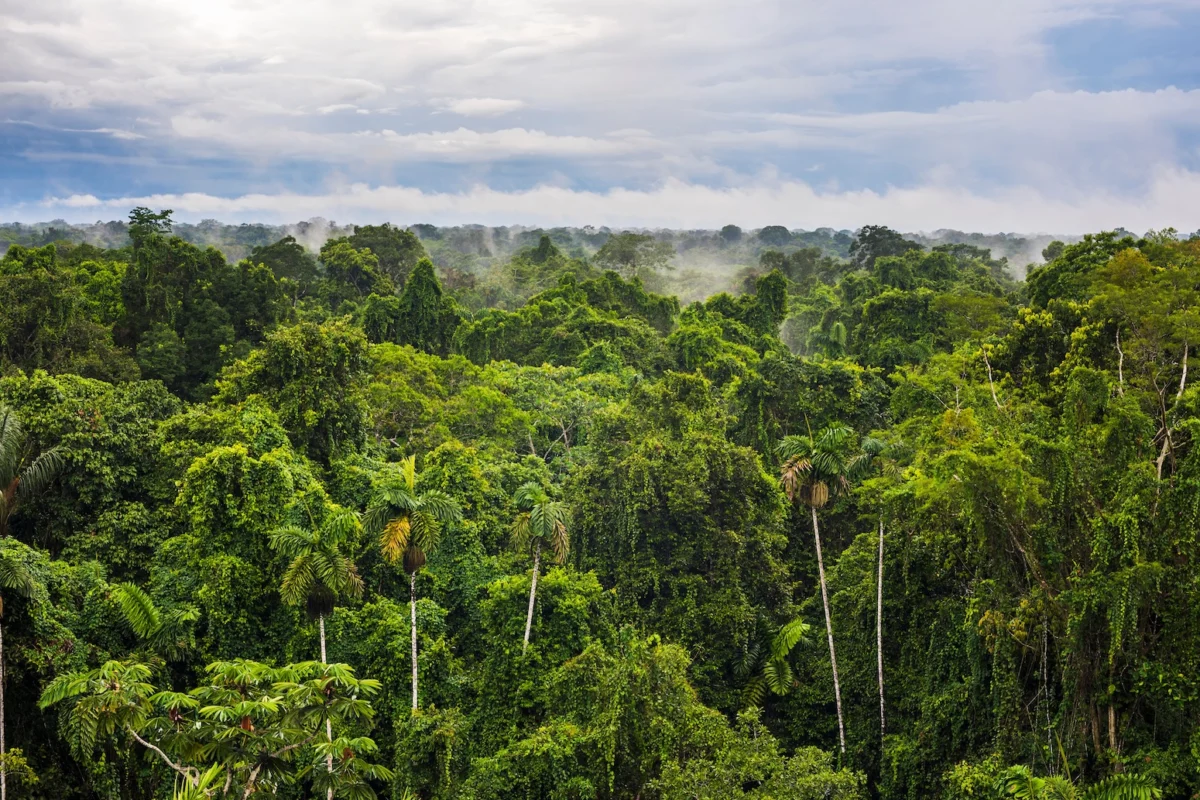
As Brazil approaches a pivotal presidential election, the fate of the Amazon—the world’s most critical carbon sink—hangs in the balance. New analysis from Carbon Brief reveals that the leadership of President Luiz Inácio Lula da Silva has been instrumental in keeping an area of forest roughly the size of the U.S. state of New Jersey standing, preventing a catastrophic surge in deforestation that characterized the preceding administration.
With the nation currently deadlocked in the polls between the incumbent Lula and Flávio Bolsonaro, son of the imprisoned former president, the October 2026 election represents a binary choice for the environment. On one side stands a commitment to "zero deforestation" by 2030; on the other, a platform echoing the deregulation and pro-agribusiness agenda of the 2019–2022 era.
The Cost of Governance: A Tale of Two Presidencies
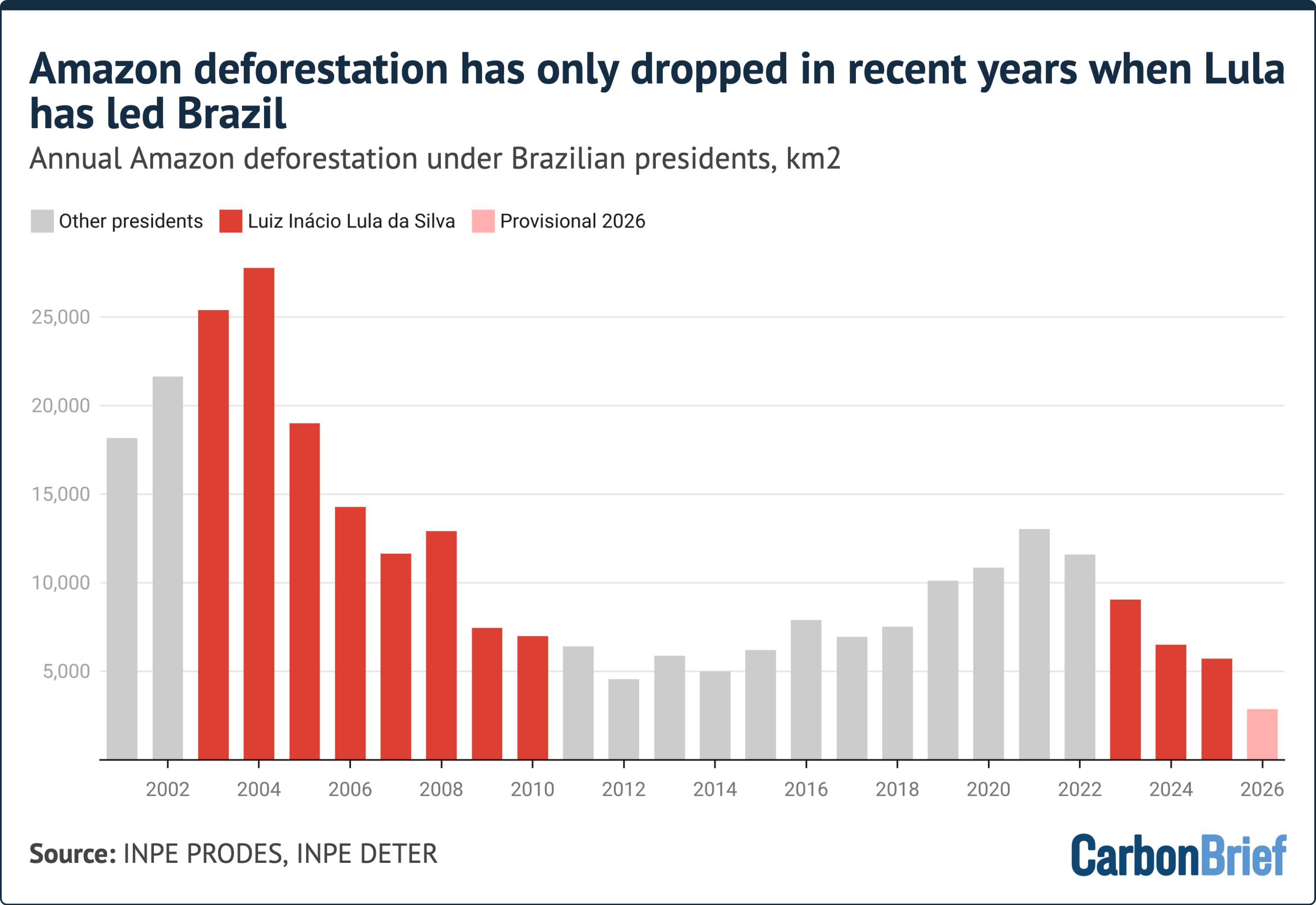
The Amazon, home to nearly 60% of the world’s largest rainforest, has become the primary battleground for Brazilian politics. Under Jair Bolsonaro, environmental protections were systematically dismantled. His administration slashed budgets for federal enforcement agencies like IBAMA, weakened regulatory oversight, and empowered illegal land-grabbing, mining, and logging operations. The results were immediate and devastating: deforestation rates soared to record highs.

In stark contrast, Lula’s return to power in 2022 signaled a dramatic reversal. Championing the mantra "Brazil is back," his administration reinstated the Action Plan for the Prevention and Control of Deforestation in the Legal Amazon (PPCDAM). Led by veteran environmentalist Marina Silva, the ministry ramped up policing and law enforcement, effectively slashing annual deforestation rates from 11,594 square kilometers in 2022 to just 5,731 square kilometers by 2025.
Preliminary satellite data from 2026 suggests the trend is continuing downward, with experts predicting that deforestation could hit its lowest level since consistent records began in 1988.
Chronology of Deforestation and Recovery
The trajectory of the Amazon is inextricably linked to the political climate in Brasília. The following timeline outlines the stark contrast between these two eras of leadership:
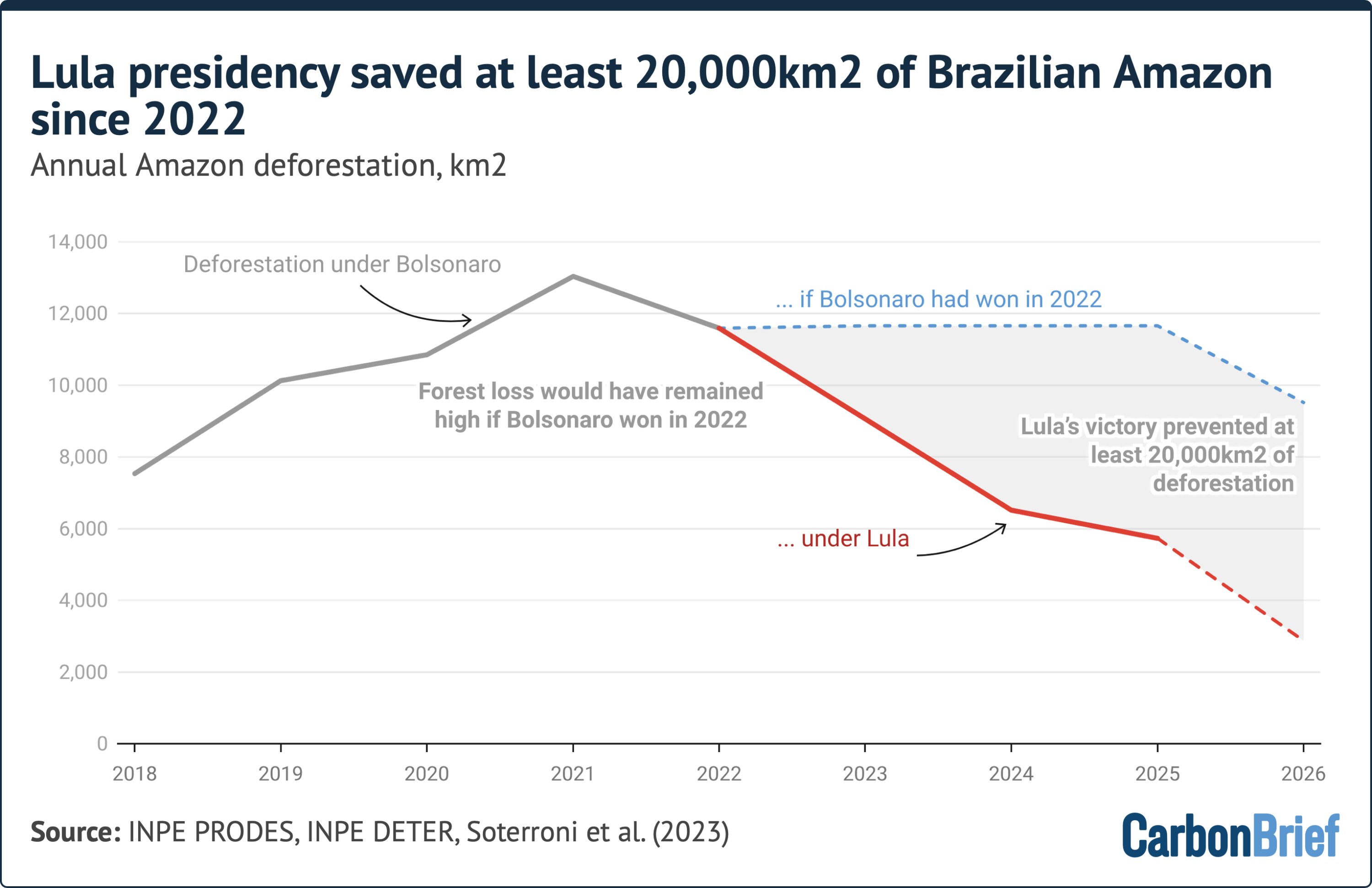
- 2019–2022 (The Bolsonaro Era): A period of unprecedented deregulation. Federal environmental agencies were gutted, and the "forest code"—legislation requiring landowners to preserve native vegetation—was largely ignored. Deforestation peaked at over 13,000 square kilometers in 2021.
- January 2023: President Lula is inaugurated, pledging to reach "zero deforestation" by 2030. His administration immediately begins rolling back Bolsonaro’s executive orders.
- 2023–2025: A gradual but consistent decline in forest loss is observed as law enforcement and intelligence-led operations target illegal clearing.
- August 2025–July 2026: While final figures are pending, real-time satellite alerts from the National Institute for Space Research (INPE) indicate a continued, sharp decline in clearing, even as political tension mounts ahead of the general election.
Data-Driven Impact: Measuring the "Saved" Forest
The Carbon Brief analysis is based on robust modeling from an international research team, including experts from the University of Oxford, the International Institute for Applied Systems Analysis (IIASA), and Brazil’s own INPE.
By utilizing the GLOBIOM-Brazil model—a sophisticated tool that simulates land-use changes—researchers compared the reality of the last four years against an "alternative scenario" where the forest code remained unenforced, mimicking the governance style of the previous administration.
The findings are striking: at least 20,000 square kilometers of primary rainforest have been preserved solely because of the restoration of environmental law enforcement. To put this into perspective, this area is equivalent to the size of Wales, Belize, or the state of New Jersey.
Dr. Aline Soterroni, who led the 2023 study, notes that while the model is "relatively conservative," it serves as a powerful testament to the impact of political will. "The reversal seen under Lula shows how quickly deforestation can respond to governance," she explains. She cautions, however, that the process of recovery is "gradual and imperfect," as rebuilding institutional capacity is far harder than tearing it down.
The Impending Election: A High-Stakes Contest
The October 2026 election is not merely a contest of personalities; it is a referendum on the environmental trajectory of the world’s fourth-largest greenhouse gas emitter.
Flávio Bolsonaro, the leading opposition candidate, has run on a platform that mirrors his father’s rhetoric. Despite his father being imprisoned for plotting a coup, the younger Bolsonaro maintains a significant base of support among the agribusiness lobby. His proposals include a shift toward "zero illegal deforestation" by 2029—a target critics dismiss as a semantic trick intended to legalize current deforestation or facilitate the dismantling of the forest code entirely.

Claudio Angelo of the Climate Observatory offers a stark warning: "At the risk of sounding alarmist, I have been saying that Lula’s re-election is the only thing standing between us and a wide-scale destruction of the Amazon."
Supporting Factors: The Soy Moratorium and Congressional Gridlock
While the presidency is the primary driver of environmental policy, it does not act in a vacuum. Two major developments outside of the executive branch threaten to undermine recent progress:
The End of the Soy Moratorium
The Amazon Soy Moratorium, a voluntary agreement where companies committed not to purchase soy grown on land deforested after 2008, was once considered the "gold standard" of supply chain protection. Earlier this year, however, major grain traders withdrew from the pact. Research suggests this move alone could trigger 14,000 square kilometers of additional deforestation by 2036.
Legislative Hurdles
The Brazilian Congress has become a significant obstacle to conservation. Currently, right-wing parties hold nearly half the seats in both chambers. In 2025, legislators successfully bypassed presidential vetoes to pass the so-called "devastation bill," which significantly weakened environmental licensing requirements. Even with a pro-environment president, the legislative branch remains a site of intense friction, often prioritizing short-term economic gains from mining and ranching over long-term ecological stability.
Expert Perspectives: Can Brazil Afford a Reversal?
The consensus among the scientific community is that the progress of the last four years is fragile. Dr. Patricia Pinho of the Amazon Environmental Research Institute (IPAM) argues that the country cannot withstand another period of institutional neglect.
"I don’t think we can afford four years of increasing deforestation and violence against Indigenous peoples," Pinho stated. She notes that the environmental agenda has, unfortunately, been sidelined in the current election cycle, overshadowed by debates over the economy and public security—a shift from the 2022 election where the Amazon was a central theme.

Dr. David Lapola, an ecologist at the University of Campinas, emphasizes the speed at which policy deconstruction occurs. "In a matter of a few months, they can destroy what has been constructed over decades of environmental policy," he warns. He expresses concern that a victory for the opposition would normalize the view that environmental protection is merely a "political preference" rather than a fundamental necessity for human survival.
Broader Implications for Latin America
The stakes extend beyond Brazil’s borders. With right-wing governments now holding power in neighboring nations like Bolivia, Colombia, Ecuador, and Peru, a victory for the Bolsonaros would effectively mean that 95% of the Amazon basin is under the control of administrations that explicitly prioritize extractivist industries over biodiversity conservation.
As voters head to the polls on October 4, the choice is clear. A victory for the current administration would likely solidify the "zero deforestation" goal, anchoring Brazil’s commitment to its 2035 climate pledges. A defeat, however, could signal a return to the rapid, uncontrolled clearing that made Brazil the global face of environmental decline.
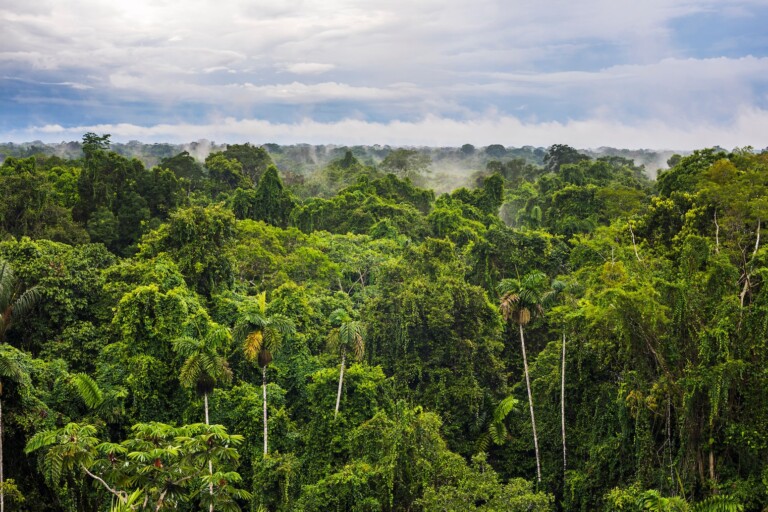
Ultimately, the 20,000 square kilometers of saved forest represent more than just numbers on a map; they are a fragile victory of policy over exploitation. Whether that forest survives the next four years depends entirely on the ballot box, as the world watches to see if Brazil will continue its path toward sustainability or retreat back into an era of unchecked destruction.