In the sweltering heart of Hong Kong, where summer temperatures frequently climb above 32°C and humidity clings like a heavy shroud, a peculiar phenomenon defines the indoor experience: the “indoor winter.” For tourists and residents alike, stepping into the city’s sprawling commercial shopping malls often requires a change in wardrobe. Jackets, shawls, and scarves are standard accessories, not for the weather outside, but for the aggressive, bone-chilling air conditioning maintained inside.
As Hong Kong grapples with an era of unprecedented extreme heat, this reliance on hyper-cooled indoor spaces has evolved into a complex dilemma. While these malls serve as critical, life-saving refuges for the vulnerable—the elderly, the impoverished, and outdoor workers—they simultaneously represent a massive, systemic failure in energy efficiency. Despite the government’s decade-long effort to curb energy waste through the voluntary "Energy Saving Charter," the city’s commercial sector remains locked in a cycle of overcooling, raising urgent questions about climate accountability, regulatory toothlessness, and the delicate balance between public health and environmental sustainability.
A Legacy of Chill: The Chronology of Compliance
The narrative of Hong Kong’s battle against overcooling began in earnest in 2012, when the government introduced the Energy Saving Charter. This initiative, designed to be a collaborative effort between the public and private sectors, encouraged major shopping malls and commercial premises to maintain indoor temperatures between 24°C and 26°C during the peak summer months of June through September.
The rationale was clear: with air conditioning accounting for approximately 29% of the city’s commercial electricity consumption—and electricity generation responsible for 60% of Hong Kong’s greenhouse gas emissions—reducing the cooling load was a low-hanging fruit in the fight against climate change.
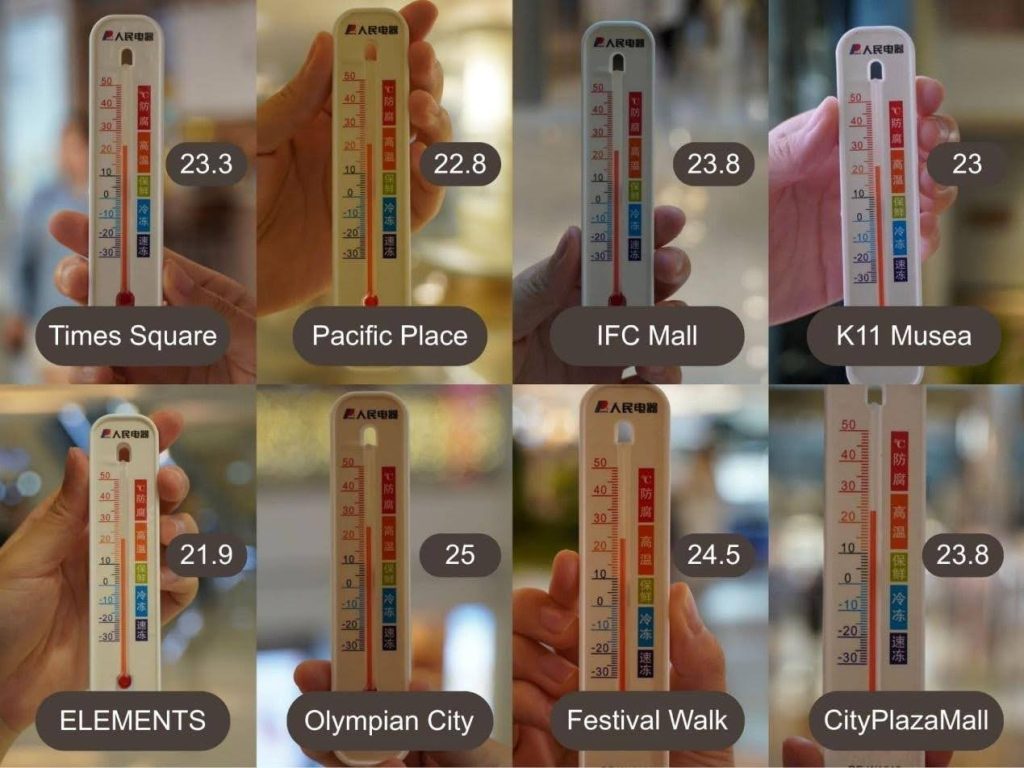
However, the history of this initiative is one of persistent non-compliance. A 2016 survey conducted by the green group Green Sense revealed that out of 10 signatory malls, nine failed to adhere to the recommended temperature range. Fast forward to 2024, and the situation remains largely unchanged. A comprehensive investigation by the charity The Green Earth found that even among the city’s largest shopping complexes, several signatories were routinely recording average temperatures well below the 24°C threshold. Notably, the West Kowloon landmark Elements, despite being a long-term signatory, was measured at 21.7°C—the lowest reading in the study.
The Data Gap: Why "Voluntary" Is Failing
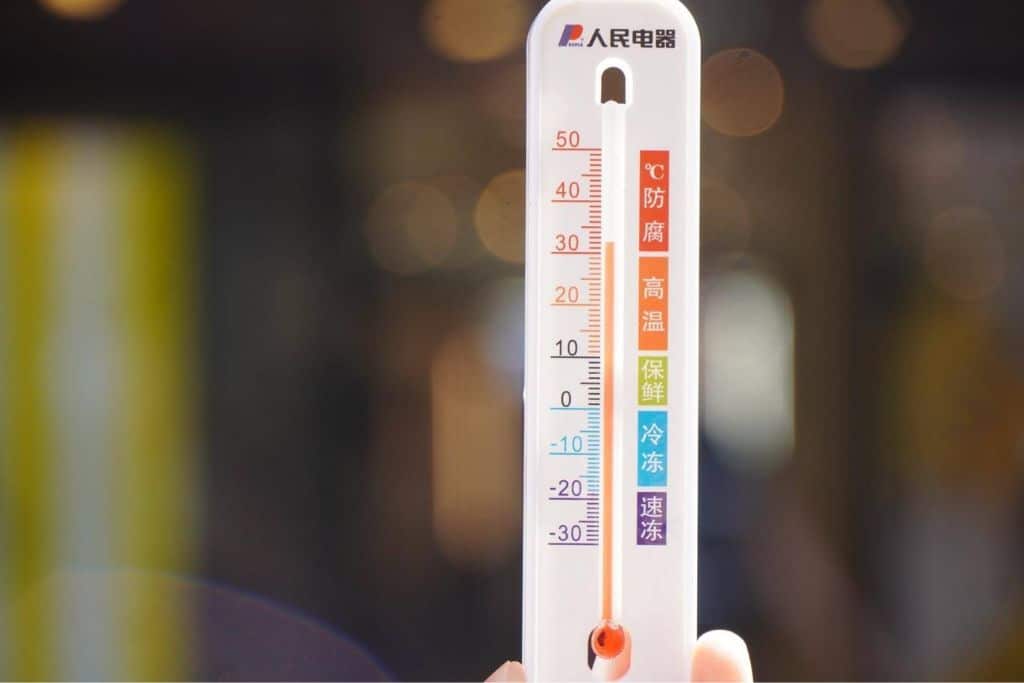
The discrepancy between the Charter’s goals and the reality on the ground is stark. Recent on-site measurements conducted by Earth.Org in May and June 2026 across various malls on Hong Kong Island and in Kowloon paint a damning picture. Using calibrated, liquid-in-glass thermometers placed 1.1 meters above floor level—the standard height for human thermal comfort assessment—reporters found that with the exception of Olympian City and Festival Walk, almost every surveyed mall was operating at temperatures significantly lower than the 24°C commitment.

The environmental cost of this habit is quantifiable. CLP Power, one of the city’s primary utility providers, notes that for every 1°C increase in thermostat settings, electricity consumption can drop by approximately 3%. When multiplied across thousands of commercial premises, the cumulative carbon footprint of maintaining these artificial arctic climates is staggering.
Furthermore, the problem is compounded by inefficient design. Experts point to "over-lighting" as a hidden culprit. A survey by The Green Earth found that many mall corridors exceed the Building Council’s recommended maximum of 300 lux. This excessive illumination generates significant heat, which in turn forces the HVAC systems to work even harder to maintain the desired coldness, creating a feedback loop of energy waste.
The Economic Logic of Overcooling
Why do property managers persist in cooling spaces to levels that make customers shiver? The answer, according to urban geography experts, is deeply rooted in market psychology.
"Overcooling is a rational decision to maximize profit," explains Xu Yuan, an Associate Professor at the Department of Geography and Resource Management at the Chinese University of Hong Kong. His research identifies a distinct "preference for cold" among shoppers. In a humid, tropical environment, the transition from a sticky, 32°C street to a crisp, 20°C mall environment is marketed as a luxury experience. Managers fear that if they raise the temperature, they will lose the "comfort edge" that keeps shoppers lingering.
Moreover, the technical challenges are often cited as a barrier. Most legacy air conditioning systems in Hong Kong’s older, massive malls are monolithic—they lack the granular, zone-specific controls needed to cool a food court differently from a quiet corridor or a retail shop with high-wattage spotlights. Alan Lam, Deputy Principal of the Asian Institute of Built Environment, argues that while technical upgrades are necessary, they are secondary to the lack of economic incentive. "All these technical reasons could be fixed if the economic incentives were there," he notes.
The Dual-Edged Sword: Malls as Climate Shelters
The debate over overcooling is not purely an environmental one. As heatwaves become more frequent and severe in the coming decades, the role of the shopping mall has shifted from a temple of consumption to a sanctuary of survival.
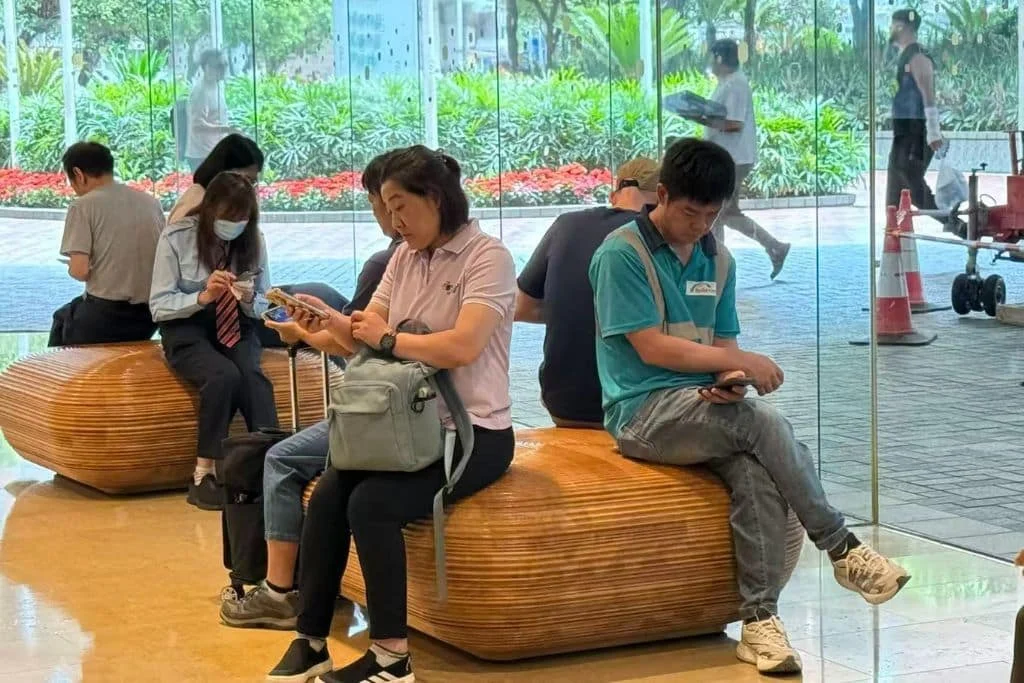
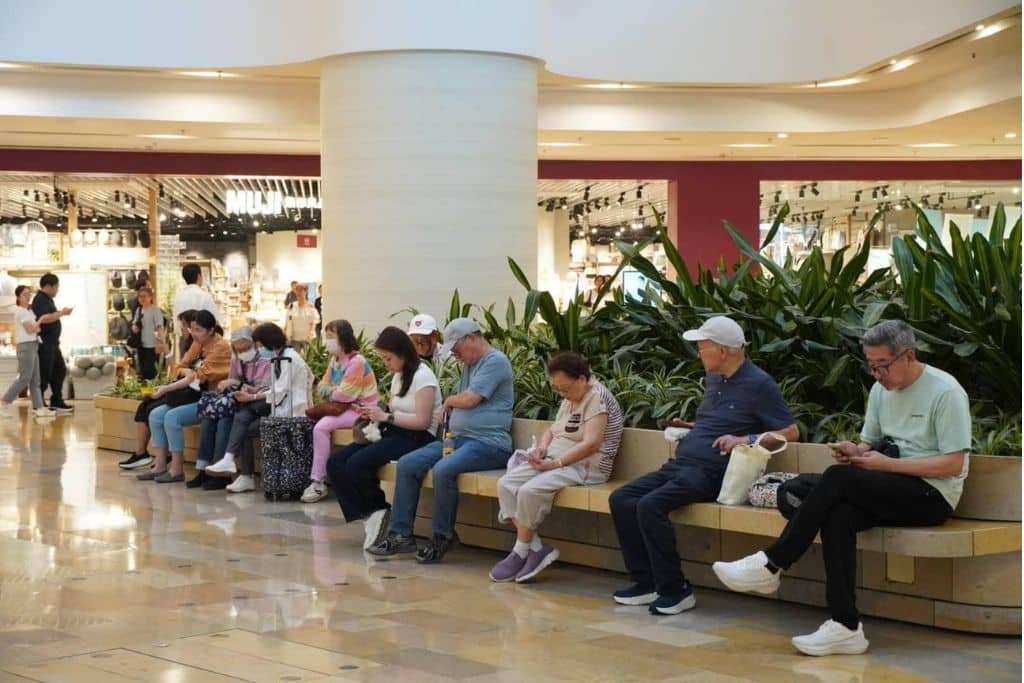
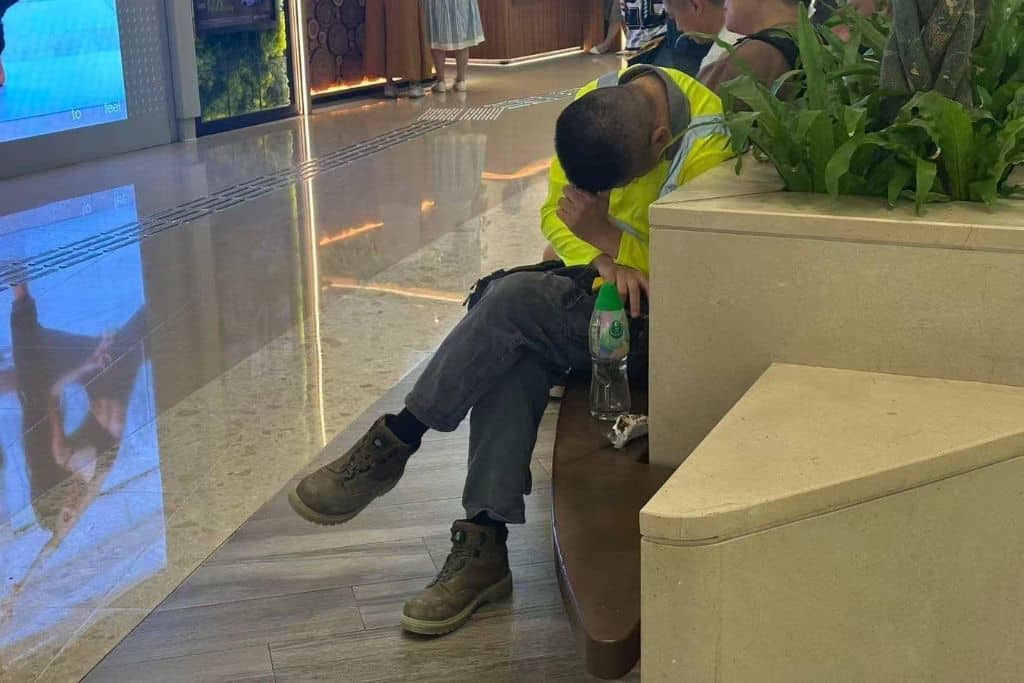
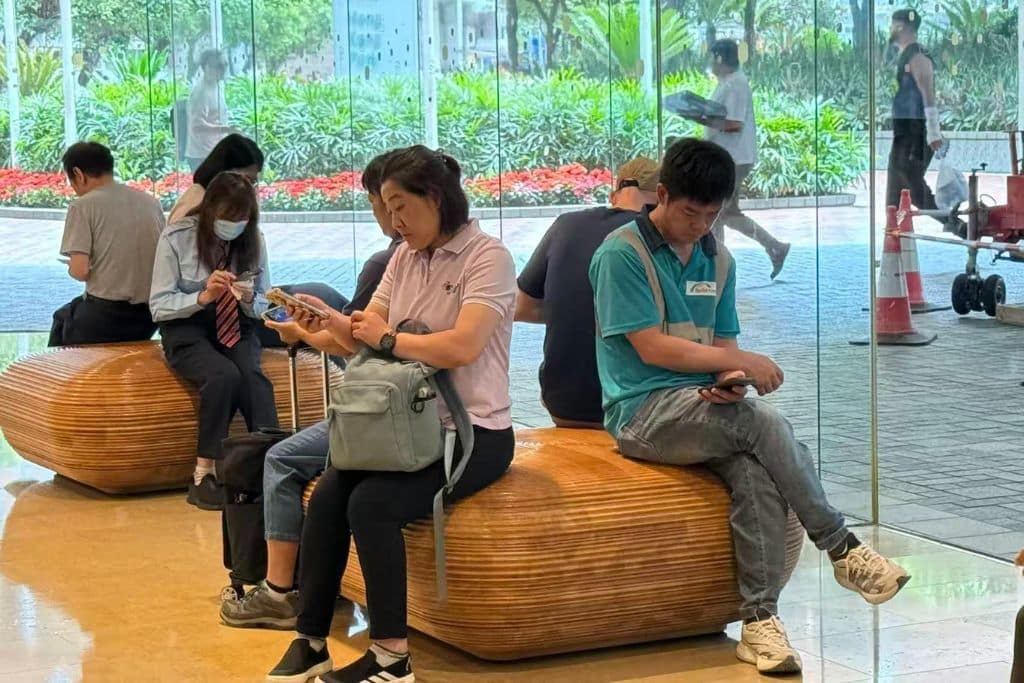
For the city’s elderly, many of whom live in cramped, poorly ventilated "subdivided flats," and for low-wage outdoor laborers, the mall is often the only accessible location with reliable, high-capacity cooling. During the peak of a summer heatwave, the sight of senior citizens resting on mall benches is common.
David Bishai, a professor at the University of Hong Kong’s School of Public Health, warns against a blanket approach to energy saving. "If we turned off all of our air conditioners because we wanted to save carbon, the death rate would go up much higher," he argues. For the most vulnerable members of society, these malls provide a necessary cooling intervention that prevents heat-related illness and death.
This creates a paradox: the energy-intensive behavior of the commercial sector, while environmentally damaging, is currently subsidizing the health and safety of the city’s most vulnerable populations. The question, therefore, is not whether to stop cooling, but how to do so equitably.
Official Responses and the Need for Reform
When presented with these findings, the Environment and Ecology Bureau and the Electrical and Mechanical Services Department maintained that their oversight remains robust. They claim that participating premises are subject to regular reviews and that venues failing to meet standards are prompted to make improvements. The Bureau asserts that all participants have "responded positively" to guidance.
However, advocates remain skeptical. "The reliance on voluntary measures further weakens efforts to reduce overcooling," says Steven Chan of The Green Earth. "There is a clear lack of independent, transparent enforcement."
Proposed solutions are beginning to take shape. Experts like Xu Yuan suggest a transition from the current "gentleman’s agreement" model to one backed by government incentives, similar to the Fair Winds Charter in the shipping industry, which eventually paved the way for mandatory low-sulfur fuel regulations.
Other suggestions include:
- Mandatory Disclosure: Implementing clear, color-coded energy efficiency labels for buildings, visible to the public, similar to those found on household appliances.
- Dynamic Zoning: Investing in smart HVAC systems that can adjust temperatures based on real-time occupancy and heat generation from lighting and crowds.
- Legislative Action: Moving beyond the voluntary Charter to introduce mandatory minimum temperature standards, while perhaps providing "public shelter" exemptions to ensure that cooling remains available to those who need it most.
Conclusion: Toward a Cooler, Greener Future
Hong Kong stands at a crossroads. The city’s climate future will be defined not only by its ability to transition to renewable energy but by its capacity to adapt its urban infrastructure to a warming world.
The overcooling of shopping malls is a relic of a time when the environment was viewed as an infinite resource to be controlled, rather than a system to be managed. To move forward, policymakers must reconcile the need for aggressive energy conservation with the social necessity of providing heat relief. The goal should not be to simply "warm up" the malls, but to transform them into climate-resilient hubs that serve the community without compromising the planet.
As the mercury continues to rise, the status quo is becoming increasingly unsustainable. For a city that prides itself on efficiency, the next logical step is to stop treating the cold as a commodity and start treating energy as the finite, precious resource it is. The era of the "indoor winter" must give way to a more thoughtful, balanced approach to urban climate management—one that keeps the city cool without burning the future.