
In a significant pivot for the Australian financial services landscape, the nation’s major banking institutions are preparing to petition the Australian Competition and Consumer Commission (ACCC) for authorization to trial shared "banking hubs." This collaborative proposal, spearheaded by the Australian Banking Association (ABA), aims to reverse the tide of branch closures that has left countless regional and rural communities financially isolated.
As digital banking adoption surges, the traditional "bricks-and-mortar" branch has faced a rapid decline. However, the industry now acknowledges that for many, the physical presence of a bank is not merely a convenience, but a vital piece of social and economic infrastructure.
The Core Proposal: A Shared Future for Regional Banking
At the heart of the industry’s proposal is a "multi-bank branch" model. Under this framework, participating banks would share the overhead costs of maintaining physical outlets, including rent, security, staff, and infrastructure. By pooling resources, banks hope to achieve an economy of scale that makes maintaining a presence in smaller, lower-transaction townships financially viable once again.
The ABA is seeking regulatory "blessing" from the ACCC because the arrangement inherently involves collaboration between competitors. Typically, banks are prohibited from coordinating on service delivery models that could be perceived as anti-competitive. However, the industry argues that the public interest in maintaining regional access to cash and face-to-face services outweighs traditional competition concerns.
"Some customers still prefer face-to-face banking despite the undeniable trend of plunging transaction numbers," explains Simon Birmingham, CEO of the Australian Banking Association and former federal Liberal finance minister. "Our objective is to ensure that while we embrace the digital future, we do not leave our regional communities behind."
A Chronology of Decline and Renewed Interest
To understand why this proposal is surfacing now, one must look at the recent history of regional banking in Australia.
The Era of Rapid Digitization (2015–2022)
For nearly a decade, the "Big Four" banks aggressively closed regional branches, citing a massive shift in customer behavior. As mobile apps became the primary method for deposits, withdrawals, and loan management, foot traffic in physical branches plummeted. Banks justified these closures as essential efficiency measures in an increasingly competitive digital market.
The Community Backlash (2023–2024)
The widespread removal of local banks triggered significant outcry from rural business owners, pensioners, and local governments. In many towns, the closure of the final bank branch meant that residents had to drive hours to access cash services or seek in-person financial advice, creating a "banking desert" that hampered local economic growth.
The Regulatory Intervention (2025–2027)
By early 2025, the pressure reached a boiling point. The government implemented a moratorium on regional branch closures, effectively freezing the status quo until 2027. This period provided the industry with a "breathing room" to develop a long-term strategy rather than simply shuttering offices, leading directly to the current proposal for banking hubs.
Supporting Data: The Digital vs. Physical Divide
The industry’s dilemma is backed by stark statistical contrasts.
- The Digital Surge: According to recent ABA data, over 98% of all banking transactions in Australia are now completed digitally. Contactless payments, PayID, and mobile wallets have effectively replaced the need for the traditional teller-led transaction.
- The Physical Need: Despite the 98% digital figure, the remaining 2% represents a critical segment of the population. This includes the elderly, individuals with limited digital literacy, and small business owners who handle high volumes of cash.
- Cost Efficiency: Maintaining a single-brand branch in a town of 2,000 people can cost a bank upwards of $500,000 annually in operating expenses. By sharing a "hub," the cost could be split among four or five participating institutions, reducing the burden on each bank to a fraction of the original cost while maintaining the same level of service for the community.
Official Responses and Stakeholder Perspectives
The proposal has been met with cautious optimism from political leaders and consumer advocacy groups.
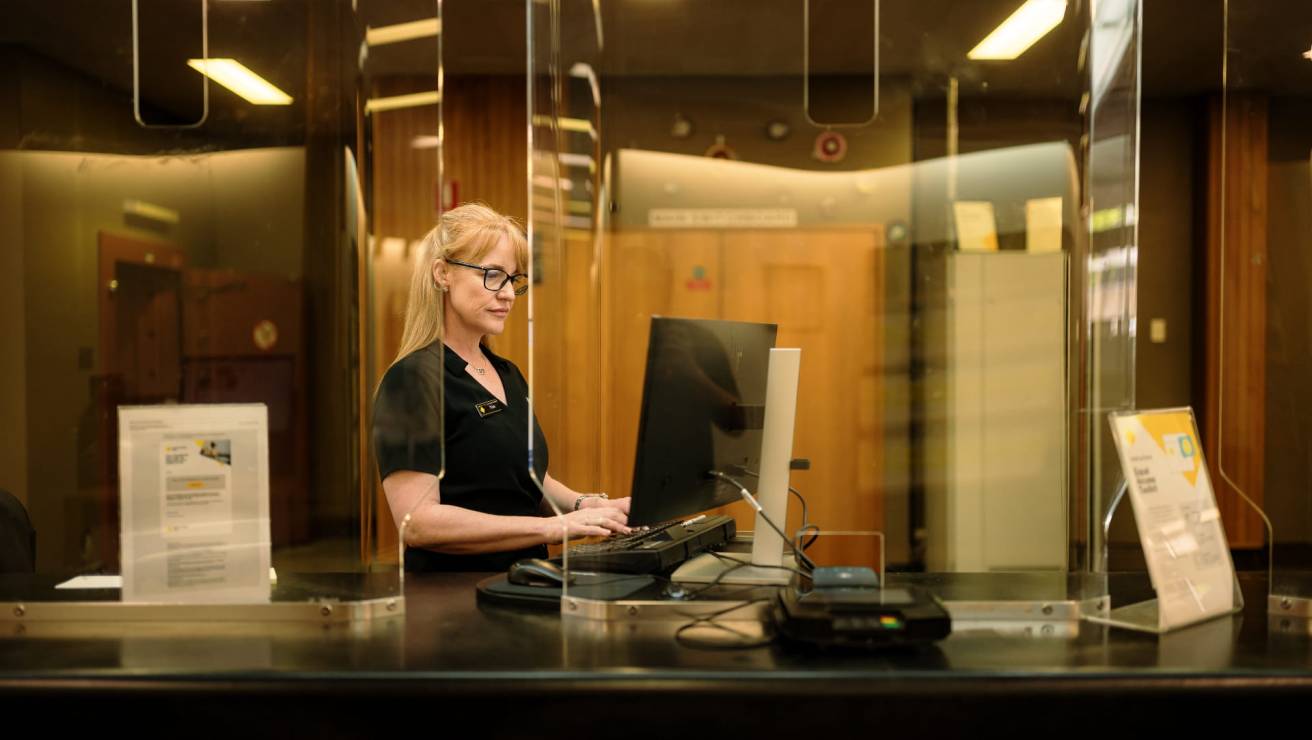
The Banking Industry Position
The ABA emphasizes that this is a "shared cost" model. The funding structure is designed to be transparent, ensuring that no single bank gains an unfair advantage over another. Banks believe that this collaborative approach is the only way to satisfy their corporate social responsibility obligations while remaining fiscally responsible to shareholders.
The Consumer Perspective
Consumer groups have generally welcomed the move but have raised questions about service quality. "A hub is better than nothing," noted a spokesperson for a regional advocacy group. "However, we need to ensure that the staff in these hubs are trained to handle inquiries for all participating banks, not just their own." The fear is that a ‘hub’ could become a glorified ATM center rather than a place where actual financial advice and complex account management can occur.
The ACCC Stance
The ACCC has not yet issued a formal ruling, but it is expected to scrutinize the proposal for potential "price-fixing" or "market-sharing" risks. The watchdog must determine if the "public benefit" of maintaining regional service exceeds the "detriment" of allowing competitors to collaborate on infrastructure.
The Implications for Regional Australia
If the ACCC grants the authorization, the implications for rural Australia would be profound.
1. Economic Stabilization
Small towns rely on the "anchor" effect of banks. When a bank closes, other businesses often suffer as residents travel elsewhere to do their banking and, subsequently, their shopping. The return of a multi-bank hub could help revitalize town centers, acting as a catalyst for other local services to remain or return.
2. Financial Inclusion for the Elderly
Australia’s aging population in regional areas is particularly vulnerable to the digital shift. A banking hub provides a safe, physical space for those who feel intimidated by, or lack access to, high-speed internet and sophisticated banking software. It restores a sense of dignity to the banking process for those who have spent a lifetime conducting business in person.
3. A Template for Other Sectors
The success or failure of this banking hub model could set a precedent for other industries. If banks can successfully share infrastructure, could telecommunications companies or government service agencies follow suit? The "shared services" model could become the blueprint for how Australia maintains essential services in its most isolated regions.
4. The Potential for "Service Creep"
One risk identified by industry analysts is "service creep." As banks try to make these hubs profitable, they may eventually limit the services offered to simple transactions, further pushing customers toward digital platforms. The success of the trial will depend entirely on the banks’ commitment to providing genuine, high-value financial services rather than just transactional processing.
Conclusion: A New Social Contract?
The move by the banking industry to seek approval for shared hubs is a tacit admission that the "digital-first" strategy, while efficient for shareholders, created a social deficit in regional Australia. By proposing a collaborative infrastructure model, the banks are attempting to rewrite their social contract with the Australian public.
The coming months will be critical. As the ACCC begins its consultation process, the eyes of rural communities will be fixed on Canberra. The decision will not only determine the future of banking in towns like Gunnedah or Mildura, but it will also define the role that major corporations play in maintaining the cohesion of the Australian heartland.
Ultimately, this is more than just a logistical plan; it is a test of whether a modern, hyper-digital economy can still accommodate the human need for face-to-face interaction and local community support. Whether the hubs become a permanent feature of the Australian landscape or a short-lived experiment will depend on the willingness of the banks to prioritize community access alongside their digital bottom lines.