This analysis tracks the pivotal company developments from the past week and examines how global markets absorbed these signals through Thursday’s close. As we navigate a landscape where technology and traditional finance converge, the focus remains on where shifting corporate narratives translate into tangible price action.
This report is part of Tearsheet PRO’s weekly 10-Q Newsletter, where we bridge the gap between high-level strategy and market reaction. We track how leading banks and fintechs are evolving in public markets and how sophisticated investors are pricing those strategic pivots.
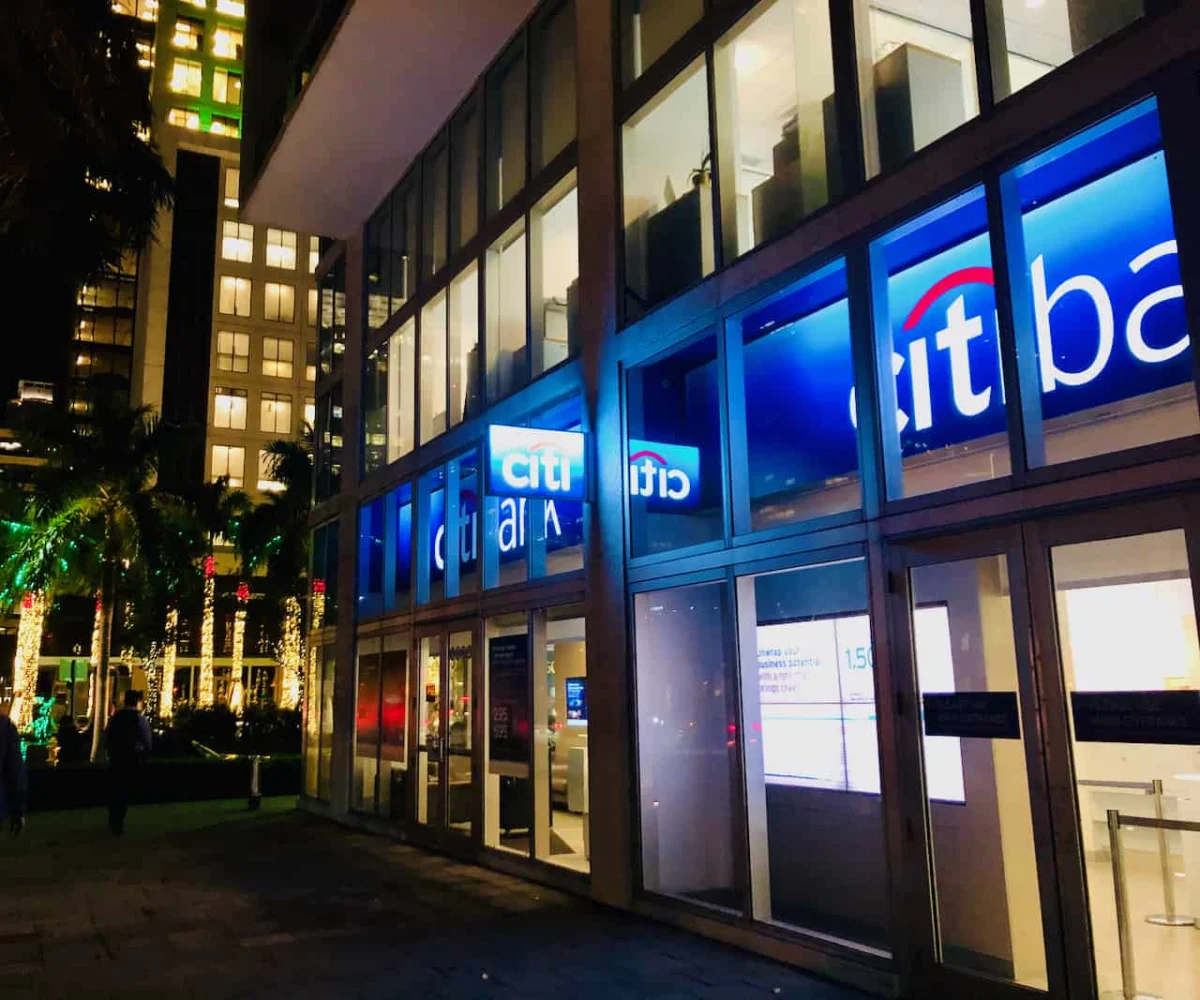
1. Citi (C) – Close: $127
The Connectivity Play
Citi’s latest maneuvers reflect a broader industry push to simplify the Byzantine nature of cross-border payments. Historically, international commerce has been plagued by "fragmentation"—a scenario where every market operates on disparate rails, unique banking relationships, and incompatible technical standards.
Strategic Implications:
Citi is positioning itself to be the singular connective layer that obscures this complexity. The core narrative here is not merely "faster payments," but rather the battle to become the infrastructure standard. By positioning itself as the bridge between fragmented domestic instant-payment systems, Citi aims to capture the flow of global commerce. If they succeed, they transition from being a traditional bank to becoming an essential utility layer for global enterprises.
Market Reaction:
Investors are currently pricing in the potential for long-term fee-income growth. By owning the "plumbing" of global trade, Citi creates a sticky ecosystem that is difficult for competitors to disrupt, justifying its current valuation as it navigates the transition to digital-first banking.
2. Intuit (INTU) – Close: $282.78
Embedding Intelligence into the Workflow
Intuit’s recent developments underscore a fundamental shift in SaaS architecture: the move from being a "destination" to being an "invisible assistant." QuickBooks has long been the repository for business bookkeeping; however, the new paradigm suggests that the interaction should start where the user is—not necessarily inside the QuickBooks portal.
Strategic Implications:
For small-business owners, financial management is now becoming an ambient experience. By extending QuickBooks’ financial intelligence into the AI interfaces where entrepreneurs already spend their time, Intuit is effectively embedding itself into the daily operational loop. This shift is critical: by moving the software to where the work happens, Intuit maintains its relevance against nimbler, AI-native competitors.
Market Reaction:
The market is observing a shift in Intuit’s moat. By prioritizing integration over siloed software, Intuit is betting that "financial intelligence as a service" will prove more lucrative than traditional licensing models. Investors are watching closely to see if this pivot can protect their margins as AI tools become commoditized.
3. Robinhood (HOOD) – Close: $111.15
From Execution to Autonomous Agency
Robinhood’s evolution marks a radical departure from the traditional brokerage model. The platform is shifting the interface from a manual "I place the trade" action to an agentic "I set the strategy and the machine executes" workflow.
Strategic Implications:
This transition transforms the brokerage from a simple execution venue into an operating layer for financial decision-making. However, this shift introduces a profound regulatory and ethical question: how much autonomy should sit between a customer and their capital? As the platform relies more on AI agents, the responsibility for financial outcomes becomes blurred.
Market Reaction:
The stock reflects high investor confidence in the "AI agent" narrative. If Robinhood successfully builds a platform that manages wealth autonomously, it could capture a massive share of the retail market. Yet, the price volatility suggests that investors remain wary of the regulatory risks associated with algorithmic trading on behalf of non-professional users.

4. Fifth Third (FITB) – Close: $50.41
Scaling Through Strategic Acquisition
Fifth Third’s ongoing integration of the Comerica acquisition is a textbook example of scaling by targeting specific client lifecycles. By focusing on startups as they transition from early-stage operating needs to complex capital markets and wealth management requirements, Fifth Third is playing the long game.
Strategic Implications:
The goal is to capture the client relationship early and never let it go. In the banking world, customer acquisition costs are high; by offering a "cradle-to-grave" suite of services, Fifth Third is attempting to increase the Lifetime Value (LTV) of every corporate client.
Market Reaction:
The market is rewarding the bank’s disciplined approach to scale. By diversifying their revenue streams—moving beyond traditional lending into wealth and capital advisory—Fifth Third is signaling a path to consistent, non-interest income growth that should stabilize earnings in volatile economic environments.
5. BMO (BMO) – Close: $166.30
The Workflow-Integrated Bank
BMO is tackling the challenge of "portal fatigue." For modern finance teams, procurement and accounts payable (AP) are already managed within specialized software. BMO’s strategy is to integrate their payment capabilities directly into these third-party platforms rather than forcing clients to log into the bank’s own portal.
Strategic Implications:
This is an acknowledgment that the bank’s interface is no longer the primary workspace for corporate finance teams. By embedding payment capabilities, BMO stays essential to the workflow without disrupting the customer’s existing toolset. This "invisible banking" strategy is key to retaining corporate clients who prioritize efficiency and speed.
Market Reaction:
Investors are reacting positively to BMO’s pragmatic approach. By choosing integration over isolation, BMO is reducing the churn risk associated with clunky legacy banking interfaces, positioning itself as a flexible partner in a digital-first economy.
Chronology of Market Events
- Monday: Citi and BMO announce new API-first initiatives, signaling a broader industry pivot toward "headless banking."
- Tuesday: Intuit unveils deeper AI integration for small-business workflows, prompting a positive re-evaluation of their long-term subscription retention.
- Wednesday: Robinhood’s platform update creates a stir among market analysts regarding the potential for autonomous AI trading, leading to a temporary surge in volatility.
- Thursday: Fifth Third provides an update on its integration progress, confirming that the Comerica deal is yielding the expected synergies in commercial lending.
Supporting Data and Implications
The convergence of these five companies reveals a common thread: the migration of financial services into the background of operational life.
| Company | Focus Area | Primary Strategy |
|---|---|---|
| Citi | Cross-border | Infrastructure Utility |
| Intuit | SMB Software | AI-Embedded Intelligence |
| Robinhood | Retail Trading | Autonomous Agentic Trading |
| Fifth Third | Commercial Banking | Lifecycle Client Retention |
| BMO | Payments | Workflow Integration |
The Macro View
The primary implication for the financial sector is that "brand loyalty" is being replaced by "integration dominance." Banks and fintechs that fail to embed their services into the workflows where their customers already reside will likely see their margins eroded by those who do.
The market response this week has been characterized by a premium on companies that can successfully bridge the gap between complex financial operations and user-friendly, automated interfaces. As we move through the remainder of the year, expect to see further consolidation and strategic partnerships as firms rush to define the "operating layer" for both retail and commercial finance.
Stay ahead of the curve. Subscribe to the full Tearsheet PRO 10-Q report every Friday for deeper insights into the metrics driving these decisions.