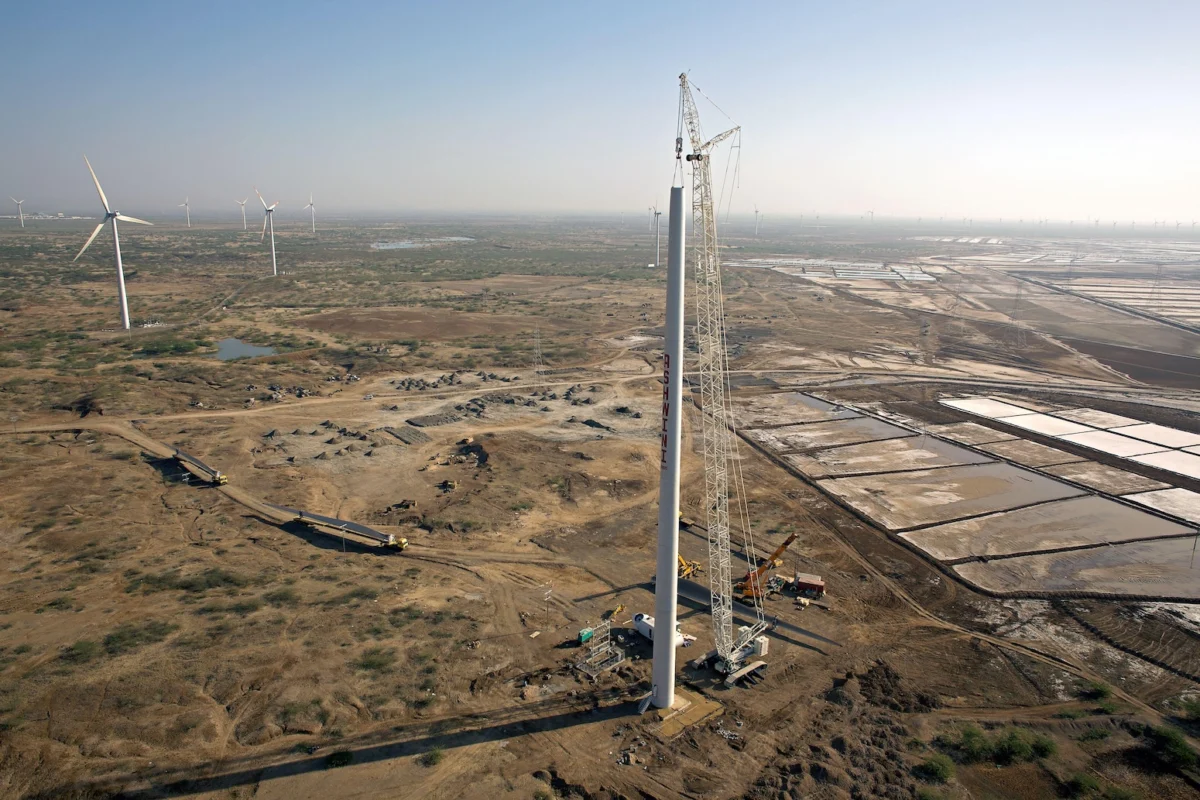
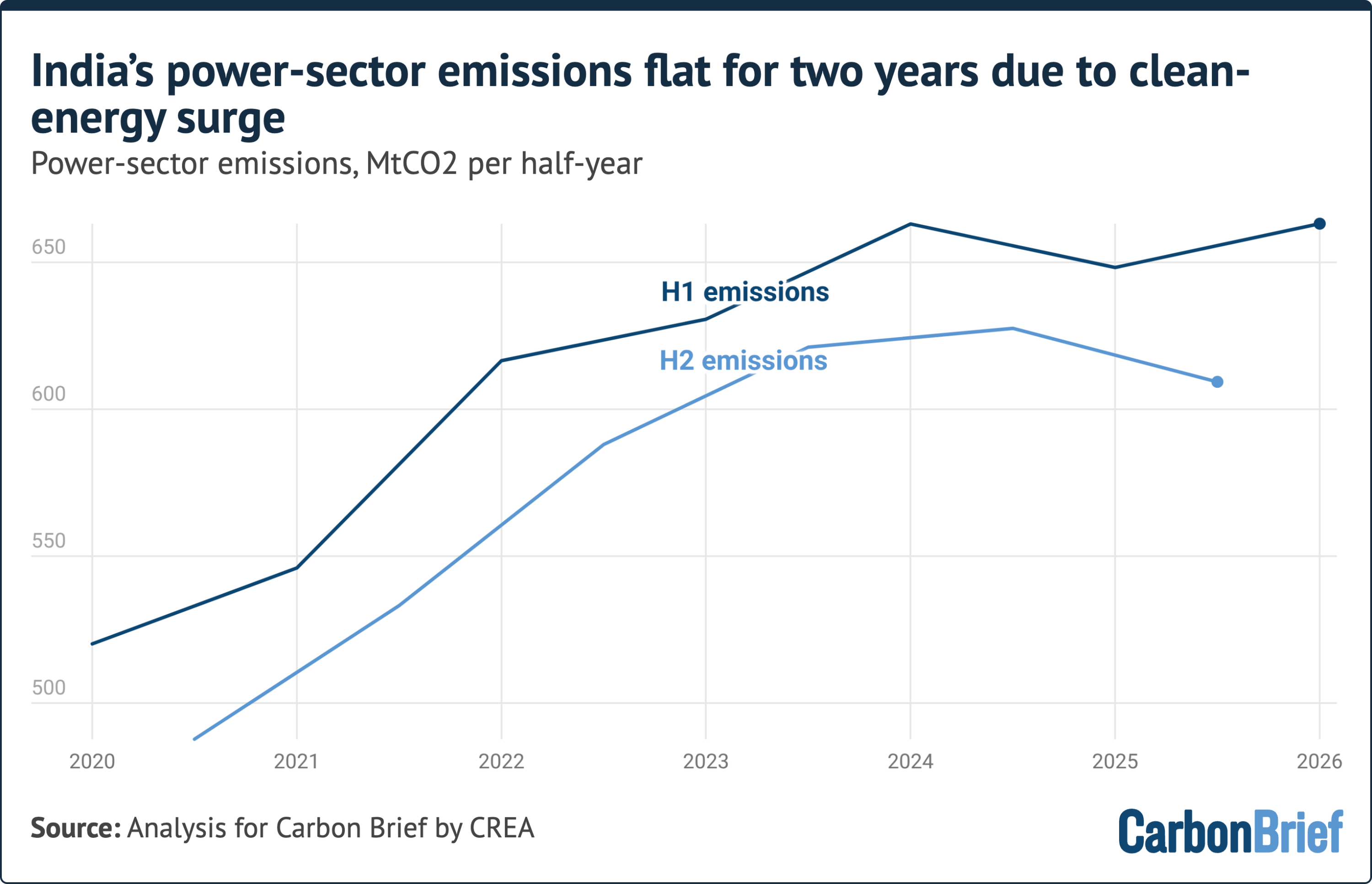
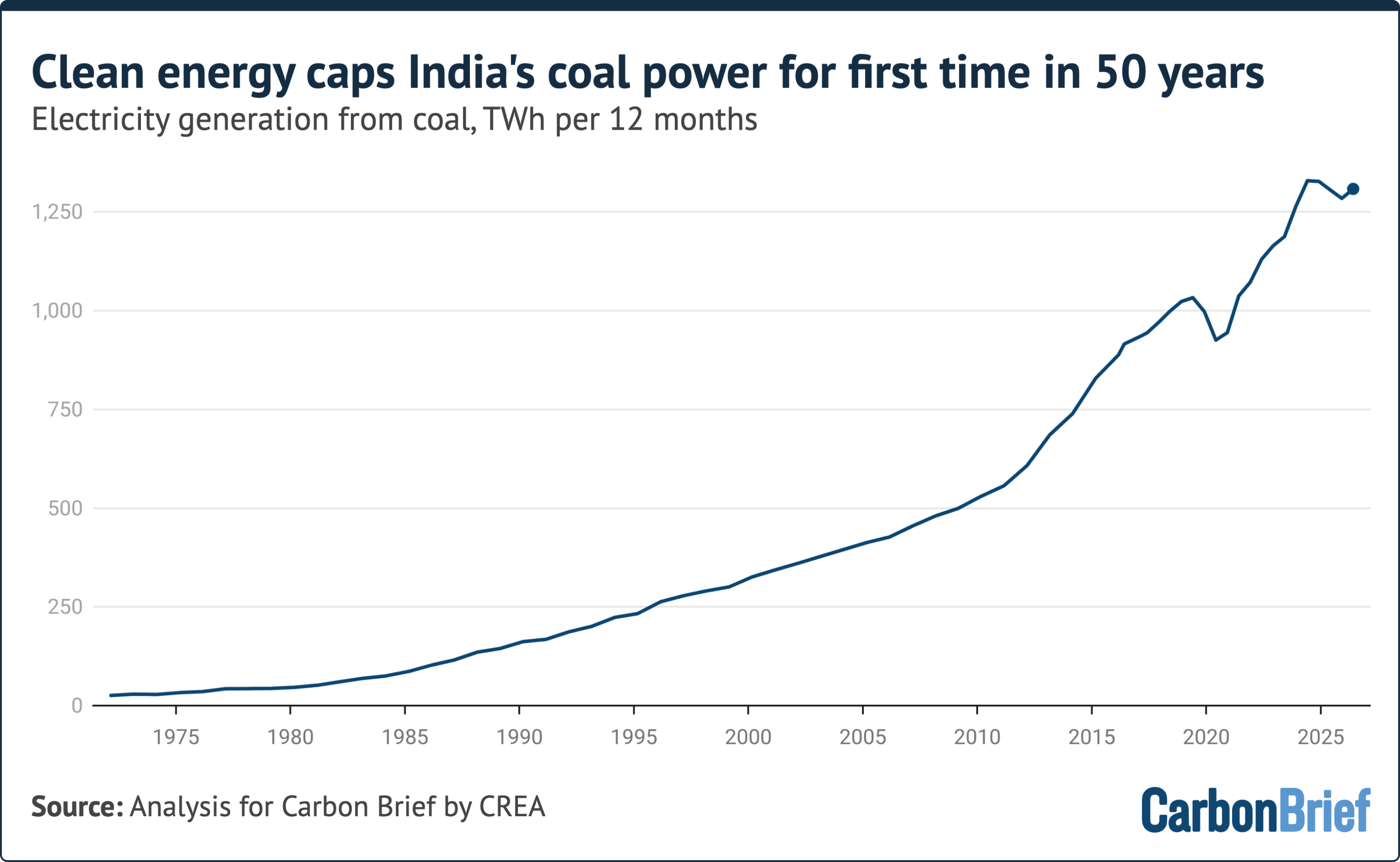
India is currently navigating a pivotal, if contradictory, moment in its energy evolution. A new six-monthly analysis reveals that the nation’s power sector—historically reliant on coal—has effectively decoupled electricity generation from carbon dioxide (CO2) emissions. For the first time in over 50 years, India has experienced no growth in coal-fired power over a two-year period, even as the country’s overall electricity demand has surged.
Yet, this triumph of clean energy is offset by a stubborn reality in the industrial heartland. While the power sector has flatlined its emissions, India’s total CO2 output grew by 3.7% year-on-year in the first half of 2026. This increase is driven largely by the heavy industry sectors—namely steel and cement—where decarbonization efforts remain in their infancy.
Main Facts: A Tale of Two Sectors
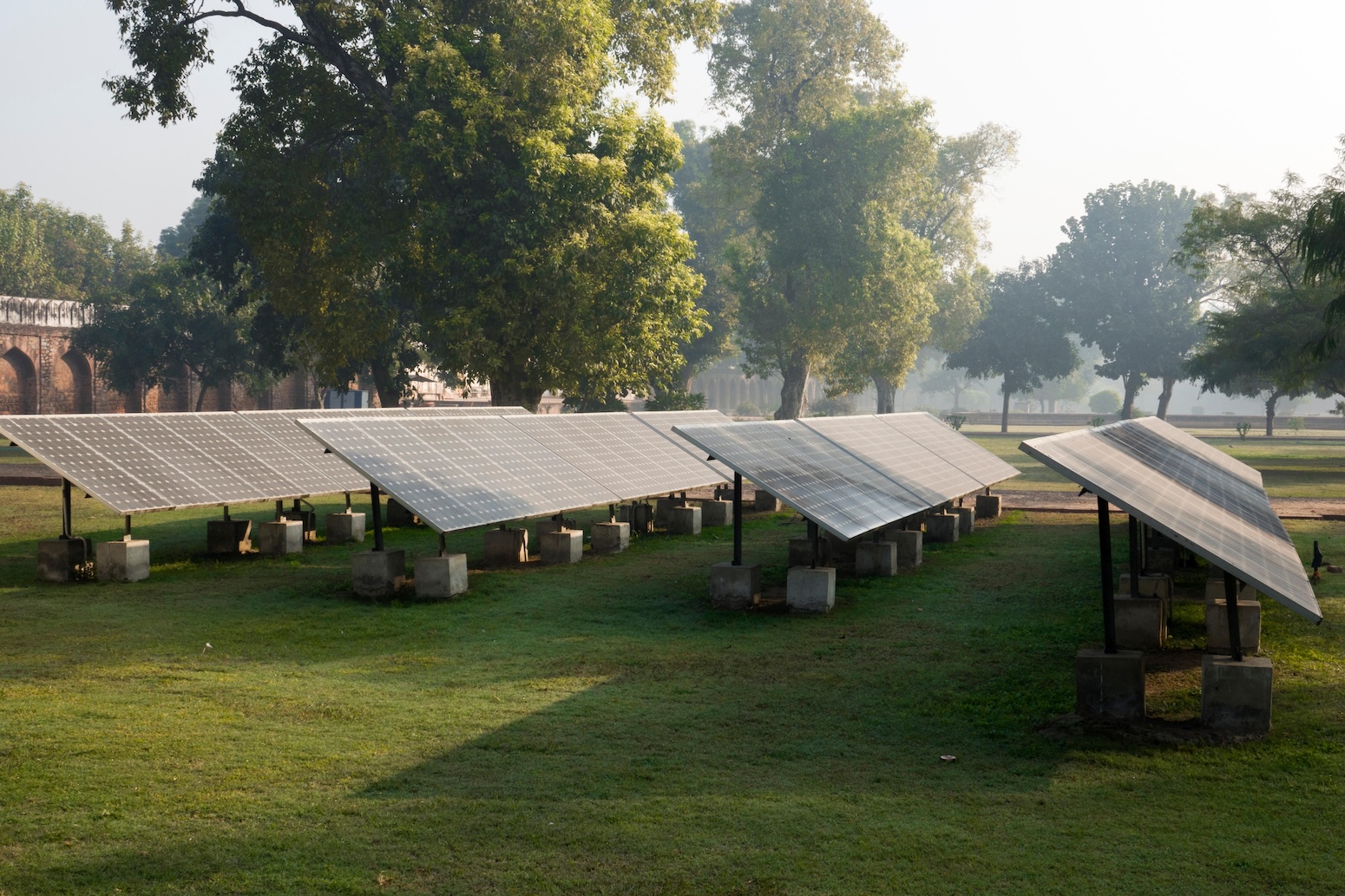
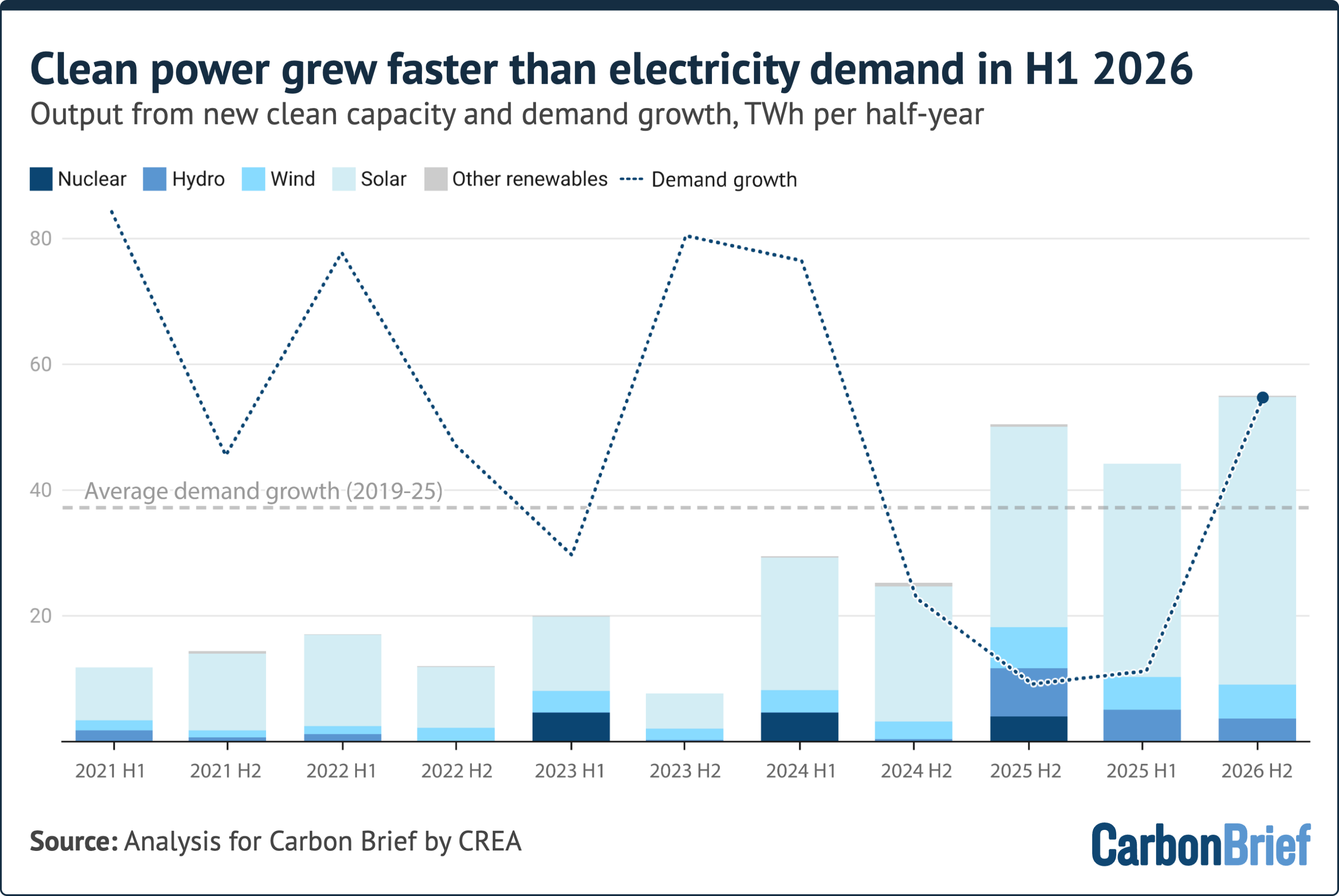
The primary takeaway from the first half of 2026 is the unprecedented success of India’s renewable energy rollout. From H1 2024 to H1 2026, the country recorded its largest increase in non-fossil power generation in history. Solar power, in particular, has emerged as the cornerstone of this transition, contributing 44TWh of new generation, bolstered by wind, nuclear, and hydro projects.
However, this clean energy progress is being challenged by industrial expansion. The steel and cement sectors saw emissions growth accelerate to 8% year-on-year in the first half of 2026. This divergence highlights a critical gap: while India is succeeding in greening its grid, it is struggling to electrify the industrial processes that sustain its economic growth. Furthermore, India’s oil and gas consumption has fallen for two consecutive years, a trend that has inadvertently shielded the economy from the volatility of global energy shocks, such as the ongoing crisis in the Strait of Hormuz.
Chronology of the Transition
The current state of India’s energy sector is the result of a multi-year shift that accelerated following the global energy supply disruptions of 2024.
- 2024 (First Half): India begins a massive push toward non-fossil fuel capacity as global fuel prices remain high. The focus shifts toward energy security and reducing import dependence.
- 2025: A breakthrough year where coal-power generation growth hits a historic pause. Clean energy begins to cover the entirety of new electricity demand. Ethanol blending hits 20% five years ahead of schedule.
- 2026 (First Half): Power sector emissions remain flat for the second consecutive year. Despite this, industrial sectors—feeling the pressure of high raw material costs—increase reliance on coal and other fossil fuels to maintain production volumes. The delayed monsoon and El Niño-driven heatwaves push cooling demand to record highs, testing the resilience of the grid.
Supporting Data: The Scale of the Shift
The transformation is best illustrated by the sheer volume of clean energy added to the grid. Over the last two years, India integrated 77GW of new solar capacity, 11GW of wind, 5GW of hydro, and 0.6GW of nuclear. This 70TWh of total new clean power effectively neutralized the 63TWh increase in national electricity demand.
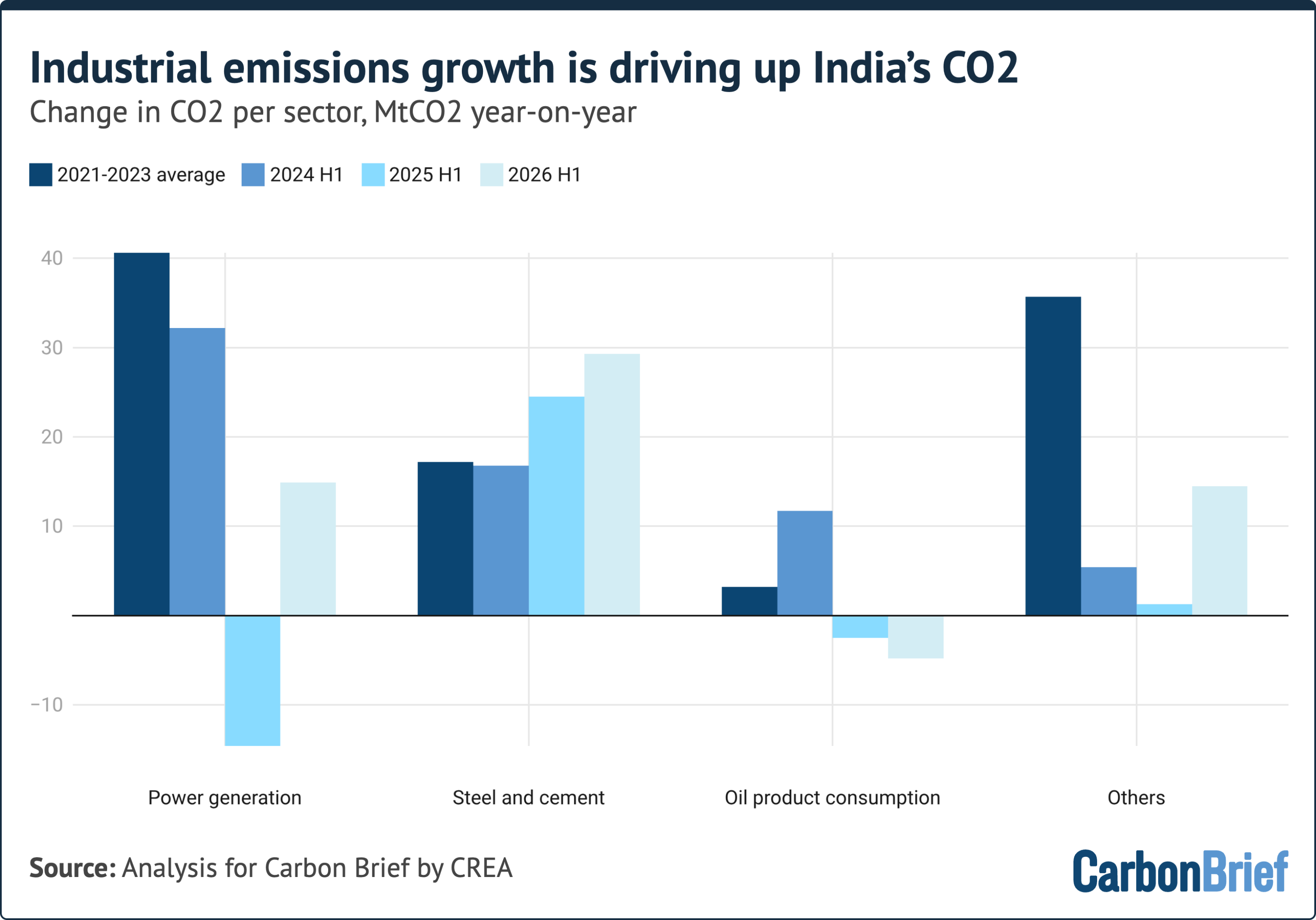
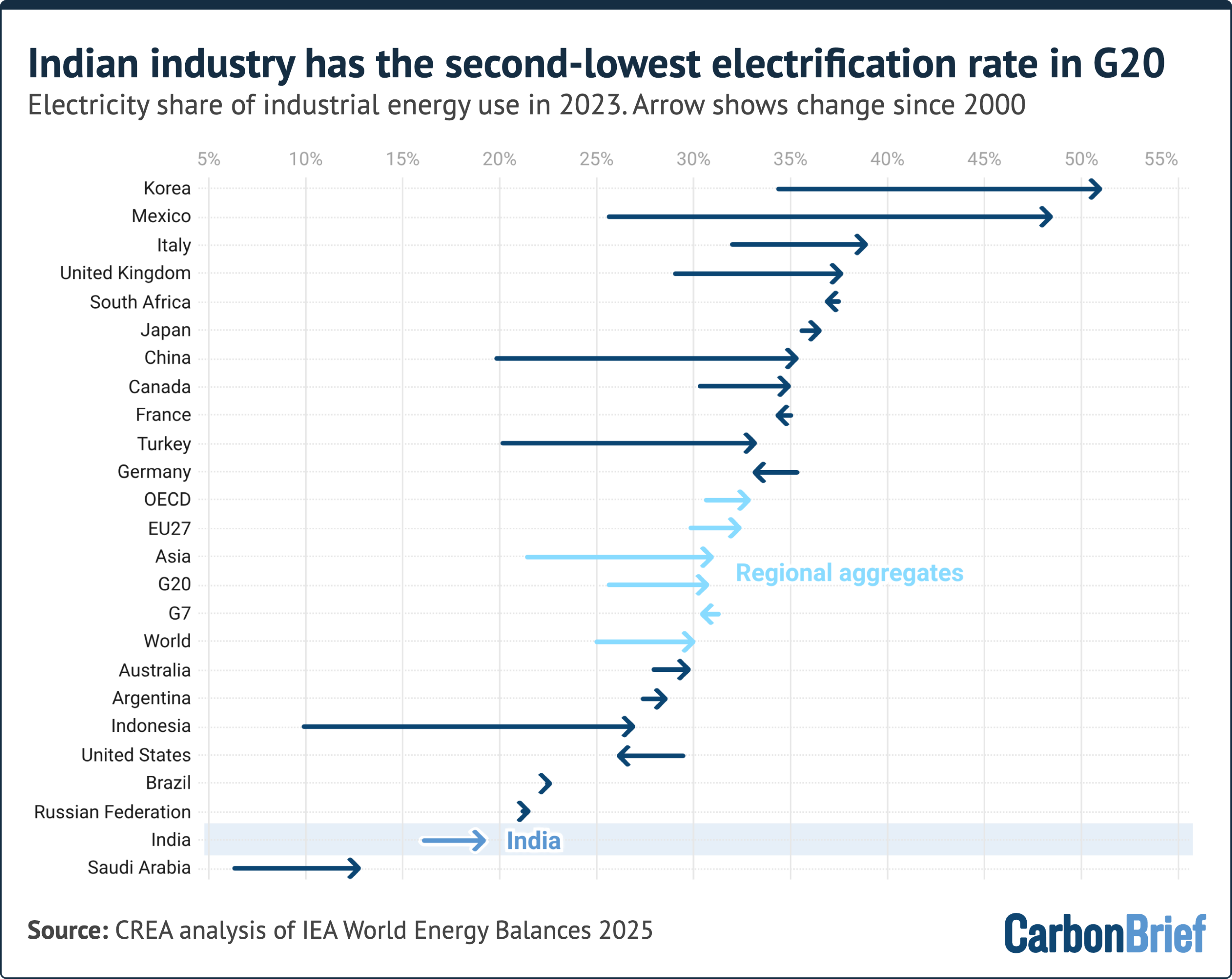
In contrast, the industrial sector presents a different set of figures. India’s industry possesses one of the lowest electrification rates in the G20. Whereas other emerging economies have aggressively pursued the electrification of industrial heating, India’s industrial energy mix remains heavily tethered to direct fossil fuel combustion.
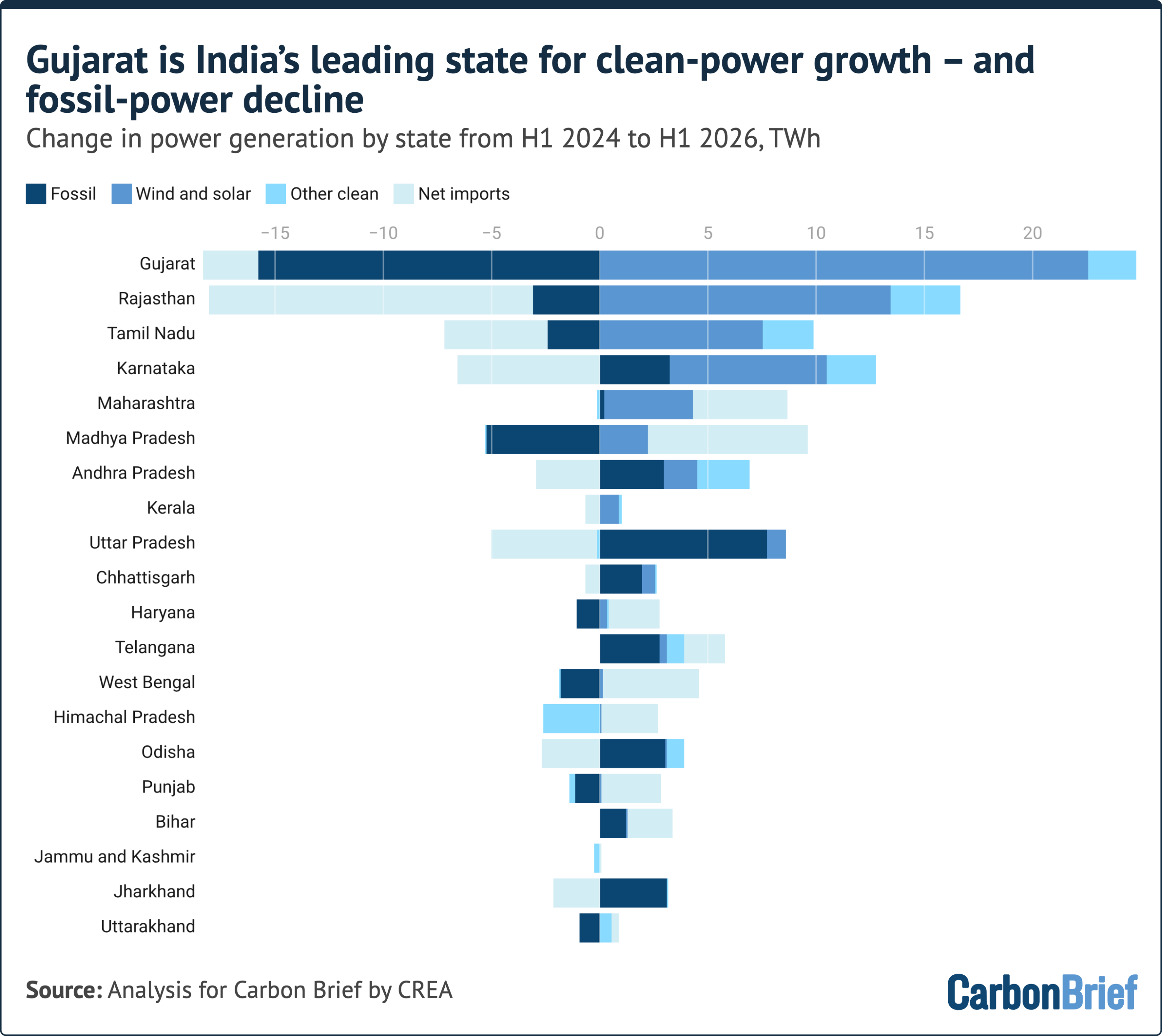
The regional breakdown is equally revealing. Gujarat has emerged as the frontrunner, leading both in clean energy expansion and the corresponding decline in fossil-fuel-based power generation. Rajasthan and Tamil Nadu have followed suit, while states like Karnataka and Andhra Pradesh have seen clean power growth exceed demand, though their contributions are partially mitigated by interstate exports and local industrial demand for thermal power.
Official Responses and Strategic Hurdles
The Indian government faces a delicate balancing act. On one hand, it is committed to its climate targets and the expansion of renewable capacity. On the other, it views energy security through the lens of domestic coal and, increasingly, coal gasification.
The Infrastructure Bottleneck
For the transition to remain on track, the Central Electricity Authority (CEA) acknowledges that the electricity grid requires an urgent, massive upgrade. Curtailment—the wasting of generated clean electricity due to grid inability to handle the load—has become a significant issue. Projects totaling over 5GW have already faced penalties for failing to meet commissioning deadlines, a symptom of the wider transmission constraints.
The Storage Mandate
To mitigate the intermittency of solar and wind, the government is moving toward a mandatory energy storage policy. After June 2027, all new government-owned renewable projects will be required to incorporate two-hour battery storage systems. This shift represents a move toward a more flexible, reliable grid, though it faces criticism from industry players concerned about rising capital costs.
Industrial Ambitions vs. Climate Realities
The government’s ambition to convert coal to chemicals—targeting 100 million tonnes of coal processing capacity per year—is driven by a desire to reduce reliance on imported feedstocks. However, this strategy risks "locking in" coal-based infrastructure for decades. While the government has mandated a 25% reduction in CO2 emissions per tonne of steel by 2026, the sector is currently struggling with the high costs of imported coking coal, leading many manufacturers to advocate for temporary relaxations in fuel-use regulations.
Implications for the Future
The implications for India’s climate trajectory are profound. The country has proven that it can scale renewable energy at a pace that rivals any global competitor. By successfully meeting all new power demand with clean sources, India has effectively "peaked" its power sector emissions.
However, the "industrial hurdle" remains the next great challenge. If India is to transition from a leader in clean power to a leader in total decarbonization, it must prioritize the electrification of its heavy industries. This will require:
- Technological Leapfrogging: Investing in green hydrogen and electric arc furnaces for the steel sector to replace coal-heavy blast furnaces.
- Grid Flexibility: Moving beyond the "storage mandate" to a more market-driven approach that encourages demand-side management and real-time pricing.
- Policy Consistency: Balancing the short-term economic pressure of the Hormuz crisis and global supply chain volatility with the long-term imperative of phasing out coal gasification and other high-emission industrial fossil fuel uses.
The progress made in the last 24 months is a testament to India’s capability to adapt to energy shocks. Whether the country can replicate this success in its industrial sector—which currently consumes the bulk of its fossil fuel output—will determine whether it can sustain this flatlining of emissions or if it will see a resurgence in carbon intensity as the economy continues its rapid expansion.
The path forward is clear: the energy transition is no longer just about generating electricity; it is about rewriting the industrial processes that define the modern Indian economy. With the right investment in grid infrastructure, battery storage, and electrification technologies, the next two years could see India not just slowing the growth of its emissions, but actively bending the curve downward.