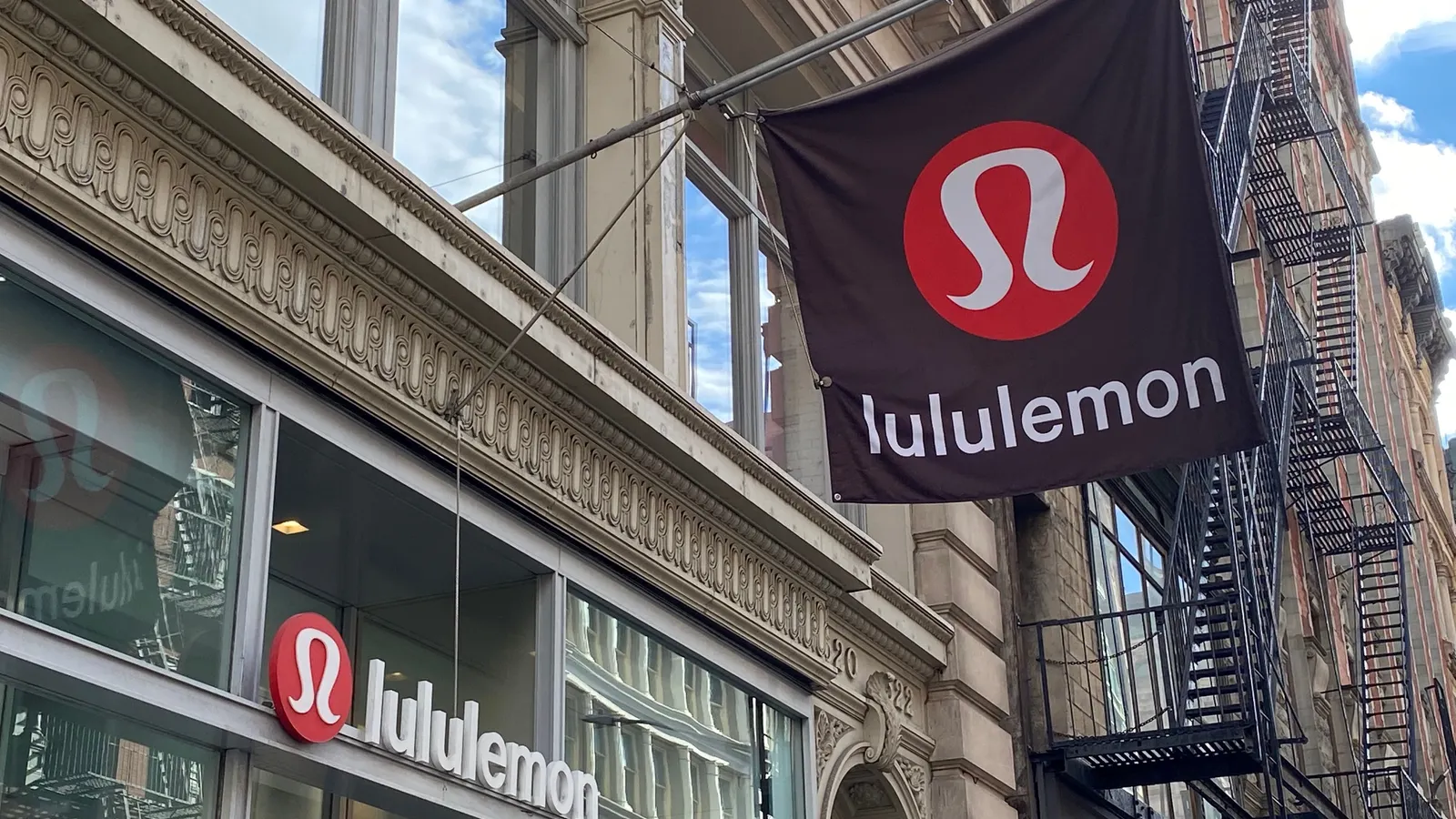
Just one month into her tenure as CEO, Heidi O’Neill has signaled that the era of "business as usual" at Lululemon Athletica is effectively over. In a bold move to reverse a year of deteriorating financial performance and inconsistent product reception, O’Neill announced a comprehensive restructuring of the company’s senior leadership team this Wednesday. The overhaul, which introduces new roles for Chief Operating Officer (COO) and Chief Product Officer (CPO), is designed to pivot the company back to its roots: design, innovation, and an unrelenting focus on product differentiation.
As Lululemon grapples with its most challenging fiscal environment in recent history, the market is watching closely to see if these personnel changes will be enough to stem the tide of falling revenues and shifting consumer sentiment.
The Strategic Shift: Main Facts of the Restructure
The core of O’Neill’s strategy lies in centralizing product design and operational discipline. The most significant appointment is that of Maggie Gauger, the outgoing CEO of Athleta, who will assume the role of Chief Product Officer. In this capacity, Gauger will be responsible for overseeing the entire lifecycle of Lululemon’s offerings, including design, merchandising, and the long-term innovation pipeline.
This restructuring is not merely a change in personnel; it is a fundamental shift in organizational hierarchy. By elevating the product and operating roles to the C-suite, O’Neill is attempting to break down silos that have historically hampered the company’s agility. According to the CEO, the objective is to create "clear accountability" to ensure that every consumer touchpoint—whether in a brick-and-mortar boutique or on the digital storefront—reflects a superior, differentiated product.
However, the team is far from complete. Lululemon is actively recruiting for several other key leadership positions, including a Chief Brand Officer, a Chief Communications Officer, a Chief Technology Officer, and a Chief Strategy Officer, the latter of which will report directly to CFO Meghan Frank.
A Timeline of Turbulence: The Path to the Shake-Up
To understand the necessity of this pivot, one must look at the recent timeline of Lululemon’s decline.
- Early 2024: The company appoints Jonathan Cheung as Global Creative Director, tasking him with revitalizing the brand’s aesthetic and innovation roadmap.
- Spring 2024: The arrival of new collections designed under the current creative leadership fails to ignite the market. Consumer response remains lukewarm, and sales trends begin to soften.
- July 2024: Lululemon records a "worse-ever" 10% decline in constant-dollar comps. The Americas segment, once the bedrock of the company’s growth, reports an 8% revenue drop, with comps down a staggering 12%.
- August 2024: CFO Meghan Frank acknowledges that customer response to new product launches has been "inconsistent," officially sounding the alarm on the company’s ability to meet its quarterly targets.
- September 2024: Heidi O’Neill, one month into her role as CEO, pulls the trigger on a massive C-suite overhaul, signaling a departure from the previous management’s trajectory.
The Analytical Lens: Supporting Data and Market Sentiment
The reception on Wall Street has been, at best, cautious. While analysts acknowledge the necessity of a turnaround, many question whether the specific appointments made by O’Neill are the right fit for a brand currently struggling to maintain its premium luster.
The "Nike-Athleta" Connection
Analysts at William Blair, including Sharon Zackfia and Dylan Carden, pointed out that Maggie Gauger’s track record at Athleta has lacked "tangible success" over the past year. Furthermore, the reliance on executives from Nike and Athleta—two brands that have themselves faced their own performance headwinds—has drawn skepticism.
Neil Saunders, Managing Director at GlobalData, summarized the market’s trepidation: "Having executives from Nike and Athleta at the top makes sense on paper as these people are experienced—but the performance of both of these brands has been far from stunning. There is a great deal to prove in terms of how the new team will deliver."
The Creative Conundrum
Perhaps the most surprising aspect of the restructure is the absence of change in the creative department. William Blair analysts expressed concern that despite the "deteriorating trends," Jonathan Cheung remains in his role as Global Creative Director. Given that the current product assortment—which has been largely panned by consumers—is the direct result of his leadership, many observers wonder if the company has left a weak link in its core engine of growth.
Official Responses and Corporate Philosophy
Heidi O’Neill has framed this restructure as a necessary evolution for a company that has outgrown its previous operational framework. In her official statement, she emphasized that the new leadership structure is built to "raise the bar for our guests across every touchpoint."
The company’s leadership maintains that the goal is not just to "fix" what is broken, but to fundamentally change how Lululemon approaches its pipeline. By placing product and design at the center of the organization, O’Neill hopes to move away from the reactive merchandising that has plagued the brand in recent quarters and toward a more proactive, innovation-led model.
Jefferies analysts, led by Randal Konik, provided a slightly more optimistic outlook, stating that the move "goes after the right problem." They noted that by installing a president-level product leader, the company is finally establishing the accountability required to build a stronger pipeline. However, they were quick to temper expectations: "O’Neill herself said LULU has work to do to become a stronger, more competitive company, and we agree. Still, the path is long."
Implications: What Lies Ahead for the Athleisure Giant?
The road to recovery for Lululemon is fraught with systemic challenges that go beyond simple leadership changes.
1. The Challenge of Lead Times
One of the most significant implications of this restructuring is the "lag time" associated with product development. As noted by analysts, even with a new CPO and a revamped design focus, it will take several seasons for these changes to manifest in the store assortment. Investors should not expect an immediate "V-shaped" recovery; rather, they should look for signs of improvement in the product pipeline over the next 12 to 18 months.
2. Market Saturation and Competition
Lululemon is no longer the sole titan of the athleisure space. The brand is facing intense competition from both legacy players and agile, digitally native startups that have encroached upon its market share. Additionally, the fracturing of the Chinese market—a region that was once considered the brand’s primary growth engine—presents a massive hurdle. If the brand cannot regain its momentum in the Americas while simultaneously stabilizing its international performance, the turnaround will be an uphill battle.
3. The Need for a Clear Strategy
As Neil Saunders pointed out, while a reshuffle is a sensible first step, it is not a strategy in itself. The market is waiting for O’Neill to articulate a coherent long-term vision. What does the "new" Lululemon look like? How will it differentiate itself in a world where technical apparel has become a commodity? These are questions that need to be answered in the coming earnings calls and investor days.
4. The "Fresh Eyes" Advantage
Despite the risks, there is value in the "fresh eyes" that O’Neill is bringing into the building. Matt Powell of BCE Consulting noted that a turnaround, by definition, requires a departure from the status quo. By bringing in outsiders and reallocating executive power, O’Neill is signaling to the board and the shareholders that she is willing to make the difficult decisions necessary to protect the brand’s long-term health.
Conclusion: The Long Road to Redemption
Lululemon is currently in a state of transition that is as much about culture as it is about profit margins. The appointment of a new CPO and COO is a clear acknowledgment that the company’s internal machinery was no longer capable of producing the results expected of a global powerhouse.
The path ahead is undoubtedly long, and the company’s ability to execute on its promises will be tested by a skeptical investor base and a discerning consumer. However, by prioritizing product design and operational discipline, Heidi O’Neill has taken the first, necessary steps toward reclaiming Lululemon’s position as the gold standard of athleisure. Whether this "new direction" will lead to a revitalization of the brand or merely serve as a temporary band-aid remains the defining question for the company’s future. For now, the world of retail waits for the next collection, the next quarterly report, and, most importantly, the next chapter of the Lululemon story.