The debate surrounding core banking modernization has shifted from the theoretical to the existential. For years, financial institutions wrestled with the "if" of digital transformation. Today, that question is moot. The industry is currently locked in a high-stakes race to overhaul antiquated back-end infrastructure without disrupting the seamless, 24/7 services that modern consumers demand.
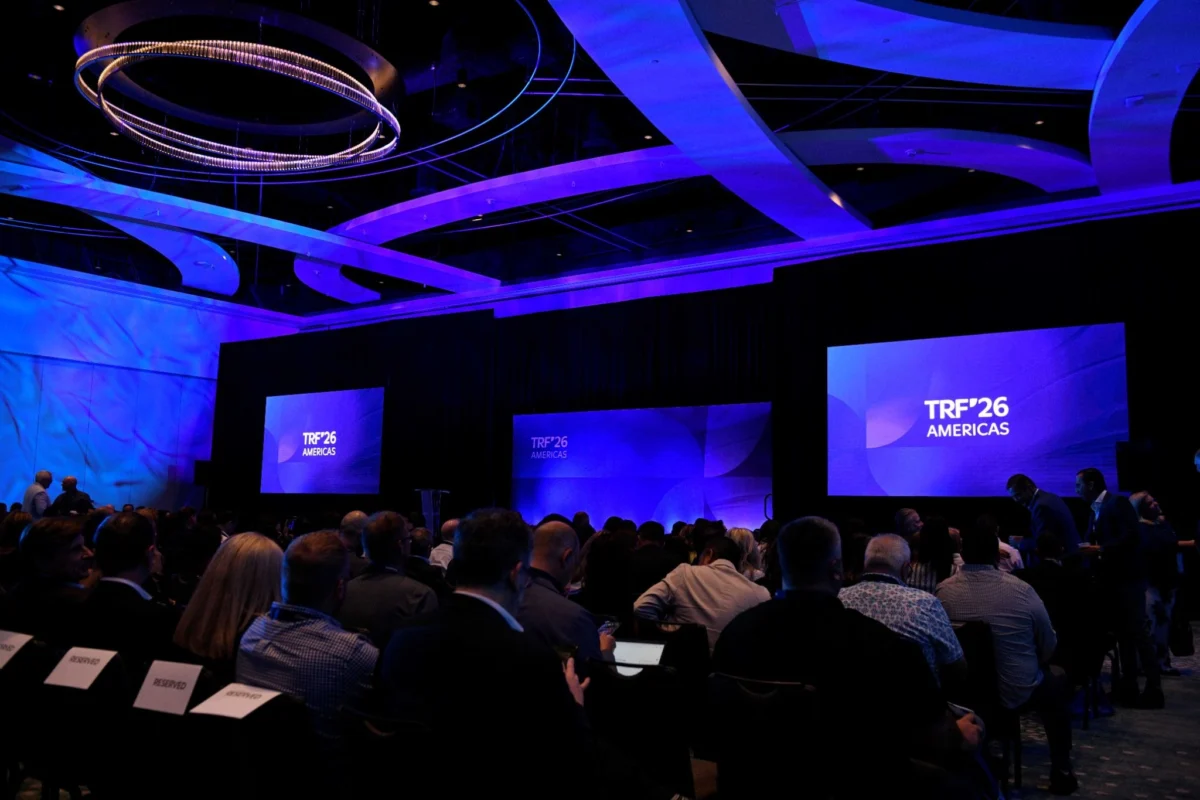
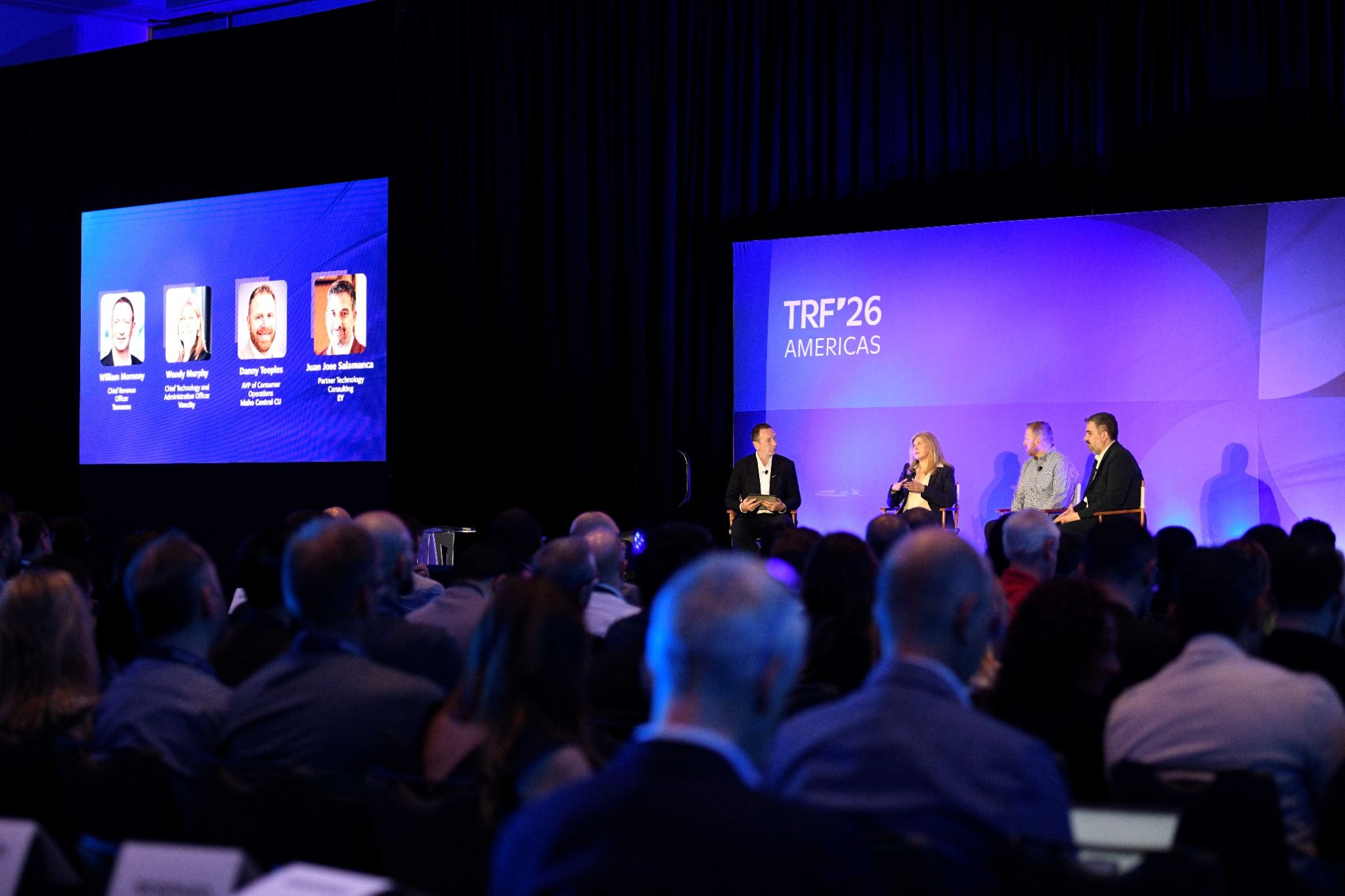
This urgency was the focal point of the Temenos Regional Forum Americas in Orlando, a gathering of over 350 industry leaders, partners, and financial innovators. The prevailing sentiment among attendees was clear: modernization is no longer an IT project—it is a survival mandate.
Main Facts: A Paradigm Shift in Infrastructure
For decades, traditional financial institutions have relied on monolithic, legacy core systems. While these systems are robust, they are inherently rigid, making it difficult for banks to integrate new features or respond to market shifts. The current industry trend is moving away from "rip-and-replace" strategies toward modular, SaaS-based approaches that allow for incremental evolution.
Brian DuVal, President of Temenos, set the tone for the forum by highlighting the shift in executive priorities. "Institutions are no longer debating whether to modernize," DuVal noted. "They are focused on how to do it in a way that accelerates growth, improves customer experiences, and preserves trust."
Recent market activity underscores this transition. Temenos has seen a surge in adoption, evidenced by a leading US regional bank selecting its SaaS platform for corporate banking modernization, and the successful launch of Questrade’s banking business on the Temenos stack. These moves signal a departure from on-premise reliance toward cloud-native agility.
Chronology: From Experimentation to Execution
The path to modern banking has evolved rapidly over the past 24 months:

- 2022–2023: The Theoretical Era. Banking executives spent this period discussing the "possibilities" of AI and cloud migration. The primary focus was on establishing a business case for board approval.
- Early 2024: The Pilot Phase. Banks began small-scale testing of AI applications, primarily in fraud detection and customer service chatbots.
- Late 2024: The Integration Phase. Focus shifted to embedding AI into everyday workflows. Modernization became linked to specific "business outcomes" rather than broad, undefined technology upgrades.
- 2025–Present: The Operational Era. Technology is now expected to deliver measurable ROI. Banks are actively seeking partnerships with hyperscalers like AWS and Microsoft to ensure their infrastructure can scale securely while maintaining the "five-nines" reliability customers expect.
Supporting Data: The "Switchable Middle" and the Trust Gap
The urgency for modernization is driven by a widening gap between what banks provide and what customers expect. Research conducted by Celent for the forum reveals a sobering reality for traditional lenders:
- The Customer Sentiment Crisis: 75% of US consumers report being only "moderately satisfied" or worse with their primary financial institution. Celent labels this segment the "switchable middle"—a massive group of customers who are willing to move their capital if a competitor offers a superior digital experience.
- Retention Challenges: 62% of US banks admit that winning and retaining customers has become significantly harder over the last 12 months.
- The Dissatisfaction Metric: Despite heavy investment in digital banking, 53% of consumers remain dissatisfied with the speed and reliability of payment services, while 39% cite security and fraud protection as primary pain points.
- Investment Mismatch: Perhaps most concerning is that only 4% of banks globally identify "personalization of the customer experience" as their top investment priority, a disconnect that AI is now being tasked to solve.
Official Responses: Redefining Trust in the Digital Age
The concept of "trust" in banking has traditionally been associated with physical branches and vaults. In the digital era, trust has been redefined.
"Trust starts with the basics," DuVal explained. "Payment transactions go through. Accounts are secure. Customers can access their money whenever they need it. The institution performs exactly as expected."
According to the leadership at Temenos, trust is now a three-legged stool consisting of resilience, security, and relevance. It is not enough for a bank to be reliable; it must also be "relevant"—meaning it anticipates customer needs before they are articulated. This is where AI moves from being a buzzword to a functional necessity. By leveraging data analytics, banks can move from a reactive posture (fixing errors) to a proactive one (personalizing financial health advice).
Implications: The Move Toward Business-Outcome Modernization
The implications of this shift are profound for both the C-suite and the consumer. The days of presenting a ten-year technology transformation strategy to a board are over. Today’s leaders are asking, "How do we reduce costs by 15% in the next quarter?" or "How do we shorten our loan approval time from three days to three minutes?"
The Role of the Innovation Hub
The Temenos Innovation Hub in Orlando serves as a microcosm of this industry-wide pivot. Rather than discussing high-level strategy, banks visit the hub with pointed, tactical queries. They are looking to optimize specific "customer journeys" rather than attempting to overhaul every system simultaneously.
AI and the Productivity Imperative
AI is no longer just for the R&D lab. It is being deployed in the trenches:
- Productivity: Automating back-office reconciliation processes.
- Decisioning: Using machine learning to expedite credit underwriting without increasing risk.
- Personalization: Using Gen AI to parse massive datasets to offer bespoke financial products to individual customers at scale.
The Future of Core Banking
The next phase of the banking evolution will be defined by the "value-to-market" ratio. As banks continue to move toward cloud-based core systems, the barrier to entry for challengers decreases, putting even more pressure on incumbents.
For the regional bank or the credit union, the challenge is maintaining the high-touch, human-centric service that has always defined them, while adopting the high-tech infrastructure of a fintech.
"Modernization is no longer a strategy discussion," says DuVal. "It’s a business outcomes discussion."
As we look toward the remainder of the decade, the winners in the financial sector will not be those with the most complex AI models or the newest servers. The winners will be the institutions that successfully bridge the gap between stability and agility. They will be the banks that can evolve their infrastructure without the customer ever feeling the "seams" of that change.
In this new era, success will be measured by the experiences created and the tangible outcomes delivered to the end-user. As the industry continues to integrate AI and cloud-native services into their daily operations, the focus must remain squarely on the customer’s financial life. If the technology serves to make that life simpler, safer, and more productive, the modernization mission will be considered a success. If it creates friction or introduces risk, it will be quickly discarded. The message from Orlando is clear: evolve or stagnate, but do it with the customer’s trust held as the highest currency.