
The Australian startup ecosystem is breathing a cautious sigh of relief this week as the Albanese government, reacting to a firestorm of industry criticism, has significantly backpedaled on the most contentious elements of its proposed capital gains tax (CGT) overhaul.
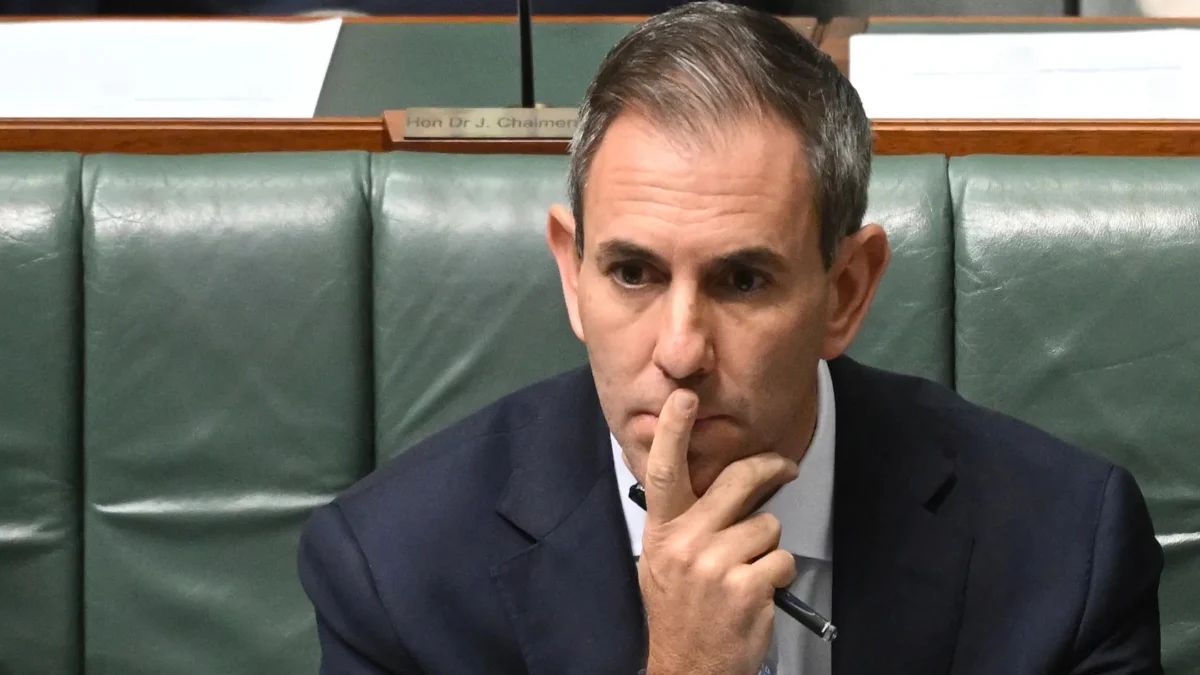
In a move intended to preserve the viability of the nation’s innovation sector, Treasurer Jim Chalmers released exposure draft legislation on Friday detailing the “Innovative Business CGT Concession” (IBCC). The proposal, which follows months of intense lobbying and a series of high-level Senate inquiries, represents a substantial concession to founders, angel investors, and venture capitalists who warned that the government’s original plan risked triggering a "brain drain" and stifling domestic investment.
The Core Adjustments: A Shift in Strategy
The revised framework marks a departure from the restrictive conditions initially tabled by Treasury. Among the most significant changes:
- Holding Period Reduced: The mandatory minimum holding period for shares to qualify for the concession has been slashed from five years to three years, providing investors with greater liquidity and flexibility.
- Removal of the Lifetime Cap: The government has scrapped the controversial $10 million lifetime cap on gains, a measure that had been widely criticized as an arbitrary barrier to the "unicorn" potential of Australian startups.
- Extended Eligibility: The eligibility window for companies has been extended by five years, allowing startups up to 15 years to qualify for the concession, provided they continue to meet innovation criteria and turnover thresholds.
These changes are designed to act as a buffer for the startup sector against the government’s broader CGT reforms, which were announced in the May Budget and have already been signed into law. Those changes, set to take effect on July 1, 2027, will replace the long-standing 50% CGT discount for individuals and trusts with a cost-base indexation model and a 30% minimum tax rate on gains.
A Chronology of Conflict
The path to this week’s exposure draft has been anything but smooth. The tension began in May, when the federal budget signaled a tectonic shift in the tax treatment of long-term investments. By opting to curtail the 25-year-old 50% CGT discount, the government inadvertently created a perception among the startup community that the "innovation economy" was being deprioritized.
The response from the sector was immediate and visceral. Founders—including prominent figures like A Cloud Guru founder Sam Kroonenburg—publicly warned that the tax changes would make it increasingly difficult for startups to remain in Australia, potentially forcing the next generation of tech giants to relocate to more tax-friendly jurisdictions like the United States or Singapore.
Following this backlash, the government attempted to placate the industry with an initial draft of the IBCC. However, that proposal proved to be another flashpoint. By suggesting a 10-year age limit for startups, a rigid five-year holding requirement for investors, and the now-discarded $10 million lifetime gain cap, the government managed only to ignite a second wave of industry frustration. The subsequent Senate hearing and the receipt of nearly 2,000 submissions forced the Treasury back to the drawing board, resulting in the more accommodating framework unveiled this week.
Supporting Data and the R&D Overhaul
While the IBCC is the focal point of the current debate, it exists within a broader legislative package aimed at reconfiguring Australia’s innovation landscape. Treasury estimates that the IBCC will cost the federal budget approximately $160 million over the forward estimates, a figure that the government appears willing to absorb to maintain the "innovation" narrative.
Alongside the IBCC, the government has proposed an ambitious overhaul of the R&D Tax Incentive, set to begin in July 2028. Key features include:
- Increased Thresholds: The turnover threshold for refundable support will be raised to $50 million, broadening the pool of eligible businesses.
- Biotech/Medtech Protections: Recognizing the extended development timelines inherent in life sciences, the government has granted biotech and medtech firms a 15-year eligibility window, exempting them from the standard 10-year limit applied to other sectors.
- Expanded Offsets: The maximum expenditure threshold for the non-refundable offset is set to climb to $200 million, alongside higher incentives for core R&D activities.
The "Innovation" Conundrum: Official and Industry Responses
Despite the concessions, the "devil in the details" remains a primary concern for stakeholders. The central, unanswered question remains: how exactly does the government define a startup as "innovative"?
The Treasury has promised a forthcoming legislative instrument that will allow businesses to self-assess against specific innovation criteria. However, industry leaders are skeptical. Rehan D’Almeida, CEO of FinTech Australia, argues that the current draft, while improved, fails to address the existential uncertainty faced by the sector.
"A tax incentive wrapped in uncertainty is not much of an incentive," D’Almeida remarked. "For fintechs, the Treasury has carried over an existing technology exemption from venture capital rules that has historically been difficult to apply. We are still left wondering where ‘developing technology for financial services’ ends and ‘providing financial services using technology’ begins."
D’Almeida’s concerns highlight a deeper structural issue: the fragility of the IBCC status. Because the eligibility of a company—and by extension, the tax status of its investors—is tied to ongoing compliance with the "predominant activity test," a startup that pivots, changes its management structure, or fails an administrative reporting requirement could inadvertently disqualify its investors from the concession.
Implications: The Risk of the "Safe Harbour"
One of the most nuanced implications of the new draft is its clear bias toward the conventional Venture Capital (VC) model. The proposed "safe harbours"—which favor startups with existing VC backing, those in formal accelerators, or those holding significant intellectual property—effectively penalize "bootstrapped" companies that grow organically without the traditional support structures.
This preference creates a two-tiered system. Companies that follow the well-worn, investor-backed path enjoy a clearer regulatory trajectory, while those that forge their own path may find themselves struggling to prove their "innovative" status to the ATO.
Furthermore, the "fragility" of the tax status is a significant deterrent for angel investors. As D’Almeida noted, asking an investor to commit capital to a high-risk venture is difficult enough; asking them to do so when the tax benefit could disappear "halfway through the journey" due to a clerical error or a business pivot is a hard sell.
Moving Forward: The Consultation Phase
The government is now in the midst of a formal consultation phase, with submissions on the exposure draft open until September 28. For founders and investors, this period is critical. The legislative machinery, including the explanatory memorandum and the draft legislative instrument, will determine whether this policy ultimately succeeds in fostering innovation or merely adds a layer of complexity to an already high-stakes investment environment.
The message from the startup sector is clear: while the government has shown a willingness to listen, the final legislation must provide genuine, long-term certainty. Without it, the "Innovative Business CGT Concession" risks being a well-intentioned policy that fails to translate into the robust, home-grown investment ecosystem that Australia so desperately needs to remain competitive in the global digital economy.
As the industry prepares its final submissions, the eyes of the startup world remain fixed on Canberra. The question remains: will the government refine the fine print to protect the very businesses it claims to support, or will the "pitfalls in the fine print" continue to act as a drag on the nation’s entrepreneurial spirit? The answer will define the trajectory of the Australian startup scene for the next decade.