For millions of American parents and caregivers, the approach of the new school year brings a familiar wave of anxiety. Amidst the flurry of purchasing school supplies, scheduling extracurricular activities, and organizing family logistics, one persistent concern looms large: providing nutritious, reliable meals for their children.
With an endless stream of conflicting health advice circulating on social media and health blogs, the simple act of packing a lunch or selecting groceries has become a complex decision-making process. However, as the industry marks two decades of progress in nutritional transparency, tools like the Guiding Stars program are offering a much-needed lifeline. By simplifying complex dietary data into actionable insights at the point of purchase, these programs are transforming how families interact with their food.
The Vital Role of School Nutrition
Lunch is more than a break in the school day; it is a fundamental pillar of a child’s development. Proper nutrition during these formative years is directly linked to enhanced physical growth, improved cognitive function, and a robust immune system. Recognizing this, the National School Lunch Program (NSLP) remains one of the most critical public health initiatives in the United States, serving approximately 22 million meals daily.
For families navigating food insecurity, the program acts as a vital safety net. Furthermore, a growing movement across the U.S. has seen nine states implement universal free school meals, removing the stigma and financial burden associated with food access. These meals are not only accessible but, according to recent research, often superior in nutritional quality to those packed at home.
Public school meals are held to rigorous standards established by the U.S. Department of Agriculture (USDA). These standards undergo review every five years to ensure they align with the latest dietary science. Recent updates have focused on the "triple threat" of modern dietary concerns: reducing added sugars and sodium while simultaneously increasing the availability of whole grains, fresh produce, and lean proteins.
The "Buy or Bring" Dilemma
Despite the high standards of school-provided meals, the choice between buying lunch at school and packing a lunch from home remains a deeply personal one. A 2024 meta-analysis covering two decades of research revealed a surprising trend: home-packed lunches often struggle to match the nutritional balance of federally regulated school meals.
However, the decision is rarely purely about nutritional statistics. Factors such as a child’s specific medical needs, cultural preferences, budget constraints, and personal autonomy play significant roles. "Ultimately, the decision about whether to bring lunch or eat the school lunch is a family decision," says registered dietitian Kitty Broihier, a member of the Guiding Stars scientific advisory panel. "There are no right or wrong answers."
Many families have found success by adopting a hybrid approach—allowing children to choose specific days to buy school lunch while packing others. This practice fosters autonomy and encourages children to become more comfortable with diverse food environments, a skill that serves them well into adulthood.
Empowering Through Education and Engagement
Involving children in the meal-planning process does more than just lighten the parent’s load; it builds long-term healthy habits. Research, including a widely cited 2018 literature review, suggests that when children participate in grocery shopping and meal preparation, they are more likely to consume fruits and vegetables and develop higher "self-efficacy"—the confidence to make healthy food choices independently.
Yet, for many parents, the grocery store remains an overwhelming landscape. With thousands of products vying for attention, identifying truly nutritious options can feel like searching for a needle in a haystack. This is where point-of-purchase guidance programs have stepped in to bridge the gap between complex labeling and consumer needs.
The Evolution of Nutritional Transparency: The Guiding Stars Model
Celebrating its 20th anniversary in 2026, the Guiding Stars program represents the longest-running on-shelf rating system in the United States. Its longevity is a testament to the growing demand for simplicity in a complicated food market. Available in more than 2,000 grocery stores nationwide, the program acts as an objective guide for busy shoppers.
The Science Behind the Stars
The strength of the Guiding Stars program lies in its independence and scientific rigor. Rather than relying on marketing claims, the system utilizes a patented, data-driven algorithm to evaluate the nutrient density of products. The process is governed by a dedicated scientific advisory panel, ensuring that the criteria for a "star" rating are updated in tandem with evolving international health standards.
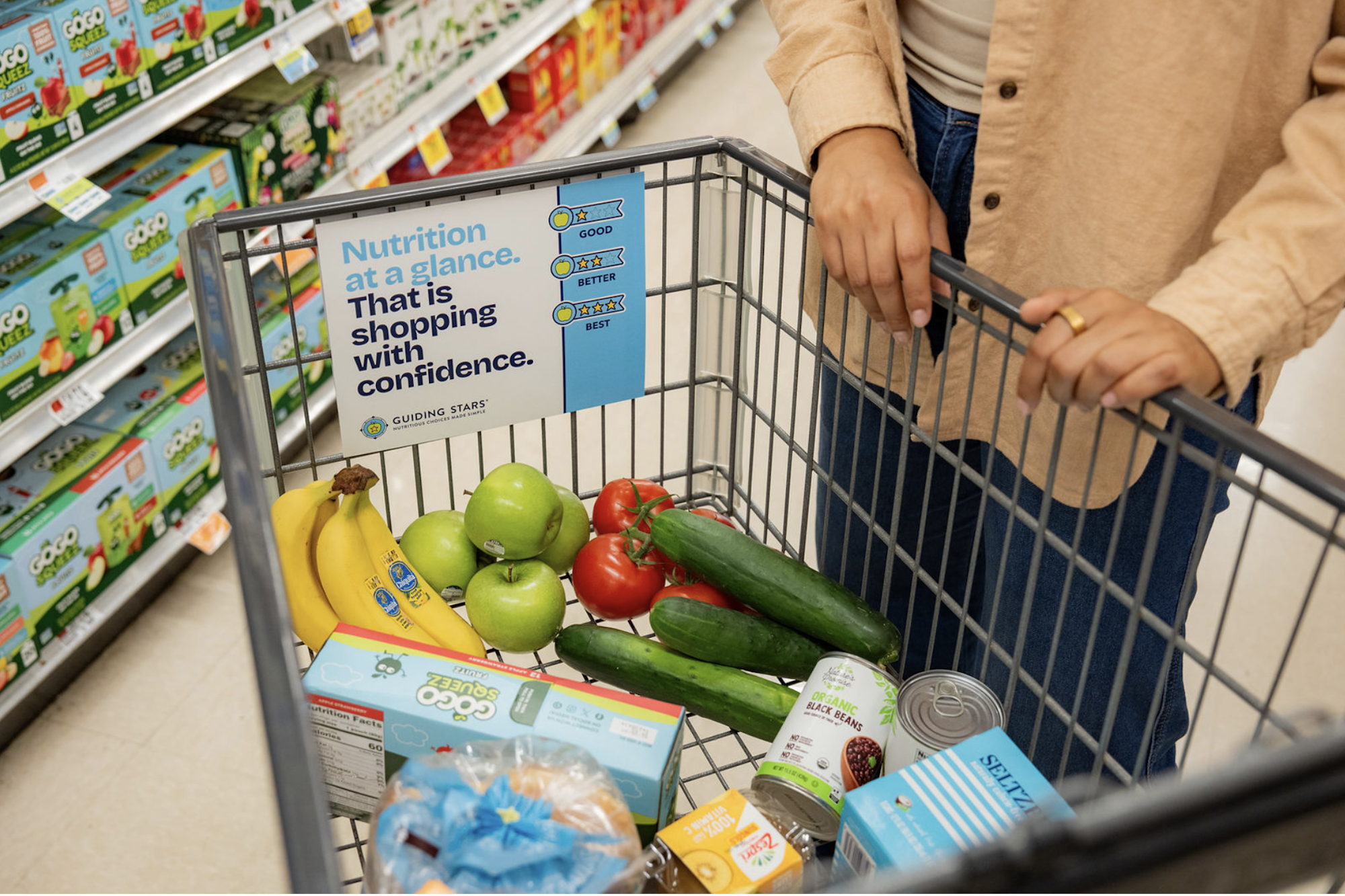
The system focuses on two key vectors:
- Nutrients to Encourage: The algorithm assigns positive points for the presence of fiber, whole grains, vitamins, minerals, and Omega-3 fatty acids.
- Nutrients to Limit: The algorithm subtracts points for ingredients that are generally considered detrimental to health in excess, such as added sugars, saturated fats, chemical preservatives, and artificial dyes.
Products are then awarded zero to three stars:
- One Star: Good nutritional value.
- Two Stars: Better nutritional value.
- Three Stars: Best nutritional value.
This "at-a-glance" system allows a parent rushing through a store after work to instantly identify which cereal, bread, or snack contains the most beneficial nutrients without needing to spend minutes decoding the fine print on a label.
Supporting Data: Does It Work?
The impact of point-of-purchase labeling is not merely anecdotal. Studies conducted in both the United States and Canada have consistently demonstrated that providing clear, simple nutrition guidance directly at the shelf shifts consumer behavior.
When shoppers are provided with a visual shorthand for nutrition, they are statistically more likely to select products with higher nutrient density. This phenomenon is particularly powerful for busy caregivers who prioritize their children’s health but lack the time to conduct deep-dive research into every individual product. By reducing "decision fatigue," programs like Guiding Stars turn the grocery store from a source of stress into a tool for wellness.
Official Perspectives: A Sustainable Future
As the food industry moves toward 2030, the focus on transparency is only expected to grow. Public health experts emphasize that the next phase of nutrition guidance must be multi-channel.
"We are bombarded with more information, more messages, and a wider variety of opinions than ever before," says Broihier. "It is no wonder that it feels next to impossible to sort through it all."
The future of nutrition guidance is increasingly digital. By integrating shelf tags with mobile apps and online shopping platforms, programs are ensuring that whether a parent is in the aisle or browsing from their smartphone, the same evidence-based criteria apply. This consistency is essential for building long-term trust and fostering a healthier generation.
Implications for Public Health
The broader implications of these programs extend far beyond the lunchbox. By educating consumers at the point of sale, these systems contribute to a culture of preventative health. When families consistently choose products with higher fiber and lower added sugars, the cumulative effect on public health outcomes—such as reduced rates of obesity, heart disease, and Type 2 diabetes—can be profound.
Moreover, the success of these programs provides a clear message to food manufacturers: consumers are watching, and they value transparency. As retailers continue to partner with evidence-based guidance systems, the entire marketplace is nudged toward healthier formulations, creating a virtuous cycle where better-for-you products become the default rather than the exception.
Conclusion: Simplifying the Path to Wellness
The back-to-school season is an ideal time to reassess family habits, but it should not be a source of stress. Whether a family relies on the high standards of the National School Lunch Program or chooses to pack homemade meals, the goal remains the same: nourishing children for success.
By leveraging evidence-based tools that cut through the noise, parents can reclaim their time and confidence. As Broihier notes, it is entirely possible to eat well without an excessive expenditure of mental energy. By trusting in simple, science-backed guidance, families can move away from the confusion of nutrition trends and toward a sustainable, healthy, and stress-free future—one grocery trip at a time.