

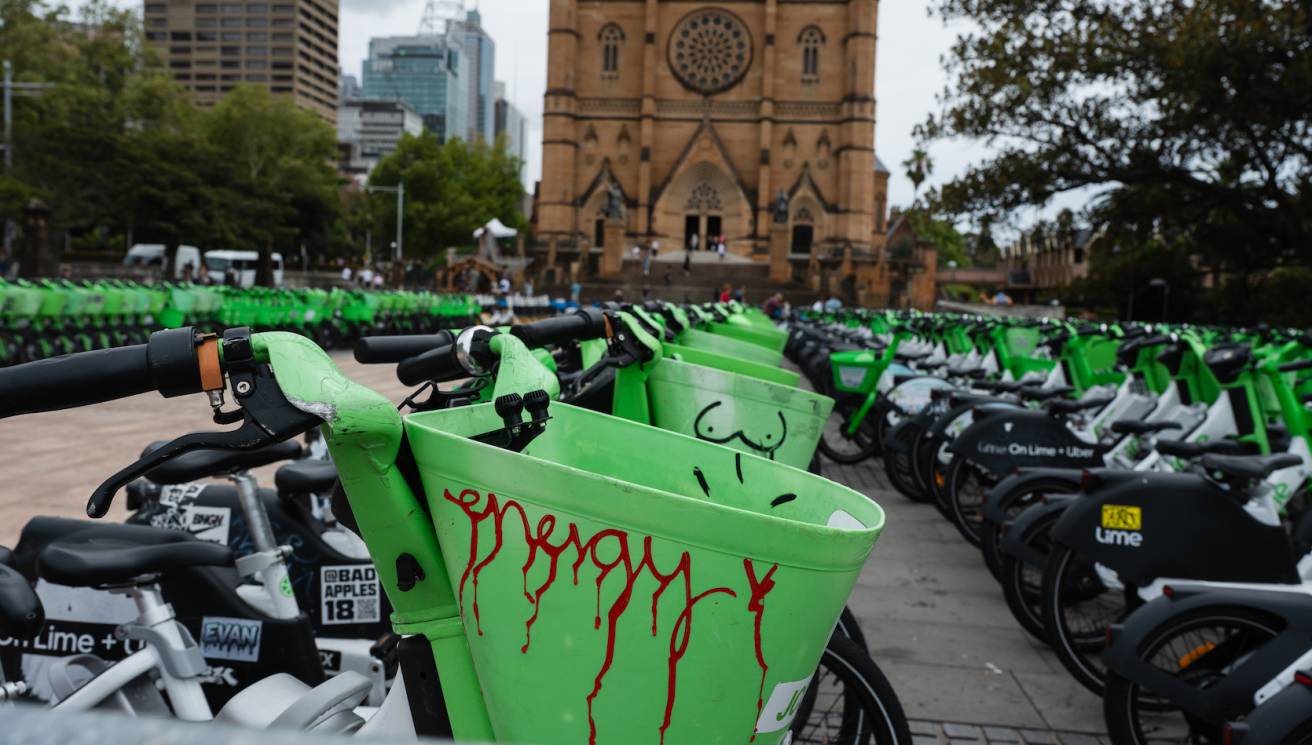
For years, the streets of Sydney and major New South Wales hubs have been defined by a chaotic intersection of micro-mobility and pedestrian traffic. Shared e-bikes, once touted as the sustainable solution to the "last-mile" urban commute, frequently became synonymous with "footpath pollution"—tangled heaps of metal abandoned in front of doorways, blocking accessibility for the elderly, parents with prams, and those with disabilities.
That era of "move fast and break things" effectively ended today. The New South Wales government has officially implemented the state’s first comprehensive, statewide regulatory framework governing shared e-bike operators. With the introduction of mandatory approvals, designated parking zones, and punitive fines reaching $55,000, the "free-for-all" that has characterized the industry for the last decade is finally coming to a close.
The New Regulatory Landscape: A Paradigm Shift
Under the new legislative regime, the days of operators simply dropping hundreds of bicycles onto a street corner and waiting for users to find them are over. The new framework mandates that any company seeking to provide shared micro-mobility services must first secure explicit approval from Transport for NSW (TfNSW).
Beyond state-level authorization, operators are now required to navigate a secondary layer of scrutiny: site-specific approval from local councils or designated land managers. This dual-approval process ensures that municipalities retain control over their public spaces, allowing them to dictate where bikes can be parked and how many are permitted in specific high-traffic zones.
For major players like the Uber-backed Lime, these changes represent a pivot from rapid, unbridled expansion to a more collaborative, permission-based operational model. Failure to comply with these new standards—or negligence in managing their fleet’s footprint—will be met with severe financial penalties, with individual breaches subject to fines of up to $55,000.
Chronology of a Decade-Long Struggle
To understand the necessity of these reforms, one must look back at the chaotic arrival of the "dockless" bike revolution.
- 2017: The Arrival of the Dockless Wave: The first generation of dockless bike-share operators arrived in Sydney with high hopes but little infrastructure. While the concept was popular, the lack of designated parking led to immediate community backlash.
- 2018–2019: The Clutter Crisis: As multiple operators entered the market simultaneously, thousands of bikes were dumped in public spaces. Councils, lacking the legislative teeth to force removal, were left to clean up the mess at the expense of taxpayers.
- 2020: The Pandemic Pivot: COVID-19 saw a temporary dip in usage, but as commuters returned to public transport, the demand for e-bikes surged. However, the operational issues—specifically safety and sidewalk congestion—remained unresolved.
- 2022–2023: Rising Public Discontent: Increasing incidents of pedestrian injuries and complaints regarding inaccessible footpaths prompted the NSW government to launch a formal review into the micro-mobility sector.
- 2024: Legislative Drafting: The state government engaged in extensive consultations with both industry stakeholders and local councils to balance the benefits of green transport with the practicalities of urban management.
- 2025 (Present Day): The Implementation: The new regulations officially take effect, signaling a new era of state-wide oversight and accountability.
Supporting Data: Why Regulation Became Inevitable
The push for regulation was not merely a reaction to aesthetic complaints; it was driven by mounting data regarding urban safety and accessibility. According to recent municipal audits, the top three reasons for resident complaints regarding e-bikes were:
- Impediment to Accessibility: Over 60% of complaints involved bikes blocking paths for mobility-impaired individuals.
- Visual Pollution: Clutter in heritage zones and high-traffic tourist areas.
- Improper Parking: Bikes being left in locations that posed tripping hazards.
Furthermore, economic data suggests that the lack of structure was costing local councils hundreds of thousands of dollars annually in enforcement and impoundment costs. By shifting the burden of "correct parking" onto the operators—who must now utilize GPS-fencing and designated "parking hubs"—the state government aims to normalize the industry while reducing the fiscal strain on local government.
Official Responses and Stakeholder Perspectives
The government’s stance is clear: green energy solutions cannot come at the cost of public safety. A spokesperson for the Minister for Transport emphasized that while the government supports the transition to low-emission transport, "public infrastructure must serve everyone, not just those using a specific app."
"We are not banning e-bikes," the spokesperson noted. "We are simply bringing them into the formal transport network. They will be treated with the same level of expectation regarding safety and logistics as a bus or a train."
Operators, meanwhile, have publicly adopted a conciliatory tone. While the costs of compliance are higher, many industry insiders acknowledge that the "Wild West" era had become unsustainable. A representative from a leading e-bike firm stated: "We want to be a long-term partner in the city’s transport ecosystem. Clearer rules actually provide us with the certainty we need to invest in better hardware and infrastructure, such as dedicated docking stations."
However, some startup advocates suggest that the $55,000 fine threshold is high enough to deter smaller, innovative entrants, potentially entrenching the dominance of global giants like Lime. There is an ongoing dialogue between industry startups and the state government to ensure that the regulatory burden does not stifle innovation in the long run.
The Implications for Sydney’s Future
What does this mean for the average Sydney commuter? In the short term, you can expect to see the introduction of physical or virtual "geofenced" parking zones. Users will likely find that they cannot end their ride until the bike is placed within a designated area, often confirmed by GPS or photo verification within the app.
Improving Urban Flow
By centralizing parking, the city aims to reclaim its footpaths. This is a significant win for urban planners who have long argued that cities should prioritize pedestrian thoroughfare over private corporate storage.
The Rise of Multi-Modal Transport
The new laws are expected to integrate e-bikes more effectively with existing public transport networks. By placing parking hubs near train stations and bus interchanges, the government hopes to create a seamless transition between "long-haul" public transport and "last-mile" personal mobility.
A Template for Australia
New South Wales is effectively acting as the bellwether for the rest of the nation. Other states, currently grappling with their own micro-mobility challenges, are watching the NSW model closely. If the dual-approval system succeeds in reducing complaints while maintaining high ridership, it is likely to be adopted as the national standard for the sector.
Conclusion: A Mature Industry?
The arrival of these regulations marks the transition of the e-bike industry from an experimental "disruptor" to a mature component of the urban fabric. For the companies involved, the mandate is simple: adapt to the city’s rules, or face significant financial consequences. For the residents of Sydney, it promises a return to clearer footpaths and a more organized approach to modern transit.
While the startup sector may feel the sting of increased compliance costs, the overarching goal is a balanced urban environment where the convenience of the digital age does not override the fundamental rights of the pedestrian. The "raptured" bikes of yesterday are being replaced by the organized, managed fleet of tomorrow. It is a necessary evolution, and one that suggests the future of Sydney’s transport is not just greener, but far more orderly.