

By Retail Intelligence Desk
Published August 14, 2026
In a bold move to solidify its position as the preeminent destination for creators and makers, arts and crafts giant Michaels has officially unveiled its third "next-gen" experiential store location in Rogers, Arkansas. This launch marks a critical expansion of the retailer’s strategic pivot, which seeks to transform the traditional big-box craft store into a highly personalized, community-focused hub. By blending analog inspiration with modern digital efficiencies, Michaels is signaling a long-term commitment to redefining the customer journey in a post-digital retail landscape.
The Evolution of the Crafting Giant: Main Facts
The new Rogers location follows the successful pilot launches in Easton, Ohio, and Irving, Texas, representing the blueprint for a nationwide store overhaul. At the heart of this transformation is a total reimagining of the store layout. Rather than the traditional, aisle-heavy approach, these new spaces prioritize "discovery zones."
Key features of this refreshed model include:
- The Michaels Knit & Sew Shop: Occupying a prominent position at the front of the store, this department—which emerged following Michaels’ 2025 acquisition of Joann’s intellectual property—has been fully integrated into the store’s flow, signaling a move to capture the textile and needlecraft market share more aggressively.
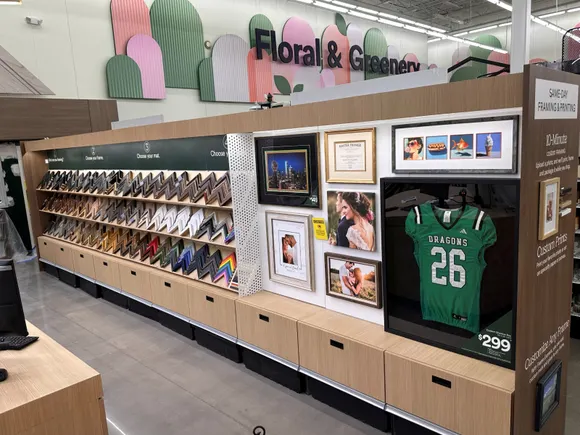
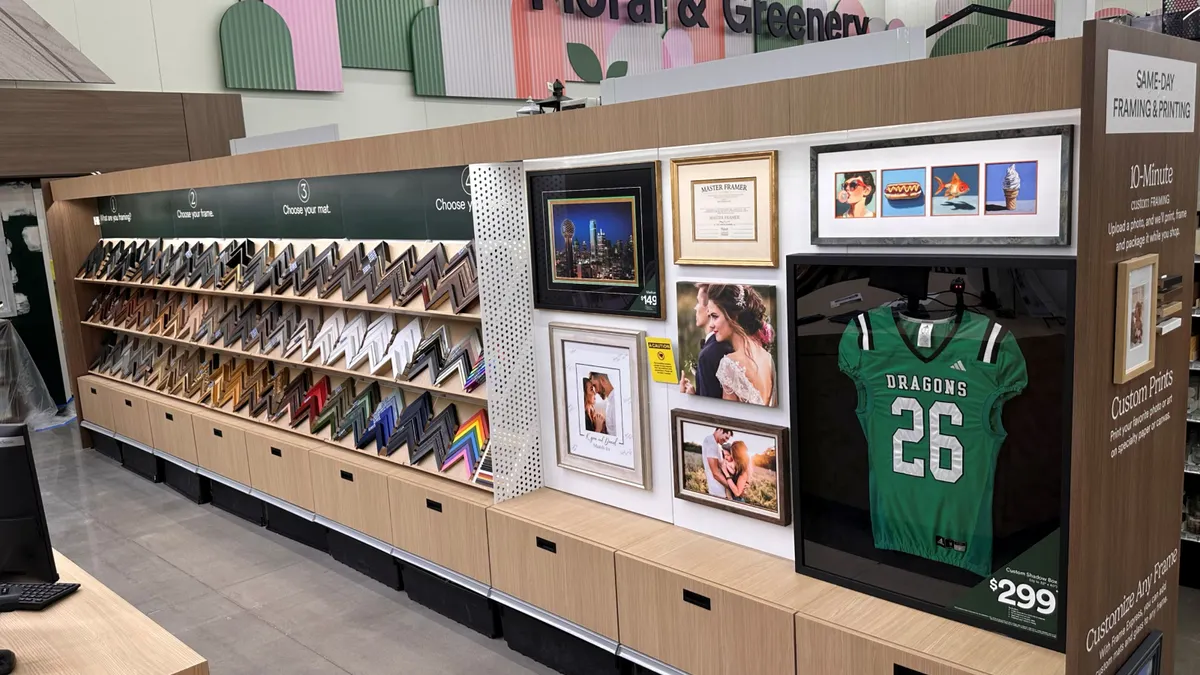
- Enhanced Customization Hubs: The retailer has expanded its framing and personalization services to include on-site embroidery, precision engraving, and bespoke made-to-order sticker production.
- The Welcome Center & Rewards Integration: Recognizing the value of customer loyalty, the stores now feature a dedicated Welcome Center staffed by experts. Crucially, the checkout process has been streamlined with a self-checkout queue reserved exclusively for Michaels Rewards members, reducing friction for the brand’s most frequent shoppers.
- Trend-Centric Curation: The introduction of the "Pinterest Trend Bar" allows the store to highlight products currently dominating social media, bridging the gap between viral digital inspiration and physical execution.
- Unified Florals: A redesigned, consolidated department for artificial florals and greenery has been implemented to simplify the shopping experience for home decor enthusiasts.
A Strategic Chronology: The Road to Transformation
The current trajectory of Michaels’ physical footprint is not an overnight development but the result of a deliberate two-year restructuring strategy.
- Early 2025: Following the high-profile bankruptcy of Party City, Michaels moved to capture the vacant market share by launching a dedicated party shop space. This initiative was designed to establish the brand as a one-stop-shop for balloon arrangements and event decor.
- Mid-2025: Michaels completed the acquisition of key Joann intellectual property, allowing the company to aggressively expand its fabric and sewing catalog. This led to the pilot launch of the "Michaels Knit & Sew" shops.
- Late 2025: The first "Next-Gen" concept stores opened in Easton and Irving, serving as testing grounds for the new layout and customer-service initiatives.
- August 2026: With the opening of the Rogers, Arkansas, location, Michaels confirmed that these concept stores are no longer just experiments but the template for a wider, national rollout plan scheduled throughout the remainder of 2026 and beyond.
Supporting Data and Industry Context
The retail landscape for hobby and craft supplies has shifted dramatically over the past 24 months. The decline of traditional specialty retailers—including the bankruptcy of Party City and the challenges faced by Joann—created a vacuum that Michaels has effectively filled through both organic growth and strategic acquisitions.
Industry analysts suggest that Michaels is leaning into the "analog renaissance." As consumers increasingly suffer from screen fatigue, there has been a measurable uptick in demand for tactile, hands-on hobbies like knitting, embroidery, and custom framing. By investing in physical spaces that offer personalization services that cannot be replicated by e-commerce giants, Michaels is leveraging its physical footprint as a competitive moat.
The integration of the Pinterest Trend Bar is particularly notable. Data indicates that consumers increasingly move from social media discovery to physical store visits within a 48-hour window. By dedicating physical retail space to these trends, Michaels is cutting the "discovery-to-purchase" time significantly.

Official Responses: A Vision for the Future
"Our new stores represent an exciting milestone within Michaels’ broader transformation to redefine the customer journey and become a true destination for creativity and celebration," said David Boone, CEO of Michaels, in a statement accompanying the announcement.
Boone emphasized that the store model is a direct response to customer feedback. "The new format reflects our customers’ desire for more inspiration and hands-on, analog experiences, while providing a space for the local community to connect, create, and celebrate."
Company spokespeople have confirmed that the Rogers location will serve as a lighthouse for future store updates. By observing the flow of traffic around the new Welcome Center and the utilization rates of the self-checkout queues, Michaels intends to refine its operational efficiency before deploying these features to its wider network of stores.
Market Implications and Future Outlook
The implications of this shift are significant for both the retail sector and the crafting community.

For the Consumer
Shoppers should expect a more consultative experience. The move away from a "warehouse" feel toward a "creative studio" feel positions Michaels as an advisor rather than just a supplier. The emphasis on personalization—specifically the engraving and embroidery services—suggests that the retailer is betting heavily on the "giftable" craft market.
For the Retail Sector
Michaels is effectively demonstrating how a legacy retailer can modernize without losing its core identity. By prioritizing its Rewards members with exclusive checkout lanes, the company is also providing a case study in how to incentivize store-brand loyalty in an era where consumers are often price-sensitive and brand-agnostic.
The Road Ahead
As Michaels plans to open additional concept stores throughout the remainder of 2026, the retail industry will be watching closely to see if this "experiential" model can drive sustained foot traffic. If successful, the model could force other retailers in the home improvement and hobby segments to reconsider their own reliance on standard, aisle-based layouts.
The strategy is clear: Michaels is betting that the future of retail is not just about selling a product, but about selling the experience of making. By becoming the place where people not only buy their supplies but also find their next project, receive expert guidance, and access exclusive community perks, Michaels is positioning itself to be more than just a store—it is positioning itself to be an indispensable part of the creative lifestyle.
As the retail calendar moves into the critical Q4 holiday season, the performance of these next-gen stores will likely dictate the speed and scale of the next phase of the Michaels national rollout. For now, the retailer remains on a steady path of expansion, proving that even in a world of digital convenience, the physical, tactile act of creating remains a powerful driver for the modern consumer.