The global plastics industry, long accustomed to the predictability of steady supply chains and surplus inventory, finds itself in the midst of a profound structural shift. As conflict in the Middle East continues to roil the Strait of Hormuz—a vital maritime artery for petrochemicals—market analysts and industry leaders are discarding earlier projections of a swift return to normalcy. Instead, the consensus has shifted: the volatility and price inflation currently plaguing the polyolefin sector are expected to persist well into 2027, regardless of when hostilities officially cease.
A Fractured Market: The Chronology of Disruption
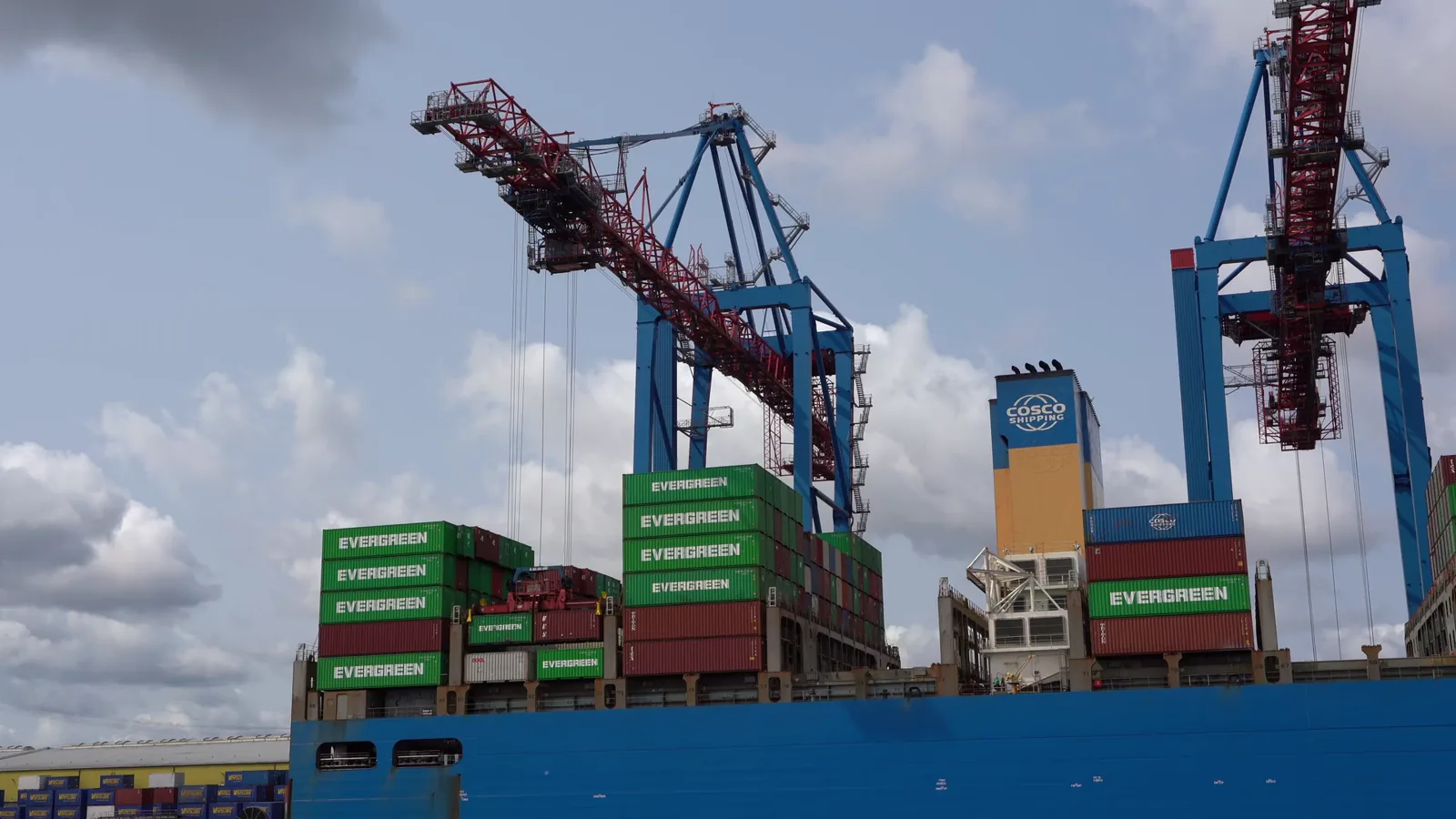
The current crisis began in earnest in March 2026, when escalating tensions led to a precipitous drop in ship activity through the Strait of Hormuz. As a primary conduit for the global movement of polyolefins—the building blocks for everything from food packaging to medical devices—the closure of this maritime bottleneck sent shockwaves through the global economy.
In June 2026, a flicker of optimism emerged when a preliminary ceasefire between the U.S. and Iran was announced. Industry participants hoped for a rapid normalization of trade routes and a softening of the price spikes that had plagued the spring season. However, that relief proved to be short-lived. By July, the ceasefire had collapsed, and renewed bombing campaigns effectively shuttered the route once again.
Data from PortWatch indicates that current ship movement through the Strait remains at the depressed levels observed during the early spring crisis. This "stop-start" pattern of recovery has prevented the market from finding a reliable floor, forcing converters and manufacturers to abandon their inventory replenishment strategies in favor of a defensive, risk-averse approach.
Supporting Data: The Scale of the Supply Shock
The impact of the conflict is not merely a temporary logistical hurdle; it is a fundamental reduction in global capacity. According to Esteban Sagel, principal and CEO at Chemical and Polymer Market Consultants, the disruption has effectively removed significant volumes of material from the global market.
"Middle Eastern polyethylene (PE) exports have decreased by approximately 9.1 million metric tons on an annualized basis," Sagel noted. To put this figure in perspective, it is equivalent to the total output of 18 global-scale production facilities being taken offline simultaneously. A similar, though slightly less severe, impact has been observed in the polypropylene market, which has seen a reduction of roughly 3 million metric tons in annual capacity.
This massive contraction in supply has had a direct correlation with the price of crude oil, which hit a two-month high in July. Because naphtha—a key feedstock for global polyethylene production—is derived from petroleum, the surge in oil prices has created a compounding effect for plastics producers.
In a recent second-quarter earnings report, industry giant Dow noted a 30% year-over-year local price increase within its Packaging & Specialty Plastics division. Remarkably, this price hike occurred even as volumes dropped by 4%. Dow executives have explicitly signaled to shareholders that the conflict in the Middle East provides a justification for further price adjustments, effectively shielding the company’s margins from the inflationary pressures of the broader supply chain crisis.
The Structural Vulnerability of Global Procurement
Jim Owen, a senior packaging and logistics analyst at Rabobank, argues that the current crisis is the culmination of three decades of flawed strategic investment. "For thirty years, the industry has prioritized low-cost resin production, concentrating massive investments in the Middle East, China, and the U.S.," Owen explained. This created a structural oversupply that made the Strait of Hormuz a critical choke point, a risk that many procurement officers ignored during periods of market stability.
"Procurement’s memory is short," Owen remarked, noting that cost-conscious purchasing strategies often blinded companies to the fragility of their supply chains. Now, the reality has set in: there are ships stranded in ports, containers of resin that cannot be moved, and production facilities that have sustained physical damage.
For many U.S. packaging converters, the misconception that domestic sourcing would provide a safety net has been shattered. Because resin is a global commodity, domestic prices are inextricably linked to the global supply-demand balance. Even those who rely on U.S.-produced ethane-based resin have been unable to escape the price hikes, as the international shortfall creates upward pressure on all domestic market pricing.
The Rise of Recycled Resins: A Strategic Pivot
The prolonged vulnerability of virgin plastics has inadvertently accelerated the transition toward recycled resins. While recycled materials have historically been more expensive, the gap is narrowing as virgin prices remain at elevated levels.
Corbin Olson, a senior analyst for plastics recycling at ICIS, suggests that the conflict has served as an unintended stress test for the circular economy. "The war has demonstrated that recycled plastics can serve as a regional supply source during periods of global market uncertainty," Olson said.
However, the adoption of recycled material is far from uniform. In Europe and Asia, where supply chains are more directly exposed to Middle Eastern disruptions, converters have moved aggressively toward recycled alternatives. In the United States, however, demand for recycled resins has remained relatively flat.
"Many converters in the U.S. continue to prioritize material consistency and supply reliability over cost," Olson explained. Furthermore, the U.S. faces persistent structural challenges regarding the collection, sorting, and processing of post-consumer waste, which limits the ability of the domestic recycling industry to scale up quickly enough to fill the void left by virgin producers.
While recycled PET markets are relatively mature, the polyolefin recycling sector is still maturing and remains more susceptible to the fluctuations of the virgin market. Despite this, experts expect that the "new normal" for plastics will involve a higher degree of recycled integration as companies seek to insulate themselves from future geopolitical shocks.
Implications: A Shift in Market Power
The overarching theme for the next eighteen months is the transition from a buyer’s market to a seller’s market. For years, an abundance of cheap plastic allowed converters to dictate terms. That era has ended. As production remains constrained and infrastructure repairs in the Middle East drag on, pricing power has shifted decisively back to the producers.
The price destruction caused by the 2026 spikes has forced many businesses to rethink their packaging strategies entirely. Some have down-gauged their materials, while others have explored non-plastic alternatives to reduce their reliance on volatile resin markets.
When asked about the path forward, analysts are unanimous in their pessimism regarding a near-term correction. The original hope for a Q4 2026 stabilization has been abandoned. "2027 is looking to be the more expected normalization timeline," said Olson. Even then, the industry should not expect a return to pre-conflict price floors. "We expect a gradual price decrease for many markets, but the new price floors will be significantly higher than they were prior to the conflict."
For the plastics industry, the lesson of 2026 is clear: the era of "just-in-time" global reliance has met its match in the reality of geopolitical instability. Manufacturers, converters, and brands alike are now entering a period of prolonged adjustment, where resilience, rather than cost-minimization, will define the successful players in the global polyolefin market. The road to 2027 will be defined by higher costs, tighter margins, and a fundamental reconfiguration of where and how the world sources its plastic materials.