In the hyper-competitive landscape of Software as a Service (SaaS), the battle for market dominance is rarely won by the product with the most features. Instead, it is won by the product that best bridges the gap between a user’s initial signup and their first "Aha!" moment. User onboarding—the structured process of guiding a new user toward meaningful product value—has transitioned from a simple "welcome tour" into a critical business lever that dictates activation, retention, and long-term revenue.
Effective onboarding is not a singular event; it is a holistic synchronization of in-app guidance, educational resources, human support, and operational workflows. As modern businesses look to scale, the challenge lies in balancing the efficiency of automation with the efficacy of human-led, "concierge" support.

The Strategic Imperative: Why Onboarding Defines Success
The impact of onboarding extends far beyond the first week of a user’s lifecycle. It is the foundation upon which customer retention is built. When a user fails to find value quickly, they churn; when they find it, they become long-term advocates.
The Compounding Effect: Insights from HubSpot
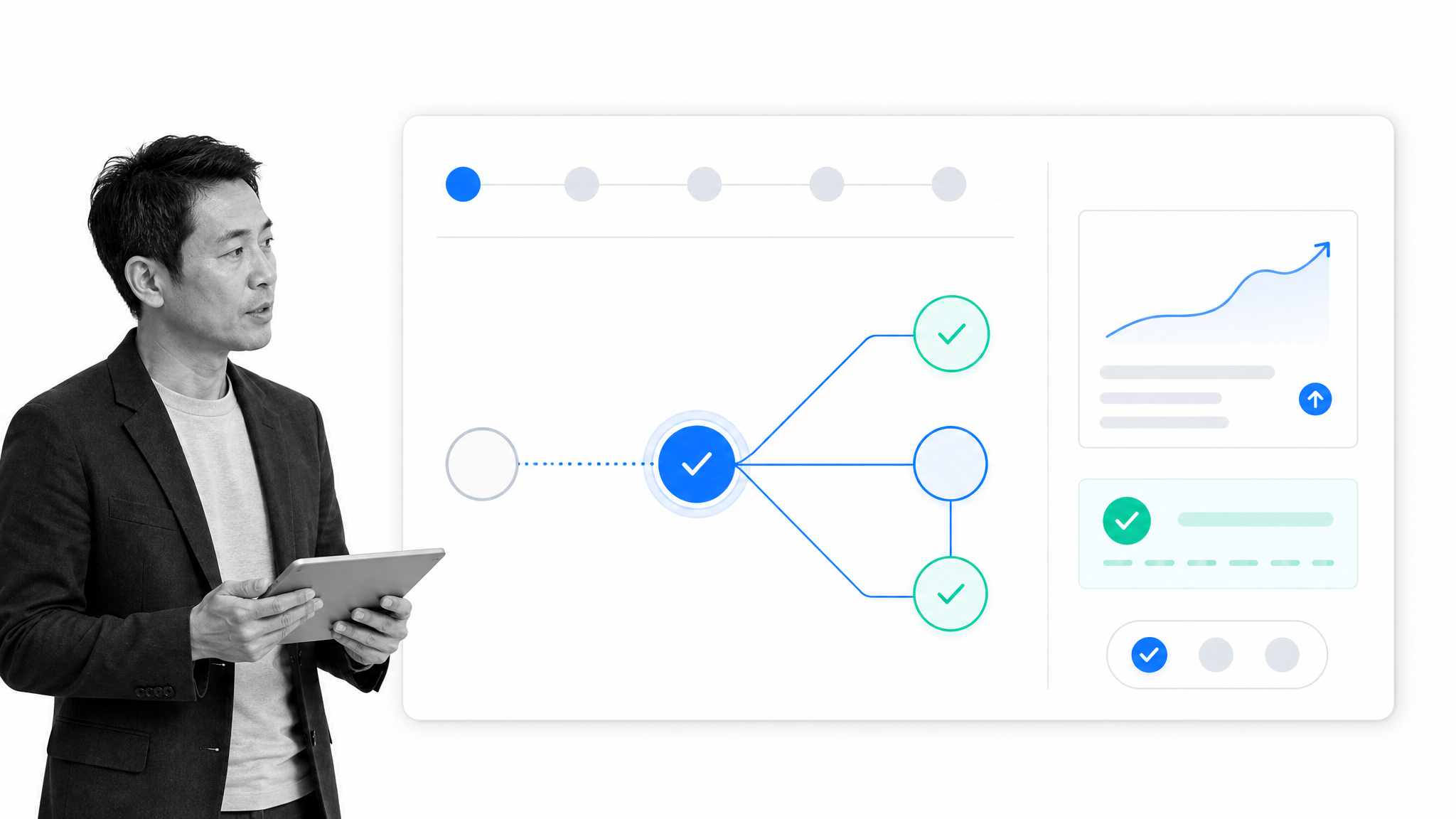
The math behind onboarding is stark. Dan Wolchonok, a product manager at HubSpot, famously illustrated that minor improvements in initial onboarding generate exponential gains by the end of the first quarter. By refining the onboarding process for their Sidekick product, HubSpot saw Week 1 retention jump from the 60% range to 75%. Crucially, this gain held steady, resulting in a 25% retention rate by Week 10—a massive improvement over the original 10-15% benchmark. This proves that onboarding is not just about getting users through the door; it is about compounding their engagement over time.
The "Hook" Model: Facebook’s Activation Discovery
Facebook’s growth team similarly identified that long-term engagement was tied to specific, early-stage behaviors. Their internal data revealed that users who added seven friends within their first 10 days were significantly more likely to remain active for years. This realization shifted the entire company’s strategy: instead of focusing on generic growth, every team aligned to ensure new users hit that "seven-friend" threshold. This lesson remains the gold standard for product-led growth: identify the core action that leads to long-term value, and optimize every onboarding step to drive users toward it.
The Spectrum of Onboarding: Automated vs. Concierge
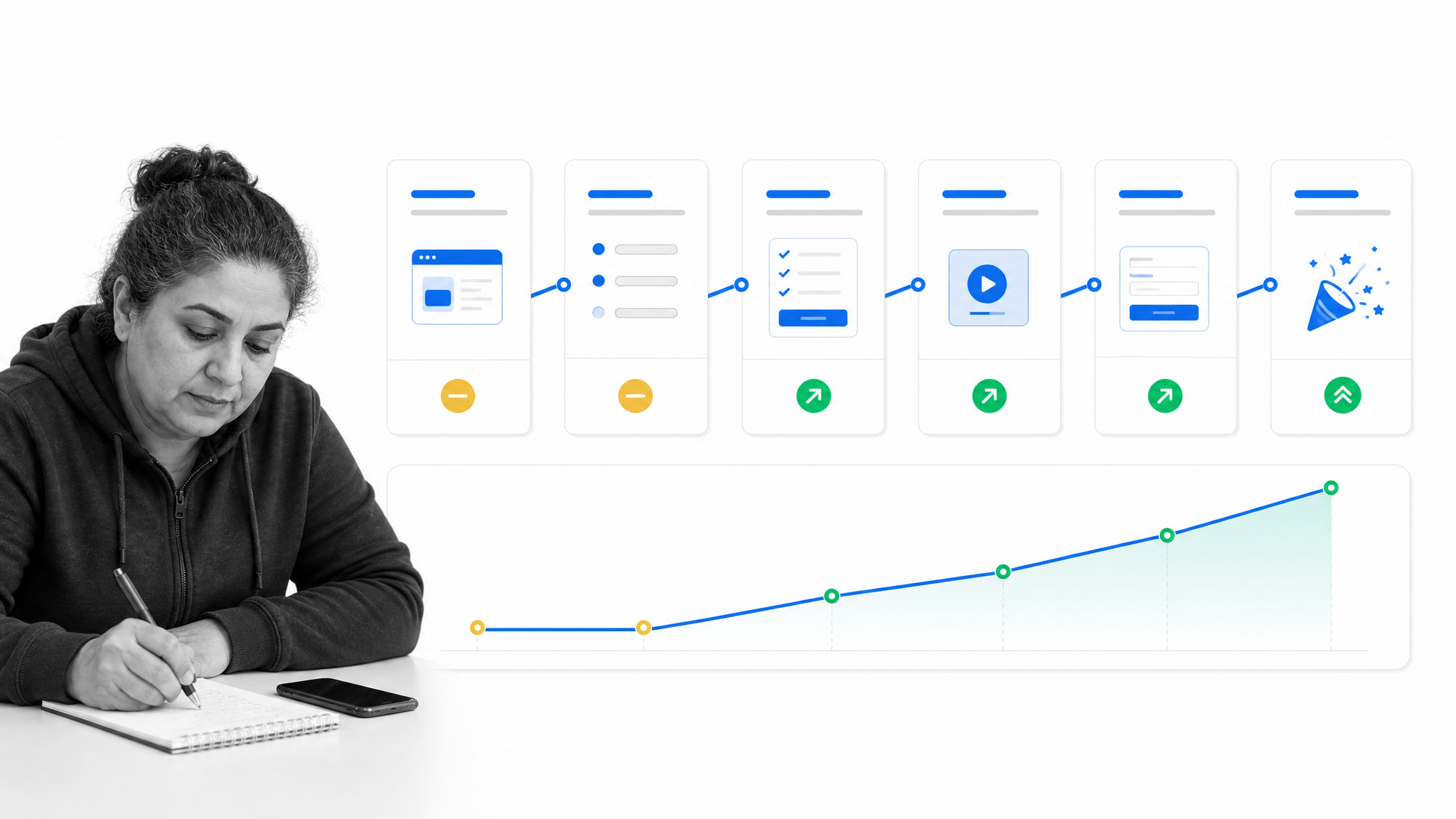
Broadly, onboarding strategies fall along a spectrum. At one end sits Automated Onboarding, ideal for high-volume, low-cost consumer platforms like Twitter or Slack. This relies on instructional videos, tooltips, and self-service tours. It is scalable and efficient, allowing the product to "teach itself."
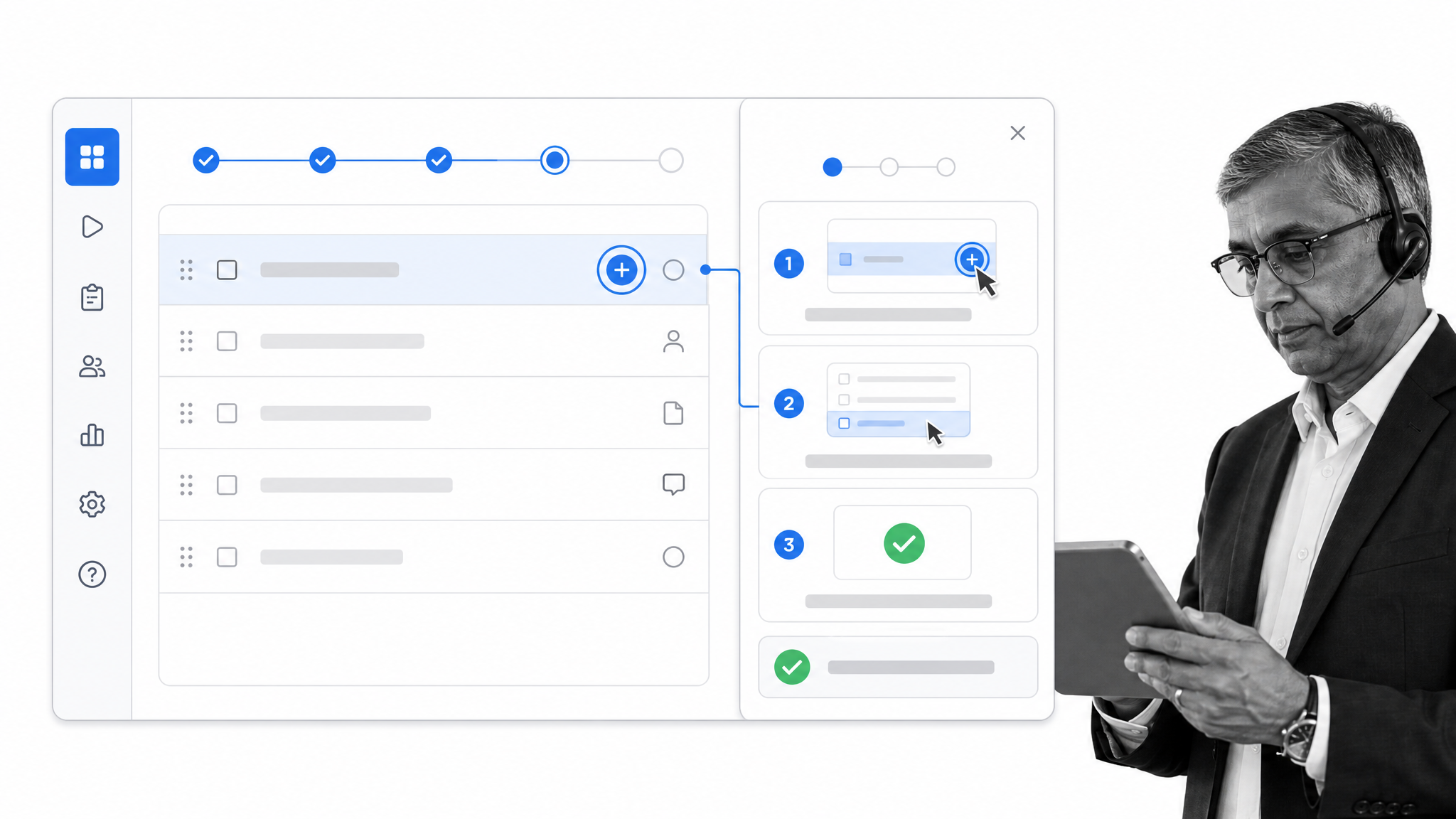
At the other end is Concierge Onboarding. Here, customer success or sales representatives guide the user personally. This is common in high-touch B2B enterprise sales where the Lifetime Value (LTV) of a single customer justifies the cost of human interaction.
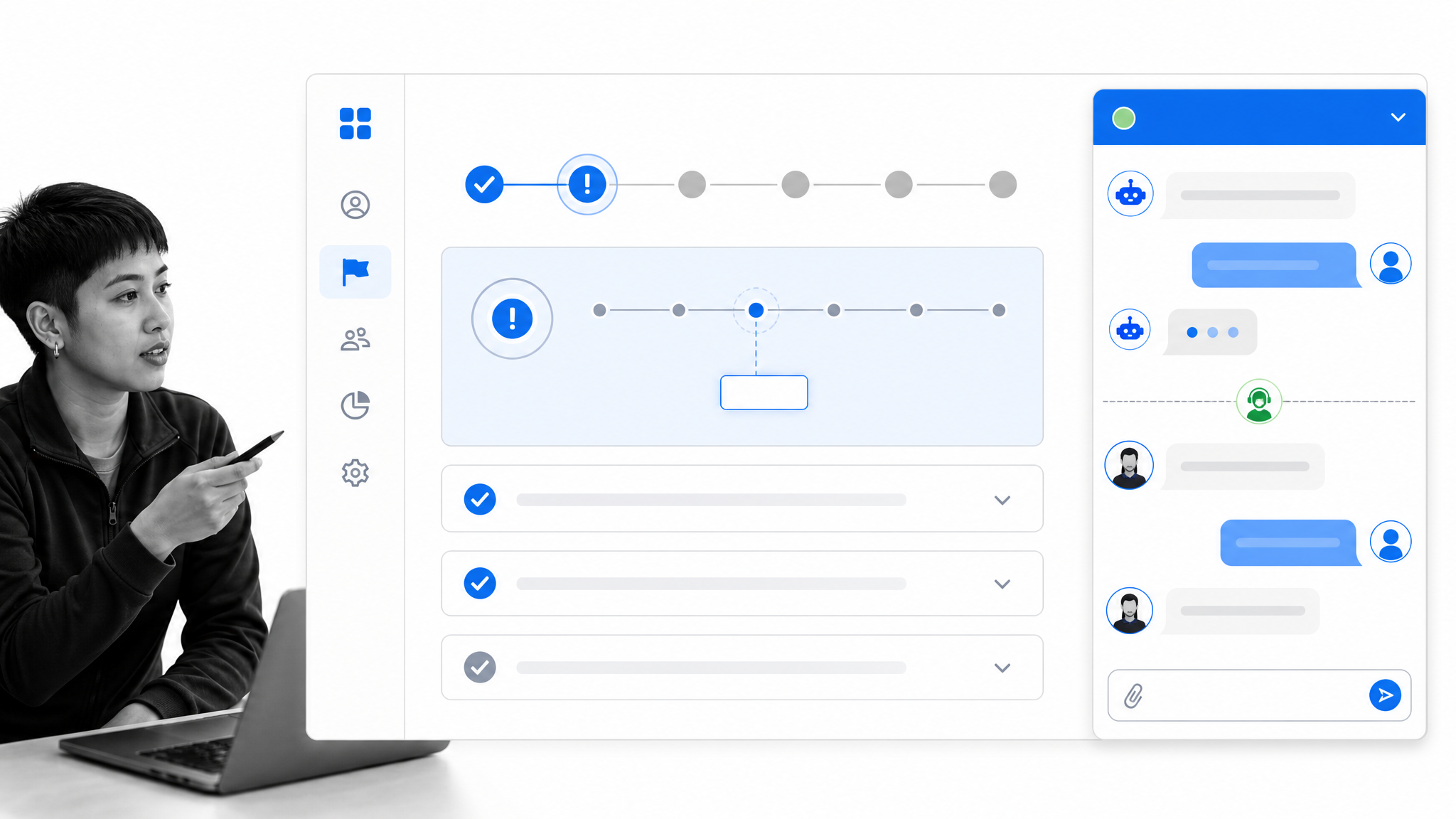
Most successful modern companies occupy the middle ground: a Hybrid Model. They use automated, self-service tools for freemium users to keep acquisition costs low, while reserving high-touch, concierge onboarding for enterprise accounts or high-intent leads identified through behavioral data.
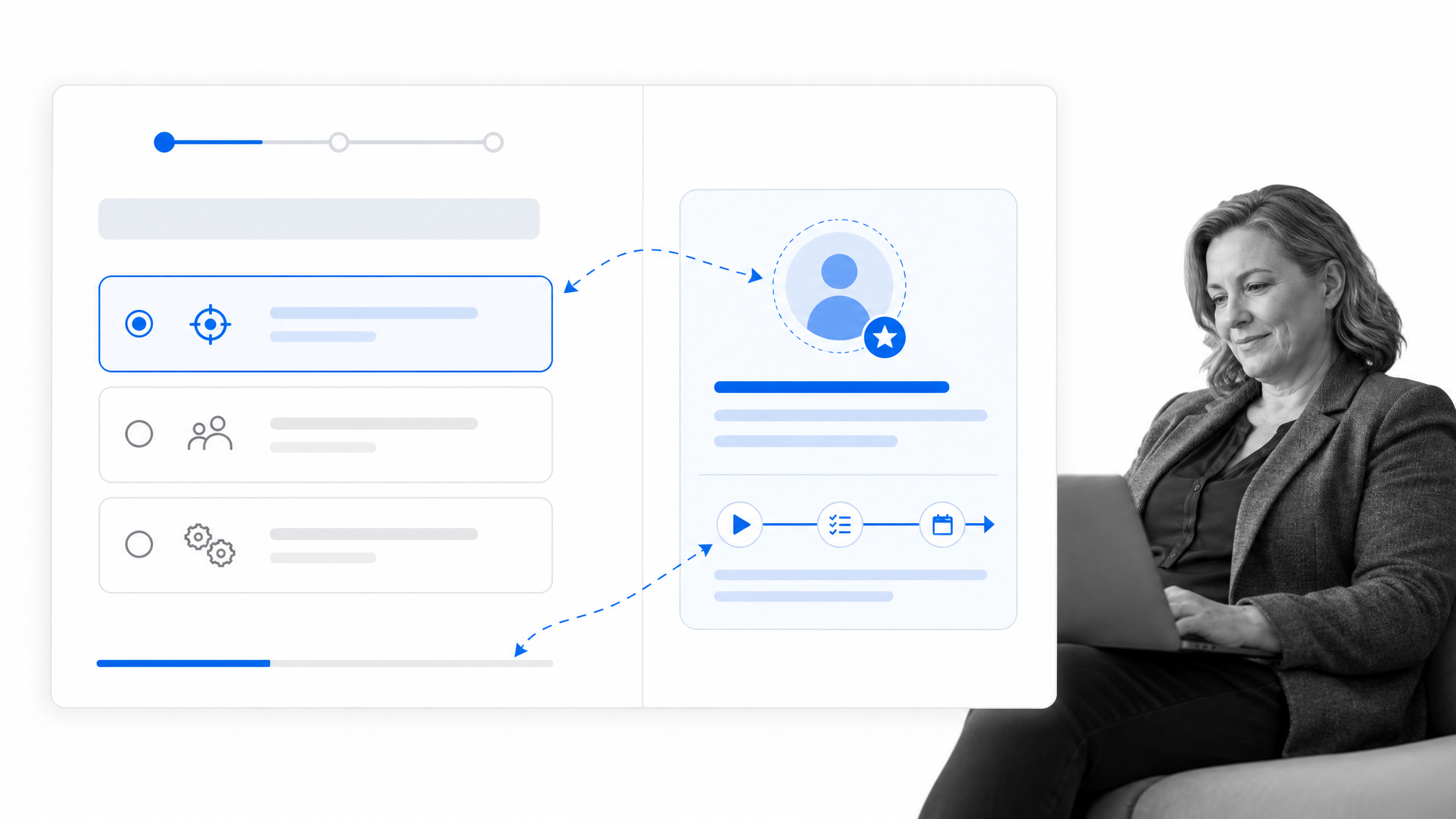
Chronology of a Transformation: Sujan Patel’s Nine-Month Journey
The evolution of ContentMarketer.io (later rebranded to Mailshake) serves as a masterclass in iterative onboarding. Over nine months, founder Sujan Patel conducted six distinct experiments to build a sustainable, revenue-generating engine.
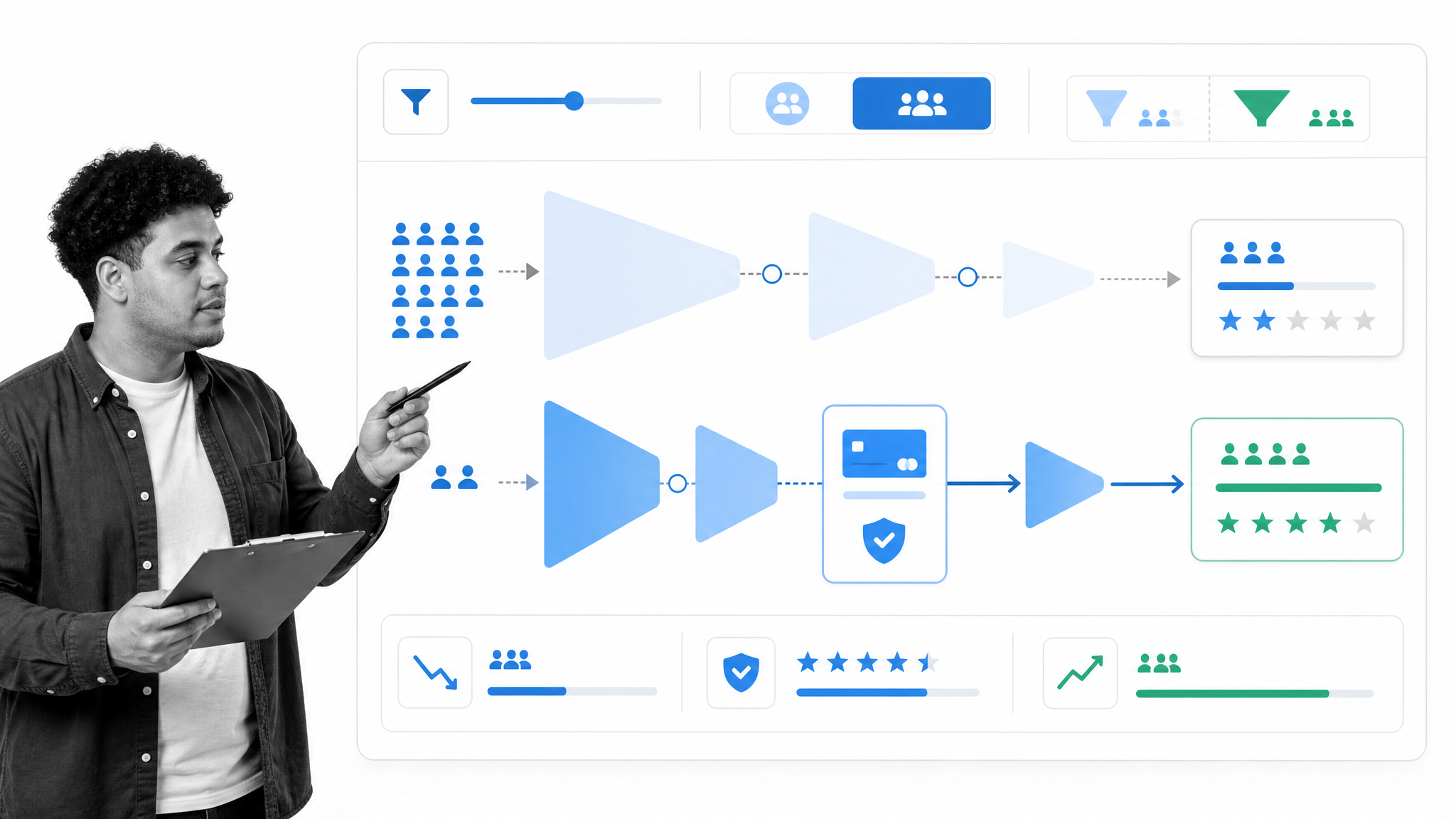
- Educational Guides: Patel began by creating "how-to" guides to help users navigate the interface. While this increased weekly active users by 15%, it failed to move the needle on trial-to-paid conversions.
- Manual Onboarding: Shifting to a concierge approach, Patel manually reached out to users. This yielded a 55% conversion rate for those he spoke with, proving the power of human contact.
- Live Chat Prompts: To scale the human touch, he implemented aggressive live chat prompts. This drove a 50% increase in revenue, lifting conversion rates from 3% to 4.5%.
- Questionnaire-Driven Onboarding: By asking users about their goals during signup, Patel realized 50% of users didn’t understand the product, while the other 50% had unrealistic expectations. He used this to refine his messaging.
- The Credit Card Gate: To stop wasting resources on "window shoppers," he required credit cards at signup. Leads dropped from 350 to 100, but paid customers nearly doubled, allowing the team to focus on high-intent users.
- Eliminating Free Trials: Finally, confident in the product’s value, Patel removed the free trial entirely. This forced users to commit, resulting in an all-time high of 30-35 new customers per month.
Implementing the Concierge Framework: The GROW Method
For those looking to implement a concierge strategy, industry expert Kevin Dewalt advocates for a structured, four-step approach:
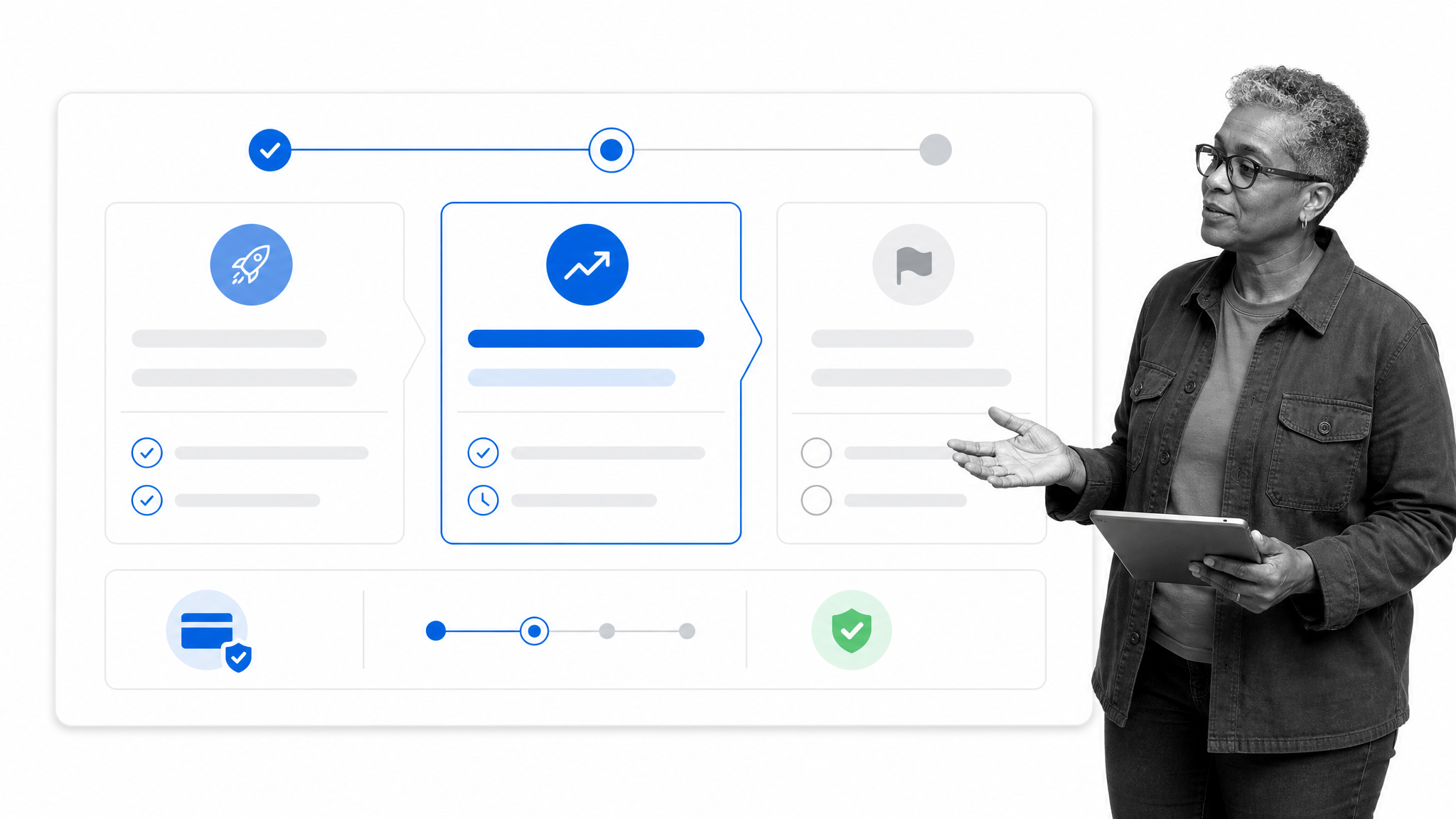
- Analyze Signups: Review the last 10 trials. Determine who they are, why they signed up, and where they stalled.
- The Personal Outreach: Send hand-crafted, non-automated emails. Mention specific details to prove you’ve done your research.
- The GROW Method: Utilize a structured call format:
- G (Goal): What is the user trying to achieve?
- R (Reality): What is their current situation or barrier?
- O (Options): What steps can we take to bridge the gap?
- W (Will): What is the commitment to move forward?
- Measure and Document: Transcribe calls and document the process in a centralized system to ensure consistency across the team.
Operationalizing Success: The Role of Compliance and Documentation
Onboarding is a cross-departmental effort. When product, sales, and marketing teams operate in silos, the customer experience becomes fragmented.
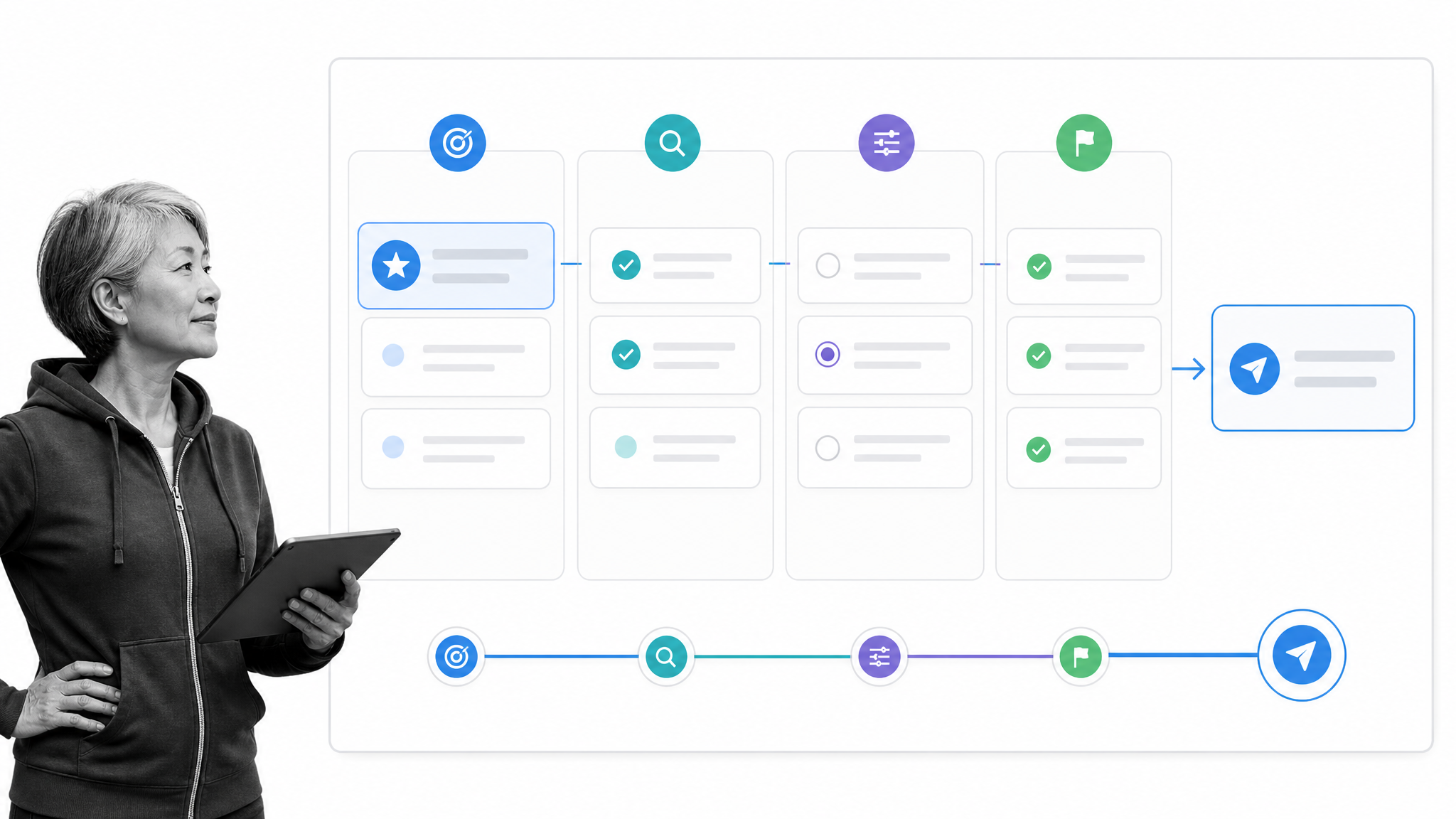
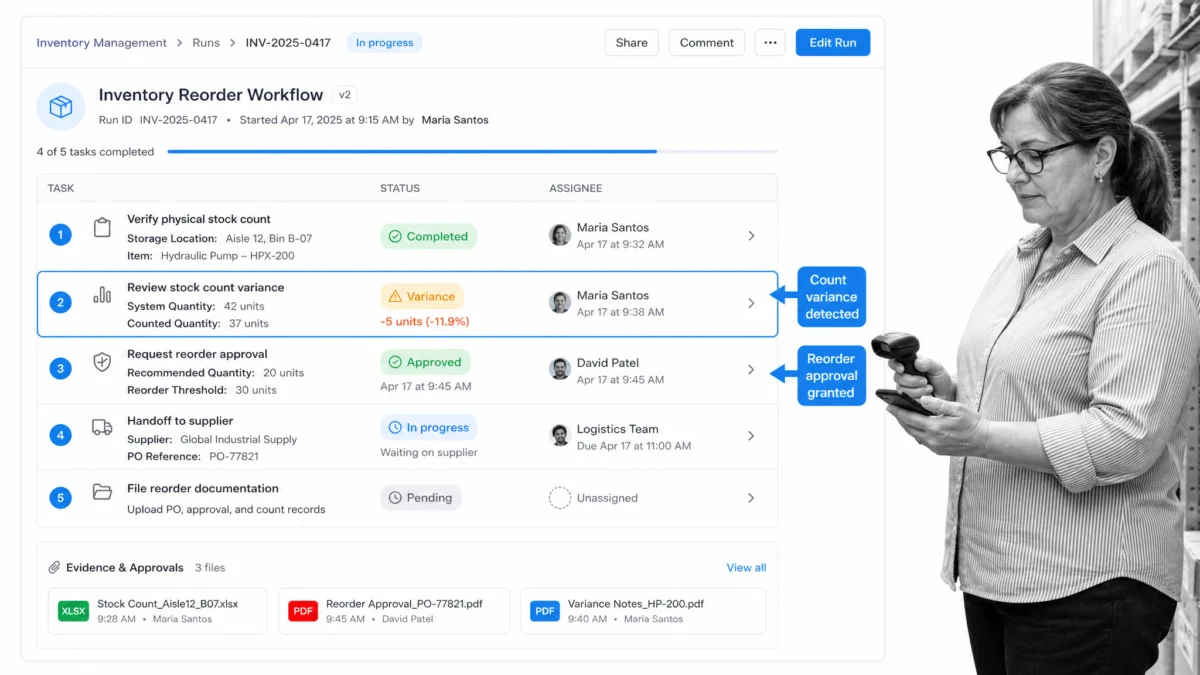
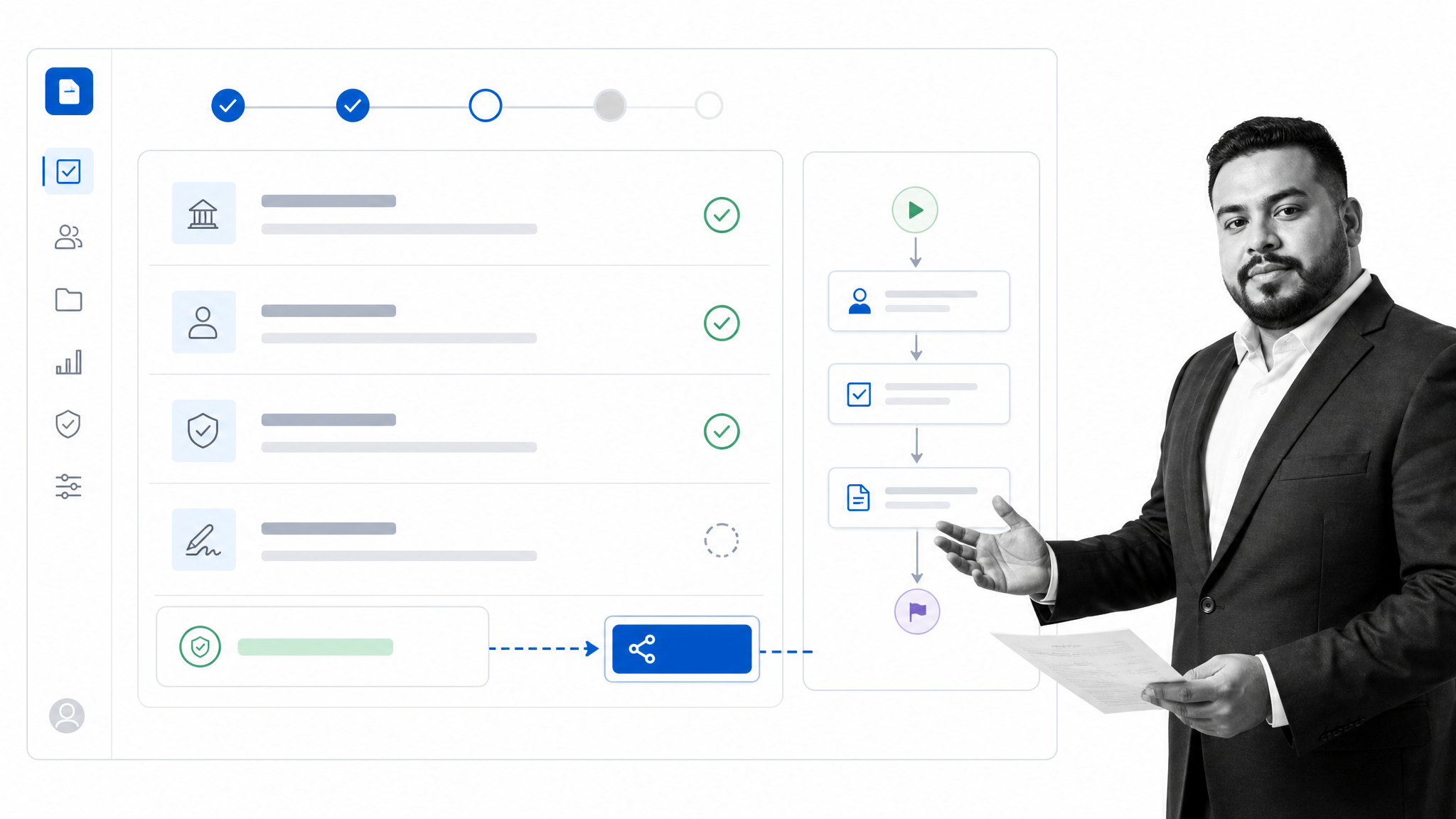
Platforms like Process Street have emerged as vital tools to connect these silos. By using "Docs," teams can create a single source of truth for onboarding playbooks, while "Ops" allows them to track milestones and trigger automated workflows based on real-time user behavior. This ensures that when a high-value client reaches a specific stage, the right team member is notified immediately.
Nine Essential Tools for the Onboarding Stack
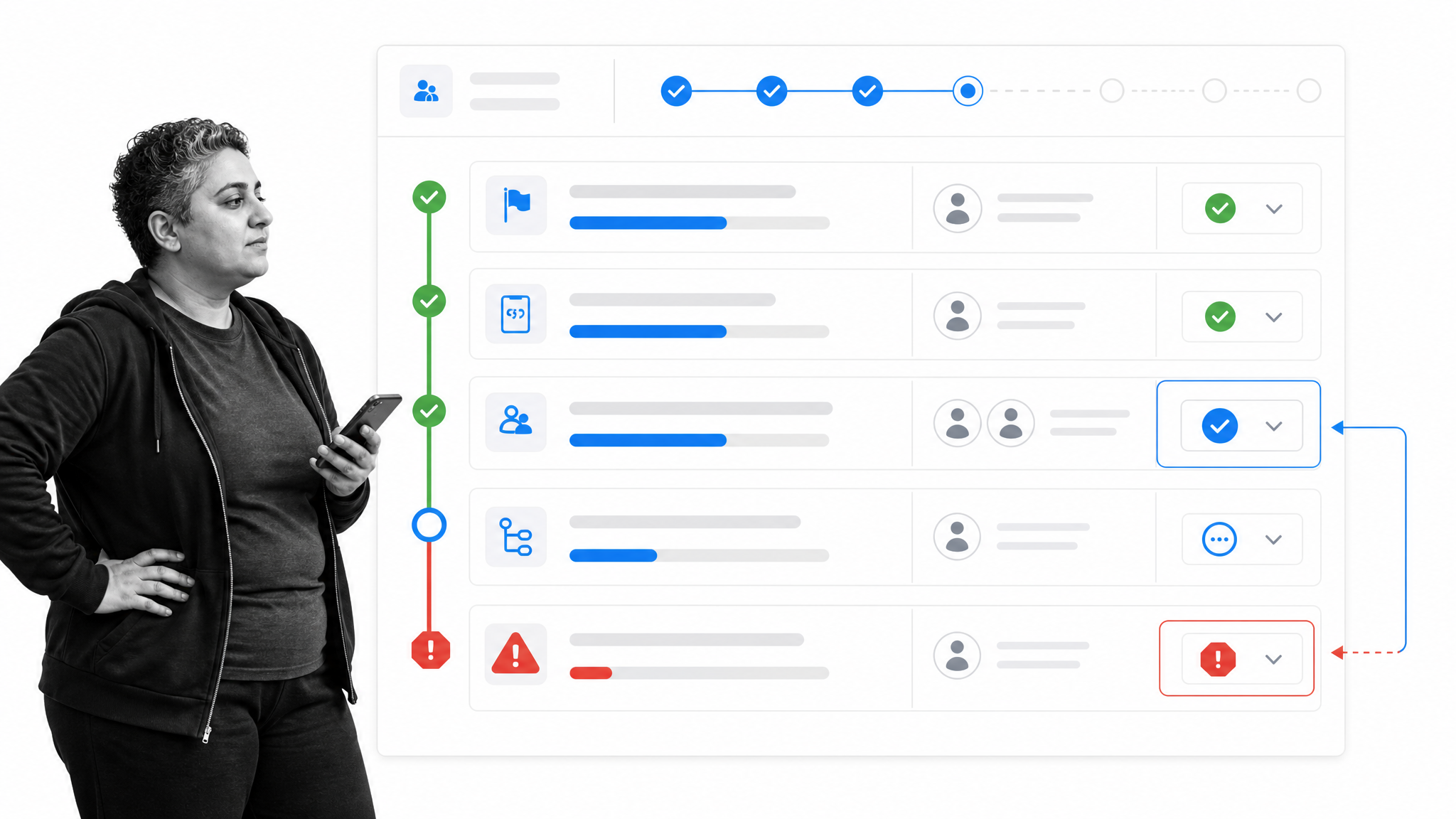
To build a robust onboarding architecture, organizations often rely on a combination of these nine categories:
- Intercom: For conversational messaging and timely, behavior-triggered support.
- Appcues: For building cross-channel product tours and checklists without heavy coding.
- Userpilot: For deep behavior analytics that trigger personalized onboarding journeys.
- Intro.js: A lightweight library for developers needing granular control over product highlights.
- Wistia: For high-engagement video content that explains workflows quickly.
- Auth0: For reducing friction at the very first step—authentication—through social and passwordless sign-in.
- Chili Piper: For qualifying inbound leads and routing them instantly to a sales rep.
- Optimizely: For running A/B tests on different onboarding sequences to see what drives the highest retention.
- Process Street: For governing the entire operation, ensuring that every account, whether automated or concierge, follows a proven path to value.
Implications for Future Growth
The ultimate lesson of modern onboarding is that you cannot optimize what you do not understand. Whether you choose a high-touch or automated path, the goal remains the same: reducing the distance between the user’s arrival and their success.

As businesses move toward 2026 and beyond, the most successful firms will be those that treat onboarding not as a static "set-it-and-forget-it" feature, but as a living, breathing experiment. By maintaining a clear feedback loop—testing, measuring, and refining—companies can transform their onboarding from a simple utility into their most powerful engine for sustainable revenue growth.
The data is clear: the first few days of a user’s journey are the most influential. If you win the onboarding, you win the customer.