The 2026 FIFA World Cup has evolved into more than just a global festival of football; it has become a high-stakes arena for the convergence of decentralized finance (DeFi) and professional sports. As Group C stands currently, the stalemate between football giants Brazil and Morocco has not only captivated fans at MetLife Stadium but has also triggered a massive influx of capital into crypto-native prediction platforms and fan token ecosystems.
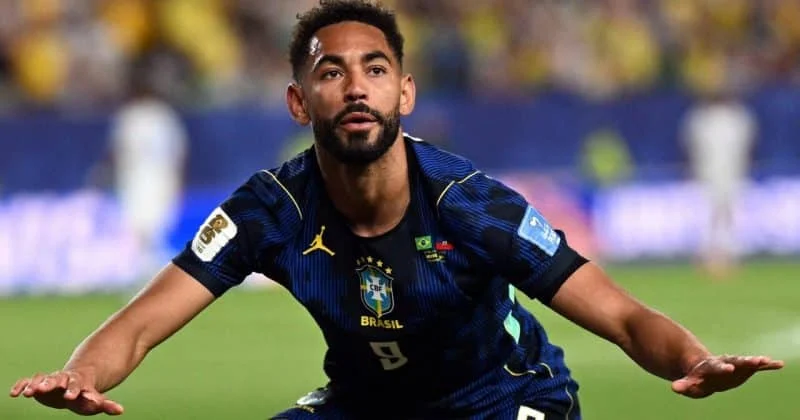
With four points each, Morocco and Brazil are locked in a tactical chess match. While Brazil currently holds the slight edge on goal difference, the race to secure the top spot remains wide open. For traders and investors, the group stage is no longer just about the scoreline—it is being treated with the same analytical intensity as a quarterly earnings season.
The Group C Standoff: A Tactical Overview
The current standings in Group C—featuring Brazil, Morocco, Haiti, and Scotland—have created a pressure cooker environment. The June 13 clash between Brazil and Morocco at MetLife Stadium, which ended in a 1-1 draw, served as a catalyst for market volatility.
The Heavyweight Dynamic
Brazil, a perennial favorite, entered the tournament with immense expectations. However, Morocco—having made history in 2022 as the first African nation to reach the semifinals in Qatar—has proven that they are no longer the underdogs of international football. Their defensive discipline and tactical flexibility have neutralized Brazil’s traditional flair, leading to the current deadlock.
With matches scheduled through June 24, the path to the knockout stages remains narrow. For Brazil, the goal difference is their primary weapon, but for Morocco, a single upset or a dominant performance against Haiti or Scotland could see them leapfrog the South American powerhouse. This uncertainty is exactly what has fueled the surge in decentralized prediction activity.
Chronology: The Evolution of the 2026 Tournament Narrative
To understand the current market behavior, one must look at the timeline of events leading up to the current Group C drama:
- June 9: FIFA announces a landmark partnership, naming Kraken as the tournament’s first Official Crypto Exchange Supporter. This legitimization of crypto within the FIFA ecosystem set the stage for institutional and retail engagement.
- June 13: The high-stakes match between Brazil and Morocco at MetLife Stadium concludes in a 1-1 draw. Immediately following the final whistle, trading volume on prediction markets and fan token exchanges surges by over 400% compared to previous days.
- June 14–17: As the dust settles, the market enters a "calibration phase." Investors analyze the performance of individual players, injury reports, and referee trends to adjust their positions for the upcoming fixtures.
- June 18 and Beyond: The focus shifts to the final matches of the group stage, where the binary outcome of "win or go home" begins to heavily influence the pricing of fan tokens and prediction shares.
Supporting Data: The Rise of Prediction Markets
Polymarket, the blockchain-based prediction platform, has become the primary laboratory for these events. Unlike traditional betting houses, Polymarket offers a transparent, decentralized order book where the "price" of an outcome reflects the collective probability assigned by the market.
Current Market Sentiment
As of the latest data, the implied probabilities for the Group C winner are as follows:
- Brazil: ~67% implied probability to finish atop the group.
- Morocco: ~28–33% implied probability.
These figures represent more than mere sentiment; they represent capital allocation. When a user buys a "Yes" share for Brazil to win the group, they are locking in liquidity that reflects real-time analysis of match statistics, player fatigue, and tactical adjustments. The high volume of trading activity suggests that professional traders are using these markets to hedge against traditional sports betting risks, or conversely, to arbitrage differences between decentralized platforms and centralized, regulated bookmakers.
Official Responses and Institutional Integration
The integration of cryptocurrency into the World Cup has been met with cautious optimism by governing bodies and industry leaders.
"We are witnessing a paradigm shift in how fans interact with the sports they love," said a spokesperson for a leading sports-tech firm. "The goal is to create a frictionless experience where engagement—whether through voting, predicting, or collecting—is powered by the transparency of the blockchain."
FIFA’s decision to bring Kraken on board signifies a major shift in regulatory acceptance. While traditional banking institutions have historically been hesitant to align with crypto, FIFA’s global reach provides a regulatory "shield" that encourages wider adoption. Kraken’s role involves educational outreach and the facilitation of secure transactions for tournament-related digital assets, ensuring that the influx of new users remains within a secure, compliant framework.
Implications: The Tokenization of Fandom
The most visible impact of this integration is the performance of the Brazil National Team Fan Token (BFT), built on the Chiliz blockchain. Unlike Bitcoin or Ethereum, which are driven by macroeconomic factors, BFT behaves as an event-driven asset.
Fan Tokens: The "Event-Momentum" Play
Fan tokens have introduced a new asset class: the "utility-volatility" hybrid.
- Voting Power: Holders of BFT have gained access to minor team decisions, such as voting on training ground music or design elements for team buses. While largely cosmetic, this creates a sense of ownership that drives deep brand loyalty.
- Short-term Volatility: The trading pattern of BFT is distinct. Volume spikes immediately before kickoff as speculative traders pile in, hoping for a price jump following a win. Once the match concludes, liquidity evaporates. This "buy the rumor, sell the news" behavior mirrors the trading of tech stocks during earnings season.
Risk Assessment for Investors
While the intersection of crypto and sports offers unprecedented opportunities, it is not without significant perils.
1. The Illiquidity Trap
Fan tokens often lack deep order books. During periods of low interest (e.g., between tournament matches), exiting a position without significant "slippage"—where the price drops because there are no buyers—is difficult. Investors are cautioned that fan tokens are high-risk instruments, not store-of-value assets.
2. Binary Risk in Prediction Markets
Positions on platforms like Polymarket are binary. A single red card or a VAR (Video Assistant Referee) decision can wipe out a position in seconds. Unlike traditional equities, where a company may slowly decline, prediction market positions are absolute; if the prediction is wrong, the capital is lost.
3. Regulatory Fragmentation
The legality of decentralized prediction markets remains a grey area. While some jurisdictions view them as innovative fintech, others classify them as unlicensed gambling. Investors must remain cognizant of their local laws, as the regulatory landscape for crypto-betting can shift with little notice.
Future Outlook: Beyond the 2026 World Cup
The success of the Kraken-FIFA partnership and the surge in Chiliz-based activity suggests that the 2026 World Cup is a beta test for the future of digital sports engagement. If the current trajectory continues, we can expect to see:
- Tokenized Tickets: Replacing traditional paper or QR-code tickets with NFTs to prevent fraud and secondary market gouging.
- Smart-Contract Betting: Integration of betting directly into the broadcast experience, where viewers can place wagers on specific player performances via their smart TVs.
- Decentralized Sponsorships: Increased reliance on DAOs (Decentralized Autonomous Organizations) to fund team activities or charitable initiatives related to the tournament.
As Brazil and Morocco prepare for their next group stage fixtures, the global crypto market will be watching closely. The outcome on the field will dictate the movement of millions of dollars in digital assets, cementing the 2026 World Cup as the moment the blockchain truly entered the stadium.
Disclosure: This article was edited by the Editorial Team. For more information on how we create and review content, see our Editorial Policy. This content is for informational purposes only and does not constitute financial, investment, or legal advice. All trading involves risk.