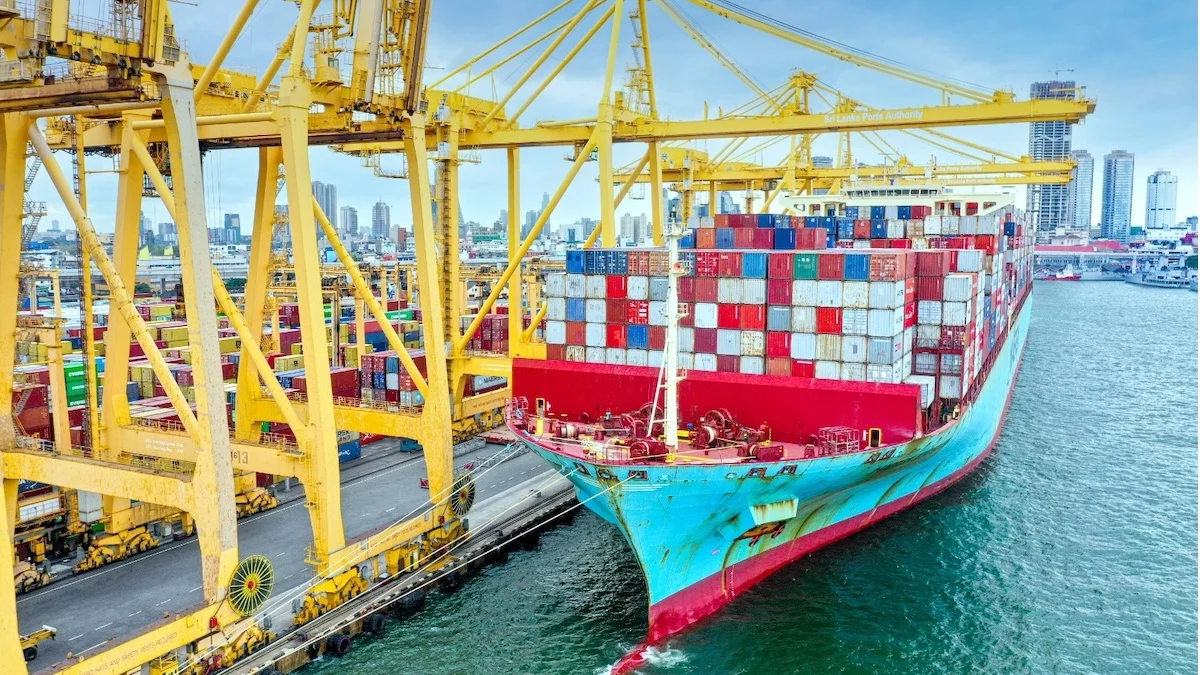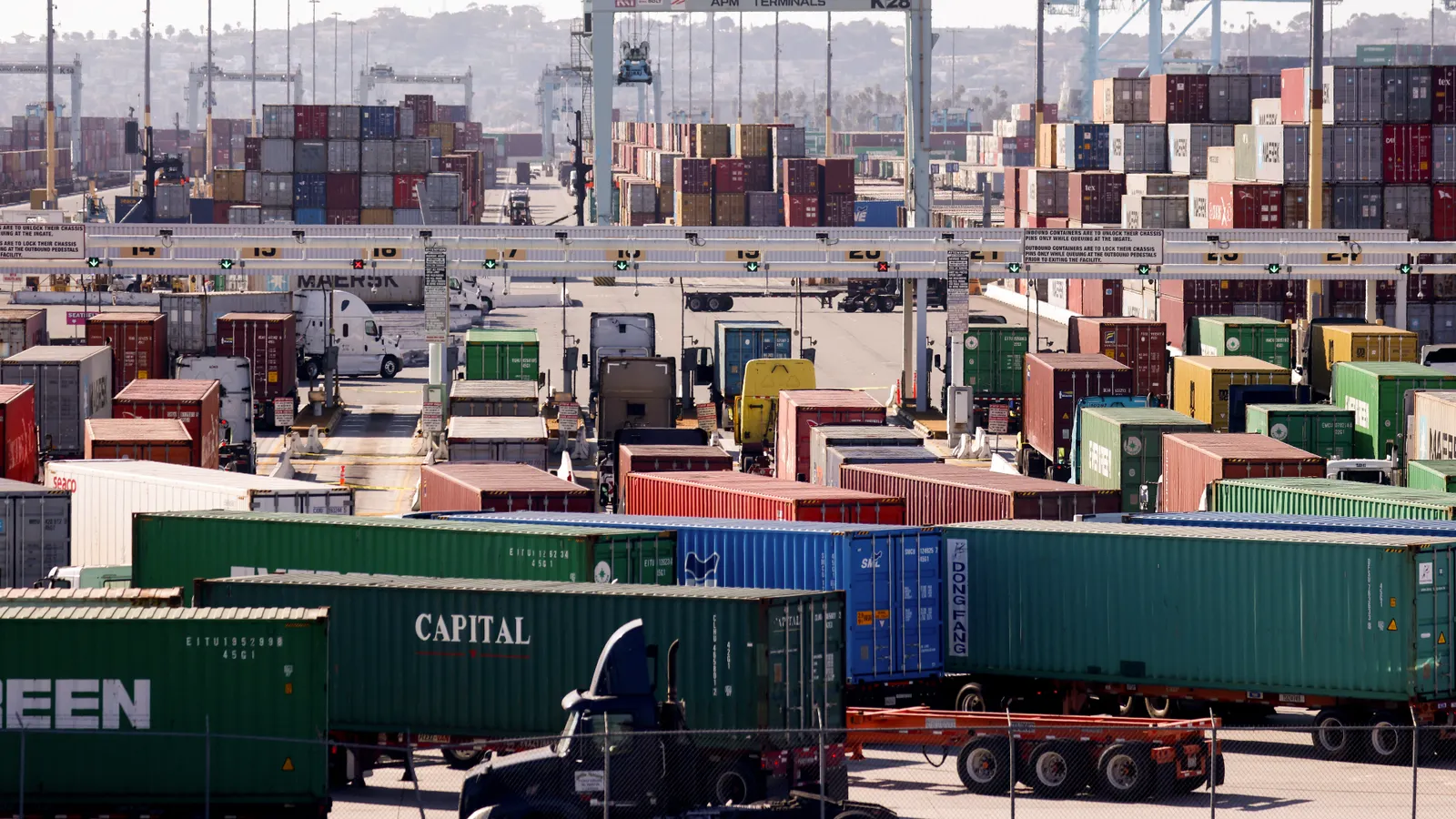
In a significant leap forward for enterprise-level supply chain management, logistics titan FedEx and enterprise AI powerhouse ServiceNow have officially integrated FedEx Dataworks into the ServiceNow Source-to-Pay Operations workflow. Announced on May 14, 2026, this collaboration marks a critical milestone in a long-term strategic partnership aimed at bridging the gap between raw logistics data and actionable procurement decision-making.
By embedding FedEx’s massive, real-time network intelligence directly into the ServiceNow environment, the two companies are providing procurement teams with a unified platform to manage supplier lifecycles, mitigate risks, and optimize operations without the friction of toggling between disparate systems.
The Core Integration: Bridging Logistics and Procurement
At the heart of this integration is the seamless flow of data from FedEx’s global network—which handles millions of shipments daily—into the Source-to-Pay (S2P) Operations platform. Historically, procurement teams have operated in a siloed environment, often relying on static, historical data to manage suppliers. When logistics disruptions occurred, teams were frequently forced to manually reconcile information across carrier portals and internal ERP systems.
The new integration changes this paradigm by surfacing "predictive signals" directly within the user’s workflow. When a shipment delay or supply chain bottleneck is detected within the FedEx network, the ServiceNow platform automatically triggers alerts and workflows, allowing managers to address potential disruptions before they cascade into larger procurement failures.
Key Capabilities Unveiled
The collaboration focuses on three primary pillars of supplier lifecycle management:
- Supplier Insights: Procurement professionals can now request and view granular logistics insights derived from FedEx Dataworks. This allows teams to assess whether a supplier’s performance aligns with their logistical promises.
- Automated Supplier Visibility: During the critical onboarding phase, the platform performs automated assessments. By leveraging FedEx intelligence, organizations can vet potential suppliers not just on financial stability, but on their ability to reliably move goods through the global supply chain.
- Post-Onboarding Monitoring: The visibility does not end at the contract signing. The integration provides ongoing, near real-time insights into supplier performance, enabling data-driven governance that ensures long-term contractual compliance.
A Chronology of Collaboration
The integration announced in May 2026 is the culmination of a multi-year effort to modernize the "supply chain of the future." The journey from initial concept to full-scale platform integration followed a deliberate, strategic path:
- October 2025: FedEx Dataworks and ServiceNow first announced their intent to unite AI, data, and workflows. At this stage, the partnership was framed as a visionary initiative to combine FedEx’s massive data lake with ServiceNow’s process automation capabilities.
- Late 2025 – Early 2026: The companies established "joint innovation hubs" and committed shared engineering resources to ensure the technical architecture could handle the sheer volume of FedEx’s network data without compromising the performance of the ServiceNow interface.
- February 2026: During the FedEx Investor Day, Vishal Talwar, EVP and Chief Digital and Information Officer, hinted at the broader mission. He emphasized that the goal was not merely to collect data, but to "convert that information advantage into predictive signals."
- May 2026: The official launch of the integrated procurement workflow, moving the partnership from the development phase to commercial deployment.
Data-Driven Decisions: The FedEx Advantage
FedEx Dataworks serves as the technological engine for this initiative. As the logistics company’s proprietary insights platform, it processes an immense volume of data points—from package transit times and customs clearance hurdles to weather patterns affecting flight paths.
For the modern enterprise, this data is an "information advantage." By integrating this into ServiceNow, FedEx is effectively selling not just shipping capacity, but the intelligence required to manage the modern, volatile supply chain. As supply chains become increasingly complex and decentralized, the ability to predict, rather than react, has become a competitive necessity.
The Role of Artificial Intelligence
Artificial Intelligence plays a dual role here. First, it powers the predictive analytics within FedEx Dataworks, which identifies patterns of delay or efficiency that might be invisible to human analysts. Second, it powers the ServiceNow automation layer, which interprets those signals and automatically initiates the next best action—such as notifying a vendor, triggering an alternative sourcing request, or updating an invoice payment status.
Official Perspectives and Industry Implications
The leadership at both companies views this as a blueprint for how large-scale enterprise partnerships should function in the era of AI.

Leadership Commentary
Vishal Talwar of FedEx highlighted that the primary hurdle in modern supply chain management is the "toggling tax"—the time and cognitive energy wasted by employees shifting between disparate software environments. By consolidating these functions, the partnership creates a "single source of truth."
ServiceNow, for its part, continues to push its S2P Operations suite as the central nervous system of the enterprise. By bringing in external data sets like those from FedEx, ServiceNow makes its platform indispensable to procurement teams, moving it beyond a mere administrative tool and into the realm of strategic supply chain management.
Implications for Procurement Professionals
For the procurement manager, the implications are profound:
- Reduced Risk: Early visibility into supplier delays allows for proactive mitigation.
- Operational Efficiency: Automating the reconciliation of logistics data with procurement records saves thousands of manual hours annually.
- Enhanced Negotiation Power: Armed with verified performance data, procurement teams can enter contract renewals with empirical evidence of a supplier’s historical performance.
Future Outlook: The Supply Chain of the Future
The integration is just one facet of the multi-year initiative between these two giants. Industry analysts suggest that this is the beginning of a broader trend where logistics providers become data-as-a-service (DaaS) providers.
As the partnership matures, we can expect to see further extensions into areas like:

- Predictive Inventory Management: Linking logistics capacity directly to procurement purchasing cycles to prevent overstocking or stockouts.
- ESG Reporting: Using logistics data to calculate the precise carbon footprint of a supplier’s shipping patterns, helping companies meet sustainability mandates.
- Global Customs Integration: Automating the complex regulatory documentation required for international procurement, further reducing the "time-to-market" for essential components.
The integration of FedEx Dataworks into ServiceNow represents a maturity in the digital transformation of supply chains. It signals a move away from fragmented, reactive management toward a cohesive, predictive, and intelligent ecosystem. In an era defined by global uncertainty, the ability to leverage data-driven intelligence at the moment of decision-making is no longer a luxury—it is the bedrock of business continuity.
As enterprises continue to navigate post-pandemic supply chain realities, the success of this partnership will likely be measured by how effectively it reduces the "uncertainty factor." By turning the vast, chaotic flow of global logistics into clean, actionable procurement workflows, FedEx and ServiceNow have set a new standard for operational excellence in 2026 and beyond.