By Christopher Doering
Published May 12, 2026
In a move that signals both continuity and a high-stakes evolution for one of the world’s most recognizable food manufacturers, General Mills has announced the appointment of Dana McNabb as its new Chief Operating Officer (COO), effective June 1, 2026. McNabb, a veteran of the company who has spent over a quarter-century within its halls, will take the helm of global operating functions, including the critical oversight of the company’s sprawling supply chain.
This leadership transition arrives at a defining moment for the Minneapolis-based giant. As the manufacturer of household staples like Cheerios, Bisquick, and Fiber One navigates a complex macroeconomic landscape defined by cautious consumer spending and shifting brand loyalty, McNabb’s appointment is being viewed by analysts as a strategic effort to fortify the company’s operational resilience and drive a return to sustainable, profitable growth.
The Path to the C-Suite: A Career Defined by General Mills
To understand the significance of McNabb’s promotion, one must look at the depth of her tenure. Since joining General Mills in 1999, McNabb has served as a fixture within the organization, building a resume that spans nearly every major business category, including cereal, snacks, meals, and dairy.
Her trajectory mirrors that of current CEO Jeff Harmening, who served as COO before ascending to the top executive role in 2017 after a 23-year career with the company. While General Mills has provided no indication that Harmening plans to vacate his post, industry observers suggest that McNabb’s deep institutional knowledge and broad operational experience position her as the logical successor. By elevating a leader who understands the company’s DNA while simultaneously tasking her with the modernization of its supply chain, the board is signaling a preference for internal stability tempered by the need for external agility.
Chronology of Change: Restructuring for the Future
The appointment of McNabb is the latest in a series of deliberate leadership and structural adjustments aimed at insulating General Mills from market volatility.
- 1999: Dana McNabb joins General Mills, beginning a multi-decade journey across diverse product categories.
- 2017: Jeff Harmening assumes the role of CEO, following the traditional path of a General Mills COO.
- October 2025: As part of a multiyear supply chain optimization strategy, General Mills announces the closure of three manufacturing plants in Missouri to streamline network logistics.
- March 2026: Jonathan Ness is appointed as the new Chief Supply Chain Officer, charged with overseeing manufacturing, logistics, sourcing, and planning.
- May 12, 2026: General Mills officially announces the promotion of Dana McNabb to COO, effective June 1, cementing a new leadership duo tasked with guiding the firm through a period of sluggish consumer demand.
This sequence of events illustrates a company actively pruning its physical footprint while simultaneously bolstering its executive leadership team to manage the complexities of modern, digitized operations.
Supporting Data: The Challenge of the "Sour" Consumer
General Mills’ leadership shift does not occur in a vacuum. The packaged food industry is currently contending with a significant decline in consumer spending, driven by persistent inflation and a growing consumer resistance to price hikes.

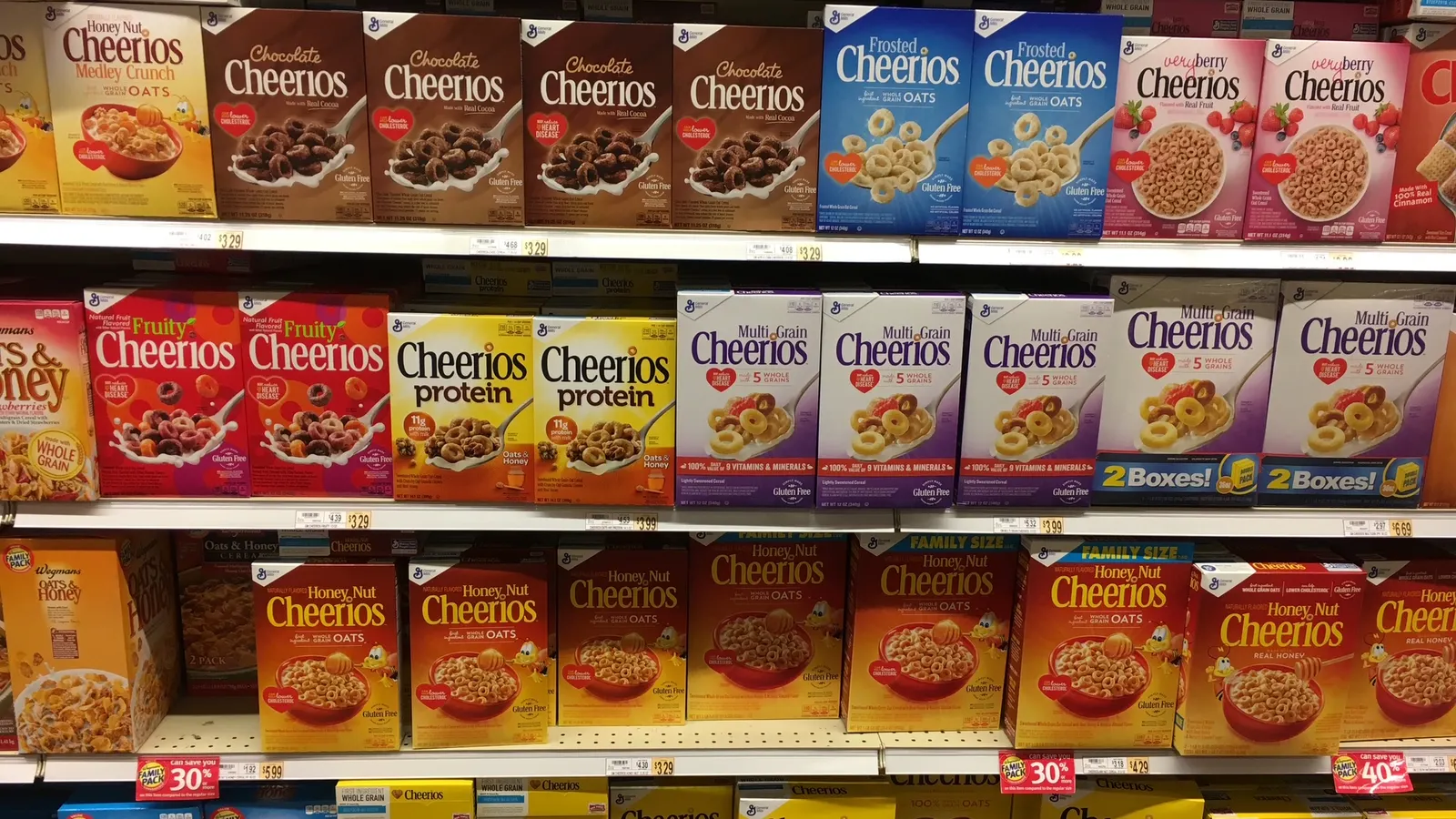
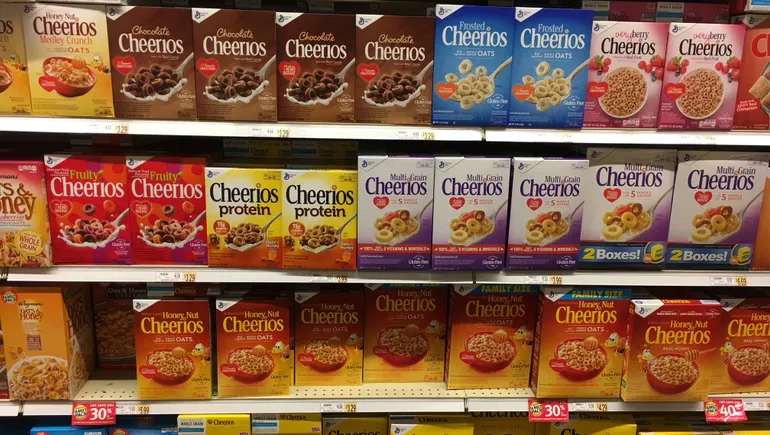
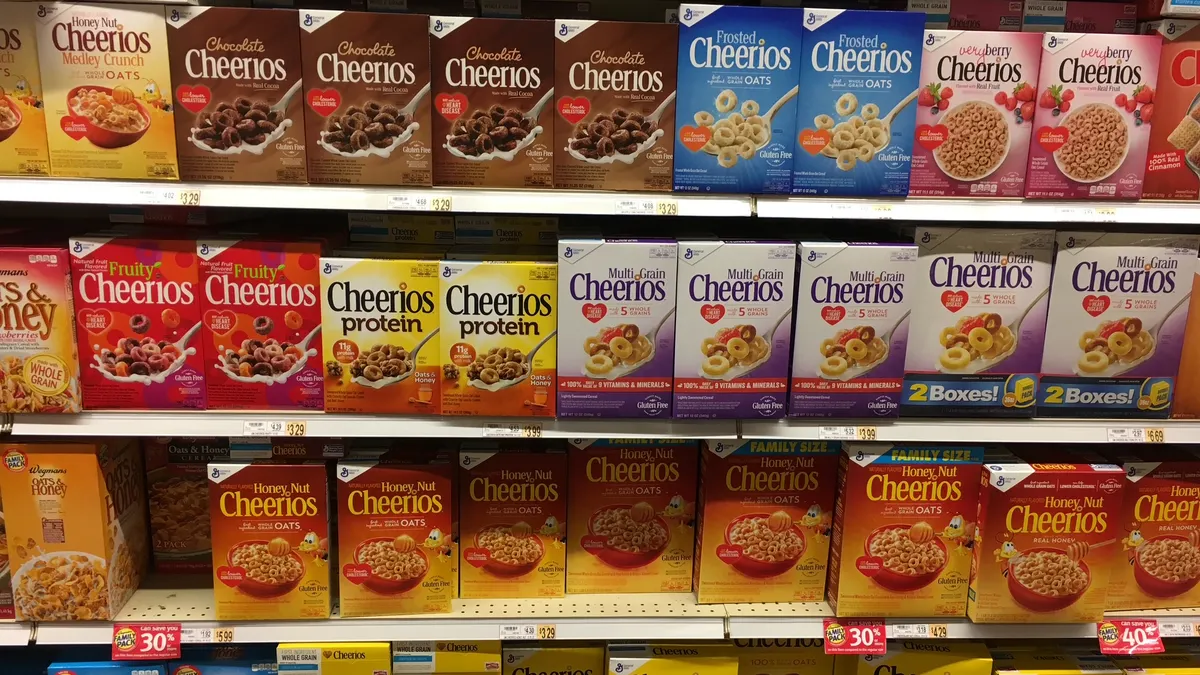
During its most recent fiscal quarter, General Mills reported a 3% drop in organic sales—a metric that has sent ripples of concern through its investor base. The "sour mood" of the consumer has forced the company to pivot from a strategy of price-driven revenue growth to one focused on volume and value. To combat this, the firm has slashed prices on nearly two-thirds of its North American grocery portfolio, an attempt to lure back shoppers who have increasingly gravitated toward private-label alternatives or reduced their basket sizes.
The supply chain, under the joint leadership of McNabb and Ness, must now operate with maximum efficiency to support these lower price points without eroding margins. The goal is clear: restore "remarkability" to the brand portfolio while ensuring that the cost of goods sold remains competitive in an era of diminished purchasing power.
Official Responses and Strategic Vision
In his announcement, CEO Jeff Harmening did not mince words regarding why McNabb is the right person for the current climate. Describing her as a "disciplined, strategic leader and results-driven operator," Harmening emphasized the urgency of the moment.
"As someone who looks ahead and acts with urgency, Dana has led an initiative to reinvigorate our brands by strengthening their remarkability," Harmening stated. "She is exceptionally well suited to lead our global operations and restore profitable growth for General Mills and our shareholders."

For her part, McNabb enters the role with a mandate to bridge the gap between product innovation and operational reality. Her challenge will be to ensure that the "remarkability" of the brands is supported by a supply chain that can pivot rapidly to meet fluctuating demand, minimize waste, and maintain the high quality that consumers have come to expect from General Mills’ legacy products.
Implications: Digitization and Network Optimization
The appointment of McNabb and the earlier hiring of Jonathan Ness are indicative of a broader, technology-first approach to manufacturing and distribution.
The Push for Digitization
General Mills has been investing heavily in the digitization of its end-to-end supply chain. By utilizing AI and predictive analytics, the company aims to gain better visibility into its operations, from the sourcing of raw ingredients to the final shelf placement in retail stores. This level of visibility is essential for navigating modern disruptions—whether they are geopolitical, weather-related, or labor-driven—that have become a standard feature of the global food industry.
Network Rationalization
The closure of the Missouri manufacturing plants is a physical manifestation of this digital shift. By rationalizing its footprint, the company is not merely cutting costs; it is consolidating production into facilities that are more technologically advanced and better integrated into its optimized logistics network.
Future Outlook
As McNabb steps into the COO role, the implications for General Mills are profound. If the company is to successfully navigate the current downturn, the synergy between McNabb’s operational oversight and the company’s digital transformation efforts will be the primary driver of success.
The market will be watching closely to see if this leadership structure can successfully balance the need for short-term volume recovery with long-term brand equity. For investors and industry analysts alike, the move represents a "wait and see" period where the focus shifts from growth at all costs to the "disciplined" execution that Harmening praised in his successor.
Ultimately, Dana McNabb takes the helm at a time when General Mills is forced to redefine its value proposition. With a deep bench of experience and a clear mandate to modernize, she is tasked with ensuring that the company’s iconic cereal boxes continue to hold their place on the kitchen table, regardless of the macroeconomic headwinds blowing through the grocery aisle.