By Financial Correspondent Desk
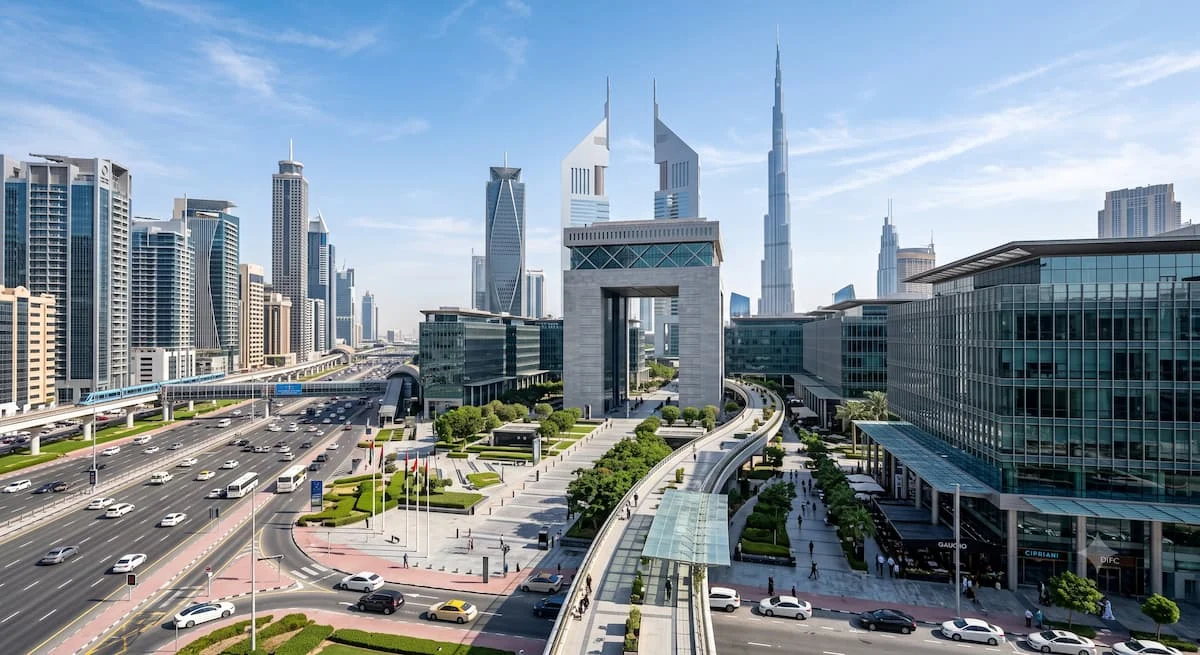
In a significant move that underscores the shifting landscape of global wealth management, UK-based specialist cross-border credit adviser Henry Dannell has officially inaugurated a representative office within the Dubai International Financial Centre (DIFC). This expansion marks the firm’s inaugural foray into the Middle East, signaling a strategic intent to capture the burgeoning demand for sophisticated, multi-jurisdictional financial structuring among the region’s growing population of ultra-high-net-worth individuals (UHNWIs), family offices, and globally mobile entrepreneurs.
The new office, acting as a representative of the UK-based Henry Dannell Private Clients Limited—an entity authorized by the Financial Conduct Authority (FCA)—is designed to serve as a bridge between the firm’s established European expertise and the increasingly complex needs of the Gulf’s elite financial ecosystem.
The Strategic Imperative: Why Dubai?
The decision to establish a presence in the DIFC is far from arbitrary. As one of the world’s leading financial free zones, the DIFC offers a unique legal and regulatory architecture modeled on international best practices. By operating within this framework, which is overseen by the independent Dubai Financial Services Authority (DFSA), Henry Dannell is positioning itself within a "common language" environment that provides comfort and familiarity to its international clientele.
For a firm that prides itself on navigating complex regulatory environments, the DIFC provides a frictionless gateway. It allows the firm to maintain its FCA-governed standards while engaging with a client base that increasingly views Dubai as a primary global hub.
The timing of this expansion aligns with a broader macroeconomic trend. Over the past several years, Dubai has cemented its status as a magnet for global capital. Following geopolitical volatility in Europe, the CIS region, and parts of South Asia, there has been a significant influx of capital and human talent into the UAE. This demographic shift has created a localized "wealth bubble," where the demand for bespoke, high-end financial services—particularly those involving cross-border asset collateralization—has outpaced the supply of traditional, localized banking solutions.
Chronology and Evolution: From Boutique to Global Player
Founded in 2019, Henry Dannell was conceived as an antidote to the rigidity of conventional high-street mortgage lenders and private banks. While traditional institutions often rely on automated "tick-box" underwriting processes, Henry Dannell operates as a specialist credit structurer.

- 2019: Henry Dannell is established in the UK, focusing on complex income profiles and internationally distributed assets. The firm builds a team of specialists with a cumulative 165 years of industry experience.
- 2020–2022: The firm scales its operations, navigating the volatile global credit markets during the pandemic. It carves out a niche in residential, commercial, and specialist lending for clients who fall outside the rigid parameters of retail banks.
- 2023–2025: The firm observes a marked increase in inquiries from clients with UAE ties. The realization dawns that a physical presence in the Middle East is no longer a luxury but a necessity to provide timely, high-touch advisory services.
- 2026 (Current): The official opening of the DIFC representative office. This milestone represents the first step in the firm’s internationalization strategy, setting the stage for potential full-service licensing in the future.
The "Modern Wealth" Challenge: Official Commentary
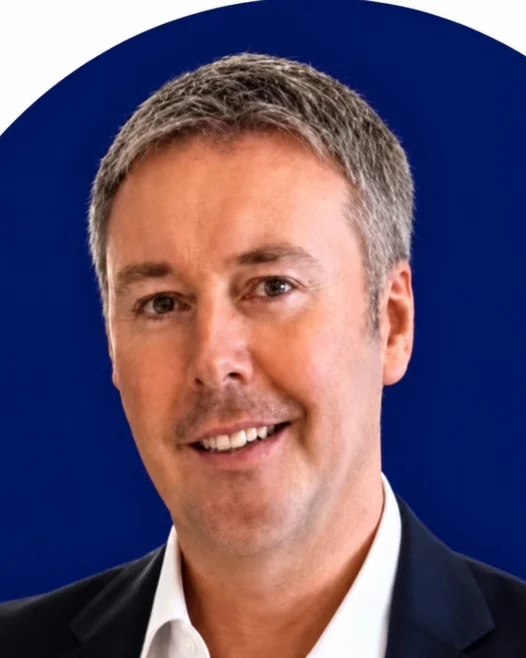
Kem Kemal, co-founder and CEO of Henry Dannell, views the firm’s expansion as a direct response to the "rigidity trap" of modern banking. According to Kemal, the traditional financial sector has failed to keep pace with the hyper-mobile nature of today’s wealth creators.
"Too often, highly accomplished individuals with substantial assets and strong financial positions encounter challenges simply because their circumstances fall outside conventional frameworks," Kemal stated during the launch. "A successful entrepreneur with assets in London, a primary residence in Dubai, and income streams from Singapore is often treated as a ‘high-risk’ applicant by standard banks. Our role is to bridge that gap—to understand the complete, holistic picture and design bespoke credit solutions that reflect the reality of how modern, international wealth actually moves."
Kemal’s philosophy centers on the idea that complexity is not a deterrent, but an opportunity for sophisticated advisory. By focusing on the structure of credit rather than the product of lending, Henry Dannell aims to provide a service that is closer to a family office than a traditional brokerage.
Market Context: Navigating Regulatory Complexity
The cross-border lending segment is fraught with regulatory nuance. Henry Dannell’s decision to launch as a "representative office" is a calculated move that reflects both caution and long-term planning.
Regulatory Limitations
As a representative office, the firm is restricted in the scope of regulated financial services it can execute directly within the UAE. Its current mandate is focused on relationship-building, advisory, and the facilitation of introductions to the UK-based entity. To move toward full-scale, direct execution of regulated financial transactions for UAE-resident clients, the firm would need to seek additional, more rigorous authorizations from the DFSA. This "phased" approach allows the firm to test the market, build local partnerships, and establish a reputation before committing to the heavier compliance and capital requirements of a full license.
The Compliance Landscape
The regulatory environment for international lending has become increasingly stringent. Organizations like the OECD, through the Common Reporting Standard (CRS), and individual nations—including the UK—have ramped up scrutiny on offshore asset disclosure and cross-border financial activity.
For Henry Dannell, this environment is a double-edged sword. While it creates a higher barrier to entry, it also serves as a differentiator. Clients in the current era are acutely aware of the risks of non-compliance. An adviser who can demonstrate a mastery of international reporting standards, anti-money laundering (AML) protocols, and multi-jurisdictional tax implications is significantly more valuable than one who cannot. The firm’s ability to act as a bridge between the UK’s stringent FCA environment and the UAE’s rapidly evolving regulatory landscape provides a layer of security for clients who are wary of "off-the-shelf" financial solutions.

Implications for the Future of Private Credit
The arrival of Henry Dannell in the DIFC is indicative of a broader trend: the "professionalization" of the private credit advisory market. As wealth becomes increasingly mobile, the demand for advisory firms that can provide "global connectivity" will continue to rise.
Implications for Clients
Clients can expect a shift away from the "branch-based" model of borrowing. Instead, they are entering an era of "advisory-led" borrowing, where the credit structure is tailored to mitigate tax, liquidity, and currency risks across multiple borders. This is particularly relevant for the influx of UHNWIs arriving in Dubai who require sophisticated financing for real estate or business ventures without liquidating their international asset portfolios.
Implications for the Competitive Landscape
The presence of specialized UK firms in the DIFC challenges local and regional banks to improve their service levels. As more boutique advisory firms enter the region, traditional lenders may find themselves pressured to create "bespoke" desks to compete with the tailored, high-touch models championed by firms like Henry Dannell.
Looking Ahead
The success of Henry Dannell’s Dubai venture will likely hinge on three key metrics:
- Professional Partnerships: Whether the firm can successfully integrate with existing local family offices, legal practices, and tax advisors to form a trusted ecosystem.
- Regulatory Progression: Whether the firm moves toward full DFSA authorization within the next 18 to 24 months, which would signal a deep-seated commitment to the region.
- Volume and Value: Whether the firm can prove that its "bespoke" approach can handle high-volume, high-complexity deals that are profitable enough to justify the overheads of a DIFC presence.
In conclusion, Henry Dannell’s move into Dubai is a clear statement of intent. It recognizes that in a world defined by geopolitical and economic shifts, the most successful financial advisers will be those who can operate fluidly across borders, translating complex global asset structures into clear, accessible credit solutions. As the firm embeds itself in the DIFC, it will be closely watched by industry peers as a test case for how specialized, FCA-regulated firms can successfully export their expertise to the Middle East’s most prestigious financial hub.