As Australia navigates a complex economic climate, a convergence of rising inflation, intense parliamentary scrutiny, and high-stakes social policy debates has placed the Albanese government under significant pressure. The latest data, which reveals a concerning acceleration in the headline inflation rate to 4.3%, has dominated the national discourse, forcing both the Reserve Bank of Australia (RBA) and federal political leaders to defend their strategies against a backdrop of public frustration.
The Inflation Spike and the Prospect of Further Rate Hikes
Australia’s headline inflation rate has climbed to 4.3% in the year to September, a significant jump that has reignited fears of a cooling economy turning into a stagnant one. Underlying inflation—the RBA’s preferred metric for determining monetary policy, which strips out volatile items like fuel and fresh food—remains stubbornly elevated at 3.6%.

This inflationary trend comes at a critical juncture for the Reserve Bank. With the next monetary policy meeting scheduled for November 3, market analysts are near-unanimous in their belief that a fifth interest rate hike for the year is on the horizon. The current cash rate sits at 4.6%, the highest level observed in 15 years, and any further increase will undoubtedly place additional strain on mortgaged households.
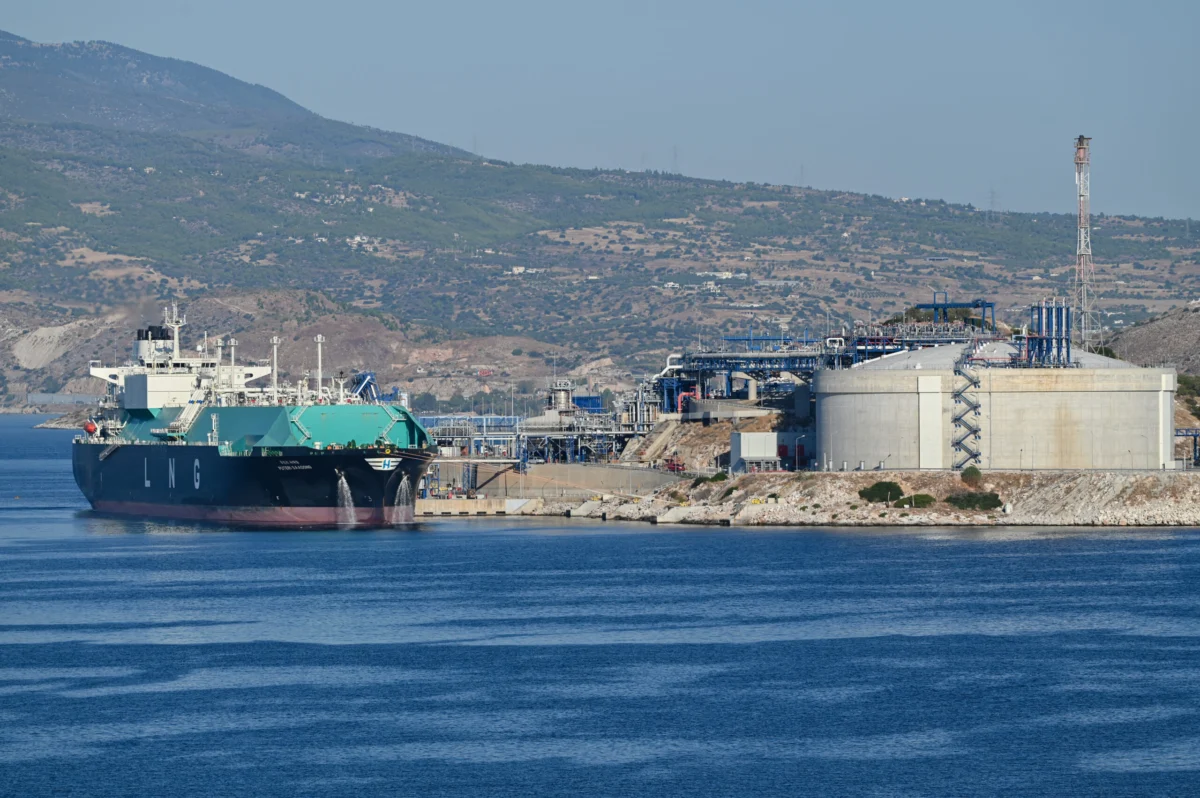
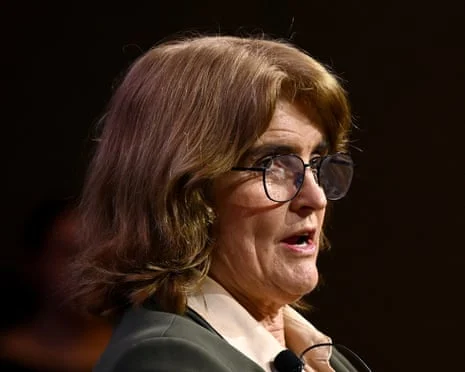
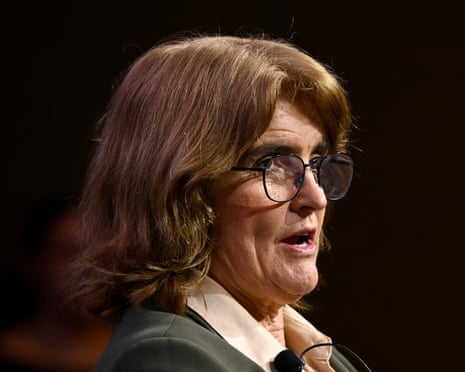
RBA Governor Michele Bullock has warned that "a further period of subdued growth" is required to bring inflation back to target. In her opening statement to Senate estimates, Bullock highlighted that domestic capacity pressures are now playing as large a role in inflation as global factors. While geopolitical tensions in the Middle East have pushed global fuel prices to six-month highs—costing the Australian economy an estimated $9bn in additional import expenses over the last half-year—the central bank remains focused on the "fundamental challenge" of domestic productivity and a labor market that continues to defy cooling expectations.

Chronology of Economic and Political Developments
The week began with a series of high-profile disclosures that have challenged the government’s narrative on economic management.
- October 27, Morning: Official data released by the ABS confirmed the acceleration of inflation, prompting immediate responses from the Treasury and opposition benches.
- October 27, Midday: The Treasury Secretary, Jenny Wilkinson, testified before Senate estimates, asserting that government spending is not the primary driver of inflation, instead pointing to private sector demand as the primary contributor.
- October 27, Afternoon: The eSafety Commissioner, Julie Inman Grant, made her final appearance before Senate estimates, offering a sobering reflection on the toxicity of the current political environment, particularly for women in leadership.
- October 28, Morning: The Greens leader, David Shoebridge, took to the National Press Club to outline a massive $22bn-a-year welfare and tax reform package, designed to ease cost-of-living pressures for the most vulnerable.
Supporting Data: The Cost of Living and Corporate Governance
The economic pain is not evenly distributed, as evidenced by the intense scrutiny of high-salary public servants and corporate performance. The Future Fund, Australia’s sovereign wealth fund, has faced sharp criticism for its remuneration structures. It was revealed that the number of staff paid over $1 million per annum has jumped from 11 to 17. Greens senator Barbara Pocock described a $2.2 million salary for a single public servant as "outrageous," particularly while the average Australian struggles to manage basic grocery bills.

Simultaneously, the Department of Employment and Workplace Relations has been forced to defend a $12.9 million redundancy bill for the 2025-26 period, which included an $828,980 "termination benefit" for former secretary Natalie James. This payment has sparked public outrage, given that her departure followed two damning ombudsman reports into the unlawful cancellation of welfare payments for thousands of Australians.
Department head Simon Duggan confirmed that 50,652 people will be invited to apply for compensation as part of a remediation scheme. He also confirmed that the automated Targeted Compliance Framework (TCF) remains partially paused, with four elements awaiting "comprehensive system decision-making and assurance work" before they can be safely reintroduced in 2027.

Official Responses and Political Maneuvering
The opposition has been quick to weaponize these figures. Liberal senator Jane Hume has persistently challenged Treasury officials, citing numerous economists who argue that excessive government spending is fueling inflation. The opposition has characterized the government’s handling of the economy as "mismanaged," pointing to the combination of rising unemployment and high inflation as evidence of a failed strategy.
Meanwhile, the Greens have sought to position themselves as the alternative for those left behind. David Shoebridge’s proposal to lift the tax-free threshold from $18,200 to $26,000, funded by higher taxes on gas exports and resources companies, is a direct challenge to the government’s fiscal conservatism. Shoebridge argues that no matter the person’s status—working, studying, or on a pension—the proposed $1,000 annual boost is essential to survival in the current climate.
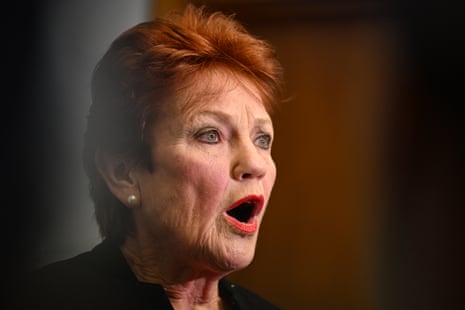
In a separate development, One Nation leader Pauline Hanson has pushed for early access to superannuation to help Australians pay rent or mortgages. While she frames this as giving people access to "their own money," the Super Members Council has warned that such policies could leave a 30-year-old worker $25,000 poorer by the time they reach retirement, eventually shifting the burden onto the taxpayer to fund the age pension.
Implications for the Future
The implications of these developments are far-reaching. The "dangerously febrile" environment described by eSafety Commissioner Julie Inman Grant highlights a broader societal shift. Inman Grant noted that social media has evolved from a "digital town square" into a "gladiatorial arena," where public officials are used for political point-scoring at the expense of their personal safety and mental health.
Furthermore, the aged care sector is reeling from the revelation that an algorithmic tool used to assess support entitlements was designed so rigidly that it legally prohibited clinical overrides. The Department of Health and Ageing admitted that different teams within the department were working under conflicting assumptions, leading to a "huge error" in guidance provided to health workers. This has triggered a push for a root cause analysis and heightened calls for greater transparency in how AI-driven algorithms are implemented in government services.
As Western Australia moves to become the first state to open consultations on "plug-in" or "balcony" solar, the government is attempting to signal progress on affordability. The potential for renters to save between $226 and $372 a year is a tangible benefit, yet it serves as a small comfort against the macro-economic reality of rising interest rates and inflation.

Conclusion
The Australian government faces a precarious few months. The RBA’s potential interest rate hike in November will be a litmus test for the economy, potentially triggering further political fallout. With the opposition focusing on fiscal restraint and the Greens pushing for massive redistribution, the middle ground is becoming increasingly difficult to navigate. As the nation approaches the end of the year, the combination of high cost-of-living, institutional scrutiny, and a polarized political landscape suggests that economic and social stability will remain a primary concern for the Albanese government well into 2027.
Whether the government can successfully balance the need to curb inflation with the urgent requirements of vulnerable Australians—and whether they can restore faith in the systems designed to support them—remains the defining question of their current term. The upcoming parliamentary sittings will likely be defined by these tensions, as the electorate watches closely to see if the promised "swift response" to these crises will yield tangible relief.